
Level 1 sweep and inspection to the NFPA 211 annual standard - flue, crown, cap, and flashing checked and photographed
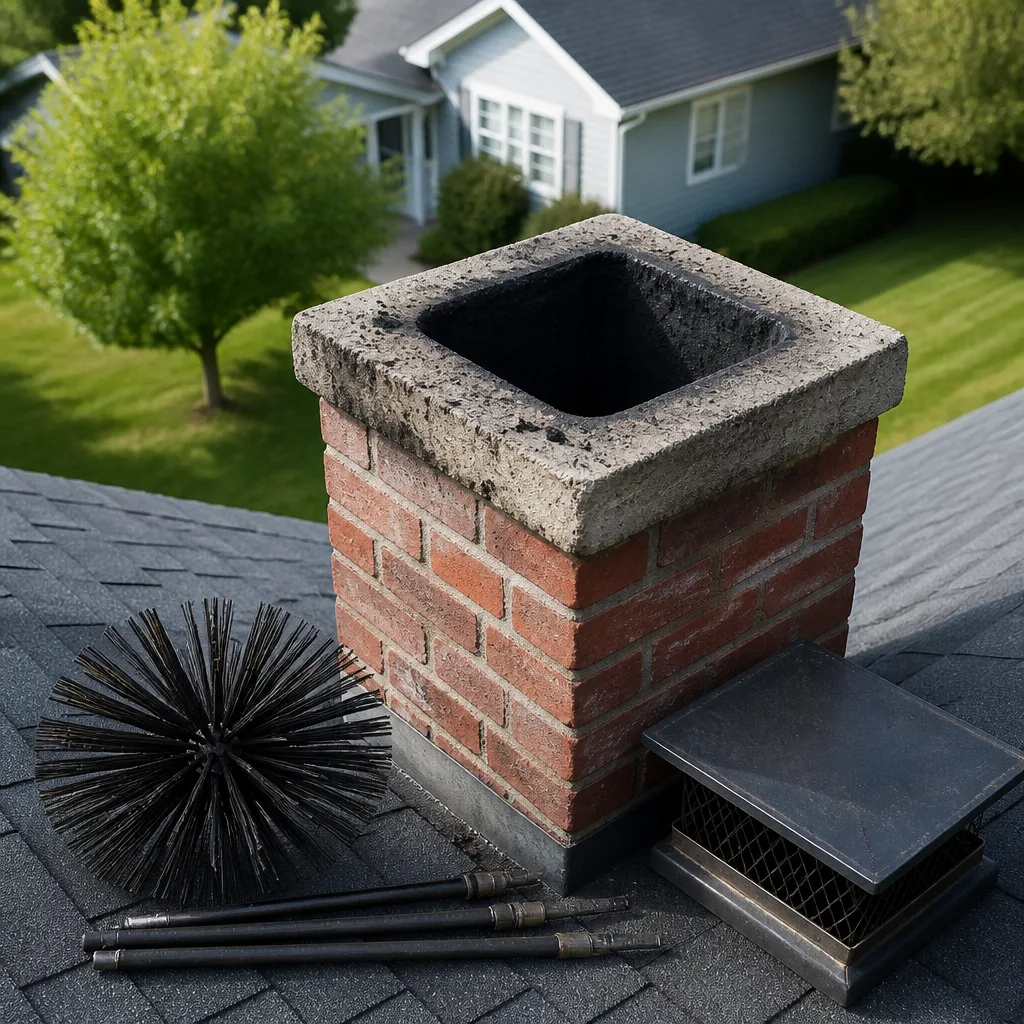
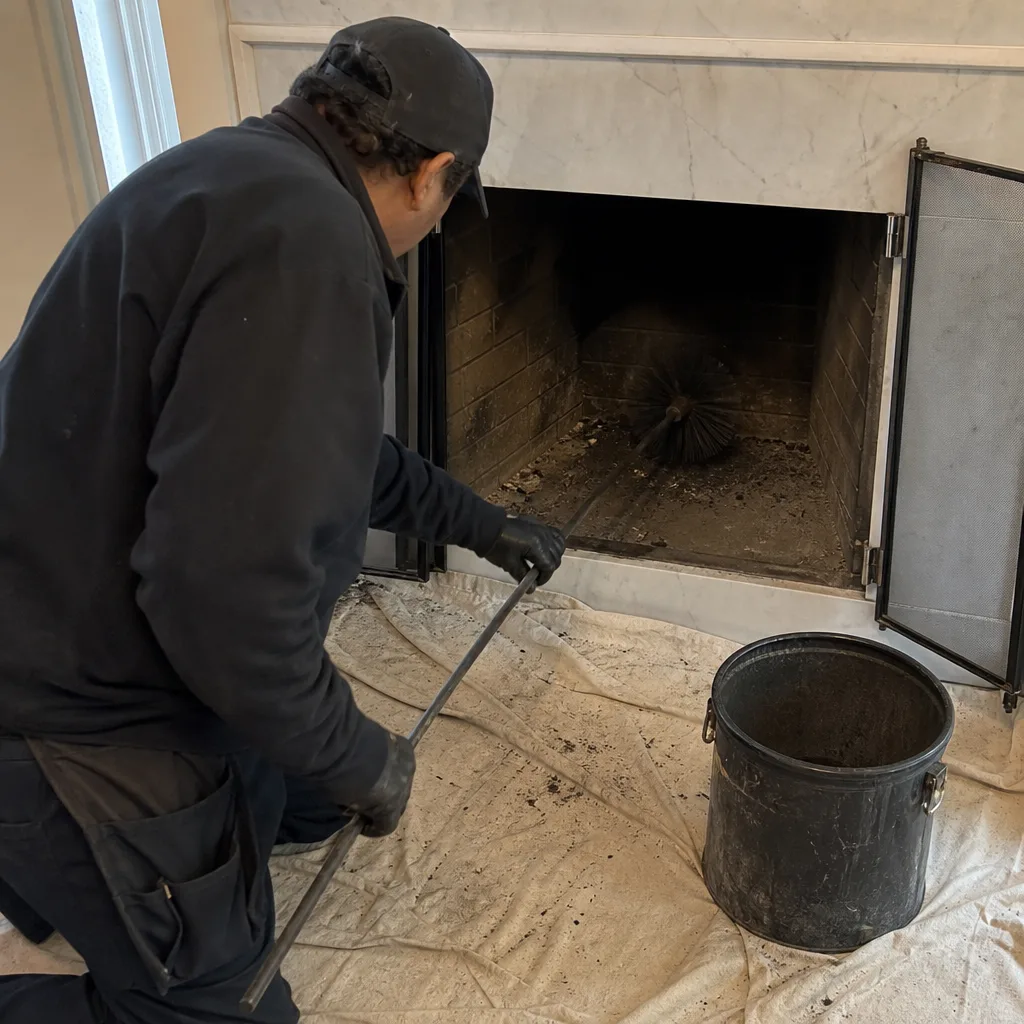
Chimney sweep logs do not sweep chimneys. They loosen some creosote - which then falls where a brush and vacuum still have to collect it.
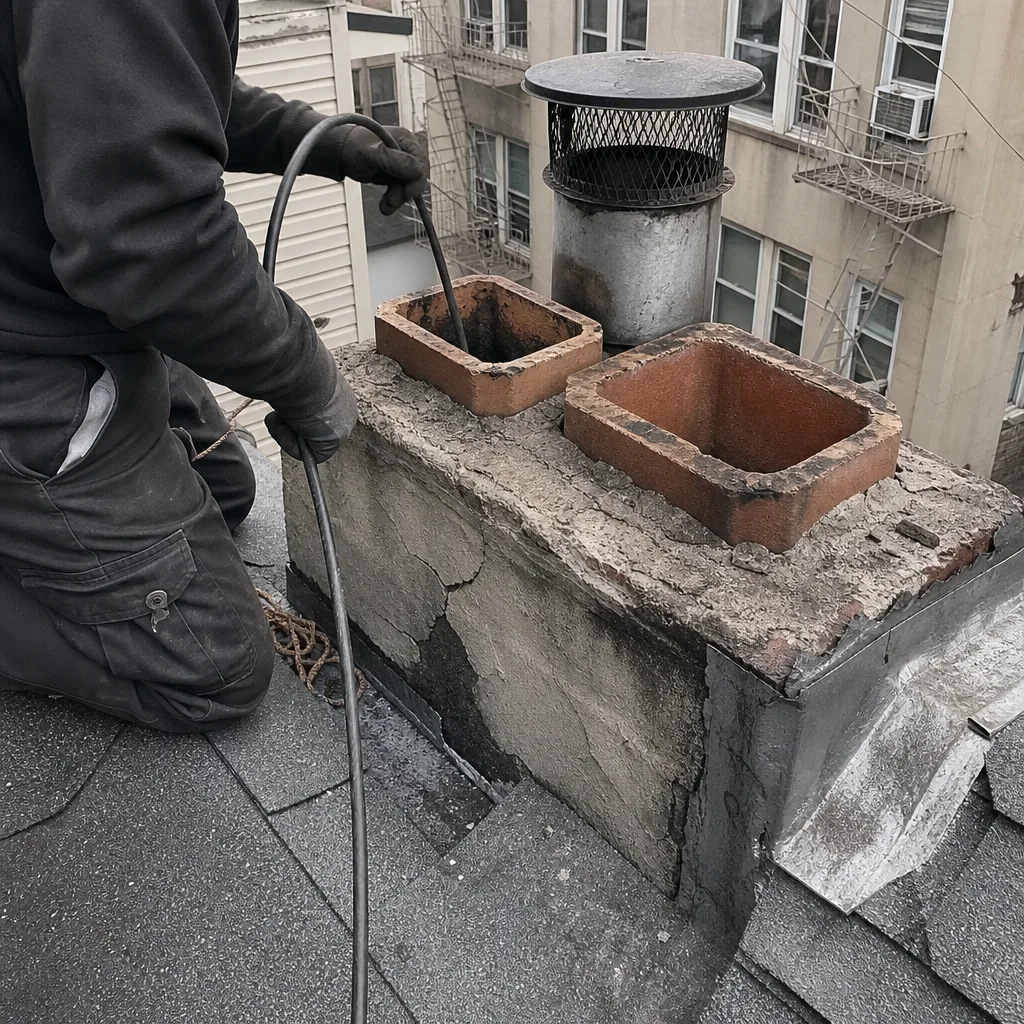 Before
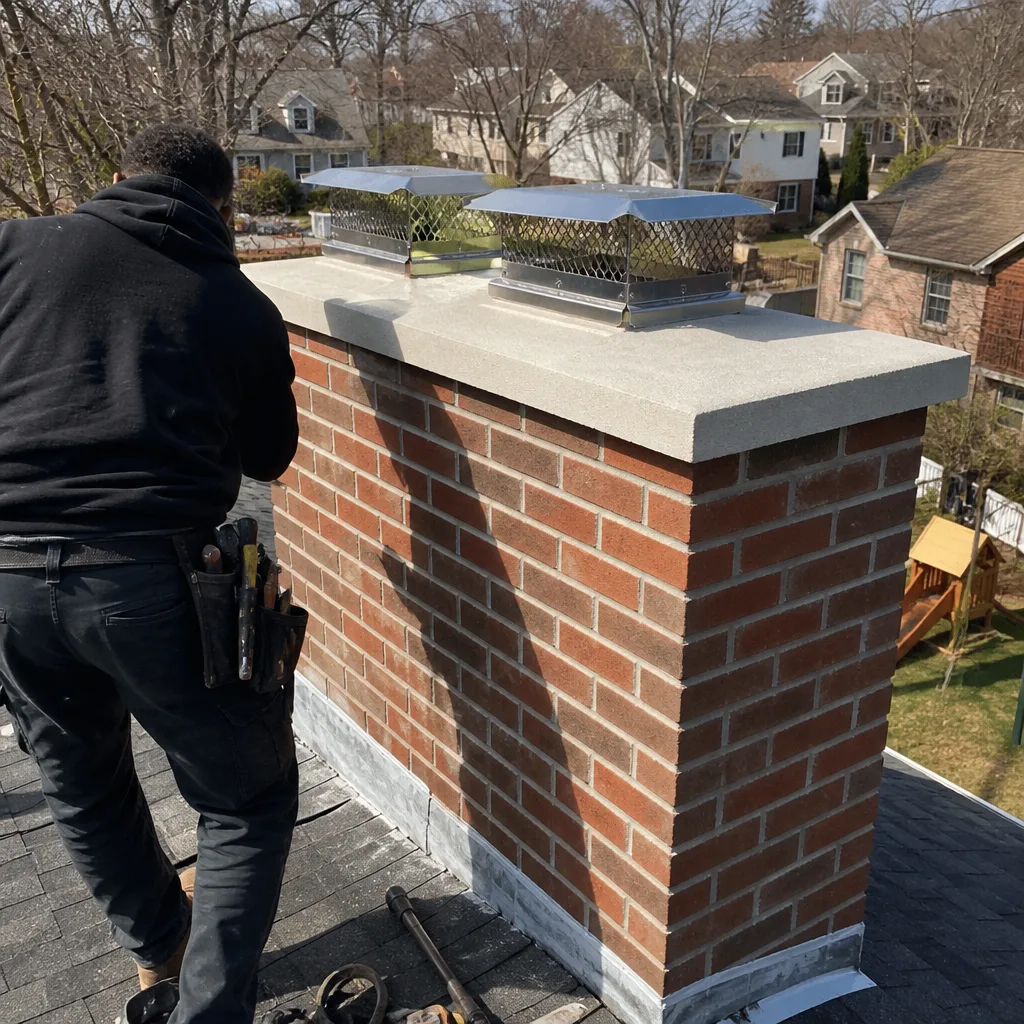 After
After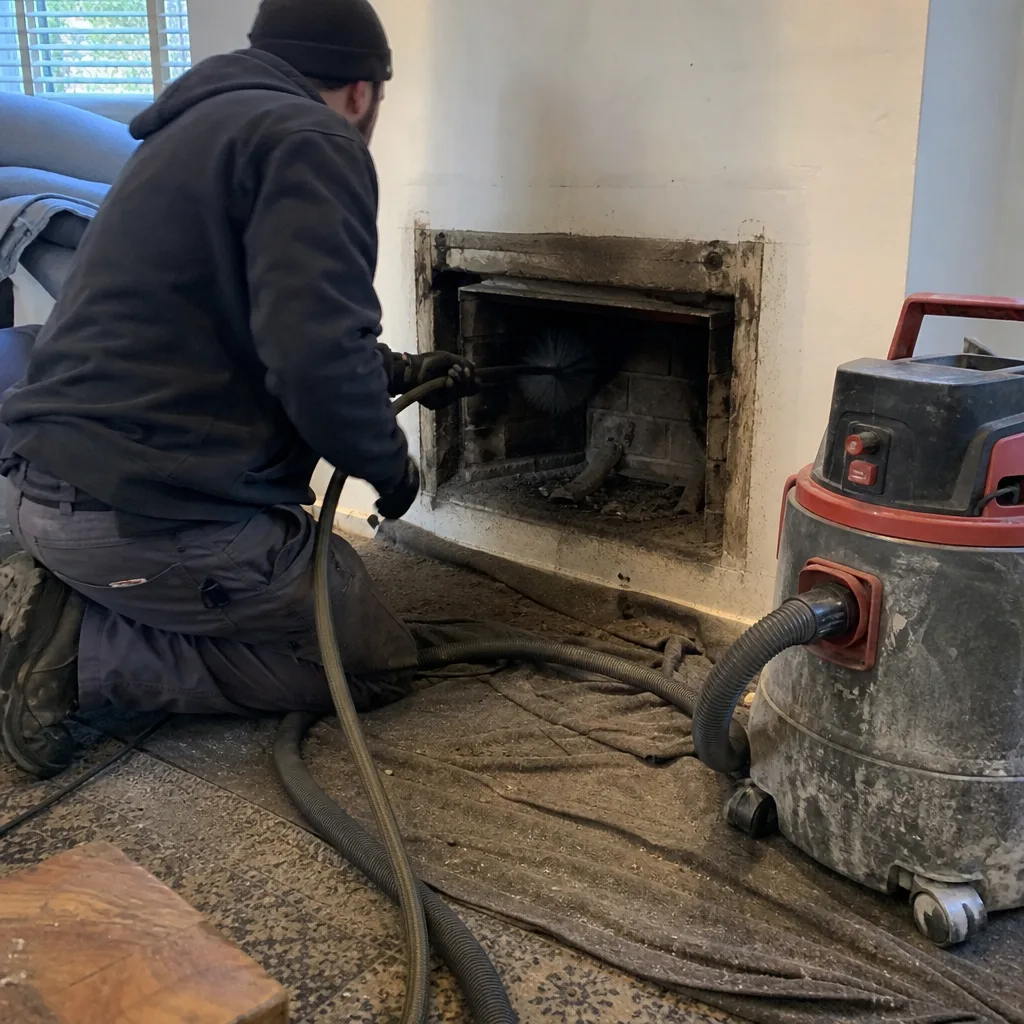 Before
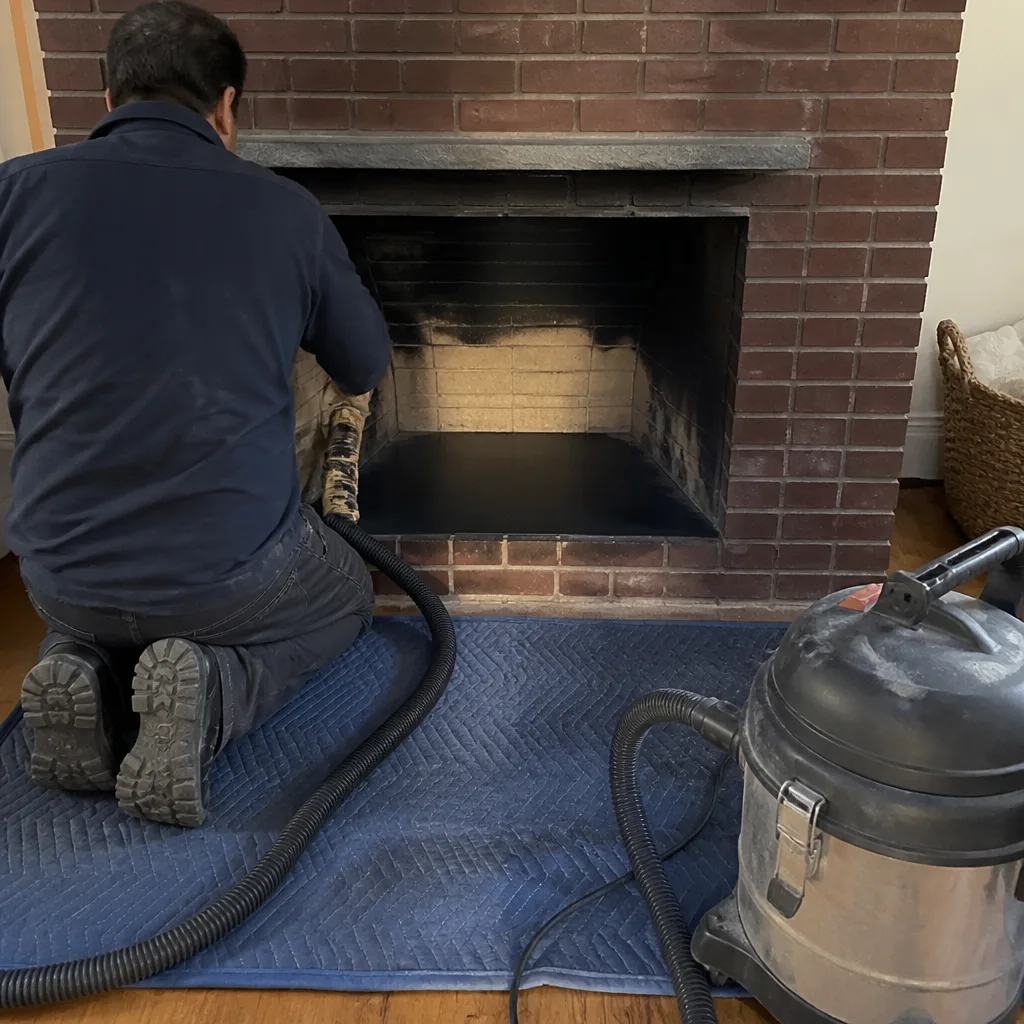 After
After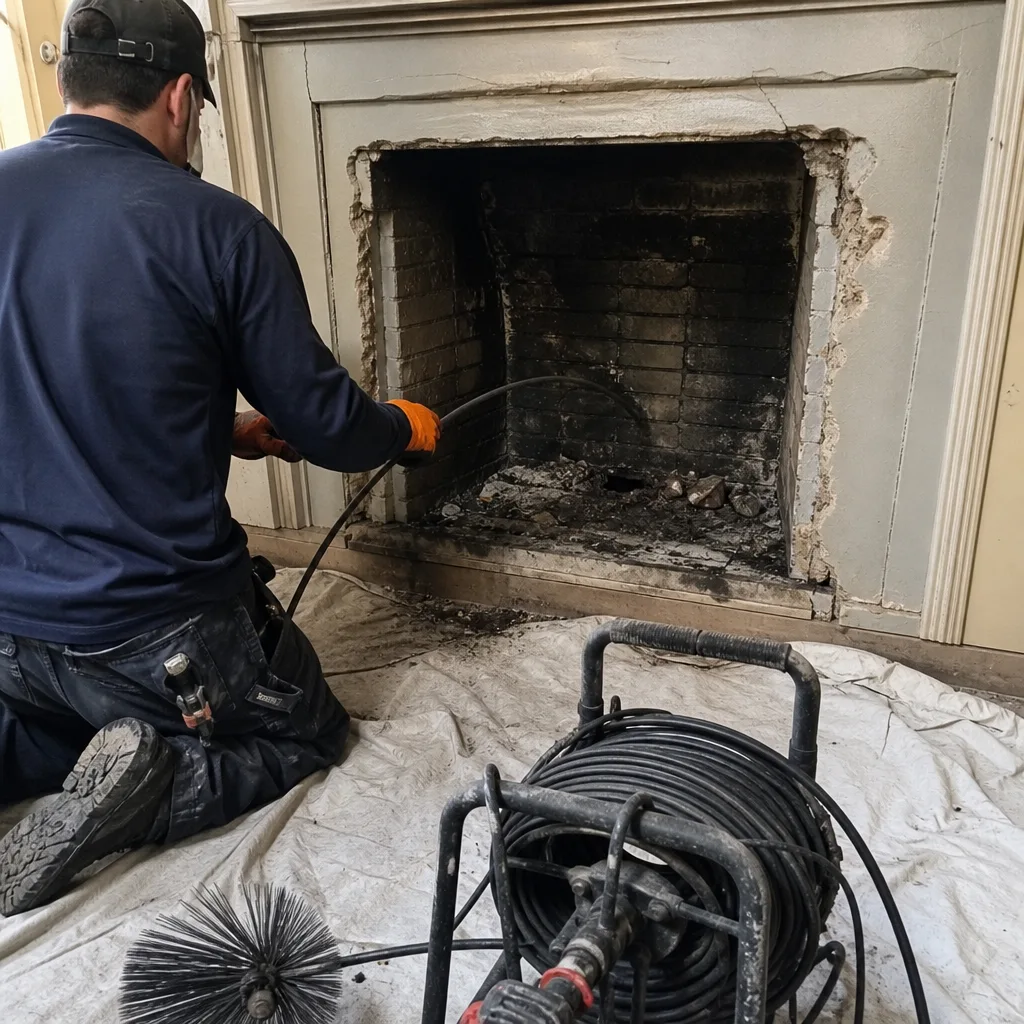 Before
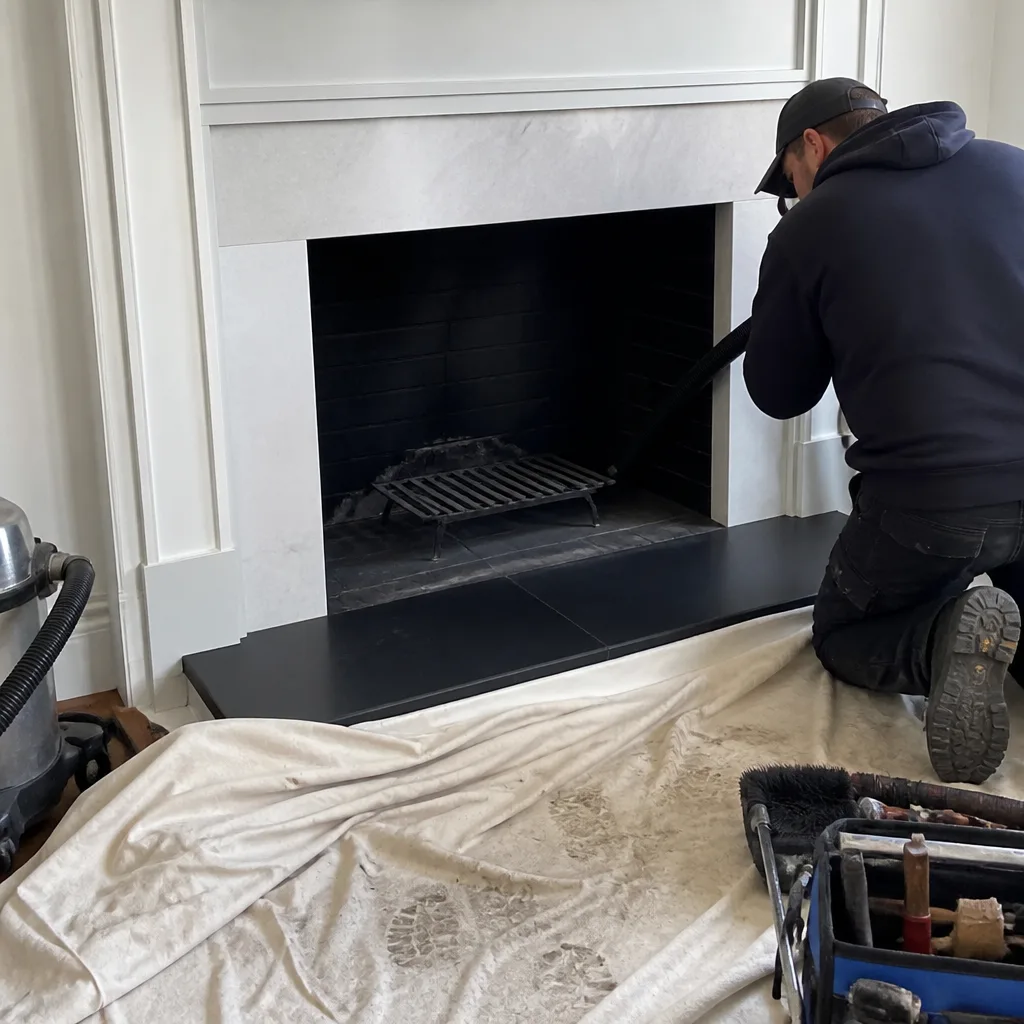 After
AfterHeatShield Chimney Cleaning & Sweep in Financial District: What to Know First
We provide independent HeatShield chimney cleaning and sweep service in Financial District, with most jobs completed in a single visit and a written price placed in your hand before any brush touches the flue. A standard HeatShield sweep in the Financial District runs $229 to $389 depending on flue condition and creosote class, and every visit includes a camera scan and photo record under Clause 4 of the Haven Standard. This page is for homeowners in the Financial District who own a HeatShield liner or HeatShield repair system and want to know what a proper cleaning looks like, what it costs, and what we check while we’re in there. Call (551) 213-4778 for a free estimate.
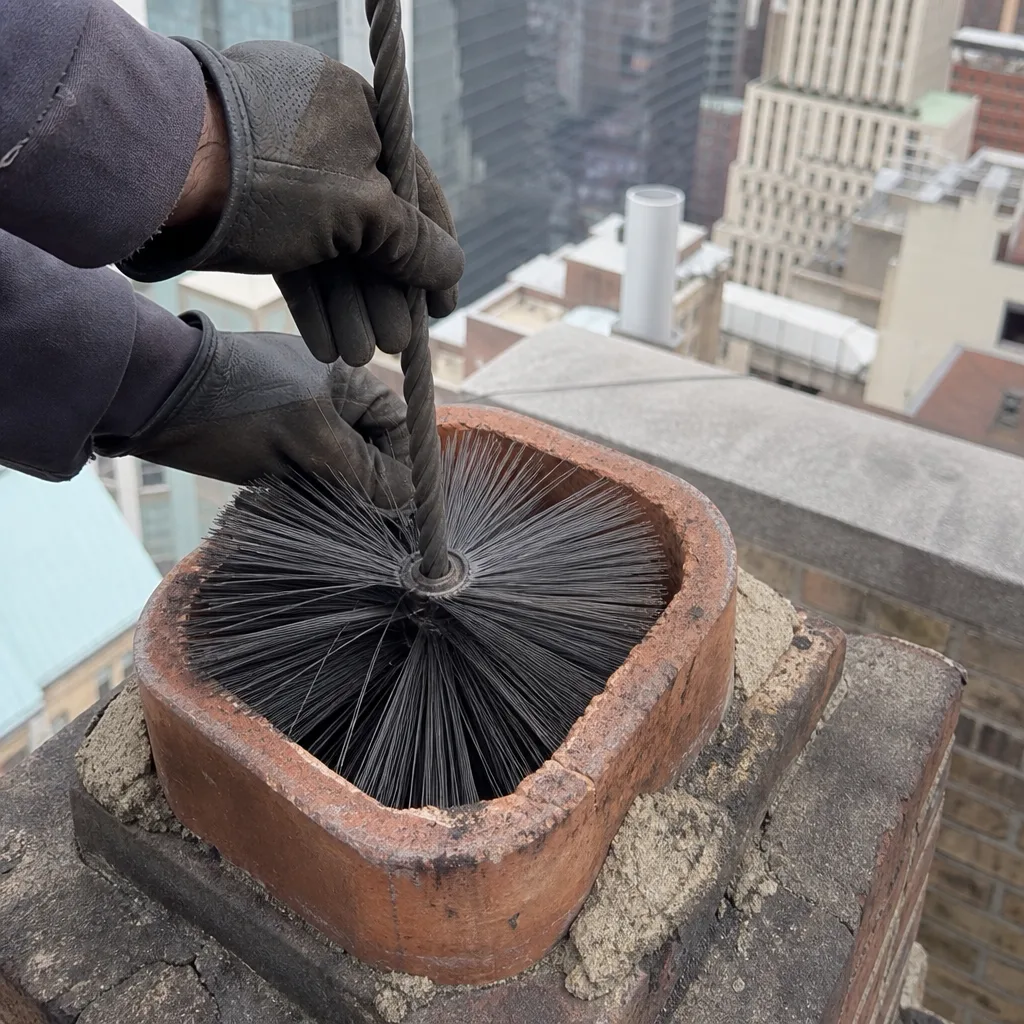
How HeatShield Products Fail - and How We Fix Them
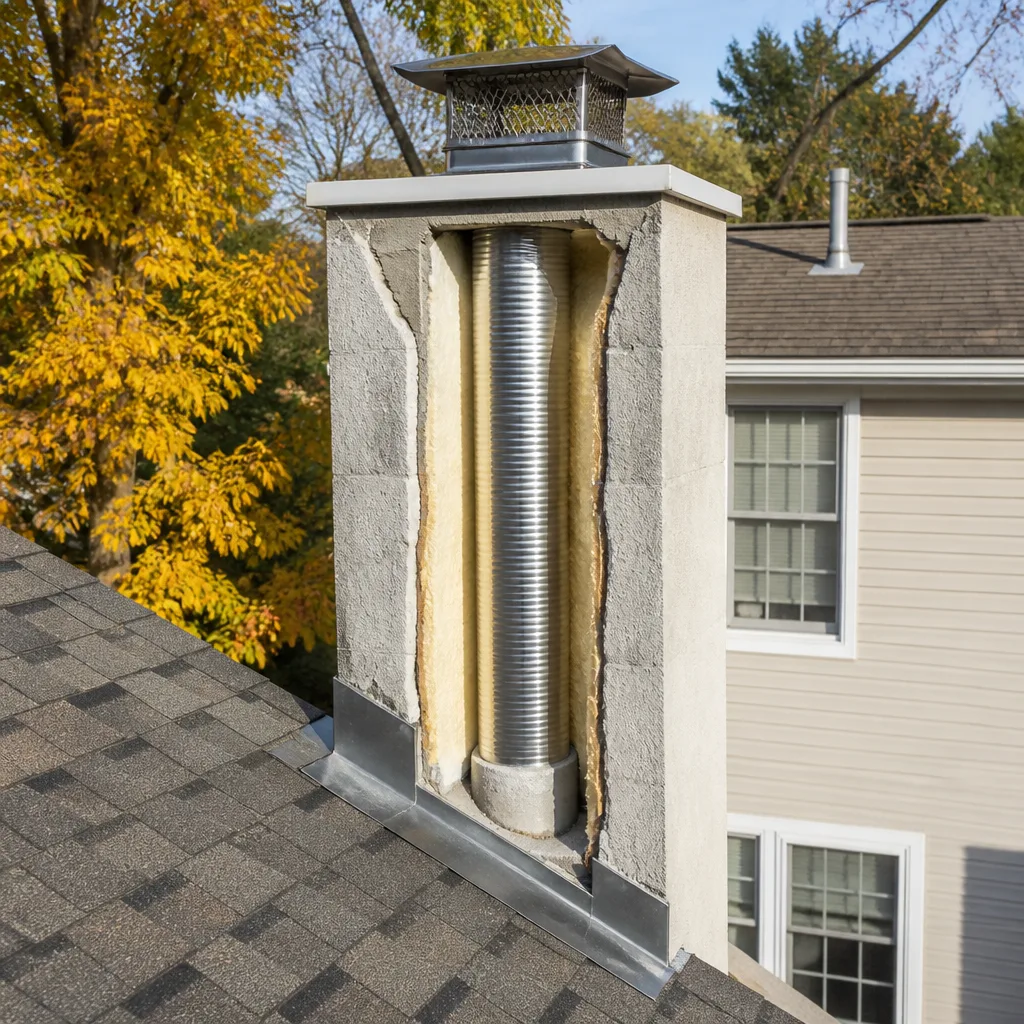
HeatShield is a cerfractory flue sealant and resurfacing system, not a rigid liner. That distinction matters when we clean it. A ceramic coating behaves differently under a brush than stainless steel does, and we treat it accordingly. Here are the specific failure modes we see in Financial District homes.
- HeatShield Cerfractory Flue Sealant spalling at the mortar joints. In older Financial District masonry stacks, the original clay tile mortar has often already begun to powder. When HeatShield is applied over deteriorating mortar joints, the coating can’t bond to a crumbling substrate. The result is small ceramic flakes shedding into the flue during cleaning. We identify this before brushing by camera-scanning the full length and noting any delamination. If the coating is sound, we sweep with a poly brush at controlled pressure. If it’s shedding, the flue needs a Level 2 inspection before any mechanical cleaning happens.
- HeatShield Joint Repair System cracking at the smoke chamber transition. The smoke chamber is where flue gases change direction, and it takes more thermal stress than any other part of the chimney. On HeatShield joint repairs near the smoke chamber shelf, we regularly see hairline cracks forming within 3 to 5 years of application. These are often invisible from the firebox. The camera finds them. If cracking is caught before it widens, the repair is a localized re-application. If left, water and creosote work into the gap and the repair fails from behind.
- Creosote adhesion to the cerfractory surface. HeatShield’s surface is slightly rougher than a stainless liner, and that texture holds creosote differently. We see Class II creosote accumulate faster on HeatShield-coated flues than on smooth rigid liners, especially in shallow-firebox fireplaces that never get hot enough to fully burn off volatiles. That means a HeatShield flue may need an annual sweep where a stainless liner might stretch to 18 months. We note baseline creosote class on every visit so you can see the trend in writing.
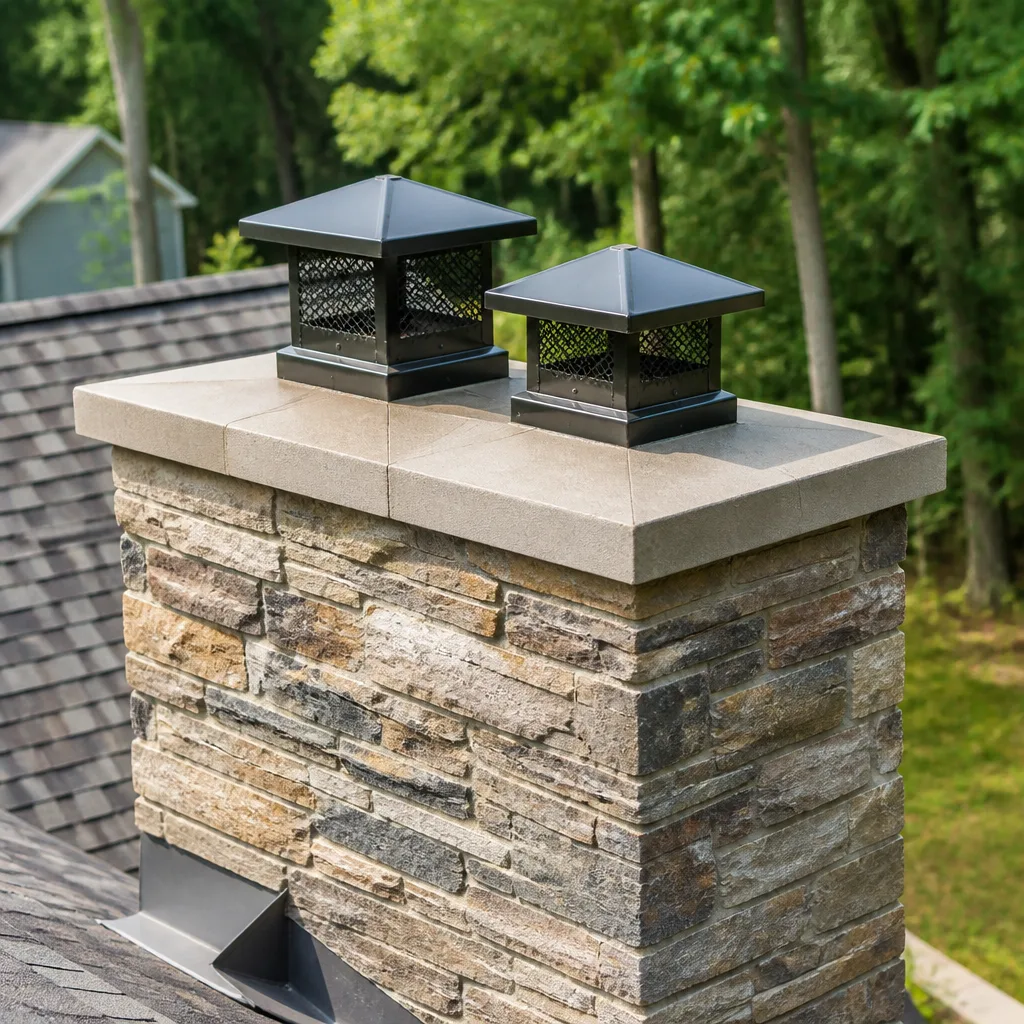
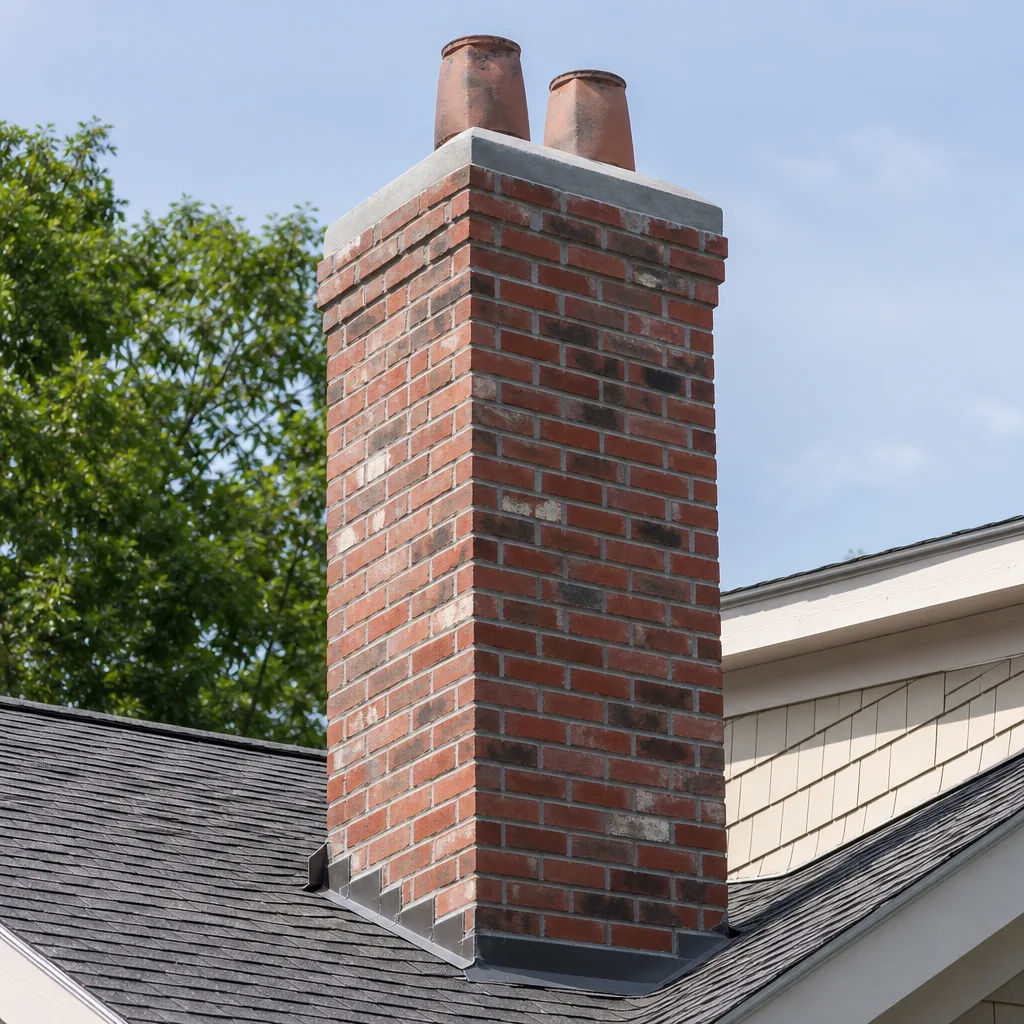
- Water entry around the crown allowing wash-down behind the HeatShield coat. This is the one people miss. The Flue Sealant is a coating on the inside of the flue. It is not waterproofing for the masonry around it. In the Financial District, where rain drives hard off the harbor and freeze-thaw cycles hit older brick, water gets in through a cracked crown and runs down between the flue tile and the masonry. That water can’t always escape, and it attacks the HeatShield bond from the outside. We check crown integrity and flashing on every cleaning visit. If the crown is cracked, we tell you plainly, with photos, because no flue coating will hold up if the water keeps coming.
- Improperly re-lined offsets in older Financial District buildings. Many converted loft buildings and prewar walk-ups in the Financial District have chimneys with unusual offsets and narrow flue runs. HeatShield was sometimes originally chosen because a rigid liner wouldn’t navigate the offset. When we camera those runs, we often find the cerfractory is fine, but the offset corbel joints were never smoothed before coating, leaving ledges that trap soot and create secondary creosote buildup. We identify those ledges on camera and note which ones can be cleaned safely and which need resurfacing before the next heating season.
Our HeatShield Chimney Cleaning & Sweep Process
Every HeatShield job we do in the Financial District follows the same six steps, and the customer knows the price before step three begins.
- 1
Call and book. You reach a live person at (551) 213-4778. We schedule a visit, assign a named technician, and send a text when they’re on the way. There’s no dispatch window guessing.
- 2
Level 2 camera scan first. Before anyone touches a brush, a camera goes down the flue. We’re looking at the HeatShield surface, the liner joints, the crown, and the smoke chamber. You see the footage on our screen as we go.
- 3
Written price before work starts. Based on what the camera shows, we write the scope and price. No estimate over the phone. No added charges after the fact. Clause 1 of the Haven Standard requires a written price, written scope, and written warranty delivered before we start.
- 4
The sweep. We use poly brushes matched to the flue dimensions and a HEPA vacuum at the firebox. On HeatShield-coated flues, we never use wire brushes. Cerfractory is a ceramic material; a steel brush can score it. We clean the flue, smoke chamber, damper assembly, and firebox.
- 5
Photo record and findings report. After the sweep, the camera goes back down. You get before and after photos, a written creosote class reading, and a note on anything we saw that changes your maintenance interval. This is Clause 4, and it’s included on every visit, not an add-on.
- 6
The 365-Day Done Right Promise. If we missed something or the work wasn’t done right, we make it right within a year. It’s stamped on the job record. No fine print about what counts.
BeforeAfterWhat HeatShield Chimney Cleaning & Sweep Costs in Financial District
Here are the real numbers for the Financial District, in writing, the way we quote every job.
| Service | Price Range | What’s Included |
|---|---|---|
| HeatShield flue sweep, no major creosote | $229 – $289 | Camera scan, sweep, firebox clean, photo record, written findings |
| HeatShield flue sweep with moderate Class II creosote | $289 – $349 | Everything above plus additional brush passes and creosote removal time |
| HeatShield flue sweep with heavy Class III creosote | $349 – $389 | Everything above plus multiple passes, possible smoke chamber treatment, longer camera review |
| Annual maintenance visit on a HeatShield flue | $229 flat | Camera scan, sweep, photo record, written report, no upsell |
What moves the price is what the camera finds: creosote class, flue length, access difficulty in older Financial District buildings, and whether we need roof access through a bulkhead or a fire escape. You’ll know the exact number before work starts. Call (551) 213-4778 for a free estimate. We put the price in writing.
Why Financial District Homeowners Call Level Two Chimney Financial District for HeatShield Work
We’ve inspected and cleaned more than 38,000 chimneys since 2009, and every one of them got a written price before work started and a documented photo record when the work was done. That’s not a marketing line. It’s an operating rule. Corrine Halstead, our owner, trained at Apex Technical School in Queens and spent the better part of two decades working chimneys across Manhattan, including the older masonry stacks near South Street Seaport. She knows what a HeatShield coat should look like a year in, five years in, and when it’s starting to go. The camera doesn’t guess, and neither do we.
Most of the HeatShield flues we service in the Financial District are in buildings where the alternative to a cerfractory coating was an expensive full reline. That means the stakes on a cleaning are higher: you don’t want someone with a wire brush undoing a repair you paid real money for. We’re the only chimney company in the Financial District we know of that has run photo records on every job since 2009, before insurers or regulators asked for it. If a HeatShield repair has reached the end of its useful life, we’ll tell you plainly, and we can quote the replacement using DuraFlex or Gelco materials through our buying network. Every quote is in writing. Every job is backed by the 365-Day Done Right Promise.
FAQs
No. We use poly brushes only on HeatShield cerfractory surfaces. Steel and wire brushes can score the coating. A scored HeatShield coat opens the door to moisture penetration and spalling, which is the direct opposite of what a cleaning is supposed to do. If another company tells you wire brushes are fine on HeatShield, ask them to put that in writing.
A proper annual sweep with poly brushes and a documented procedure will not void a HeatShield warranty. Leaving the flue uncleaned for years, however, creates creosote loading that can contribute to coating delamination. We don’t guess at this. Our photo record on every visit creates the documentation that protects you if a warranty claim comes up. Call (551) 213-4778 and we’ll explain what we capture and why it matters.
For most HeatShield-coated flues we service in the Financial District, once a year is right. The cerfractory surface holds slightly more creosote than a smooth stainless liner, and the shallow fireplaces common in older Financial District buildings don’t always burn hot enough to clear volatiles. If you use the fireplace seasonally rather than as a primary heat source, an 18-month interval is sometimes fine. But we need to see the creosote class before we’ll endorse a longer wait.
The camera tells us. We can’t feel it from the firebox, and neither can you. If we see spalling, hairline cracks, or wash-down staining behind the coating, we’ll show you the footage on site and give you a written finding. If the coating is sound and the only issue is creosote, we’ll say that plainly. We don’t recommend repairs that aren’t supported by the camera record.
Yes. As an independent HeatShield service provider, we’re not obligated to sell you another cerfractory application. If a HeatShield flue has failed and the underlying masonry is no longer a stable substrate, we quote a rigid liner replacement using DuraFlex or Gelco materials, with a written price before work starts. Free second opinions on any written estimate are always available. Bring us a competitor’s written quote and we’ll review it honestly.
Written by Corrine Halstead, Owner, Level Two Chimney Financial District at Level Two Chimney Financial District, serving Financial District and nearby areas.