
Level 1 sweep and inspection to the NFPA 211 annual standard - flue, crown, cap, and flashing checked and photographed
Chimney sweep logs do not sweep chimneys. They loosen some creosote - which then falls where a brush and vacuum still have to collect it.
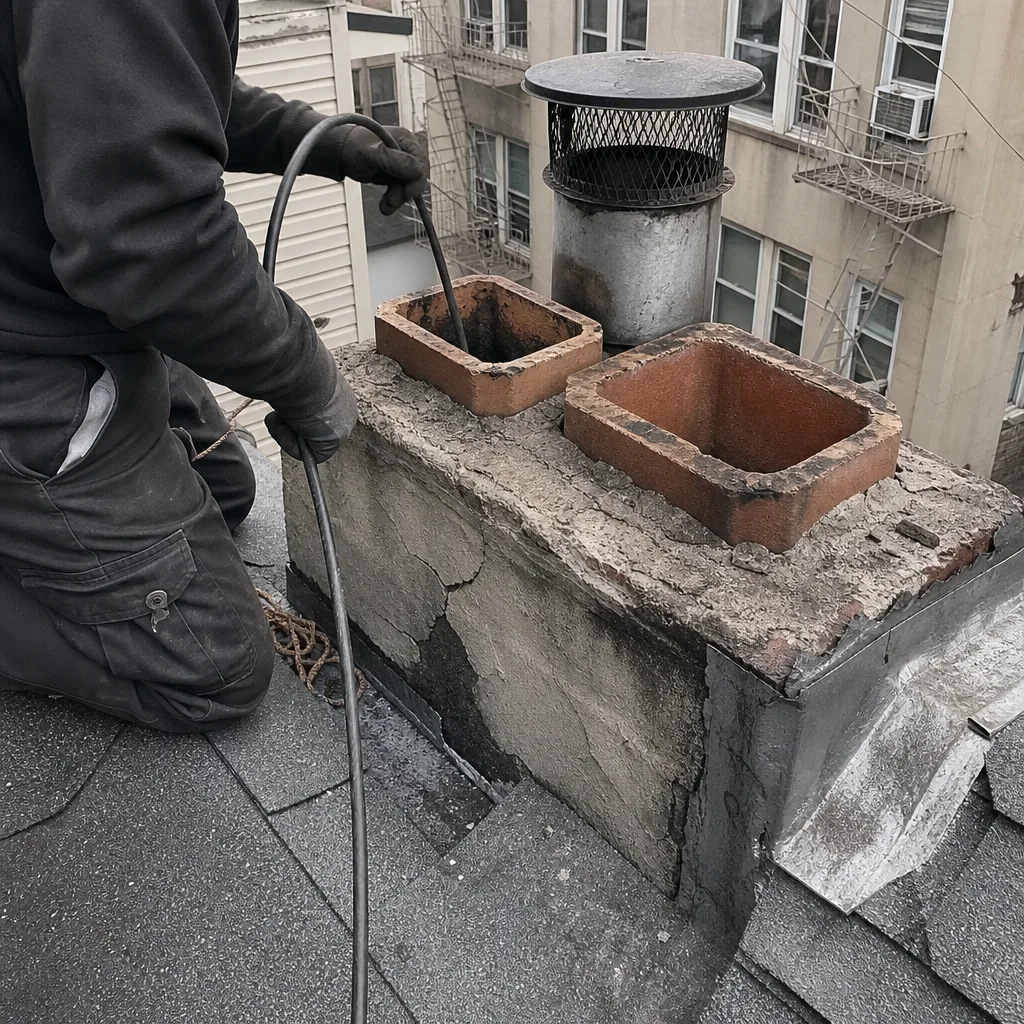 Before
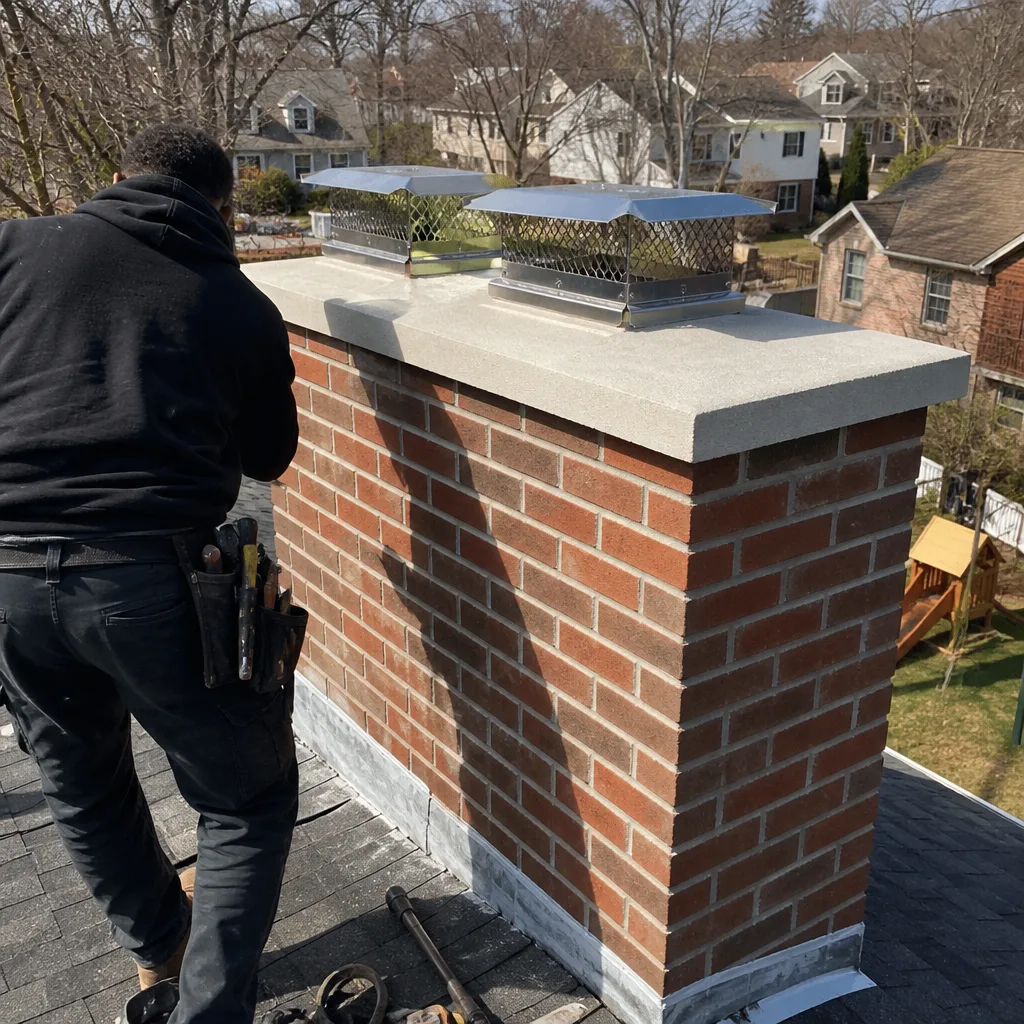 After
After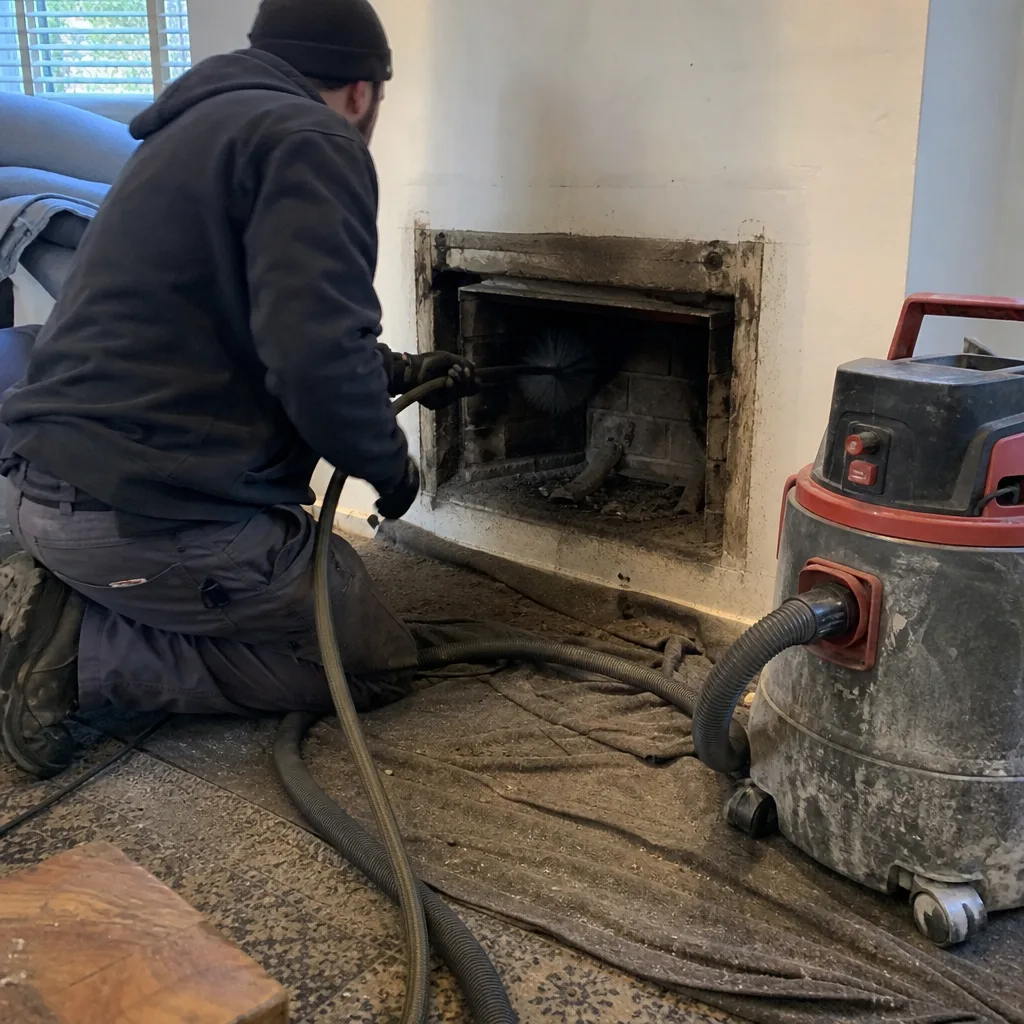 Before
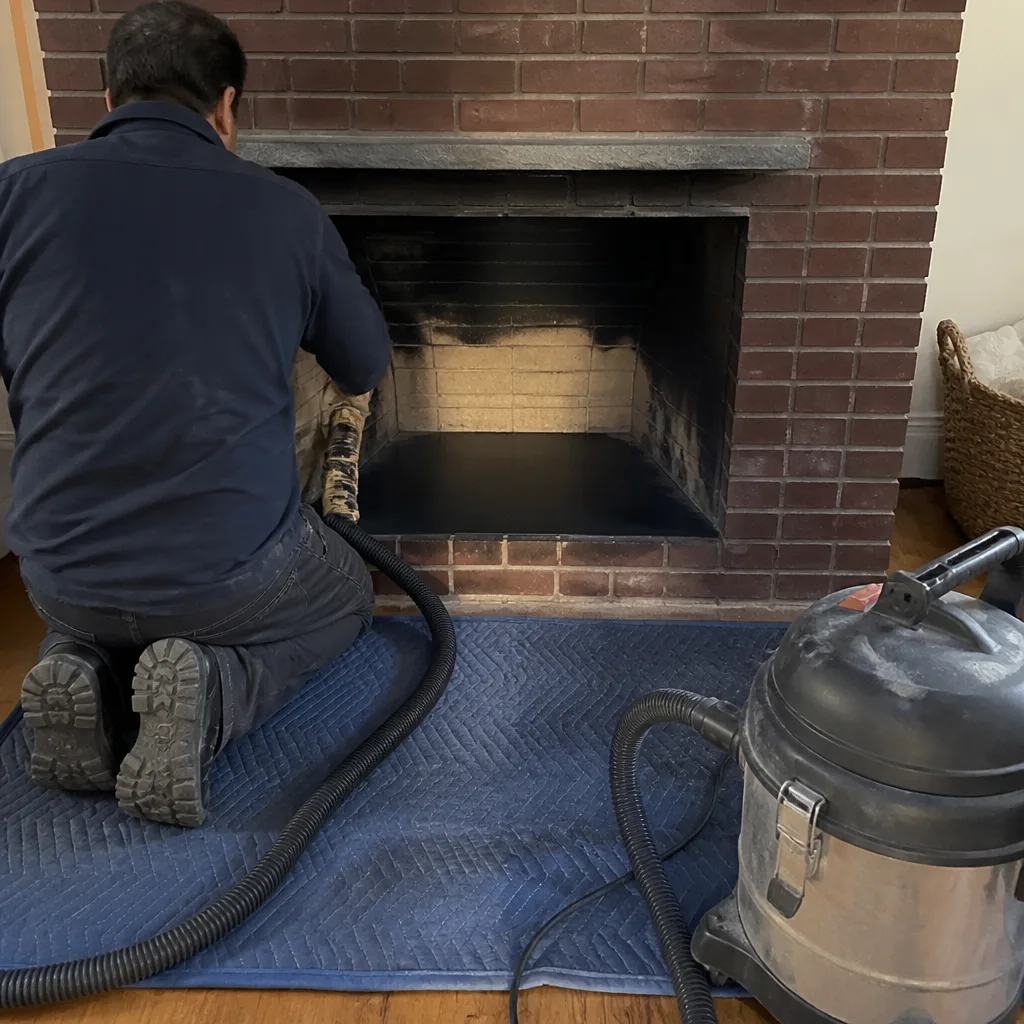 After
After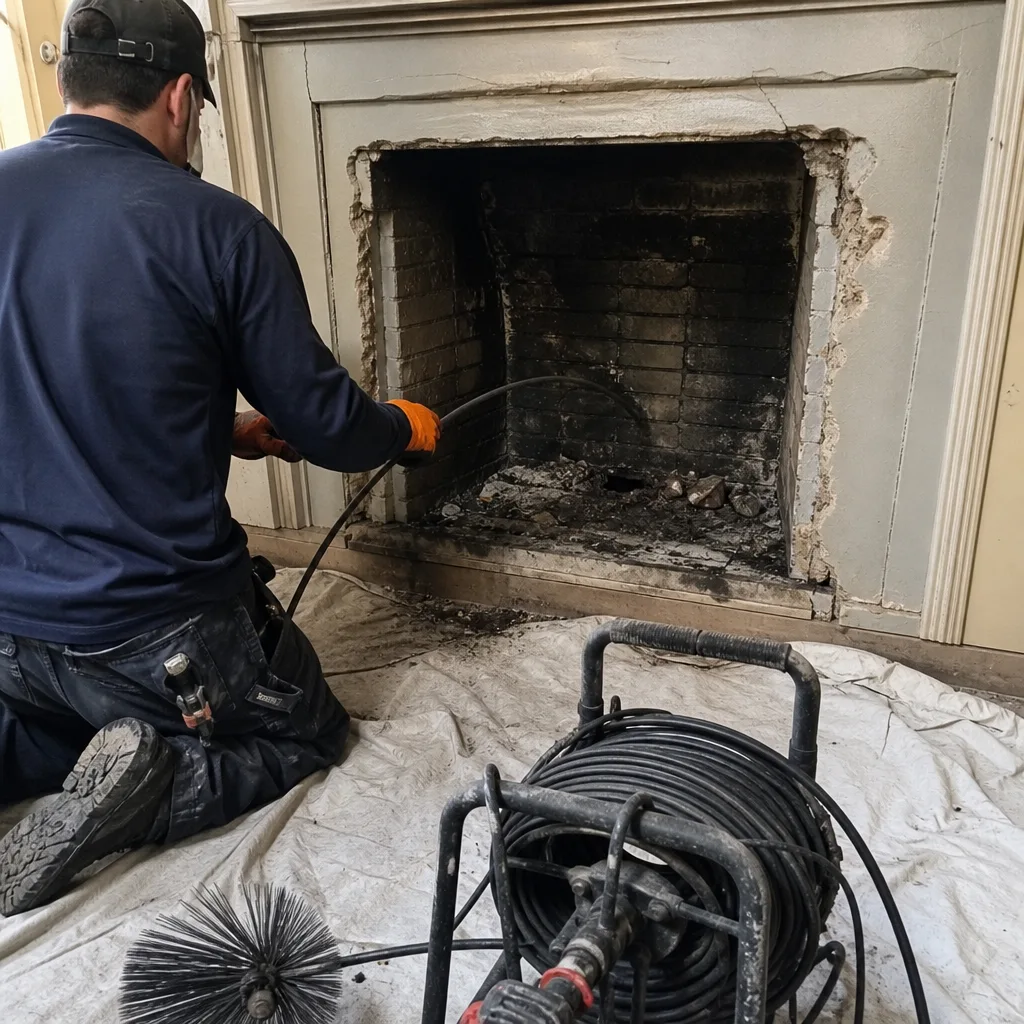 Before
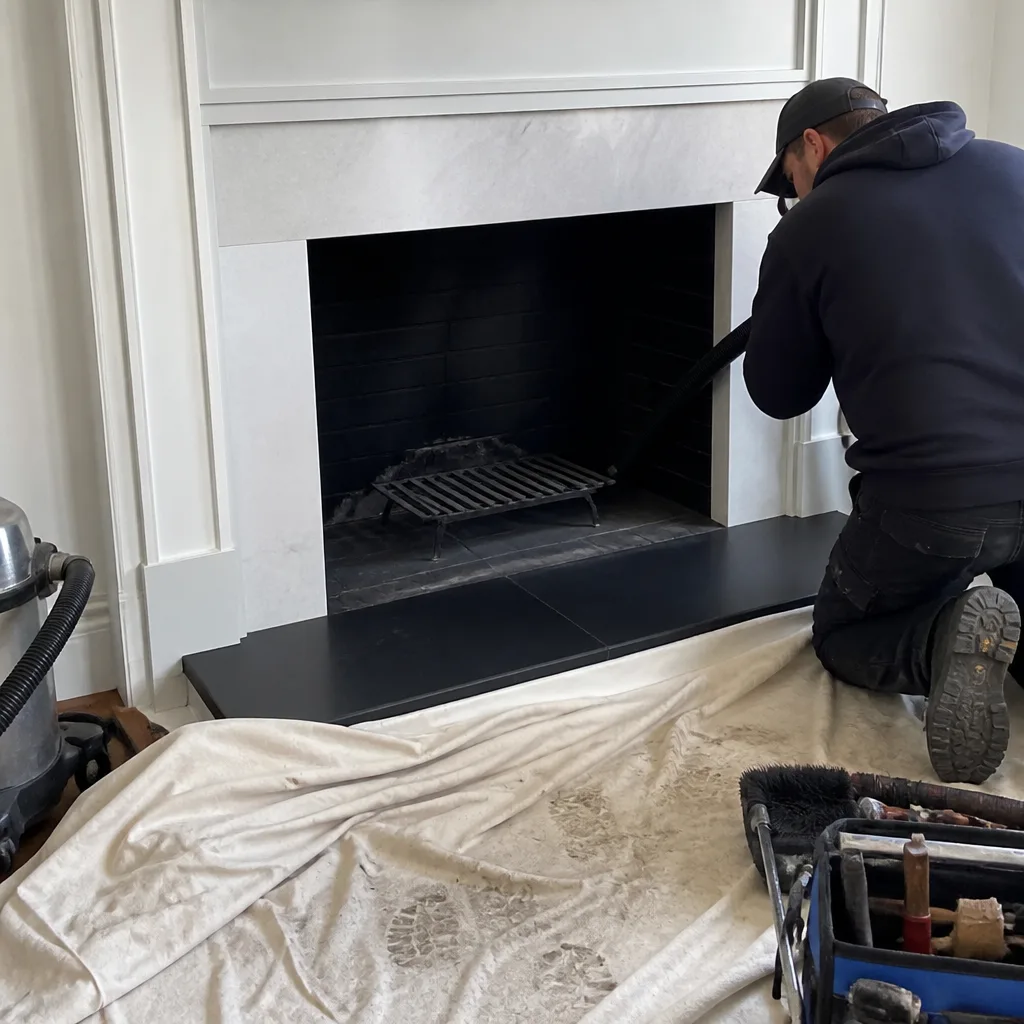 After
AfterHeatShield Chimney Repair in Financial District: What to Know First
We repair HeatShield chimney systems in Financial District, and the honest starting point is this: most HeatShield failures we see are not product defects. They’re installation gaps, moisture intrusion, or deferred maintenance that finally caught up. A typical HeatShield repair in Financial District runs $400-$2,600 depending on what our camera finds, and we’ll show you the footage before we quote a dollar. If you own a HeatShield liner and something feels off, call (551) 213-4778 and we’ll schedule a Level 2 inspection.
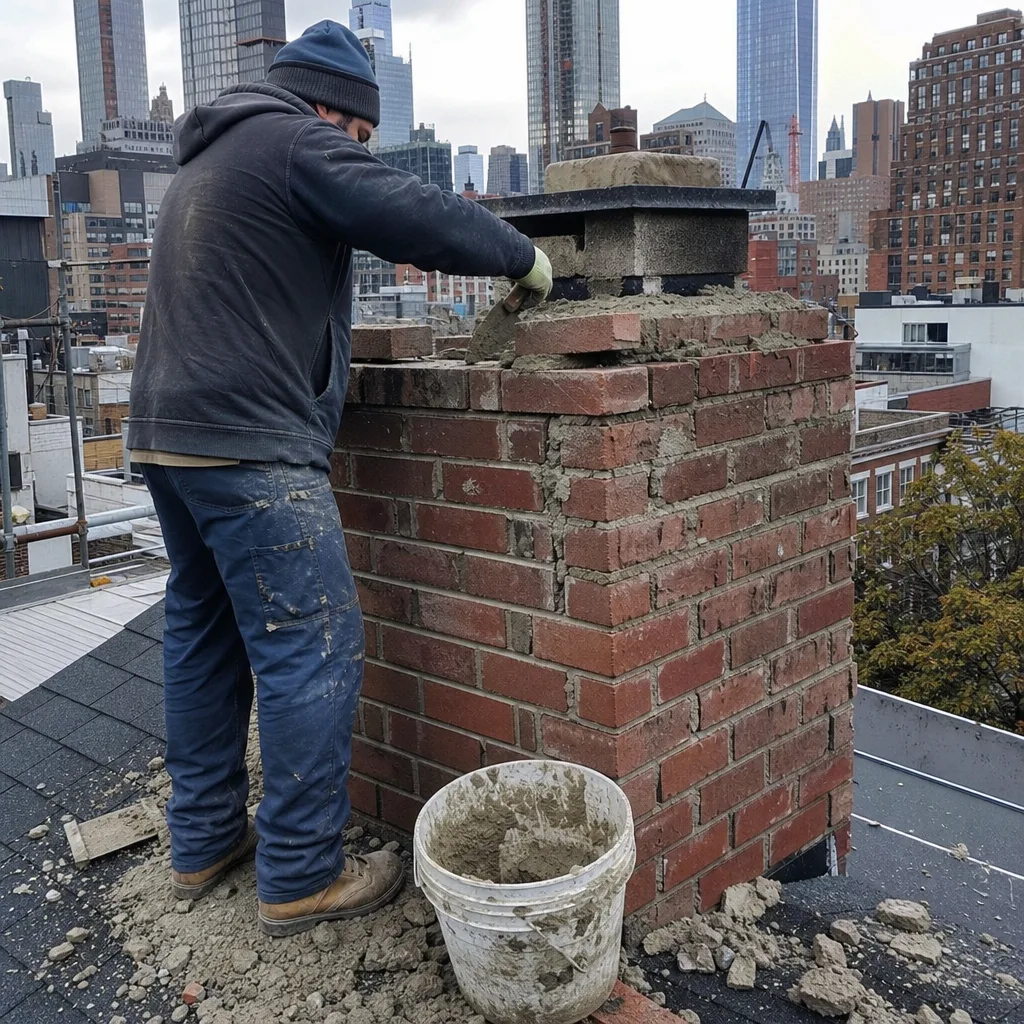
This page is for homeowners in the Financial District who have a HeatShield product in their chimney and want straight answers about what failed, what it costs, and whether it’s worth repairing or replacing. Corrine Halstead and our team have inspected and repaired HeatShield systems across Manhattan’s masonry stacks and converted loft buildings for years. As an independent HeatShield service provider, we do not represent the manufacturer and we do not get paid to recommend their products. We get paid to tell you the truth, with camera evidence to back it up.
How HeatShield Products Fail - and How We Fix Them
HeatShield makes a range of chimney repair products, but in Financial District homes we most often encounter their CeCure sleeve systems, the Joint Repair System, and their resurfacing compounds. Here’s what actually goes wrong:
- CeCure sleeve liner separation at the flue tile offset. In older Financial District buildings, flue tiles rarely align perfectly. The CeCure sleeve is designed to bridge gaps, but in stacks with a pronounced offset near the smoke shelf, the sleeve can pull away over years of thermal cycling. We see this most often in buildings constructed before 1940. The fix is relining that section and re-securing the sleeve, not replacing the whole system.
- Joint Repair System adhesive failure from moisture vapor drive. Brick chimneys in the Financial District sit close to the East River, and humidity moving through masonry can prevent the joint compound from curing properly. When it fails, you’ll see hairline cracks at mortar joints within a year or two. We address the moisture source first, then reapply, or recommend a different repair path if the masonry won’t support it.
- Resurfacing compound spalling over pre-existing creosote. HeatShield’s resurfacing products bond poorly over glazed or Class III creosote. If a previous contractor applied resurfacing without a full mechanical cleaning, chunks start flaking off within a season. The fix starts with removing the compound and the creosote under it, then reassessing whether the underlying flue is sound.
- Improperly sized CeCure sleeve causing draft restriction. A sleeve that’s too small for the appliance introduces backpressure. If you’ve noticed smoke backing into the room or a smell that lingers after a fire, this is worth checking. We measure the flue and appliance requirements against each other, then correct the configuration.
- HeatShield over a failing liner that should have been replaced. HeatShield can extend the life of a liner with minor damage, but it cannot resurrect a liner that is already spalled through in multiple places. We see this when a previous company sold a resurfacing job to avoid a replacement. Our camera will show you exactly what’s there, and we will tell you plainly if HeatShield is the wrong route. When that happens, we’ll quote you a DuraFlex or Gelco liner and explain why, in writing, with the footage to prove it.
Our HeatShield Chimney Repair Process
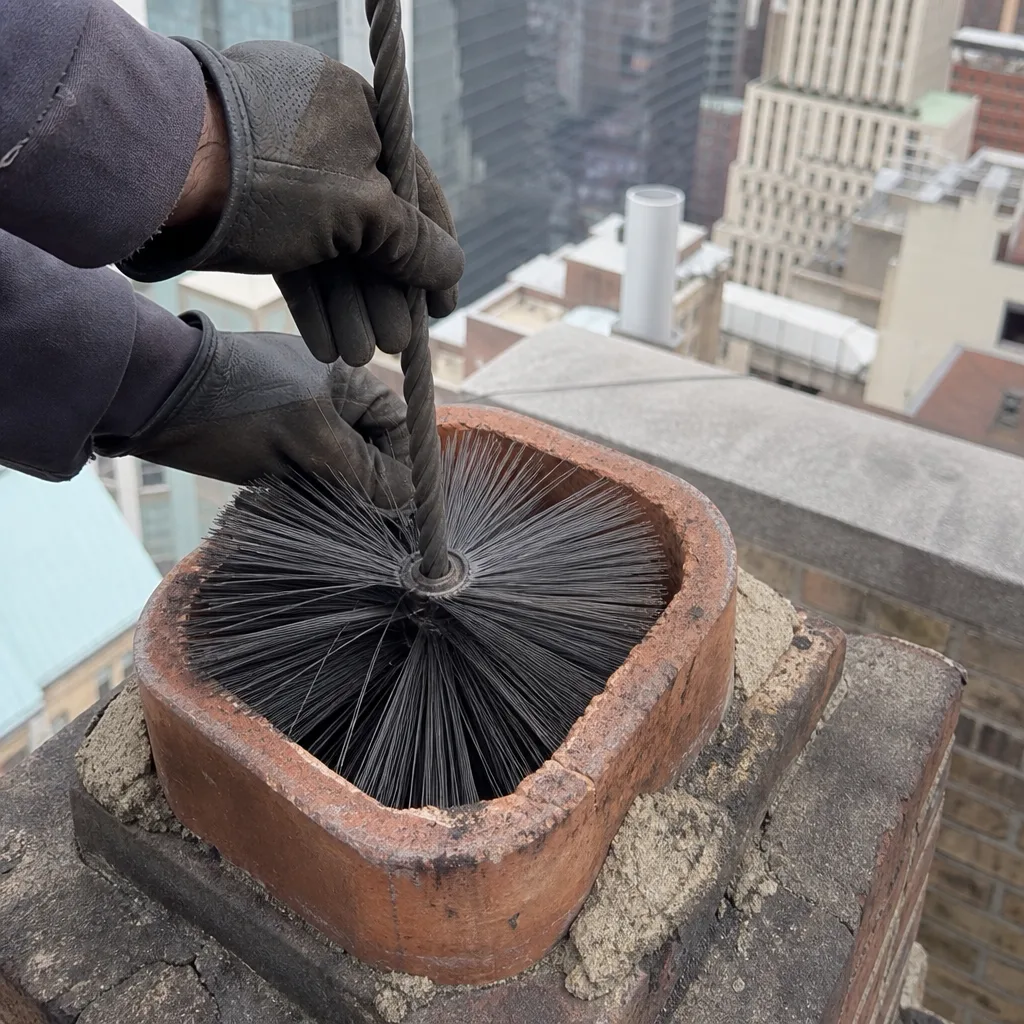
Every HeatShield job follows the same sequence. There are no shortcuts, and the camera record is built into each step.
- 1
Call and schedule. You speak to a person, day or night. We book the inspection and assign a named tech.
- 2
Level 2 camera inspection. The camera goes down the flue, top to bottom. We record the full pass and review it with you. If it’s a HeatShield system, we’re checking the sleeve, the joints, the adhesion points, and everything behind it.
- 3
Written scope and price. We tell you what the camera found, what it means, and what the repair costs. In writing. Before anything starts. Clause 1 of the Haven Standard: Have it in writing.
- 4
Parts decision. If HeatShield materials are the right call, we source them properly. If an aftermarket product from DuraFlex or Gelco does the job better or costs less without sacrificing warranty coverage, we tell you that and let you decide.
- 5
Repair. The work is done by a uniformed, background-checked technician. We document before, during, and after. Clause 4 of the Haven Standard requires a photo record on every job, and we’ve kept that archive continuously since 2009.
- 6
Test and handoff. We verify draft and run the camera once more. You leave with photos, footage, readings, and a written warranty. If it’s not done right, the 365-Day Done Right Promise says we make it right.
BeforeAfterWhat HeatShield Chimney Repair Costs in Financial District
Here are real ranges for HeatShield-related repairs in the Financial District, based on what our techs actually quote:
- Joint Repair System reapplication (small area): $400-$850
- CeCure sleeve section repair or re-securing: $900-$1,800
- Full flue resurfacing (single flue, standard two-story brownstone or converted loft): $1,800-$3,200
- HeatShield removal and liner replacement: $2,400-$5,000 depending on flue size and access
What moves the price in the Financial District: roof or scaffold access (many buildings require a hoist or ladder restriction waiver), flue length, the condition of surrounding masonry, and whether we need to remove failed HeatShield compound before we can do anything else. You get the exact number in writing after the camera inspection. Nothing gets started without it. Call (551) 213-4778 for a free inspection and written estimate.
Why Financial District Homeowners Call Level Two Chimney Financial District for HeatShield Work
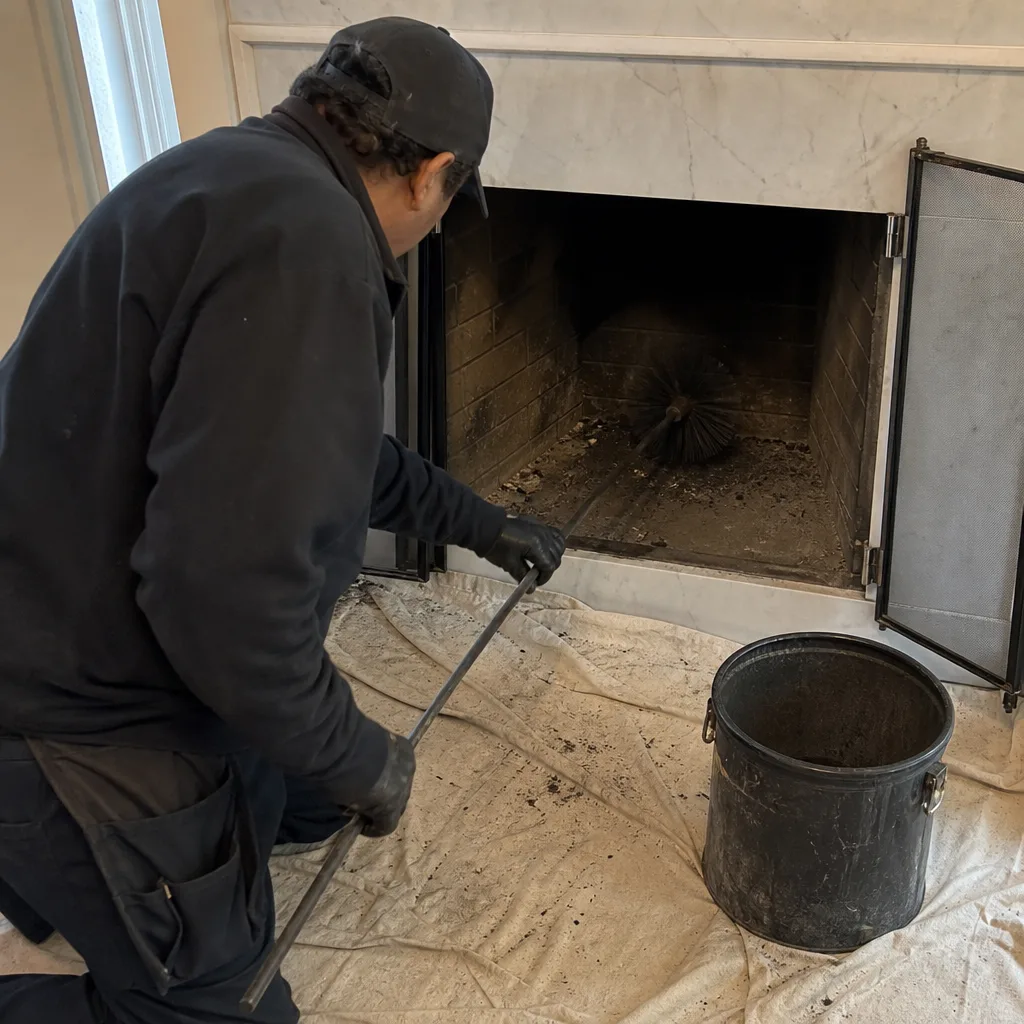
Most chimney companies in the Financial District will tell you what you want to hear. We’d rather show you what the camera found. That difference matters when someone recommends a $2,500 repair and you have no way to verify it. With us, you see the footage. You read the scope. You get the price in writing before approving a dollar.
We’ve completed more than 38,000 chimney inspections and cleanings since 2009, and every one included a written price before work started and a documented photo record when it was done. Our techs know HeatShield products, but they also know when a HeatShield repair is the wrong answer, and they’re trained on alternatives from DuraFlex and Gelco. A Free Second Opinion on any written estimate is always available. Bring us a competitor’s quote and we’ll review it honestly. No obligation, no pressure.
HeatShield Chimney Repair FAQs
Your HeatShield warranty is between you, the installer, and the manufacturer. We can inspect the work, document the failure with camera footage, and provide the evidence you need to file a claim. What we cannot do is act as an authorized warranty repair provider, since we’re an independent HeatShield service provider. If a warranty claim is the right path, we’ll tell you and help document it. If waiting on the warranty is the wrong call because the flue is actively unsafe, we’ll tell you that too. Call (551) 213-4778 and we’ll give you an honest read on which route makes sense.
When HeatShield materials are the right product for the job, we use genuine HeatShield sourced through our buying network to keep your price fair. When an aftermarket product from DuraFlex or Gelco does the same job at a better price with equivalent or better warranty coverage, we’ll lay out both options with prices in writing and let you decide. We never push one over the other for margin reasons. The camera doesn’t guess, and neither do we.
Most standard HeatShield repairs finish in one to two days. The primary delay in the Financial District is access: ladder setup on a narrow street, roof rights from a building board, or scaffold slips from the DOB. We handle the paperwork and tell you about any access issues during the estimate, before you agree to anything. No surprises.
Symptoms to watch for: flaking material in the firebox, a persistent smoke smell days after a fire, white staining or efflorescence on nearby brick, or water in the cleanout door. None of those are normal. A Level 2 camera inspection will show us exactly what’s happening, and you’ll watch the footage with us rather than taking our word for it.
A compromised liner can expose combustible materials to heat and carbon monoxide. The specific risk depends on what the camera shows. If we find damage during inspection and we tell you not to use the fireplace, it’s because the evidence says so, not because we’re trying to scare you into a sale. And if it’s safe to wait, we’ll say that plainly too.
Written by Corrine Halstead, Owner, Level Two Chimney Financial District at Level Two Chimney Financial District, serving Financial District and nearby areas.