
Level 1 sweep and inspection to the NFPA 211 annual standard - flue, crown, cap, and flashing checked and photographed
Chimney sweep logs do not sweep chimneys. They loosen some creosote - which then falls where a brush and vacuum still have to collect it.
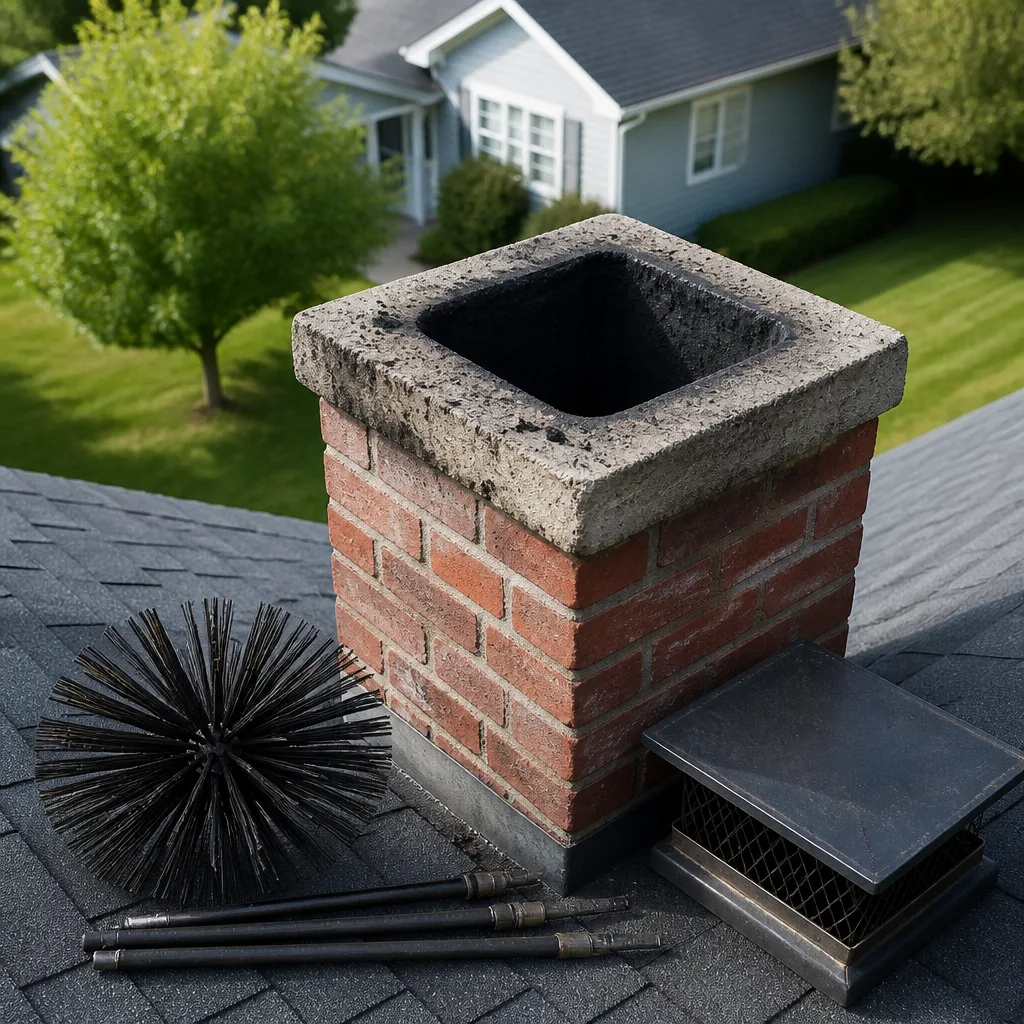
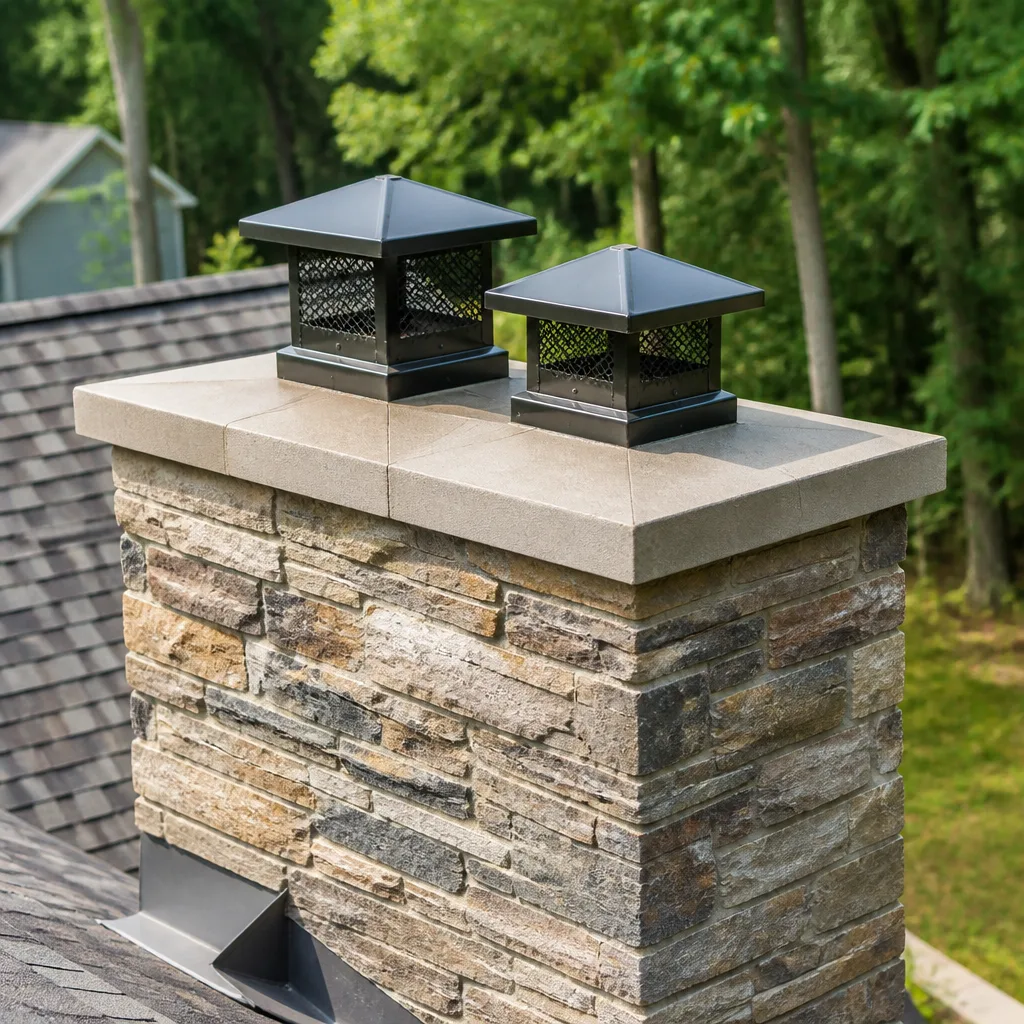
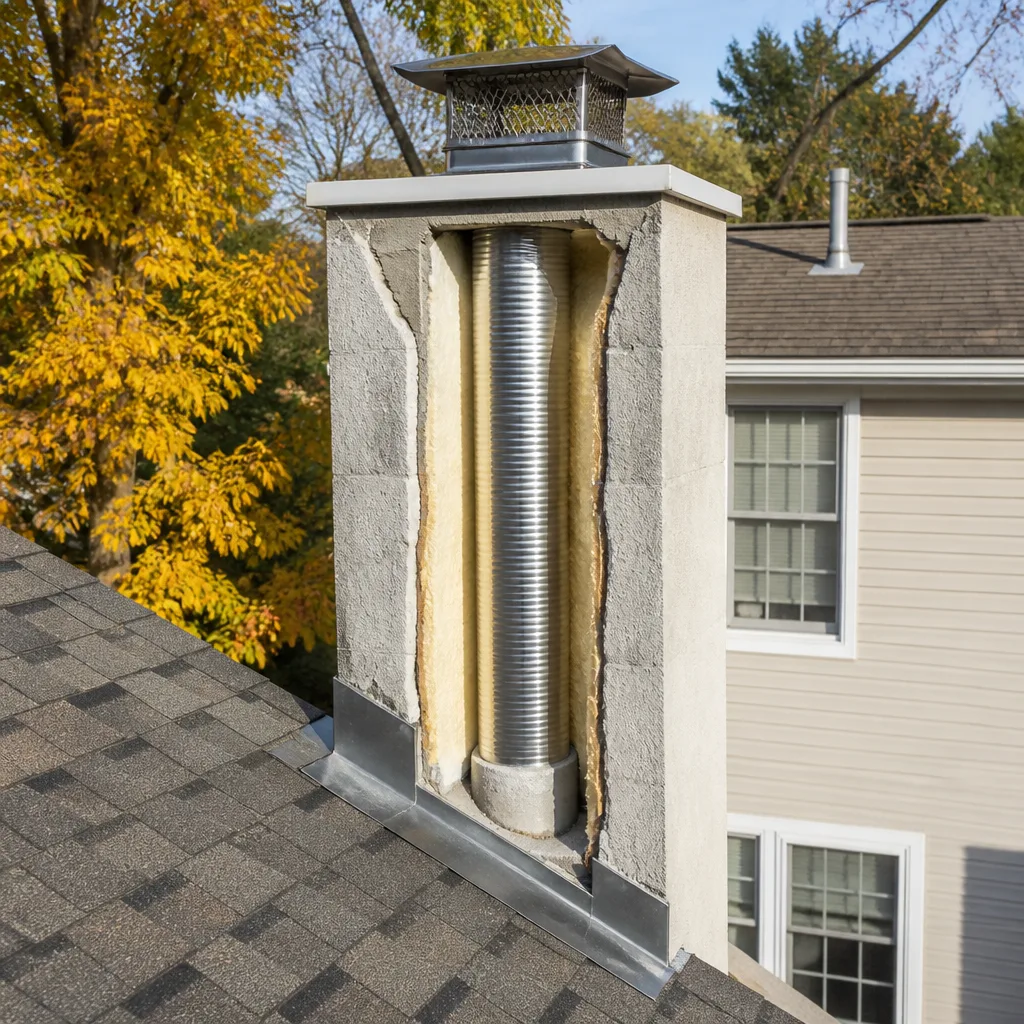
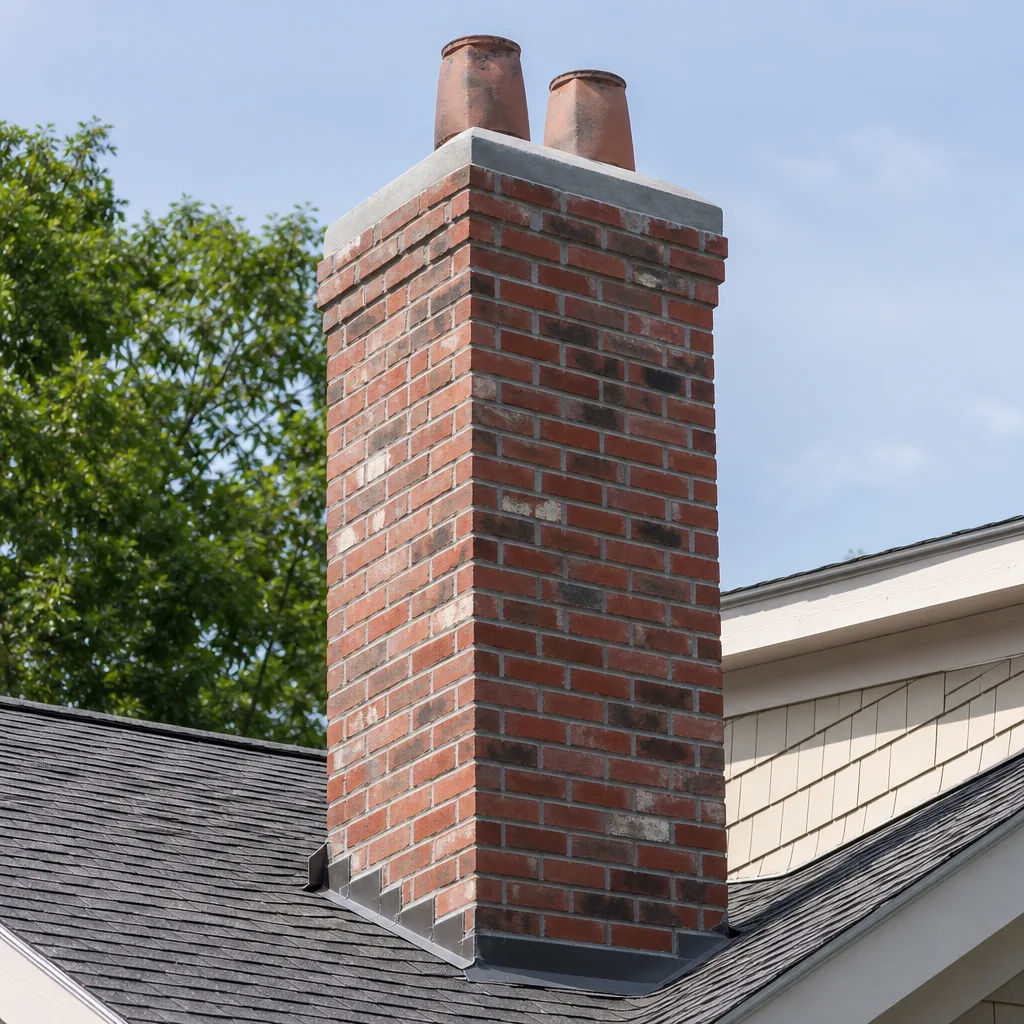
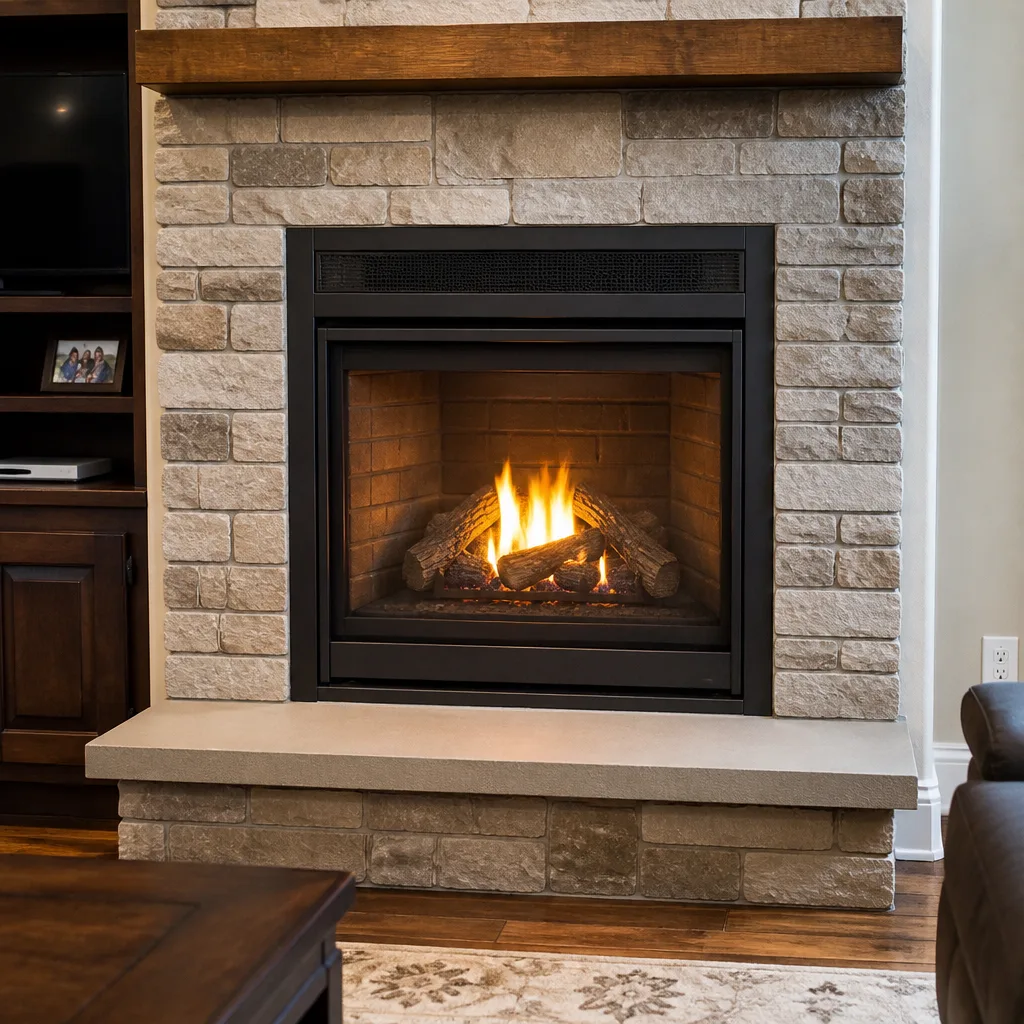
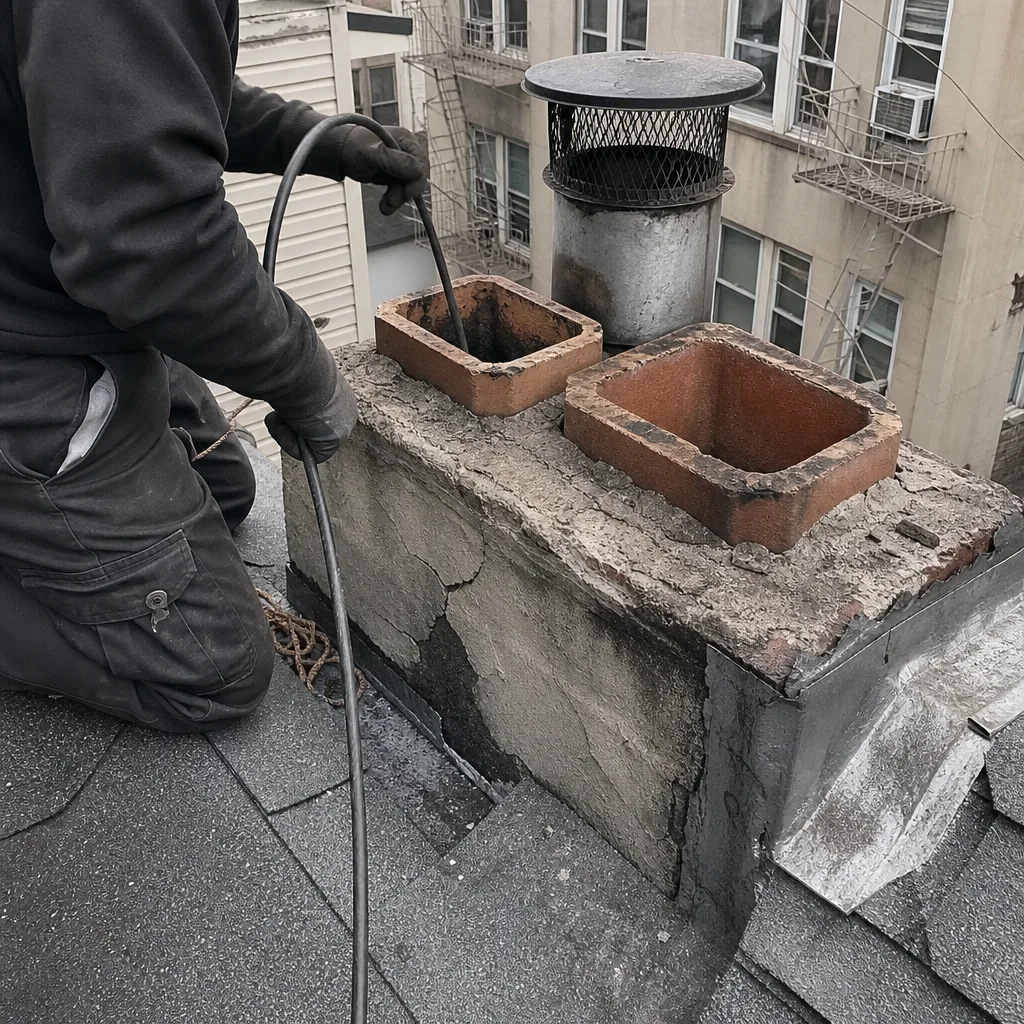 Before
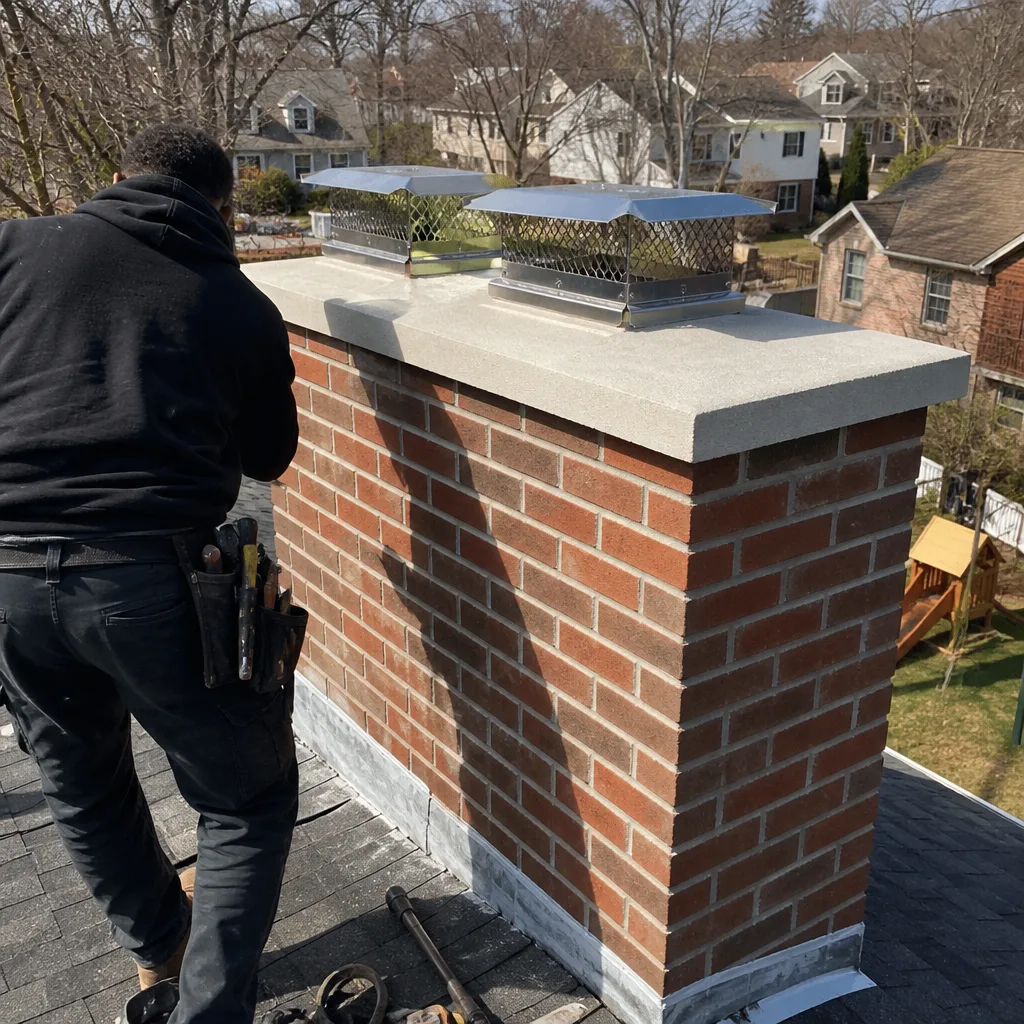 After
After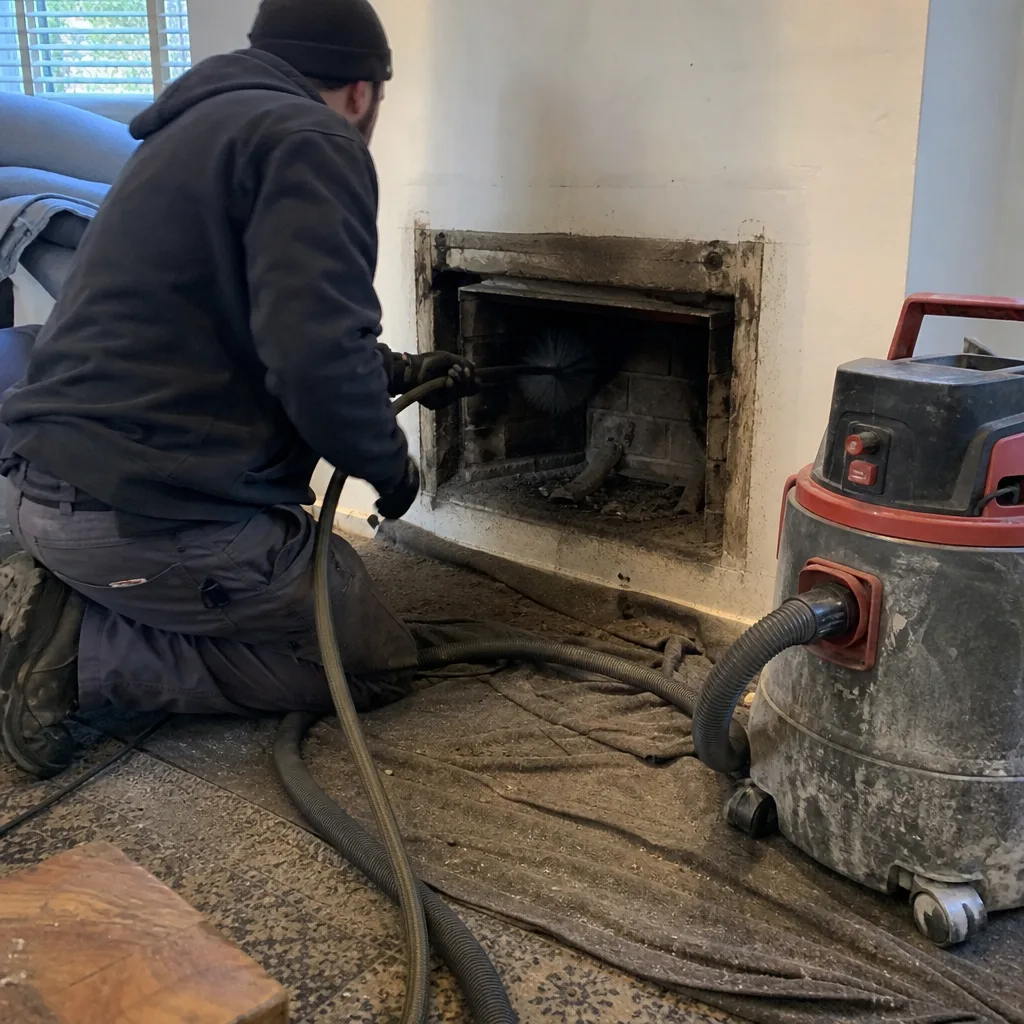 Before
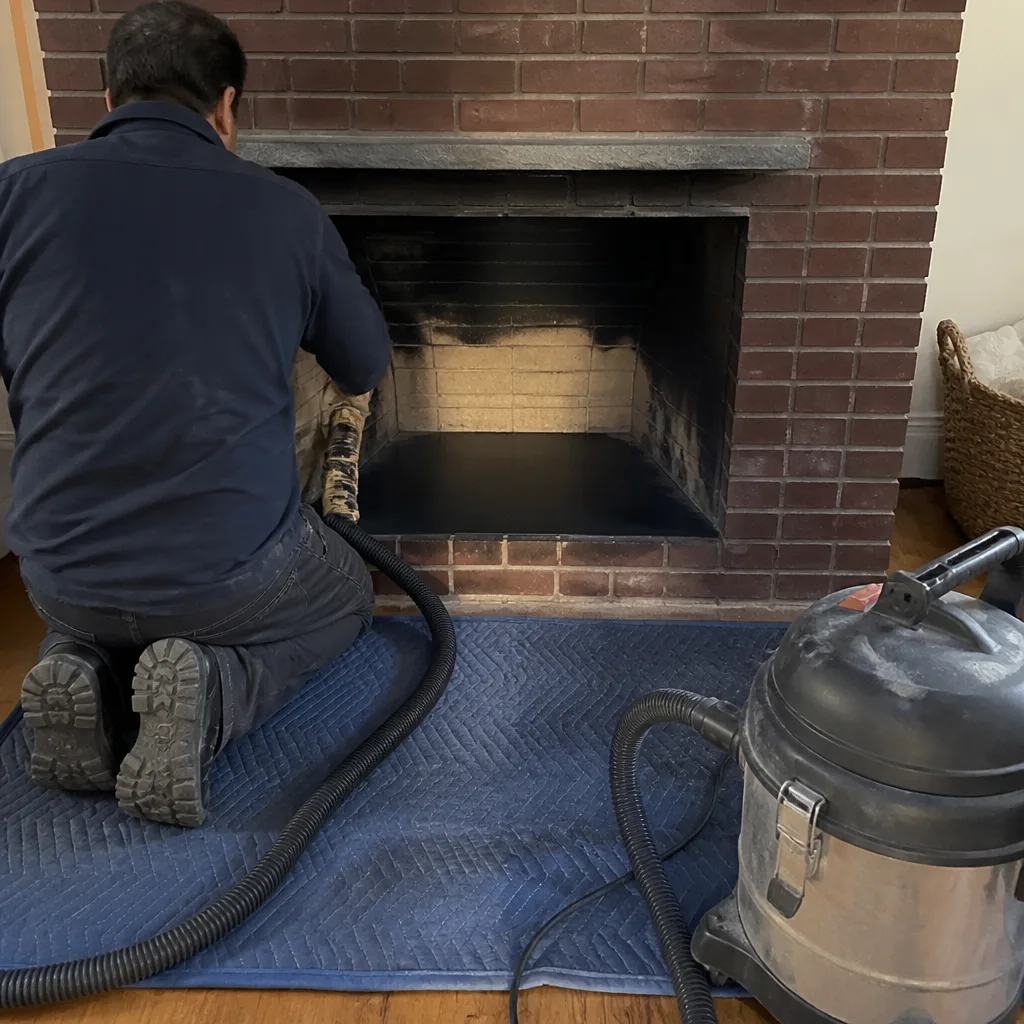 After
After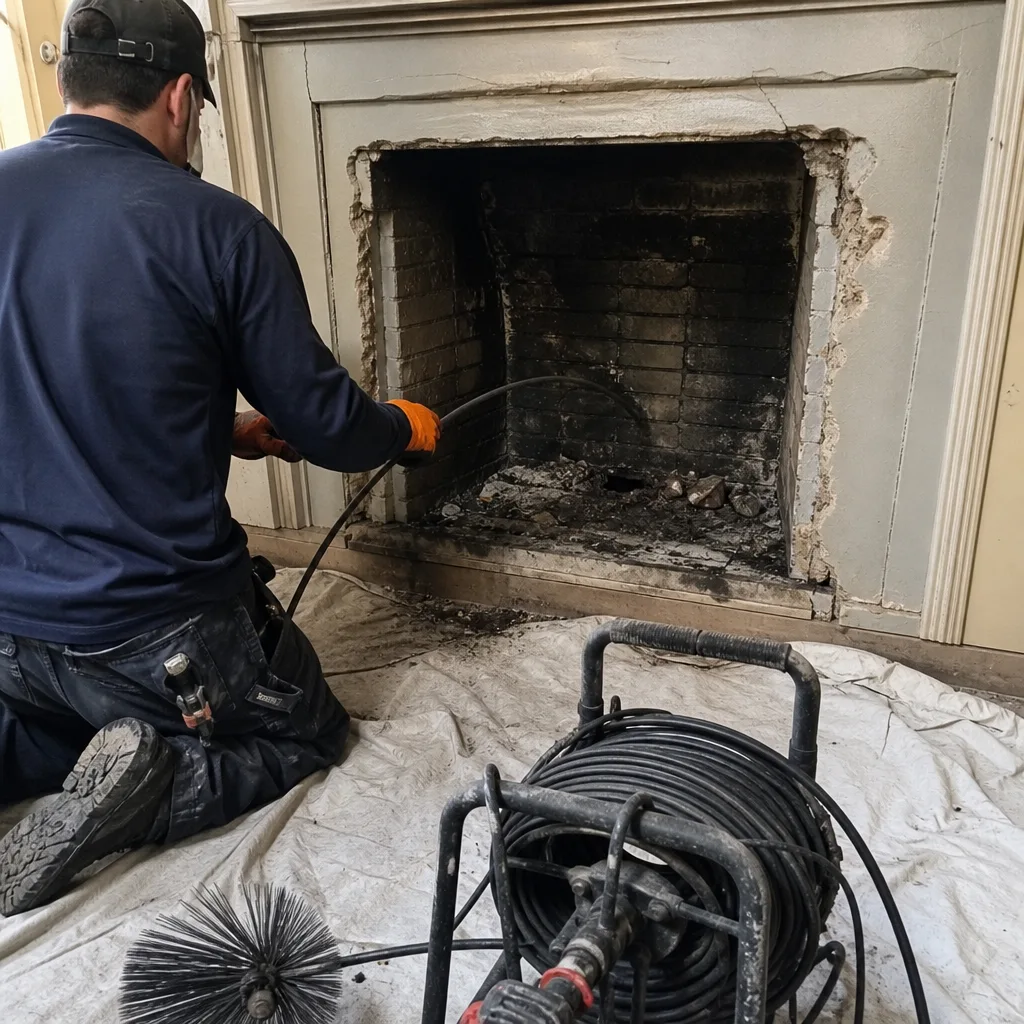 Before
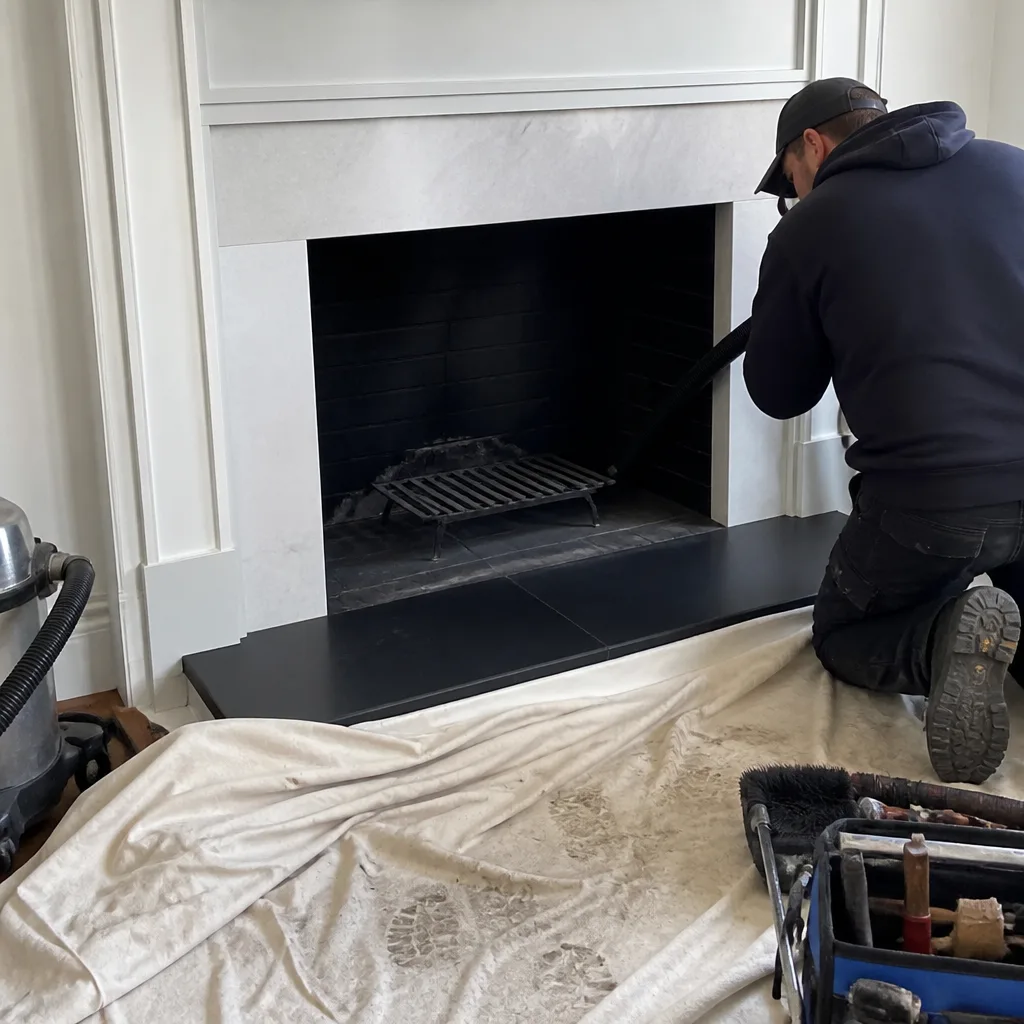 After
AfterDuraFlex Flue Liner Replacement: The Financial District Owner’s Guide
A DuraFlex flue liner replacement in the Financial District typically runs $2,400-$4,800 installed, depending on flue height, roof access, and whether the existing liner can be pulled clean or needs sectioned removal. We stock DuraFlex-compatible components on the truck and complete most single-family liner swaps in one day. The way most owners find us: they had a sweep or inspection that showed a corroded seam, a tear at the appliance connector, or water staining at the chimney base, and the camera footage tells the story before anyone recommends a dime of work.
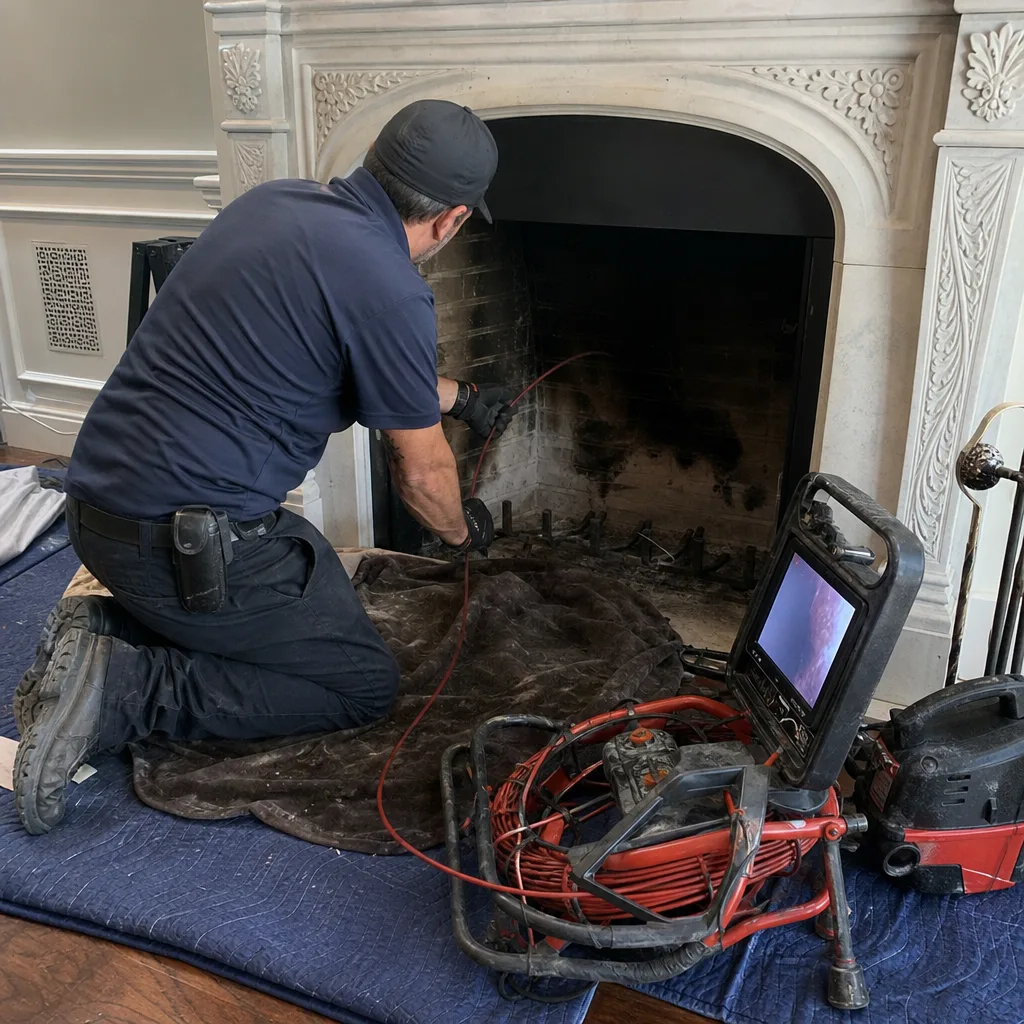
DuraFlex is the most common flexible stainless liner we see in FiDi townhouses, co-op conversions, and the older masonry stacks around South Street Seaport. The liner itself is 316L stainless, but the failure points are almost never the alloy. They’re the joints, the connector, and what the liner sits against. That matters because replacement pricing depends heavily on whether you’re fixing one segment or relining the entire run. Corrine Halstead has pulled enough of these out of prewar buildings to know that what fails first is what gets photographed first.
Key takeaways:
- We stock DuraFlex-compatible liners in 4″, 5″, 5.5″, 6″, and 8″ diameters, including ovalized sections for tight flues.
- A written price with line items for parts, labor, and access comes before any work starts. Always.
- Camera inspection is included. You see the footage. You keep the photo record.
- Most replacements are completed in one visit unless masonry repairs are needed first.
Which DuraFlex Models This Applies To
DuraFlex makes three product families we routinely service in the Financial District: DuraFlex 316L (the standard flexible smooth-wall liner), DuraFlex Pro (heavier-gauge, rated for higher temperatures), and DuraFlex SW (a smooth-wall variant with a welded seam). Each uses a slightly different lock-ring or band-clamp system, and that’s where we see a lot of misdiagnosis. A homeowner buys a generic band clamp online, it doesn’t seat against the DuraFlex collar, and six months later they have exhaust blowback into the chimney cavity.
The fastest way to identify your liner: look at the tag near the appliance connector. DuraFlex stamps the series and diameter on a metal tag about 6 to 12 inches above the appliance connector elbow. If the tag is gone, the next step is measuring the outside diameter with the liner removed from the appliance, or reading it from inspection footage. We do this during the Level 2 camera scan and note it in the written scope.
One compatibility gotcha: DuraFlex 316L and DuraFlex Pro sections do not always interchange at the coupling. The Pro series uses a thicker wall and a different crimp profile. Mixing them with non-OEM aftermarket couplings will bite you, and we’ve fixed enough of those in Financial District oil-to-gas conversions to just stock the correct DuraFlex-specific parts instead of improvising. We are an independent service provider, not affiliated with DuraFlex or M&G DuraVent; we stock their components because they’re what half of Manhattan’s flues already have, and matching OEM parts means fewer callbacks.
Signs Your DuraFlex Flue Liner Replacement Is Failing
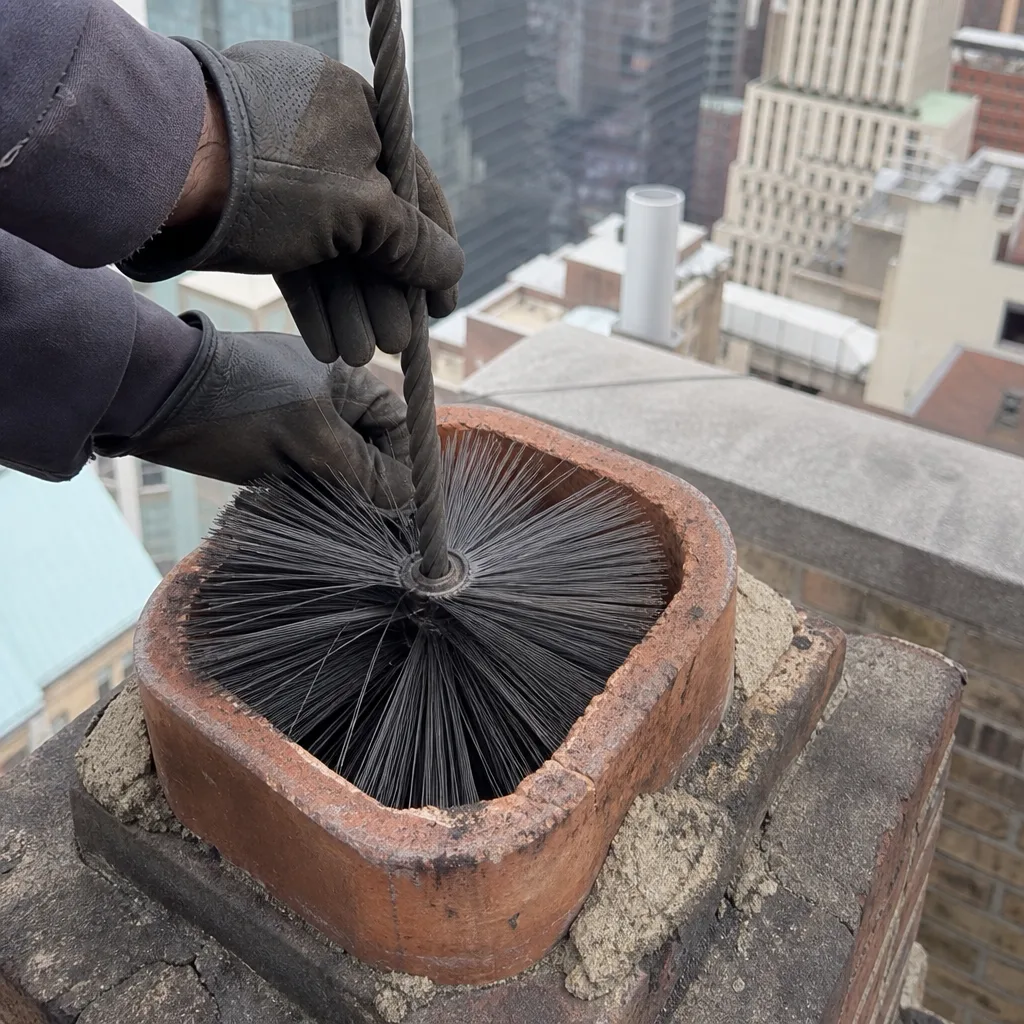
- Exhaust odor in the living space during use. This usually means a failed joint or a pinhole breach in the liner wall. The smell in the room is not the fire being charming; it’s flue gas finding a shortcut. This is a stop-using-the-appliance event until it’s scoped.
- White staining or efflorescence on the chimney exterior. Flue gas that condenses inside an unlined or breached chimney carries moisture and acids through the masonry. The white residue on brick is the masonry sweating out salts. In FiDi’s damp winters, this shows up faster than in drier parts of Manhattan.
- Debris or granules at the cleanout door. If the liner was installed without a proper tee or the cap is missing, mortar chips and liner scale collect at the base. If you can see metal flakes, the liner itself is shedding. Time to scope it.
- A rusted or separated appliance connector. This is the elbow between the furnace or boiler and the liner base. It’s the first piece to rot because it sits closest to condensation. If it’s crusted or the band clamp is loose, the fix is usually the connector and the first liner section, not the whole run.
- Water at the damper or firebox floor after rain. On a lined chimney, rainwater should run down the liner or the crown. Water inside the firebox often means a failed top plate or rain cap seal where the liner exits the crown. That’s a targeted fix, not a full reline, but it needs to be seen to be priced correctly.
BeforeAfterReplacement Cost & What’s Included
| Scope | Typical Installed Price (Financial District) |
|---|---|
| Appliance connector + first liner section only | $450-$900 |
| Partial reline (single-story flue, existing liner pullable) | $1,400-$2,200 |
| Full DuraFlex 316L reline, one-story | $2,400-$3,200 |
| Full reline, two-to-three-story masonry stack, roof access | $3,400-$4,800 |
| Full reline + crown repair + new top plate/rain cap | $4,200-$5,800 |
These ranges reflect what we actually quote in the Financial District, not a national average. Roof access drives a lot of the variance. A five-story elevator building with a roof hatch is a different job than a four-story walkup where the extension ladder has to go up a fire escape. We itemize everything: parts, labor, access, permits if the building requires them, and warranty. The written price you sign is the price you pay, and it includes the camera scan before work and the photo record after. No surprises.
DIY or Call Us?
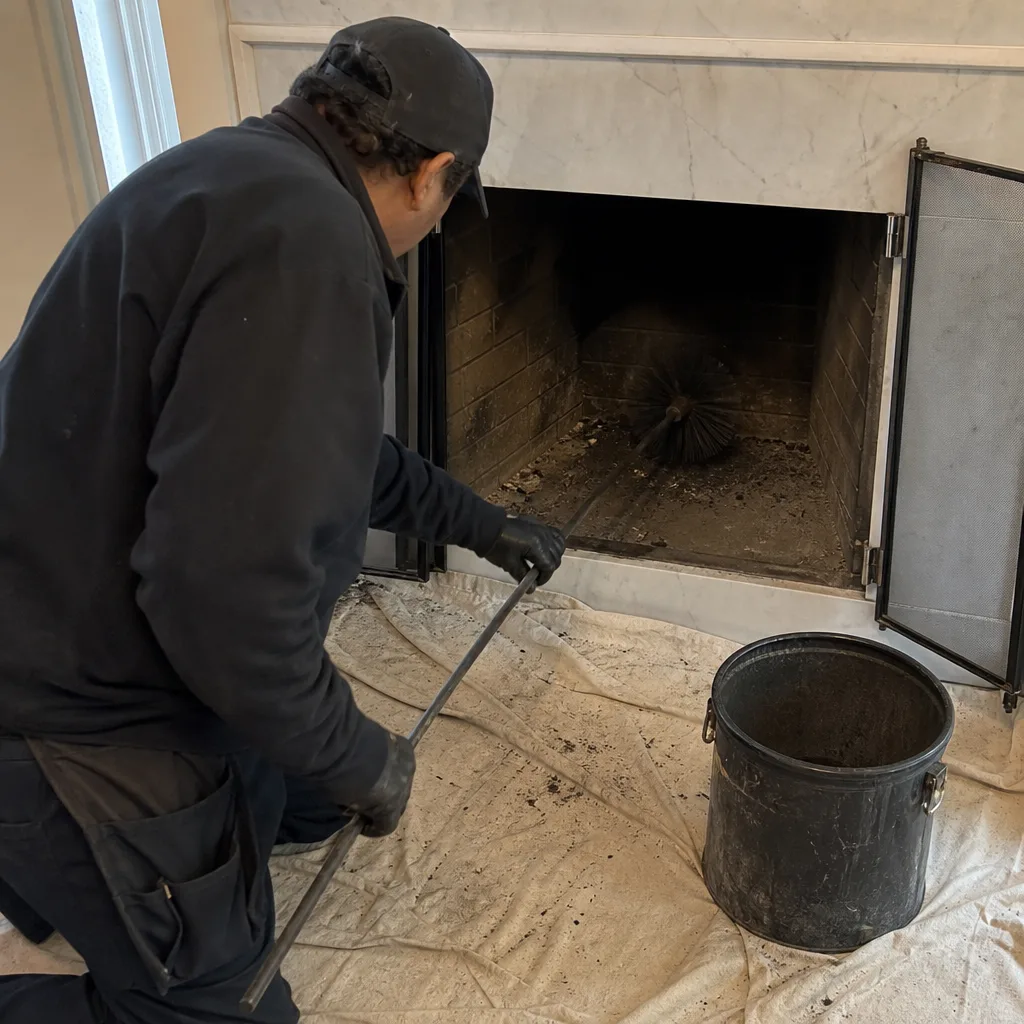
You can safely check the cleanout door, look at the appliance connector for rust, and note any odor or staining. You should absolutely not pull a liner section yourself. The liner is under tension inside the flue, and a partially removed section can kink, fall back into the chimney, or drop debris into the smoke chamber. If the liner is connected to an active gas appliance, you’re also dealing with exhaust routing that wrong answers make worse. This is one of those jobs where the risk is not just to the part. Carbon monoxide doesn’t care that you’re handy.
Our position with dangerous components is simple: if it carries exhaust, if it’s under tension, or if it’s 40 feet up on a FiDi rowhouse, we tell you to let a trained crew handle it. That’s not sales. That’s Clause 1 of the Haven Standard: the written price before the tool leaves the truck, on a job done by someone who does this every week. Call (551) 213-4778 and we’ll scope it, quote it in writing, and show you the footage before you decide anything.
FAQs
A DuraFlex 316L liner in the Financial District lasts 15-25 years on oil, and 20-30 on gas, but the connector and seals usually need attention around years 8-12 because of condensation from our damp coastal winters. The camera footage from your inspection will tell us where yours is on that curve, and a free estimate will tell you exactly what a replacement costs.
Yes, if the damage is isolated to the appliance connector, the bottom segment, or a failed clamp, we can replace just that section; if the scan shows pinholes or seam failure across multiple sections, a partial repair just means paying for the next failure later. Either way, you’ll have written pricing for both options before work starts. Call (551) 213-4778.
A typical one-story DuraFlex reline in the Financial District takes 3-5 hours including the pre-job camera scan and the post-job photo report; two- to three-story stacks with roof access go a full day. We schedule it once, show up with the liner on the truck, and you get a text when the crew is en route.
We stock DuraFlex-compatible liners in the common sizes (4″, 5″, 5.5″, 6″, 8″), plus connectors, clamps, top plates, and rain caps; we also keep HeatShield and Gelco components for repair-only jobs. If your flue needs an unusual ovalized section, it’s a one-day special order. No ‘ordering delay’ games.
The camera doesn’t guess, and neither do we. If your DuraFlex liner is showing its age or the inspection already told you so, call (551) 213-4778 for a free estimate in writing. We’ll show you the footage, name the price, and do the job right, the first time. That’s the Done Right Promise, in writing, on every job.
Written by Corrine Halstead, Owner, Level Two Chimney Financial District at Level Two Chimney Financial District, serving Financial District and nearby areas.