
Level 1 sweep and inspection to the NFPA 211 annual standard - flue, crown, cap, and flashing checked and photographed
Chimney sweep logs do not sweep chimneys. They loosen some creosote - which then falls where a brush and vacuum still have to collect it.
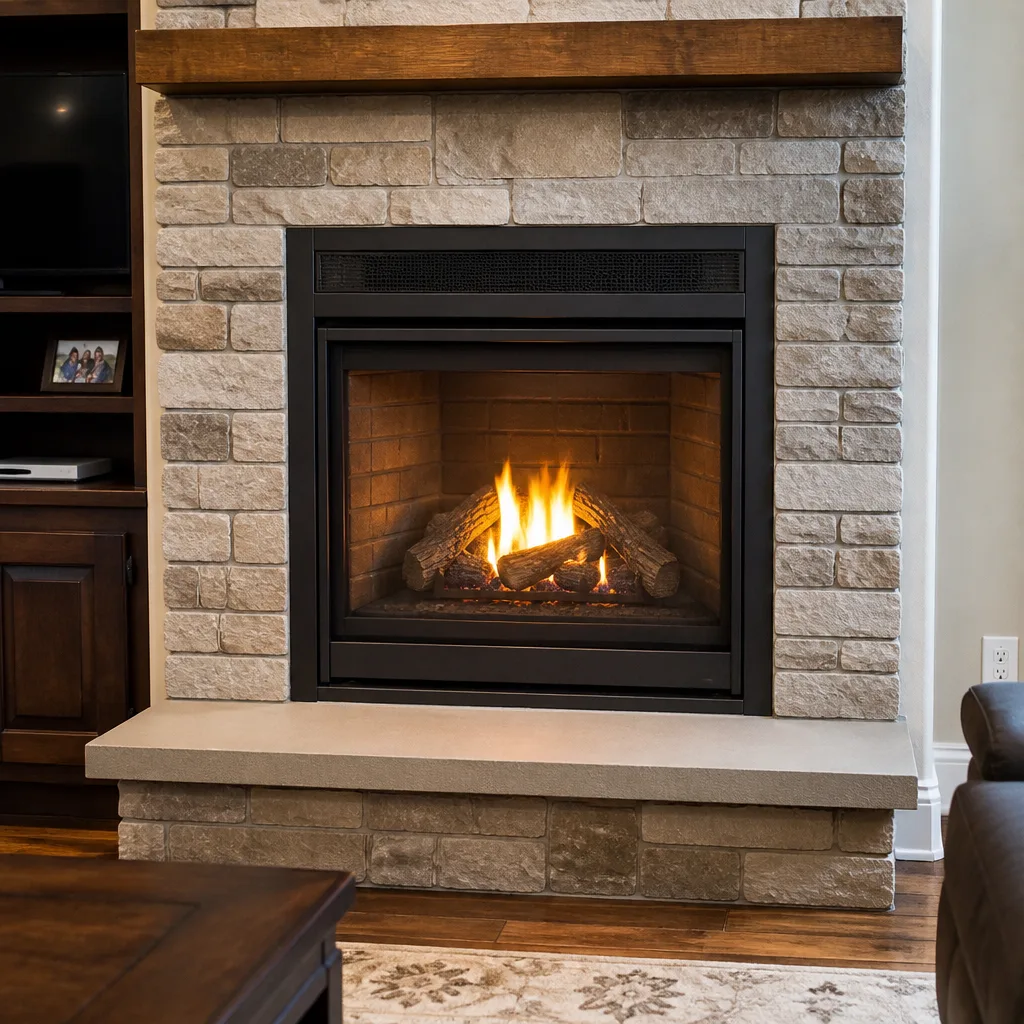
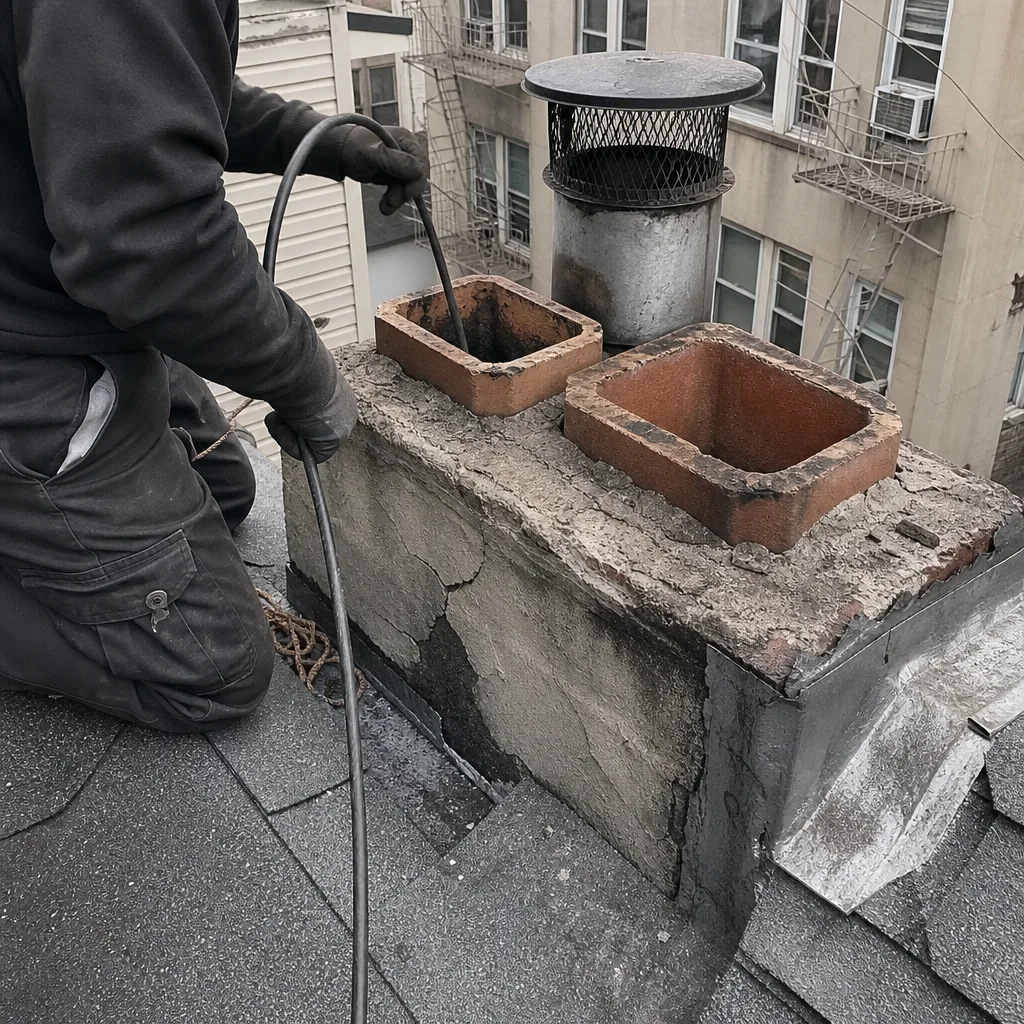 Before
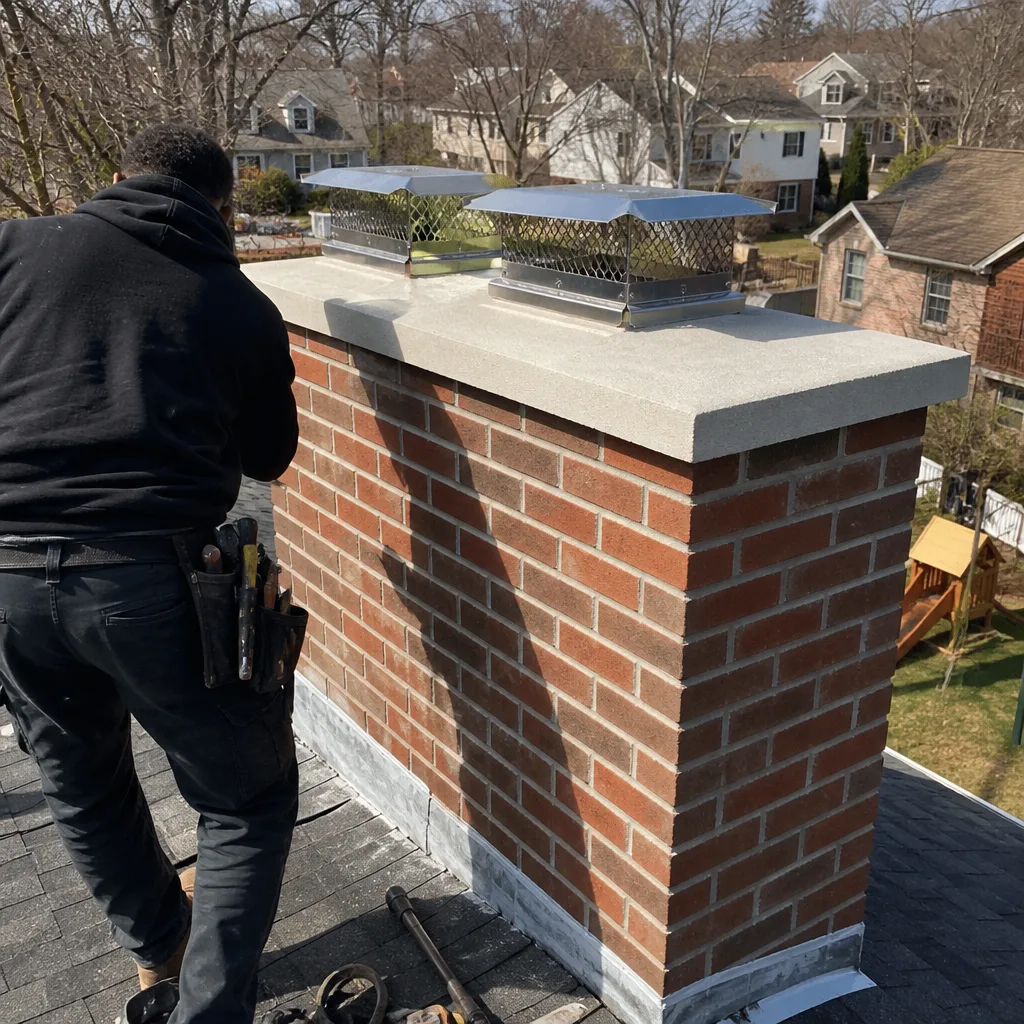 After
After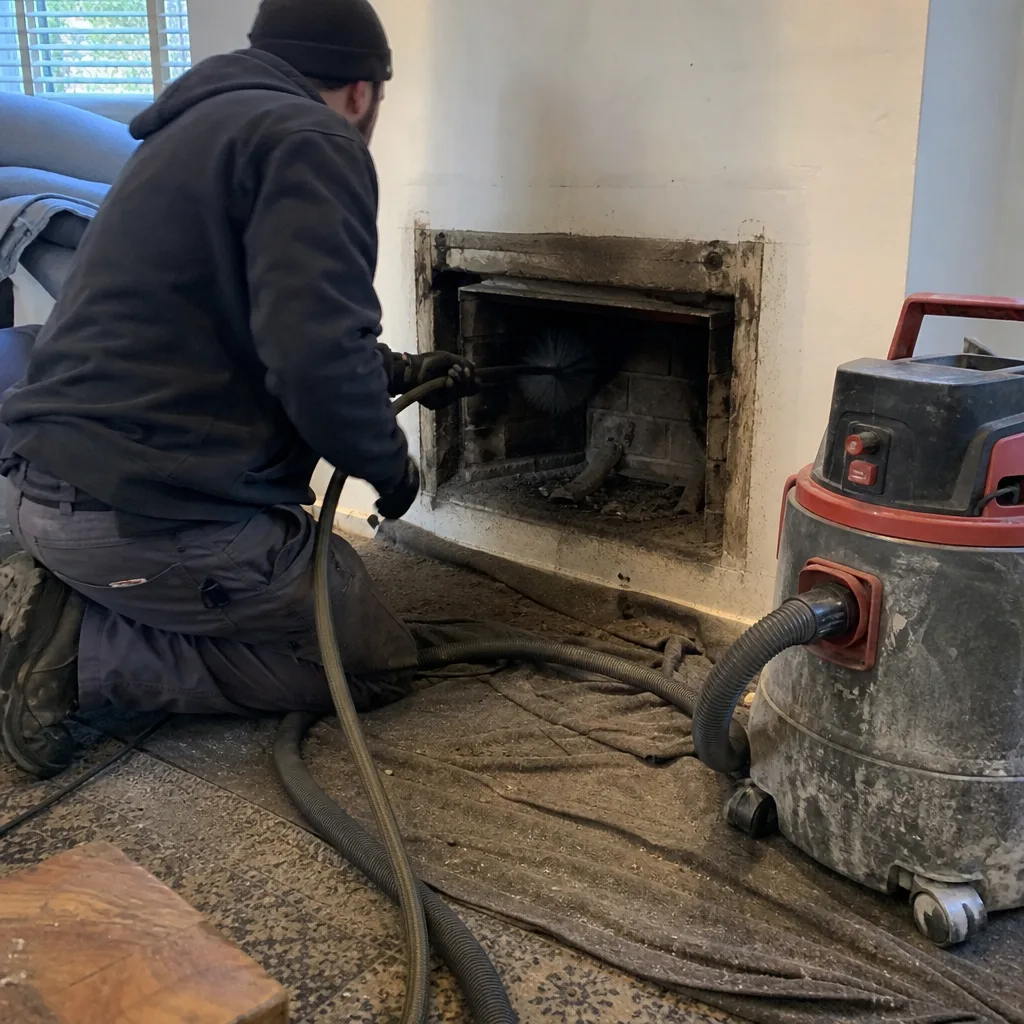 Before
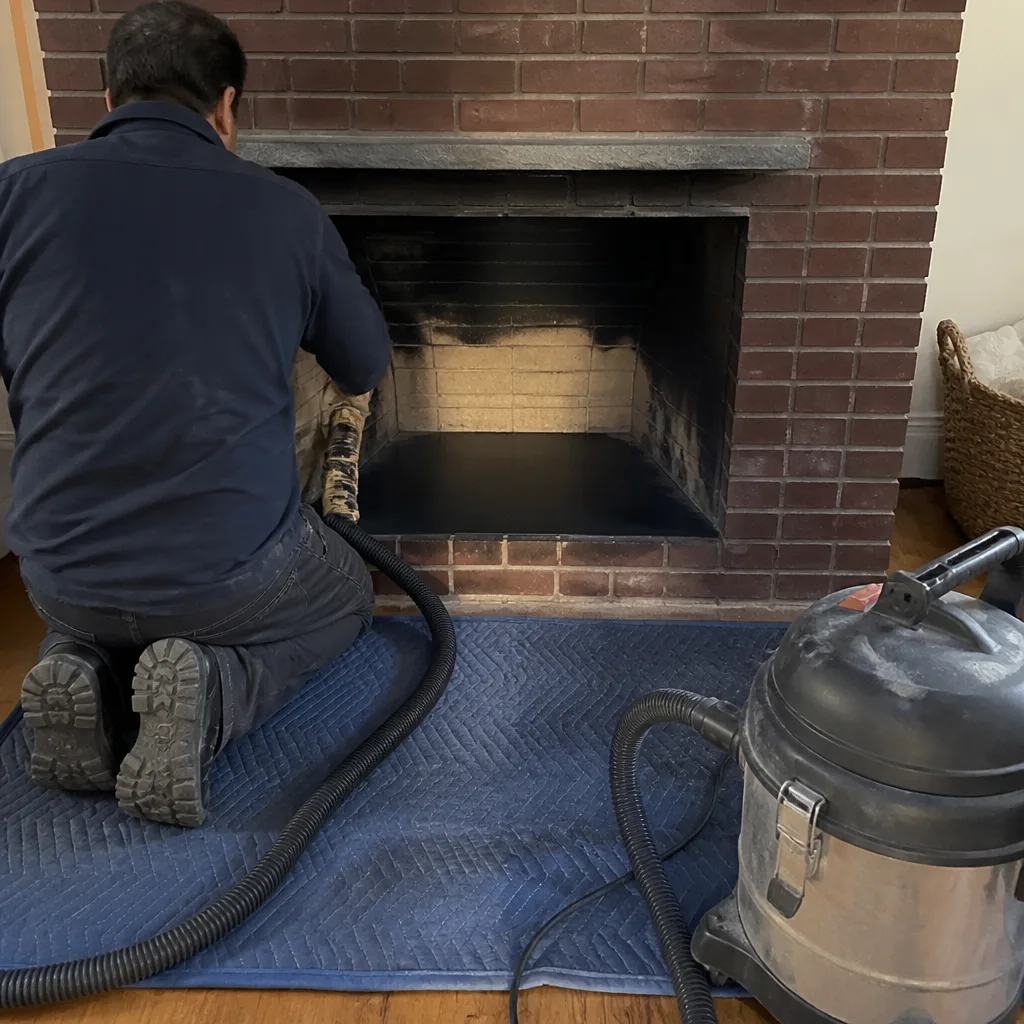 After
After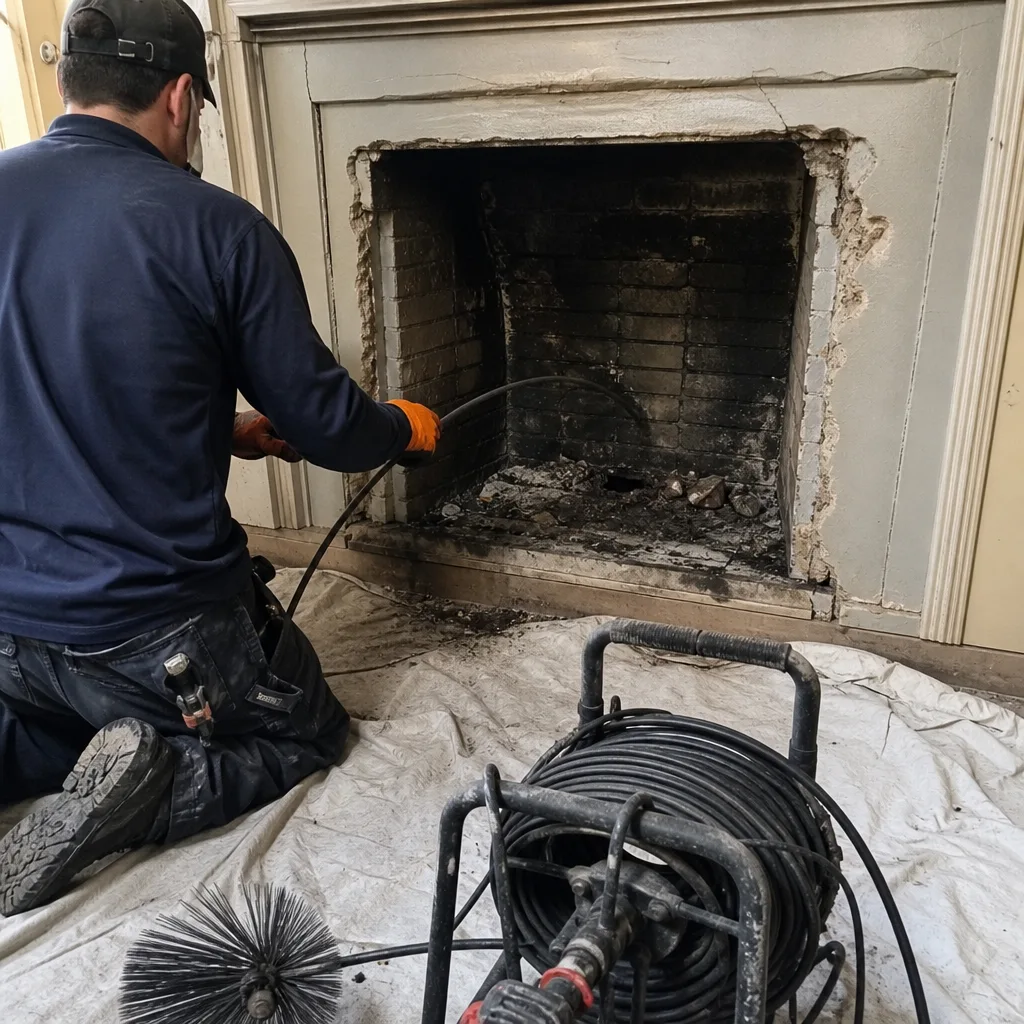 Before
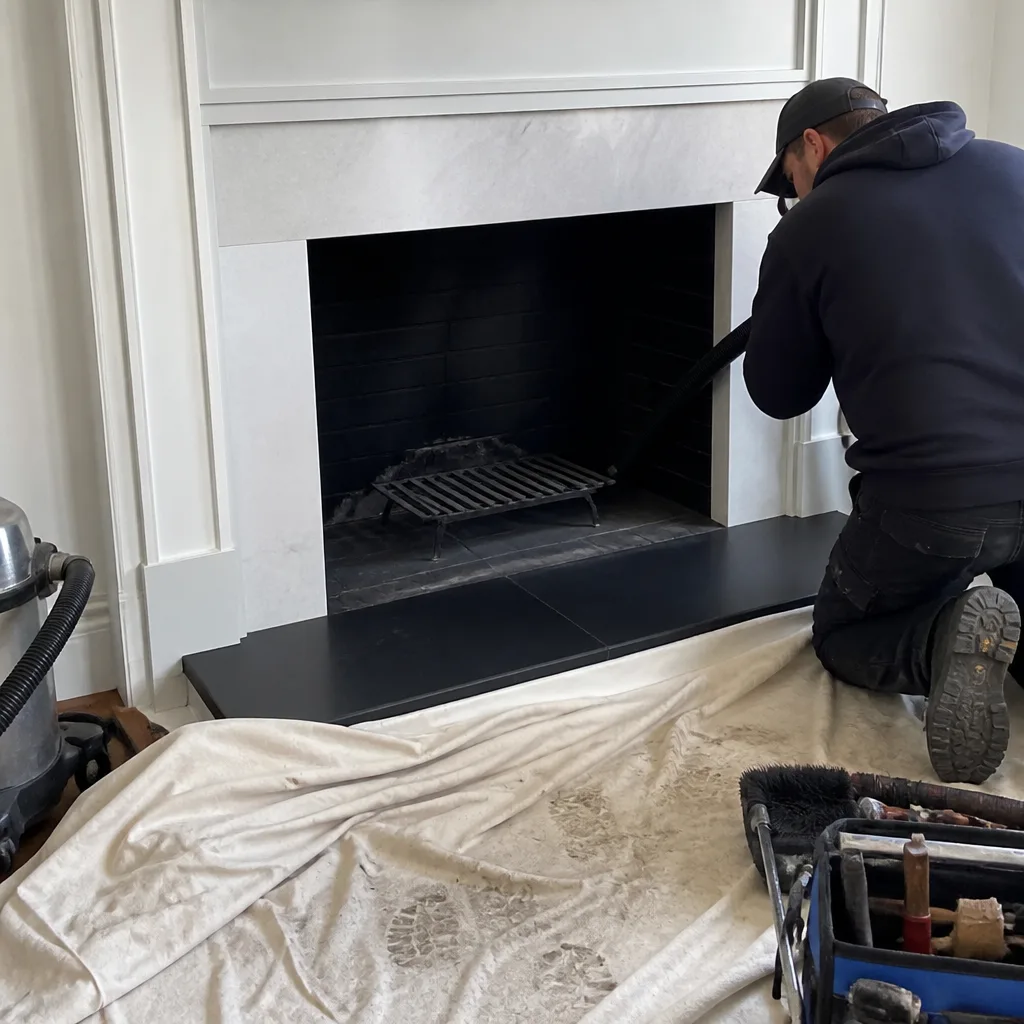 After
AfterHeatShield Chimney Liner & Rebuild in Financial District: What to Know First
HeatShield chimney liner and rebuild work in Financial District runs between $1,800 and $6,500 for most jobs, with a ceramic coating application on a single flue starting around $1,800 and a full rebuild with new terracotta sections landing nearer the top of that range. We complete most Financial District HeatShield repairs in one visit, typically three to five hours on site. Every job starts with a camera-scan inspection and ends with a written price, written scope, and written warranty before anyone lifts a brush.
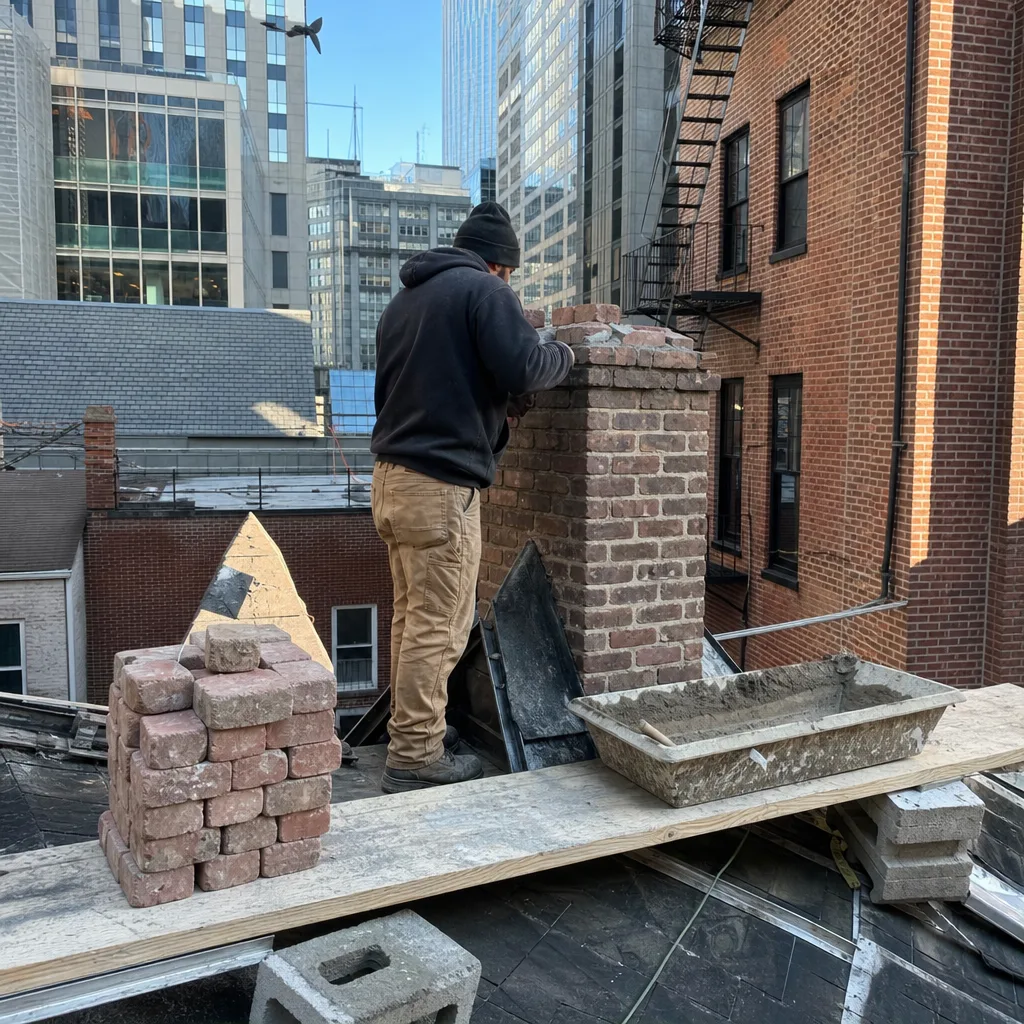
If you own a HeatShield liner in a Financial District co-op, condo, or converted loft and you’re seeing flaking in the firebox, whitish streaks on the flue walls, or draft that seems to be getting worse each season, call (551) 213-4778. We’re an independent HeatShield service provider, which means we fix what’s there without any obligation to sell you a new liner unless the camera proves you need one.
Key takeaways:
- HeatShield is a ceramic resurfacing compound applied inside an existing flue, not a prefabricated liner system you can buy off a shelf.
- Most HeatShield failures in Financial District trace back to moisture, original application issues, or movement in the masonry stack itself.
- You’ll get a documented photo record on every visit under Haven Standard Clause 4, so you can see what we saw.
How HeatShield Products Fail - and How We Fix Them
HeatShield is a real product with real failure modes, and after years of working on these systems across Financial District rooftops and flues, we can usually name the problem before the camera has gone ten feet down the stack. Here’s what we encounter most often:
- Spalling and flaking at the flue collar, typically on the Cerfractory Flue Sealant application. HeatShield’s sealant is mixed on site and troweled or pumped into place. If the original installer worked in damp conditions or mixed too lean, the surface starts shedding within a few seasons. The fix usually involves mechanically removing the loose material, abrading the surrounding surface, and re-applying with proper cure time.
- Gaps where the HeatShield coating meets the smoke chamber coat. HeatShield’s Smoke Chamber Sealant and HeatShield Joint Repair are different products with different thermal expansion characteristics. Where they meet, we regularly see hairline separation in Financial District chimneys because the buildings move: settlement, subway vibration, and freeze-thaw cycles all work the seams. We cut a small keyway and re-seal with the correct material rather than smearing more product over a moving joint.
- Moisture intrusion through a failed crown that undermines the HeatShield coating from behind. The ceramic topcoat can look intact while water seeps through cracks in the concrete cap and works behind it. In Financial District, we see this on older masonry stacks near South Street Seaport where salt air accelerates crown spalling. The coating delaminates in sheets. The fix is crown repair first, then a mechanical bond of the HeatShield surfaces.
- Flue temperatures too high for the material as applied. HeatShield is rated for specific temperature bands depending on the appliance. When a homeowner swaps an older open fireplace for a wood insert or a high-efficiency gas unit, the existing HeatShield liner may have been applied for the prior setup. Thermal cycling beyond spec causes micro-cracking we can read on the camera: a network of fine fissures that look like cracked porcelain. This is a documentation question as much as a repair question, and we photograph everything.
- Original installation pumped too thin. We’ve pulled camera footage from HeatShield jobs in Financial District where the coating measured just a few millimeters across broad areas, well under spec. The camera doesn’t guess, and neither do we. Where thickness is inadequate, a full re-application is more honest than patching; we’ll put that in writing with photos and measurements.
One thing to know: we service HeatShield but we also install and repair liners from DuraFlex and Gelco. If your HeatShield system has reached the point where a mechanical stainless liner makes more sense, we’ll show you both options with prices and let the evidence make the case.
Our HeatShield Chimney Liner & Rebuild Process
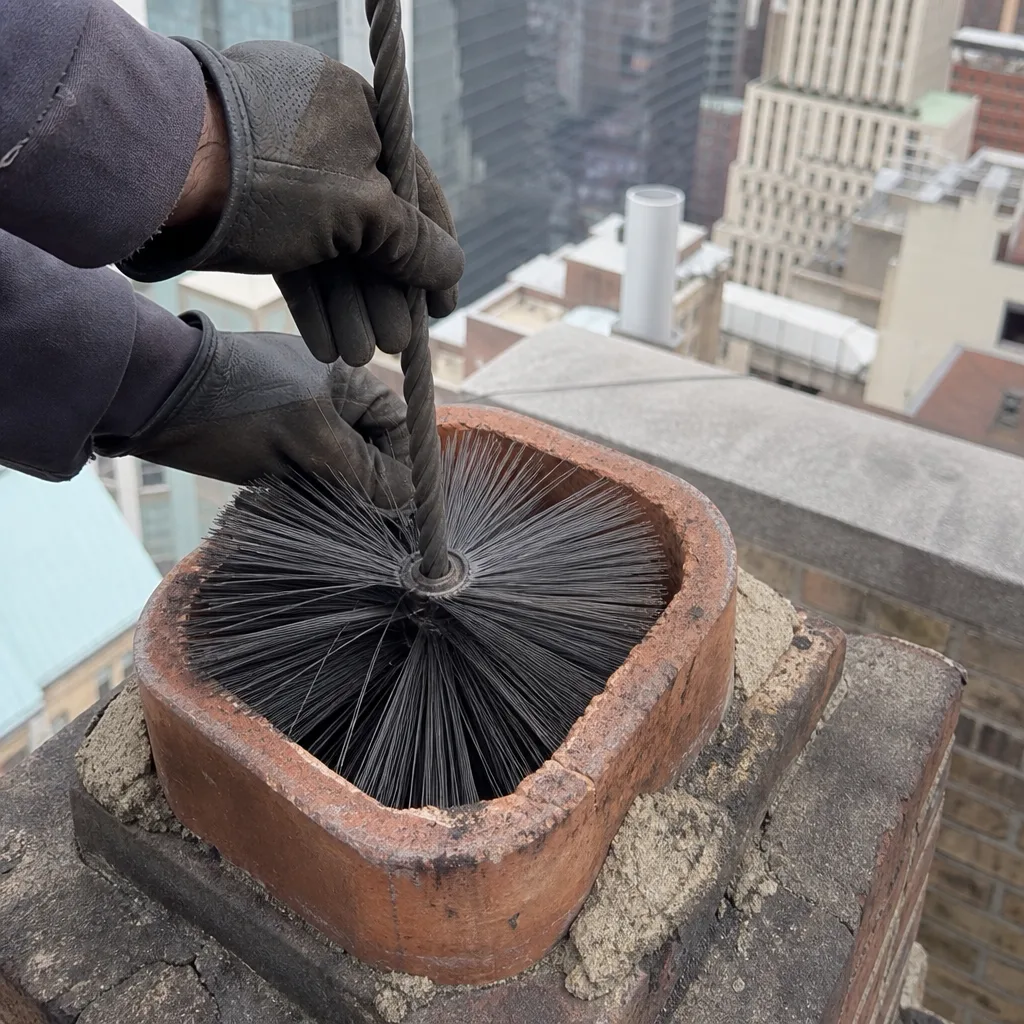
Here’s what happens when you call us about a HeatShield problem in Financial District:
- 1
Call, text, or book online. A live person answers 24/7. We ask about your building type, your heat source, and what you’re seeing. We’ll give you a written estimate range before we even schedule the visit.
- 2
The camera-scan inspection. We run a Level 2 camera inspection per NFPA 211, down the entire flue from cap to firebox. You see the footage. You get the photos. Found a crack? You’ll be looking at it, not taking anyone’s word.
- 3
Written scope and price. We name the materials, the hours, and the warranty in writing before any work starts. For a HeatShield job, that means saying which HeatShield product gets used, how it’s applied, and how many days of cure you need before you can burn again.
- 4
The repair or rebuild. We handle the full range: partial rebuild of the firebox and throat, smoke chamber parging, flue liner replacement, crown rebuild, and HeatShield re-application. We use OEM HeatShield materials when the manufacturer spec calls for it, and quality aftermarket materials when the OEM option carries a premium that doesn’t buy you anything.
- 5
Post-repair camera pass. We re-scan every flue after the work is done. The before and after frames go in your file.
- 6
Documentation handoff and warranty. You walk away with photos, camera footage access, readings, a written scope, and a written warranty. Every job is covered by the 365-Day Done Right Promise: if it’s not done right, we make it right.
BeforeAfterWhat HeatShield Chimney Liner & Rebuild Costs in Financial District
We price HeatShield work in Financial District with real numbers before any work starts. Here’s what we see in practice:
- HeatShield coating on a single flue (standard full-coverage application): $1,800-$3,200. Price moves with height, access difficulty, and the amount of surface prep required.
- HeatShield Smoke Chamber Sealant plus a single flue coating: $2,600-$4,500. The chamber work often involves parging alongside the HeatShield application.
- Partial chimney rebuild (firebox, throat, and smoke chamber with HeatShield coating): $3,800-$6,500. This is not a patch job. We cut out the loose masonry and rebuild it properly.
- Full chimney rebuild including flue liner replacement and HeatShield finish coat: $6,500-$14,000 depending on stack height and access. Rooftop access in some Financial District buildings requires permits and a protection plan, which moves the number.
What moves price more than anything: access, flue height, and the condition of the existing masonry underneath. If the brick is crumbling, no coating on earth will fix it, and we’ll say so without selling you something you don’t need. Call (551) 213-4778 for an exact written quote. Estimates are free, and we’ll put the numbers in your hands before anyone schedules anything.
Why Financial District Homeowners Call Level Two Chimney Financial District for HeatShield Work
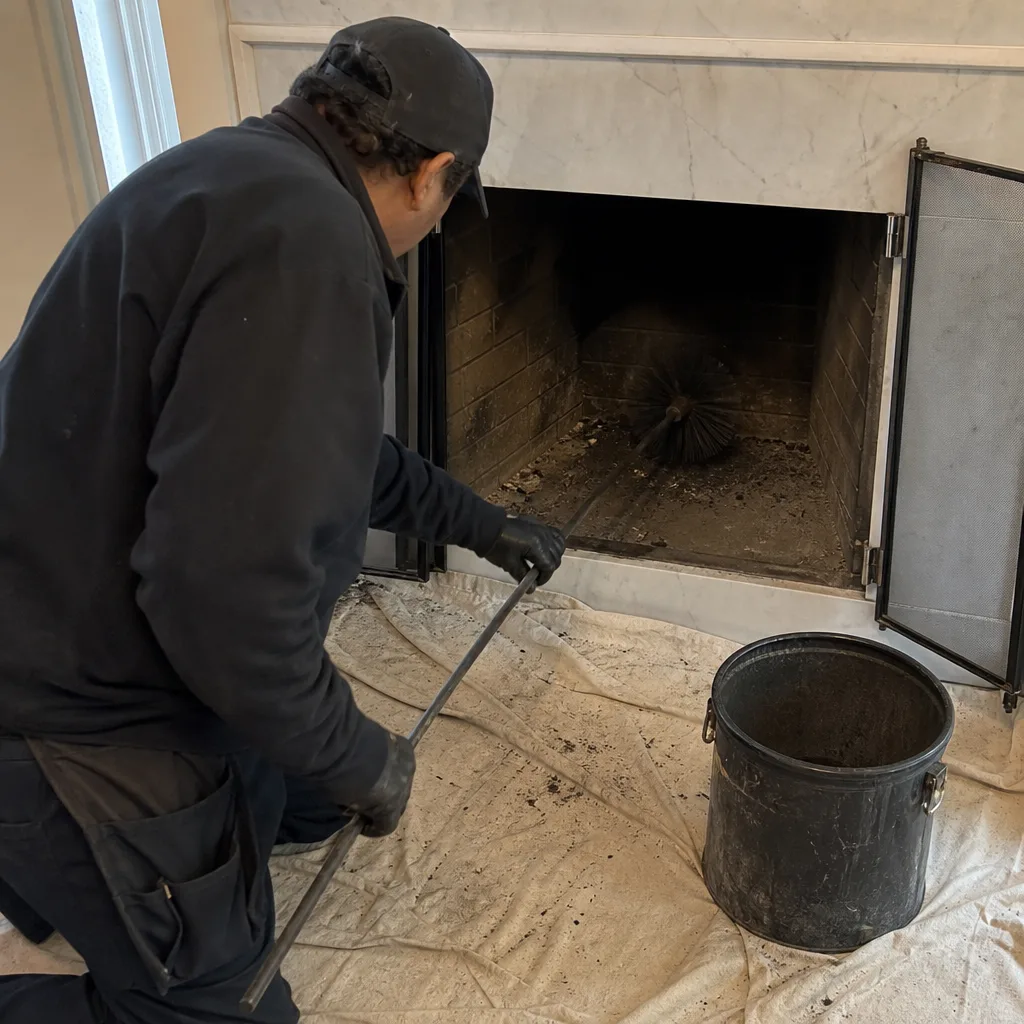
Because the camera doesn’t guess, and neither do we. Our name is the inspection standard we work to: NFPA 211 Level 2, camera down the flue, written price before anybody starts, and a documented record when we’re done. That practice has held since 2009, and it’s why Clause 4 of the Haven Standard requires a photo record on every job. That’s not marketing. That’s just how we file.
Our techs are background-checked and uniformed, and every job gets written scope, written price, and written warranty under Haven Standard Clause 1, which is the H.A.V.E.N. ‘Have it in writing’ rule. We’ve completed more than 38,000 chimney inspections and cleanings since 2009, every one with a written price before work started and a documented record when it was done. We source our HeatShield and accessory materials through the Haven buying network specifically to keep customer prices honest.
And we work on the full run of brands, not just one manufacturer. If your HeatShield liner has failed and a stainless DuraFlex or Gelco rig makes more sense for your setup, we’ll show you both, line item by line item.
Corrine Halstead leads our Financial District work. She’s a New York City native who’s spent the better part of two decades on Manhattan chimneys, including the converted loft buildings and older masonry stacks near South Street Seaport. She learned flue inspection, liner assessment, and creosote classification at Apex Technical School in Queens before she ever touched a brush on a paying job, and today she doesn’t sign off on a report until the footage has been reviewed top to bottom. Her crew thinks she’s excessive. She thinks she’s thorough.
FAQs
HeatShield is a long-term surface restoration when properly applied to a structurally sound flue, but it is not permanent in a failing stack. It restores the inner surface and seals cracks, but it cannot fix masonry that’s actively crumbling behind it. We tell Financial District homeowners that the masonry moves more than the coating does, and movement is what kills the bond. If your stack has spalling brick or a cracked crown, the HeatShield will fail again unless the underlying issue gets fixed first. Call (551) 213-4778 and we’ll put it in writing with photos either way.
HeatShield’s warranty covers material defects in the product itself under specific terms, and any third-party repair can affect what the manufacturer honors, which is why we use OEM HeatShield materials whenever the spec requires it. That said, many HeatShield failures we see in Financial District were never warranty-eligible to begin with because they stem from moisture or installation issues rather than product defects. As an independent HeatShield service provider, we document everything we find so you can go to the manufacturer with evidence. Call (551) 213-4778 for a camera inspection and we’ll give you the footage.
Most HeatShield applications and small rebuilds are done in one visit, typically three to five hours on site, with cure time of 24 to 48 hours depending on temperature and humidity before you can use the fireplace again. Larger partial rebuilds can run two or three visits if masonry sets need multiple stages of work. We’ll give you a written timeline with your written price before any work begins. Call (551) 213-4778 and we’ll quote the schedule along with the scope.
You see whitish chalky streaks or flaking material on the flue walls near the firebox, your draft is worse than it was last year, or your fireplace smells damp after rain. Those are all HeatShield-specific warning signs we can confirm or rule out with a camera in about 20 minutes. We never recommend a rebuild without camera evidence you can see yourself, and we’ll tell you plainly when the liner can safely go another season. Call (551) 213-4778 to book the scan.
We handle both. We install HeatShield coatings in new applications-per the product spec-and we repair existing HeatShield systems that have failed. For new liner installations, we’ll also quote DuraFlex and Gelco stainless options when the building’s draft characteristics or appliance class make a mechanical liner the better choice, with prices for each so you decide with full information. Call (551) 213-4778 for a written quote covering each option.
Written by Corrine Halstead, Owner, Level Two Chimney Financial District at Level Two Chimney Financial District, serving Financial District and nearby areas.