
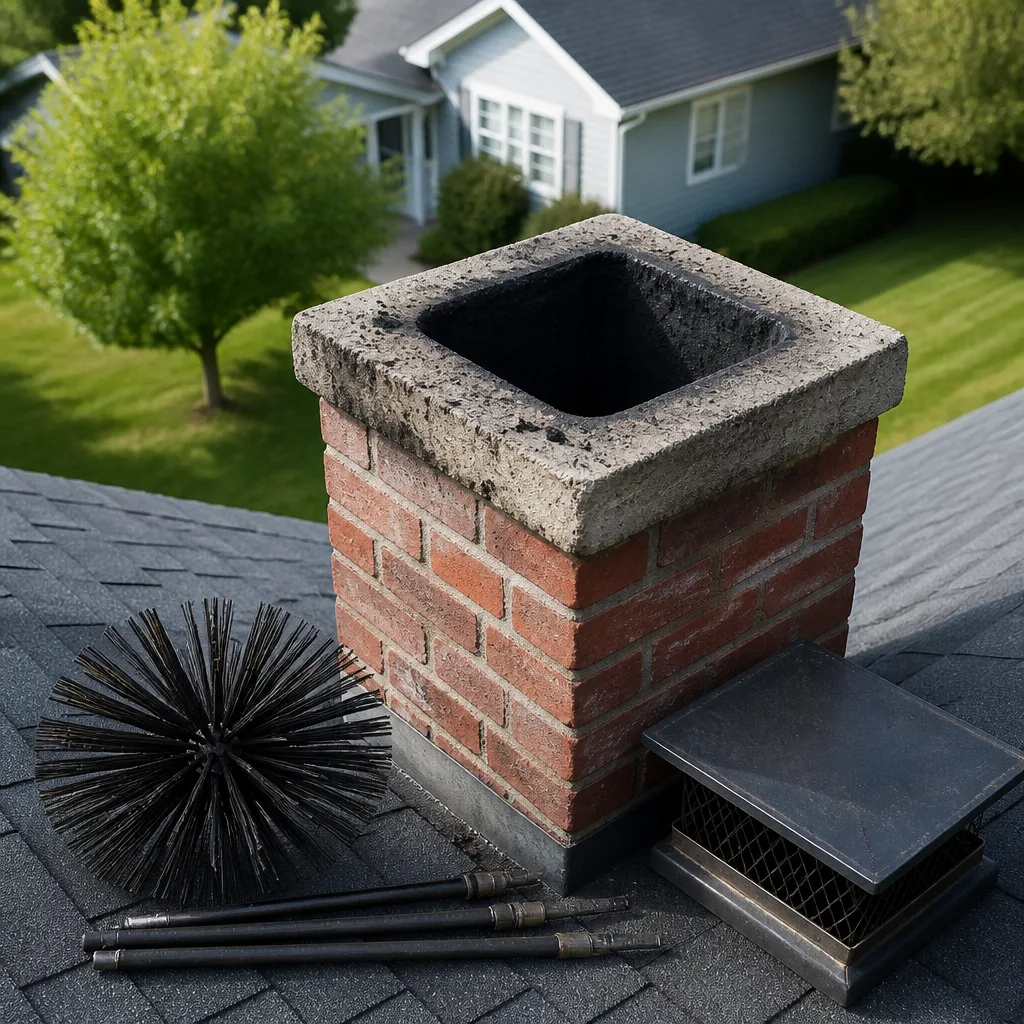
Level 1 sweep and inspection to the NFPA 211 annual standard - flue, crown, cap, and flashing checked and photographed
Chimney sweep logs do not sweep chimneys. They loosen some creosote - which then falls where a brush and vacuum still have to collect it.
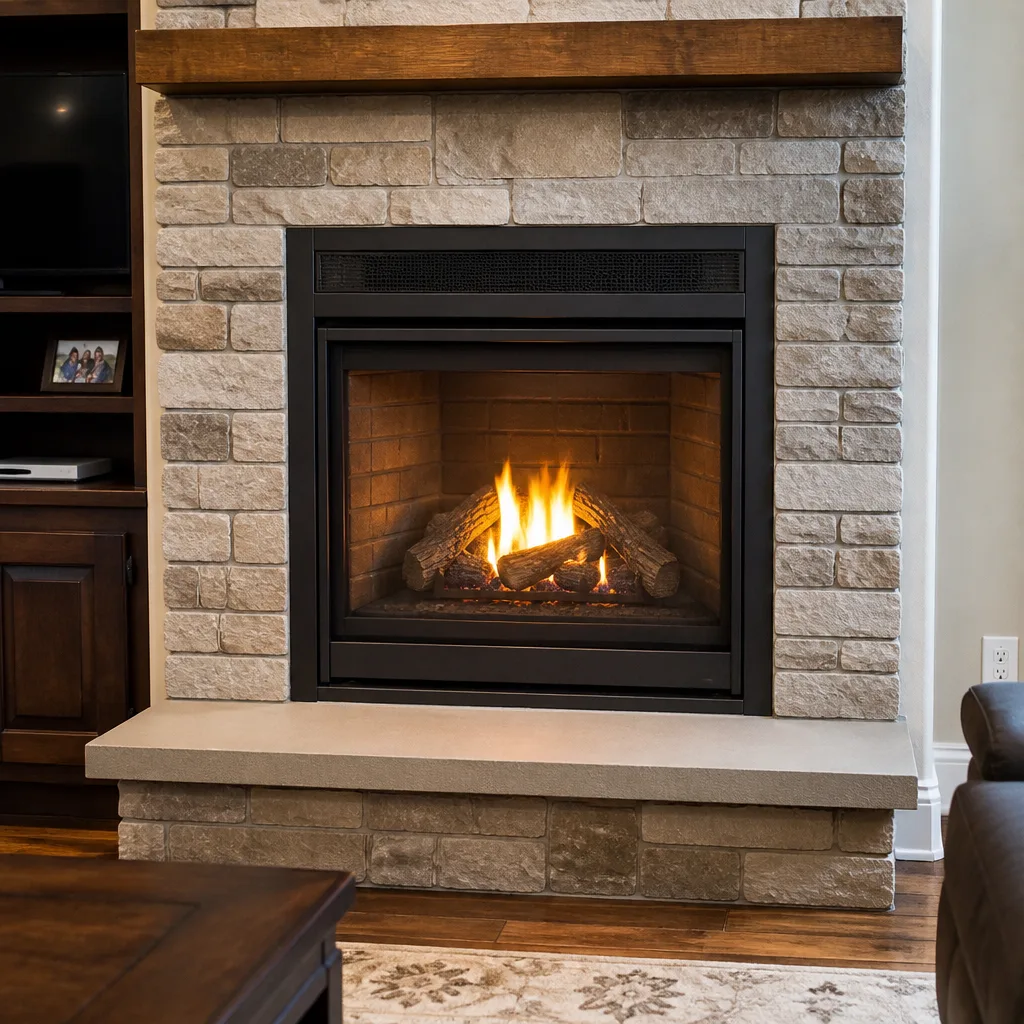
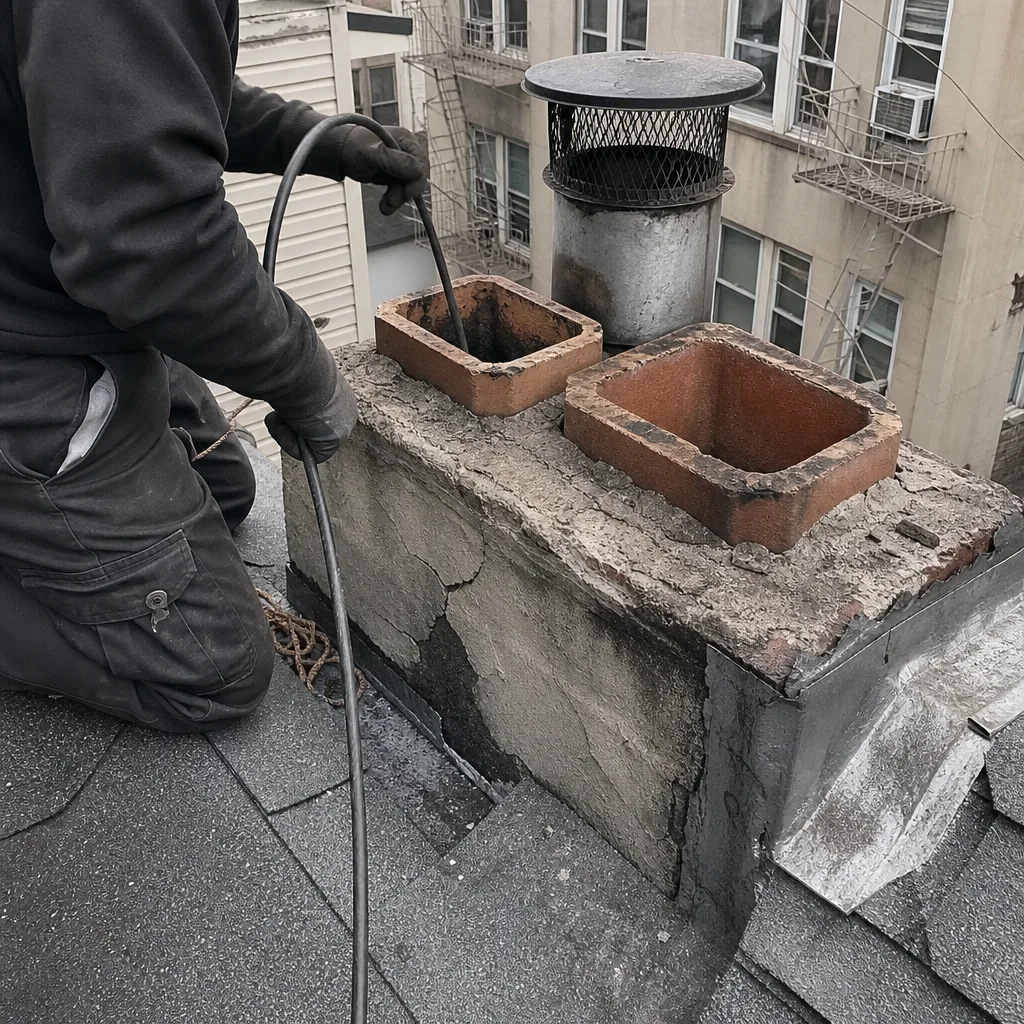 Before
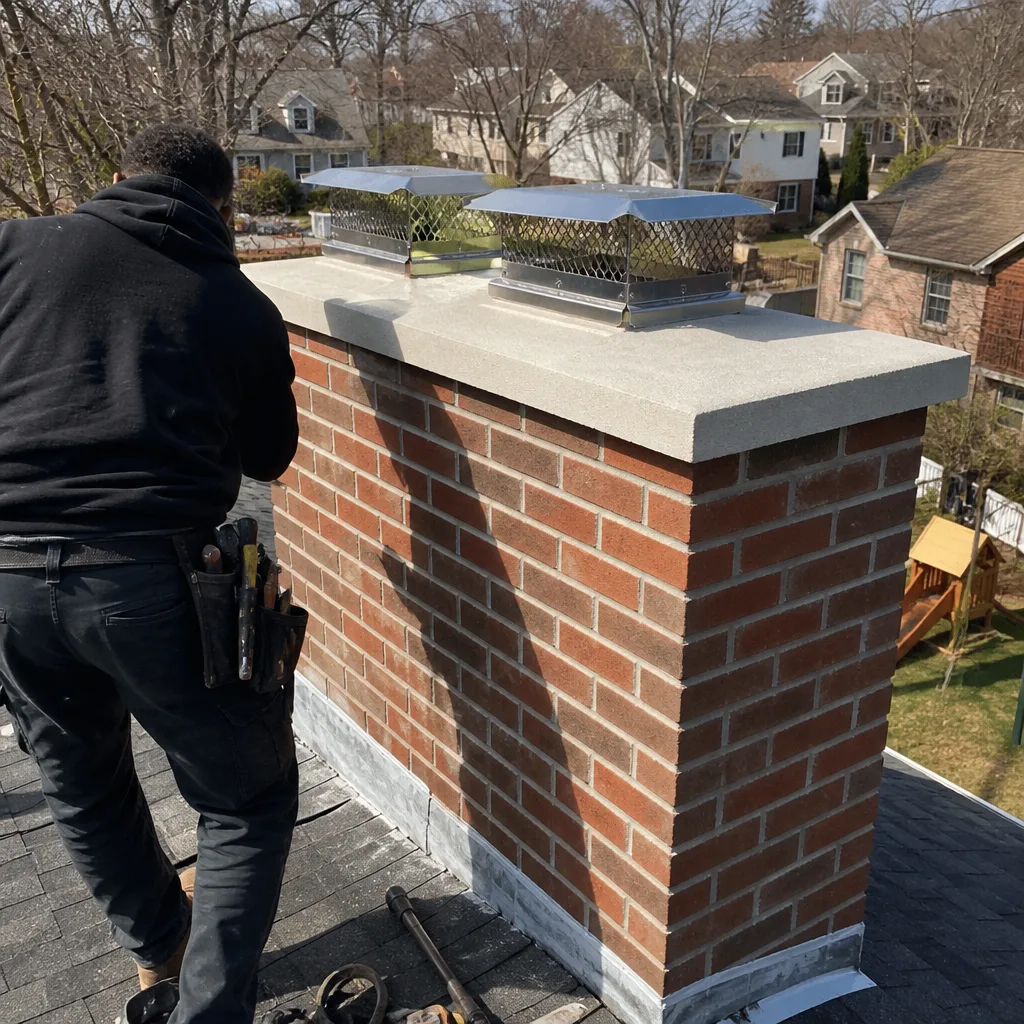 After
After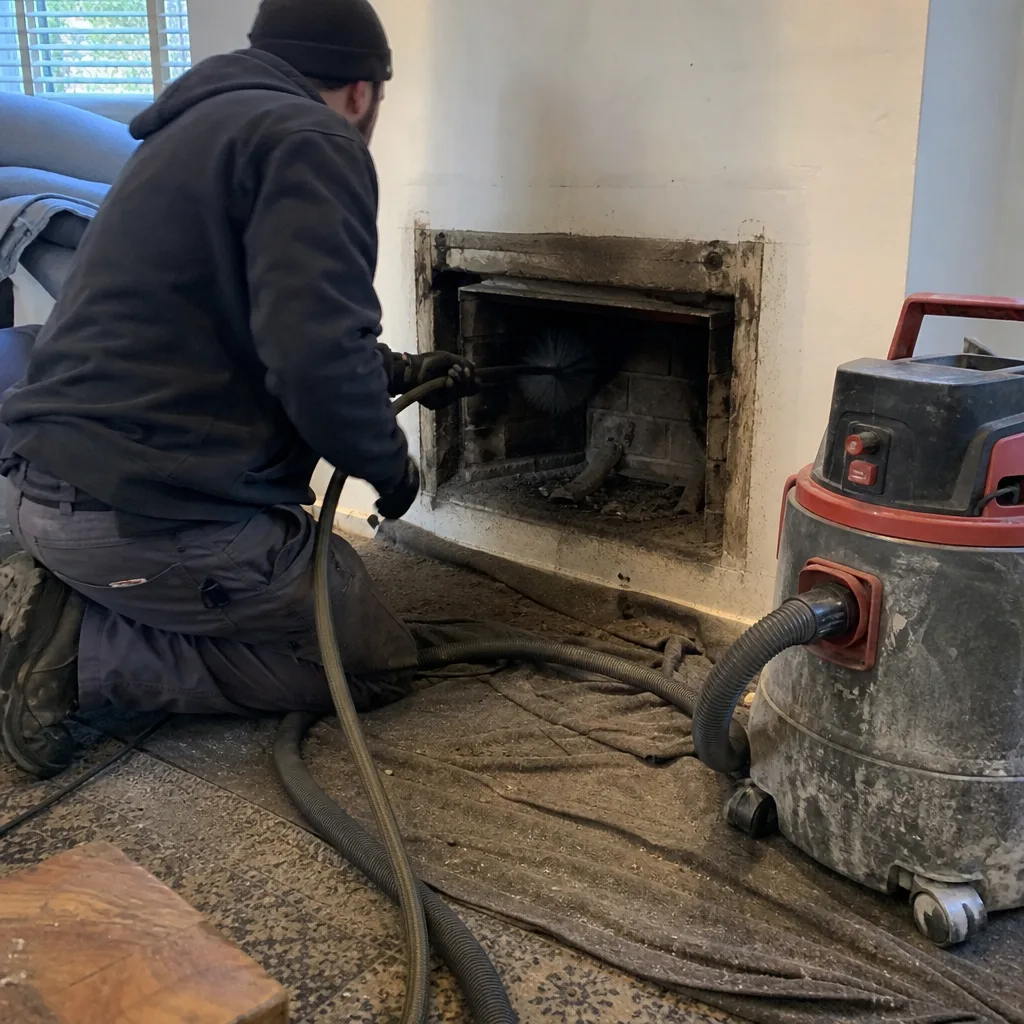 Before
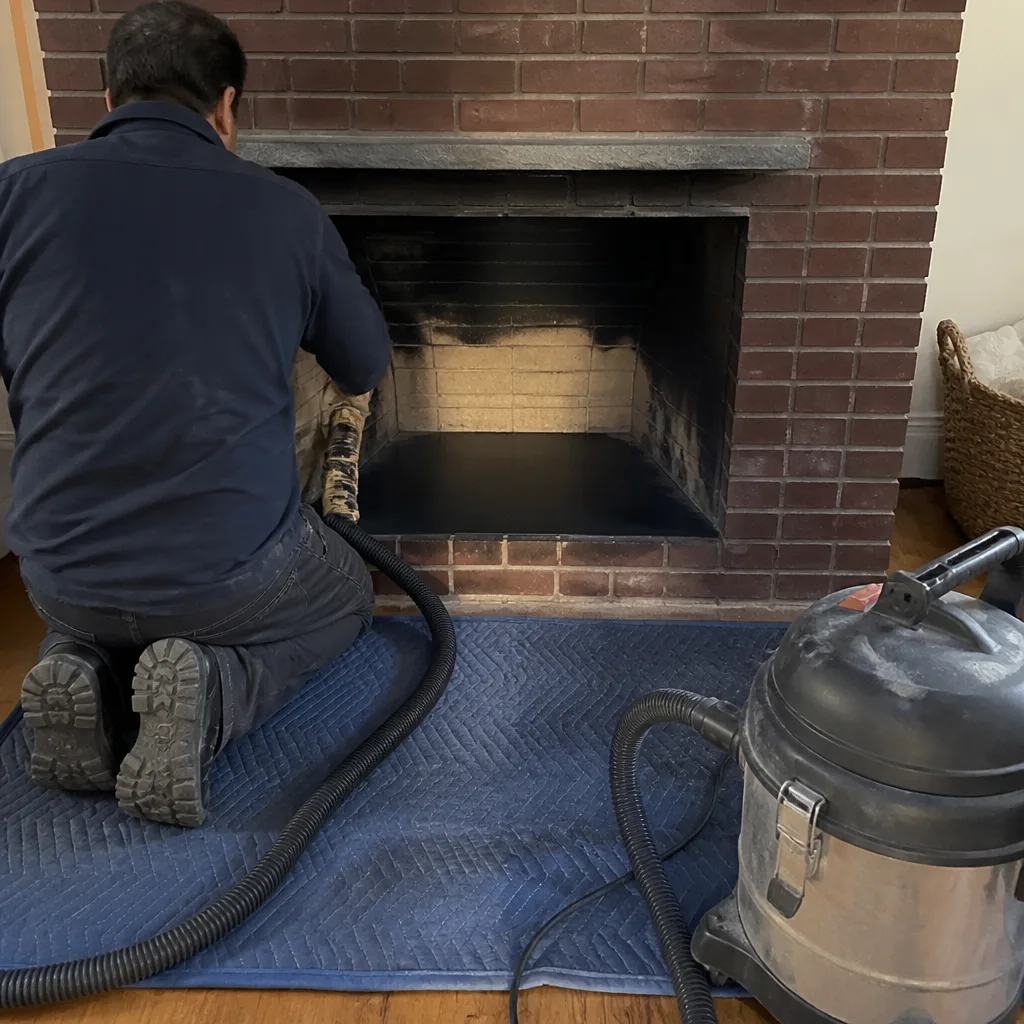 After
After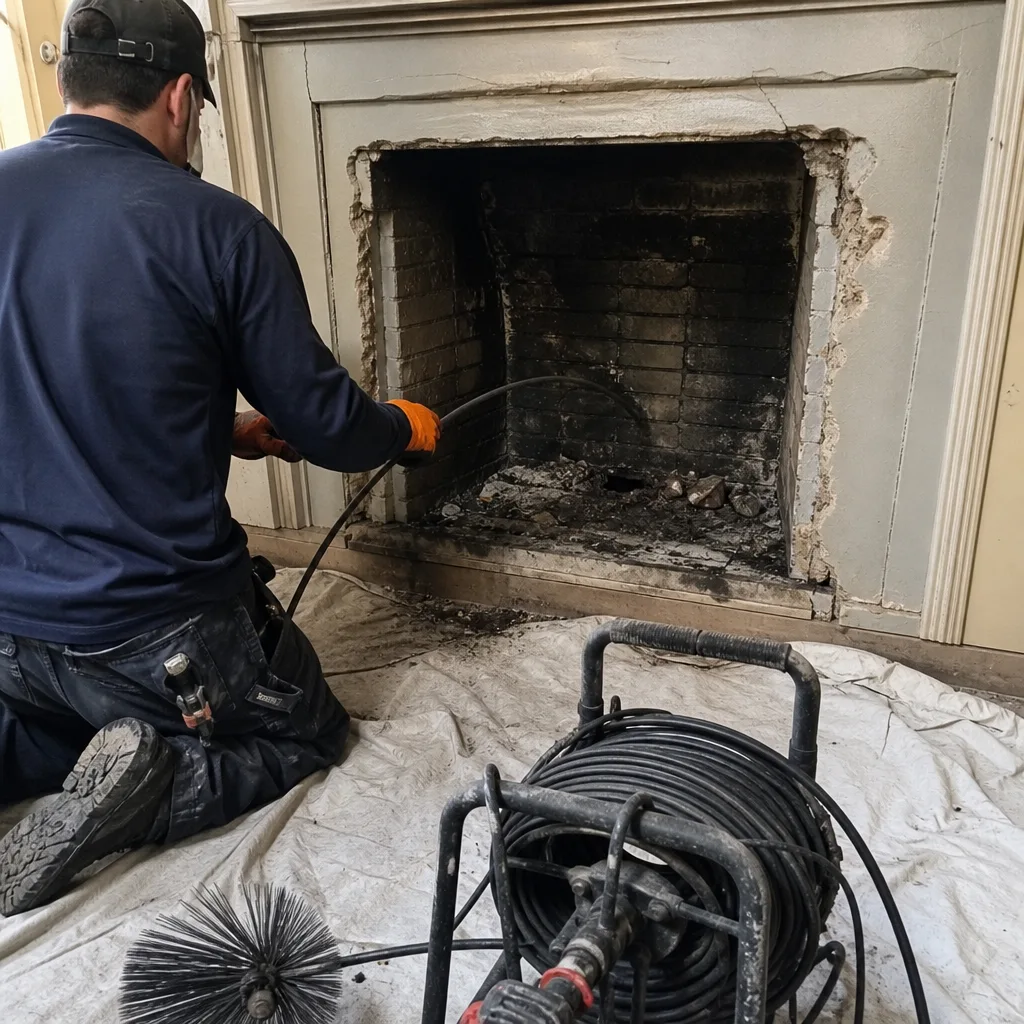 Before
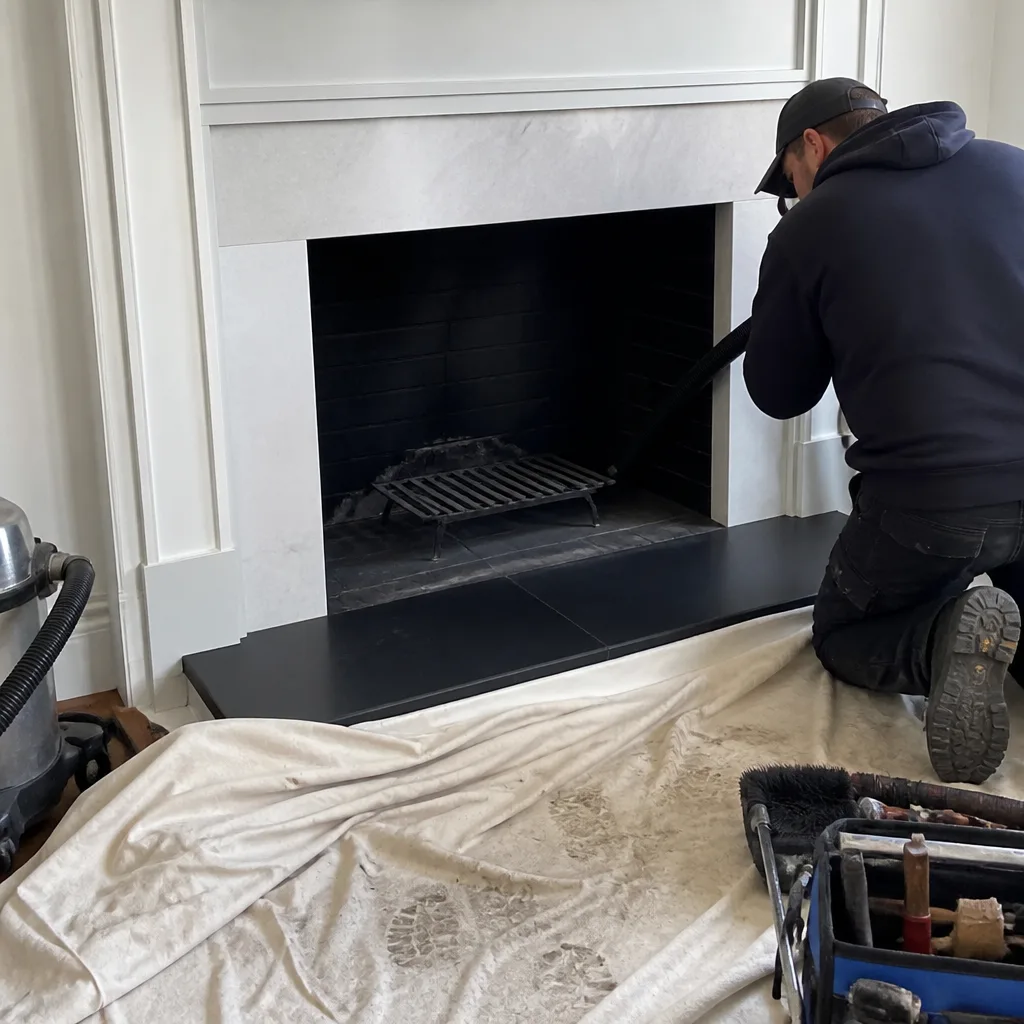 After
AfterWhy Financial District Homeowners Choose HeatShield Chimney Cleaning
We provide independent HeatShield Chimney Cleaning in Financial District, NY, inspection, and repair service throughout this neighborhood, and we’ve been doing it in converted skyscrapers long enough to know exactly what happens to cerfractory foam liners when salt air and 40-story flue drafts get involved. We’re not a HeatShield dealer and we’re not authorized by the manufacturer, which means we’re free to tell you when HeatShield is the right fix, when a spot joint repair will buy you years, and when you’d be wasting money resurfacing a flue that needs a stainless liner instead. If you own a unit in a converted Financial District tower and your HeatShield coating is flaking, cracking at the smoke chamber, or letting water behind the brick, call us at (551) 213-4778. The camera doesn’t guess, and neither do we.
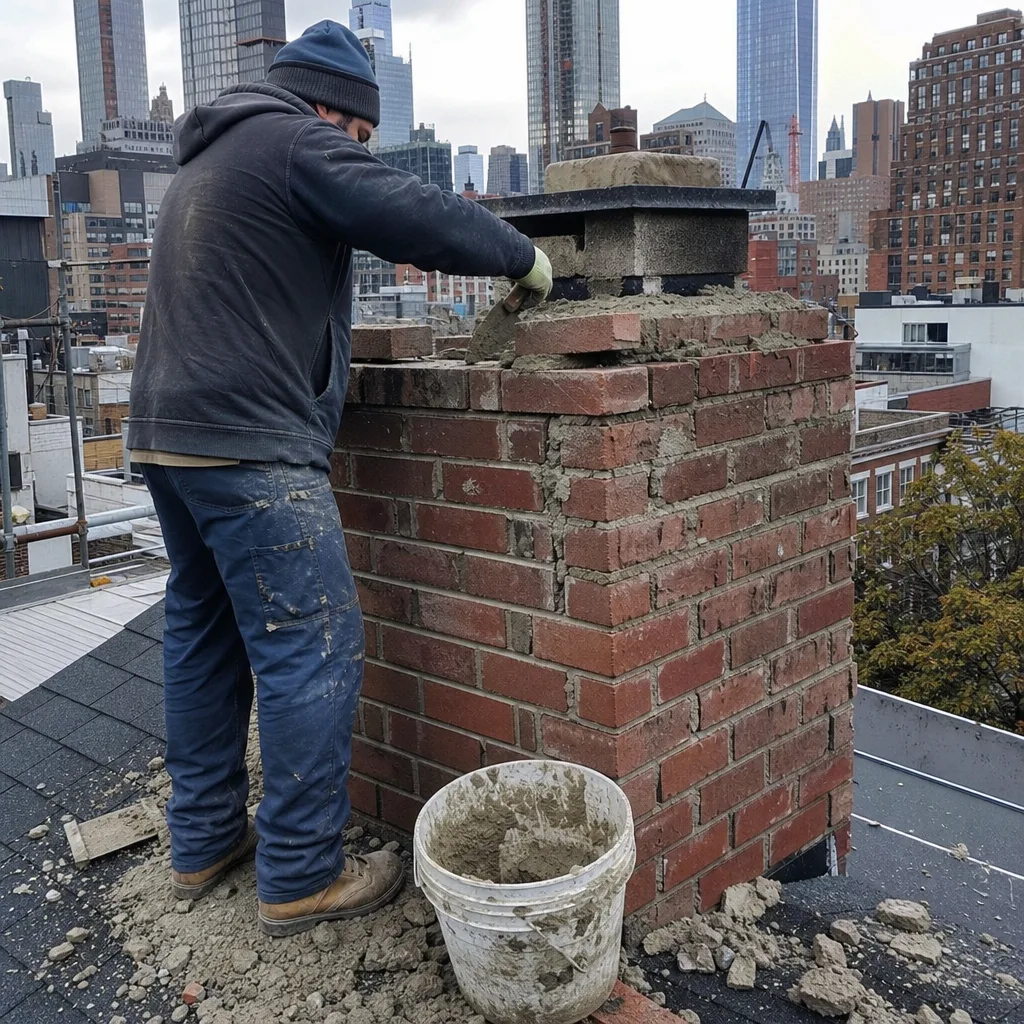
Why Trust Level Two Chimney Financial District for Your HeatShield Chimney Cleaning?
HeatShield is a proprietary cerfractory material. The chemistry matters. Mix it wrong, apply it at the wrong temperature, or skip surface prep and you get a coating that delaminates within two seasons. Our technicians train specifically on HeatShield’s application specs and repair protocols, and we’ve repaired hundreds of flues where HeatShield was failing from improper installation long before we cleaned anything. Corrine Halstead, our owner, learned flue inspection and liner assessment at Apex Technical School in Queens before she spent nearly two decades working Manhattan chimneys, including HeatShield Chimney Cleaning in Brooklyn Heights, NY and the older masonry stacks near South Street Seaport. That means when we scope your Fire District flue, we know what a bad HeatShield bond looks like on camera before we quote a dollar of repair. Every job gets a written price before work starts, a documented photo record when it’s done, and the 365-Day Done Right Promise behind it. Clause 4 of the Haven Standard has required a photo archive on every visit since 2009, and that’s not changing.
Common HeatShield Chimney Cleaning Problems We Fix in Financial District
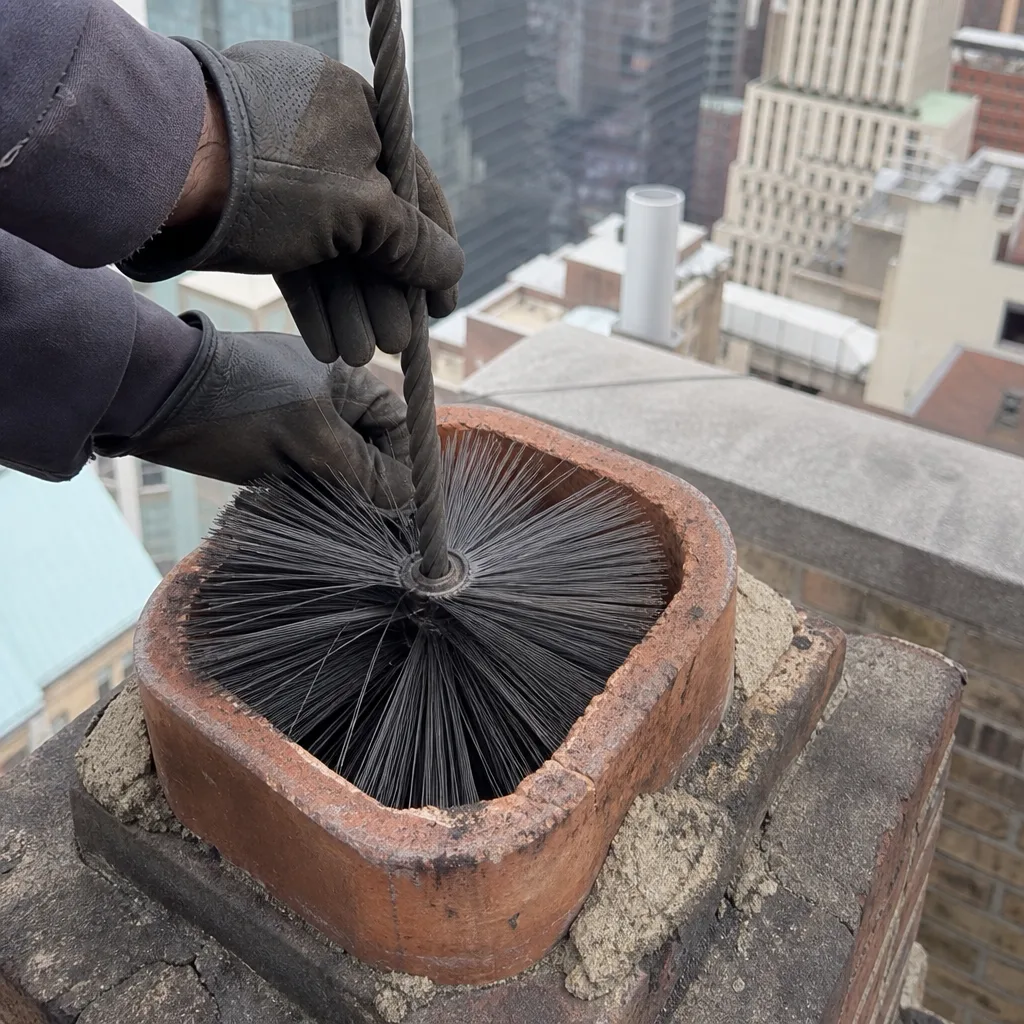
- Flaking cerfractory foam near the flue top. We see this constantly in Financial District towers. HeatShield Cerfractory Flue Sealant that was applied too thick or mixed at the wrong ratio starts flaking within a few years, especially where salt-laden harbor wind drives thermal shock at the chimney crown. The flakes show up in the cleanout and on camera as white or gray granular debris. We remove the loose material, assess the bond underneath, and quote repair or full resurfacing based on what the camera shows.
- Cracking at the smoke chamber transition. This is the classic HeatShield failure point in the neighborhood’s converted commercial flues. The smoke chamber expands and contracts differently than the flue tile above it, and HairShield’s Joint Repair System can crack where the geometry changes. We regularly find hairline cracks around the smoke chamber in FiDi buildings that were repurposed from steam-plant exhaust shafts to residential use. Camera scoping catches it early.
- Debonding from clay tile due to acidic condensate. HeatShield bonds to a clean, properly prepped surface. When a gas appliance was retrofitted without addressing years of soot glaze on the original clay tile, the cerfractory can’t grip. The coating debonds in sheets. We see this in buildings where the old oil-burner flue was converted to gas without a lining assessment first. The fix is removal, proper surface prep, and reapplication, not patching.
- Water penetration behind the HeatShield coating causing spalling brick. This is a Financial District signature problem. Marine winds drive water into hairline crown cracks, and once moisture gets behind a HeatShield Resurfacing System coating, freeze-thaw cycles pop the brick face from behind. You’ll notice white efflorescence on the masonry or flaking brick near the crown. The HeatShield itself might look fine on camera, but the substrate is failing. That’s why we always inspect the crown and brick, not just the coating.
- Gas flue corrosion where HeatShield Eco-Glo was the wrong application. HeatShield Eco-Glo is rated for gas flues, but it’s not a substitute for a stainless liner when the original terra-cotta is severely cracked or the shared multi-story shaft has structural issues. We’ve seen Eco-Glo applied over failing tile in Financial District towers built in the 1920s and 1930s, and within a year the coating is stained, peeling, and letting exhaust leak into the shaft. When that happens, we tell you straight: this flue needs a liner, not another coat.
BeforeAfterHeatShield Parts & Our Repair-vs-Replace Approach
HeatShield’s cerfractory chemistry is proprietary. We use only genuine HeatShield materials for repairs because no aftermarket equivalent exists that matches the expansion rate, adhesion profile, and flue-gas resistance of the original product. Aftermarket “ceramic” patches we’ve tested fail within a season in Financial District’s thermal-cycling conditions, and they void whatever warranty remains on the original application. That said, we don’t push resurfacing when it won’t pay. On a flue where the HeatShield is intact except for hairline cracks at the smoke chamber, a Joint Repair System application is often the honest fix that buys five to ten more years. When the coating is debonding across broad sections or the substrate tile is deteriorating, we’ll show you the camera footage and tell you a full reline is cheaper long-term than chasing patches. That’s the value of an independent assessment. Call (551) 213-4778 for a written quote on either path.
Our HeatShield Service Process - Step by Step
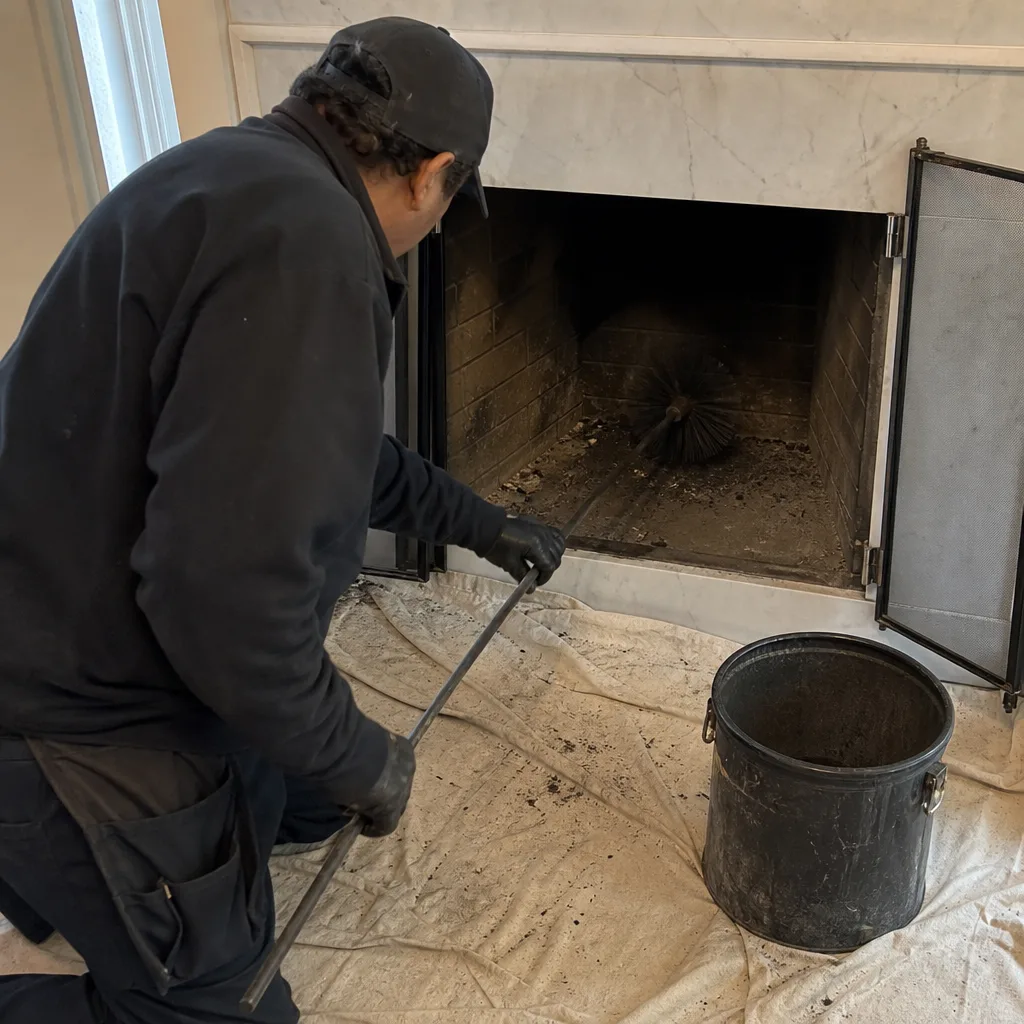
1. Camera diagnosis. We run a full Level 2 inspection with a camera down the flue before quoting anything. We’re looking for flaking, cracking, debonding, water intrusion, and the condition of the original substrate. You get a written report with photos.
2. Surface prep and repair plan. If HeatShield repair is viable, we quote the exact scope: removal of loose cerfractory, mechanical cleaning of the bond surface, and application of the appropriate HeatShield system (Joint Repair or Resurfacing) to the specified sections. Price in writing, before work starts. Never “call for a quote.”
3. Application and curing. We apply HeatShield per the manufacturer’s mix ratios and temperature tolerances. In Financial District’s stacked high-rise flues, that often means scheduling around building venting windows and coordinating with building management, because a 1920s shared flue shaft doesn’t belong to one unit.
4. Verification and documentation. We re-scope the flue after the repair. You receive before-and-after photos, a written scope of what was done, and a written warranty. Under Clause 4 of the Haven Standard, every visit ends with a photo archive you keep.
5. Follow-up recommendation. We tell you when to re-inspect. In Financial District, with salt air and high thermal cycling, we typically recommend annual or biannual camera checks on repaired HeatShield flues, especially in buildings over 20 stories.
HeatShield Products We Service & Install in Financial District
We work with the full HeatShield line: HeatShield Cerfractory Flue Sealant for resurfacing deteriorating clay tile liners, HeatShield Eco-Glo for gas appliance flues, HeatShield Joint Repair System for smoke chamber cracks and mortar joint failure, and HeatShield Resurfacing System for full-flue restoration where the original liner is intact but failing. We keep genuine HeatShield materials in local stock for most residential and building-scale jobs, and we coordinate directly with building management for shared flue shafts - which is most of what we touch in Financial District. We also service DuraFlex and Gelco liner systems, so if HeatShield isn’t the right call we’ll tell you what is.
We Also Service These Brands
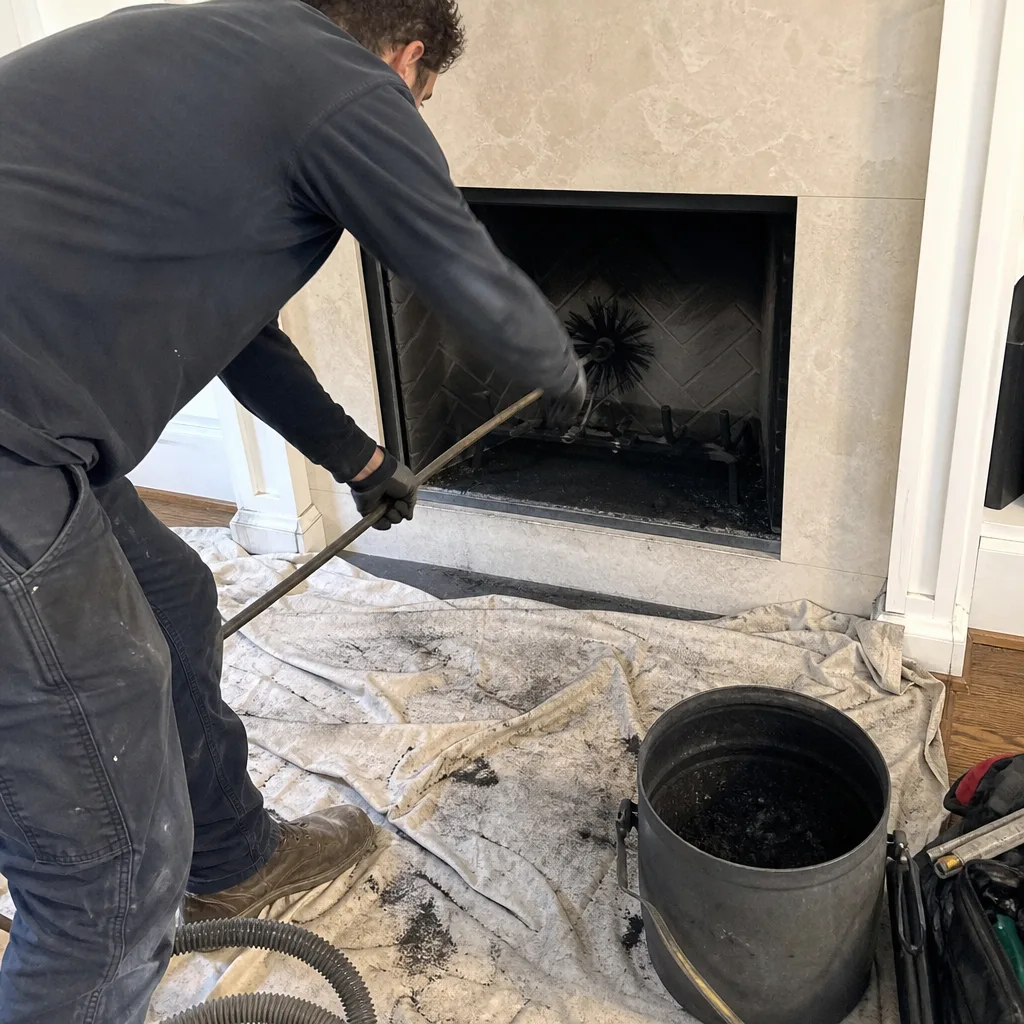
HeatShield is one set of solutions, but not the only one. We regularly install and repair DuraFlex stainless steel liners and Gelco products across Financial District, and we’ve been multi-brand since our first day in 2009. That matters because a single-brand dealer will always find a reason to sell their brand. We’ll find the right one.
FAQs - HeatShield Chimney Cleaning Service in Financial District
Yes, HeatShield Cerfractory Flue Sealant is designed specifically to resurface existing clay tile liners, but only after the tile is mechanically cleaned and the surface profile is properly prepped. In Financial District’s converted towers, the old tiles often carry decades of soot glaze that must be removed first or the cerfractory bond fails. We scope it, prep it, and apply it per the manufacturer’s window. Call (551) 213-4778 to have your flue assessed.
HeatShield typically lasts 10 to 15 years under normal conditions, but in Financial District the salt-laden marine winds and the thermal cycling of high-rise flues can cut that shorter, especially near the crown and the smoke chamber. We’ve seen properly applied HeatShield in FiDi towers hold for a decade, and we’ve seen bad installs fail in two. The honest answer is maintenance-dependent. Annual camera checks catch early flaking before it becomes a teardown.
Only if the leak source is the flue liner. HeatShield is not a crown repair, a brick repointing, or a flashing fix. If water is coming through a cracked crown or spalling brick in your Financial District building, HeatShield won’t stop it, and applying it before fixing the real source will fail behind the coating. We scope the entire chimney, find the actual water path, and quote what fixes it, not what covers it. Call (551) 213-4778 for a camera-scoped diagnosis.
Yes, the HeatShield Eco-Glo line is rated for gas flue service, including the converted gas appliance exhaust systems common in Financial District’s repurposed skyscrapers. But Eco-Glo is a coating, not a structural liner. If your original terra-cotta flue shaft has major cracks or spalling, Eco-Glo won’t pass a NYC DOB or FDNY venting inspection. We’ll tell you if your gas flue needs a stainless liner instead. Bring us the inspection notice and we’ll give you a written second opinion, free.
Yes, spot repairs using HeatShield Joint Repair System are standard, provided the surrounding cerfractory is still bonded and the crack is isolated. We’ve done this at a 1920s co-op on Pearl Street, near Heatshield in Red Hook territory, where the HeatShield coating had hairline cracks around the smoke chamber and flaking near the top. We removed the loose cerfractory, cleaned the surface, and applied a new resurfacing coat up to the first flue tile, then documented the repair for the building manager. If the cracking is widespread or the bond is failing across the flue, spot repair won’t hold and we’ll tell you so plainly.
HeatShield chimney cleaning in Financial District typically runs between $250 and $550 for a camera-scoped cleaning and Level 2 inspection, depending on the flue length and the creosote condition. Spot HeatShield repairs start around $900 and full resurfacing ranges from $2,800 to $6,500 for a typical high-rise flue. Every quote is written, line-itemed, and delivered before work begins. Call (551) 213-4778 for an exact figure on your building’s flue, estimates are free.
Book Your HeatShield Service in Financial District, NY
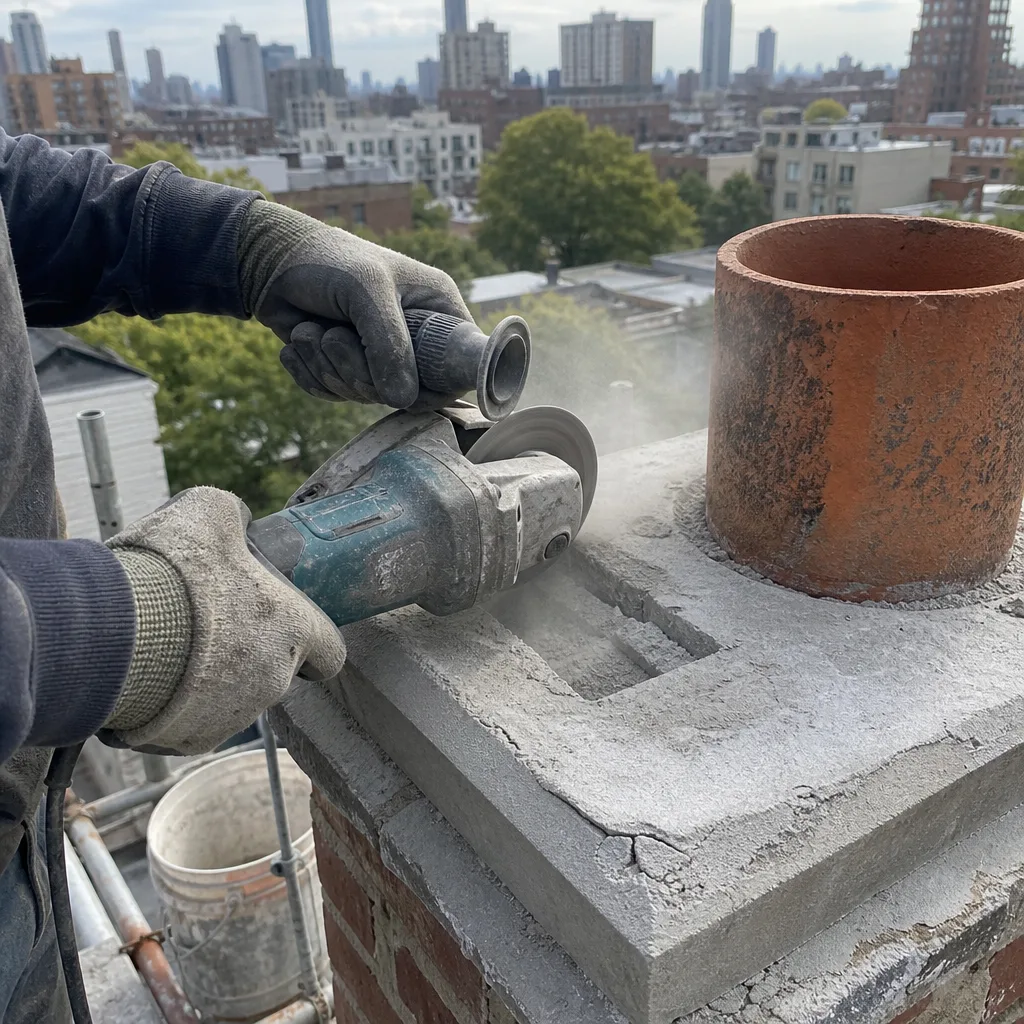
We’re the independent HeatShield specialists in Financial District who will show you the camera footage before quoting a dollar. Written price, written scope, written warranty, photo archive included. Call (551) 213-4778 and speak to a live person, 24/7.
Written by Corrine Halstead, Owner at Level Two Chimney Financial District, serving Financial District since 2009.