
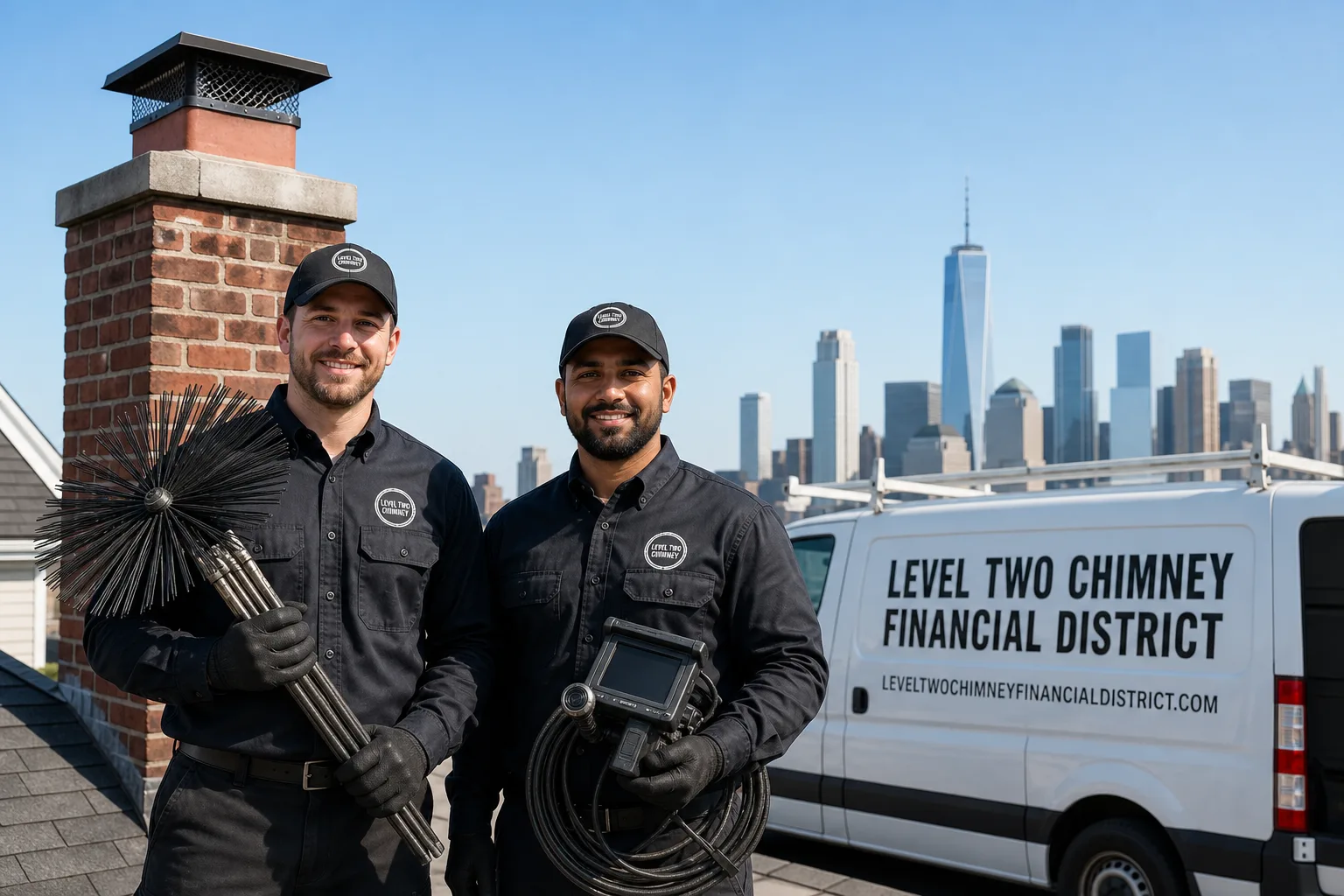
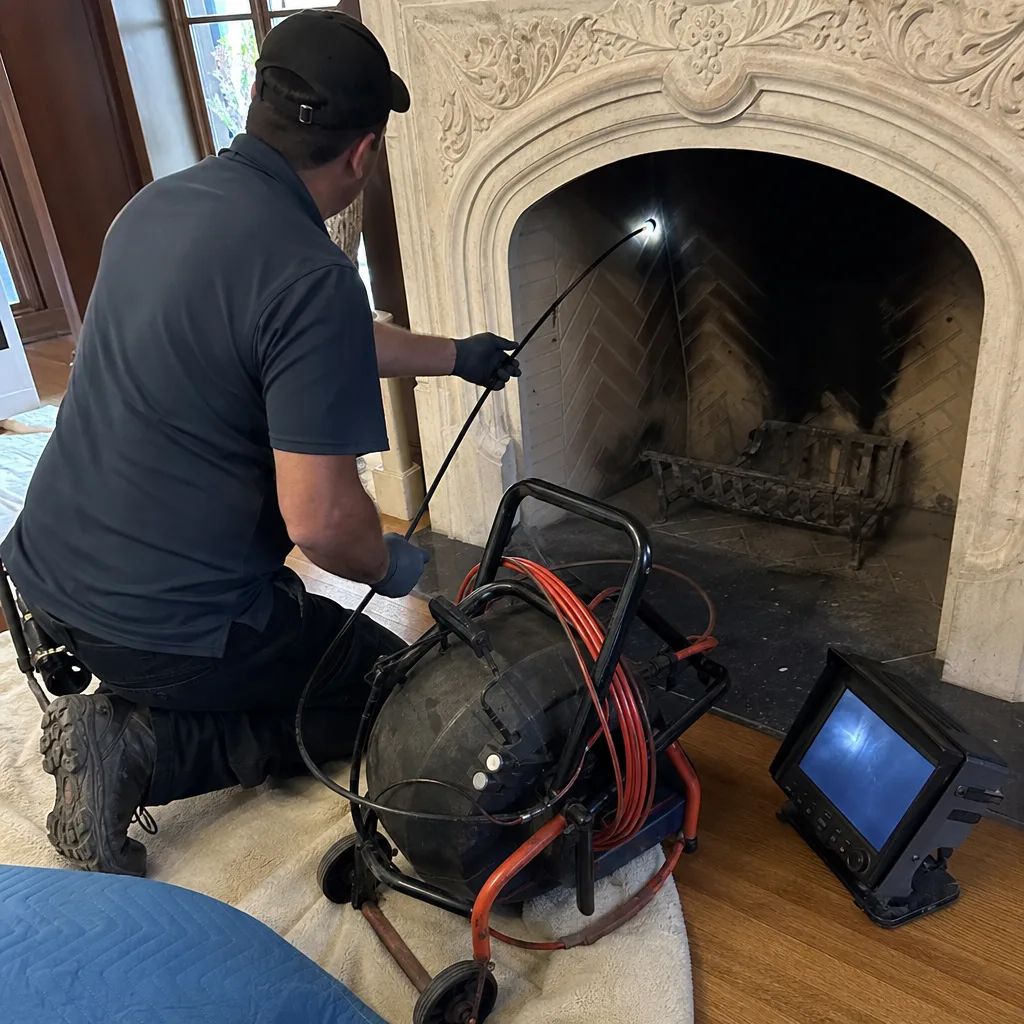
Level 1 sweep and inspection to the NFPA 211 annual standard - flue, crown, cap, and flashing checked and photographed
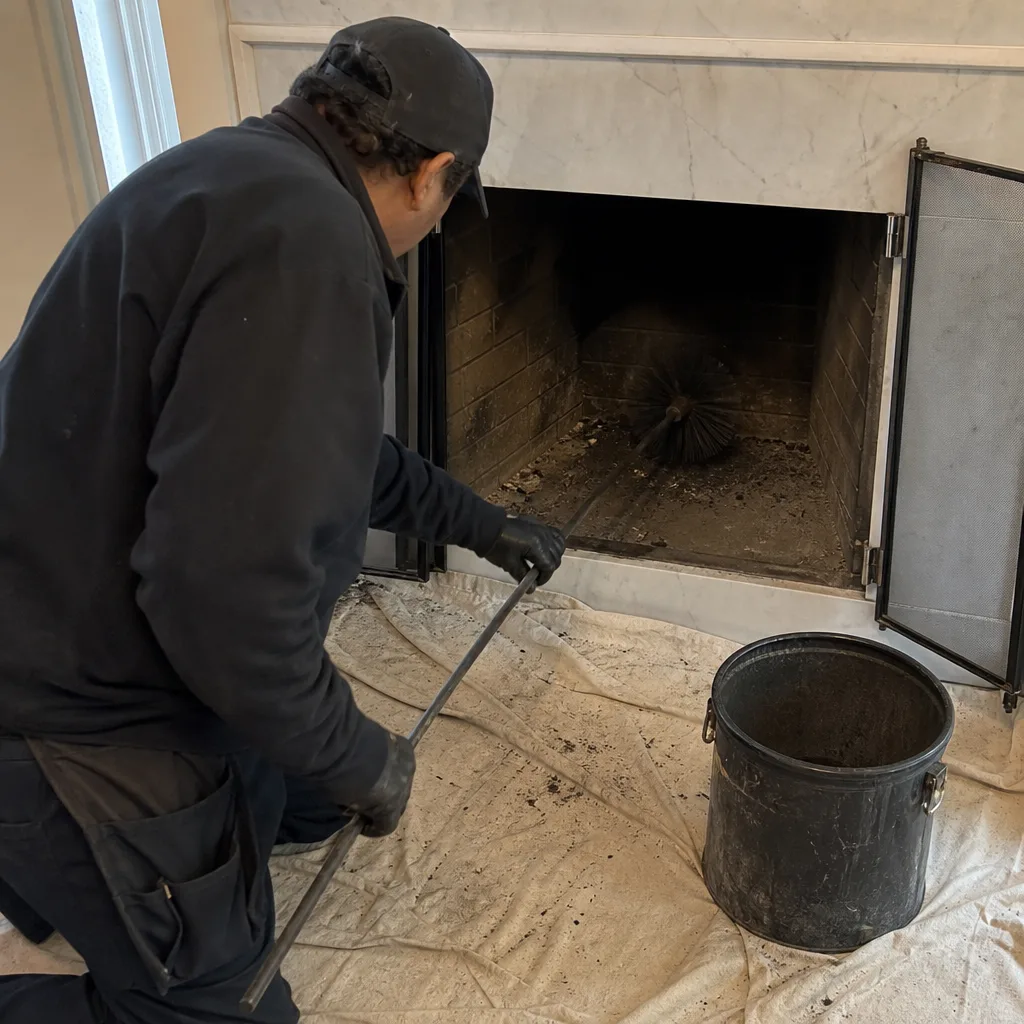
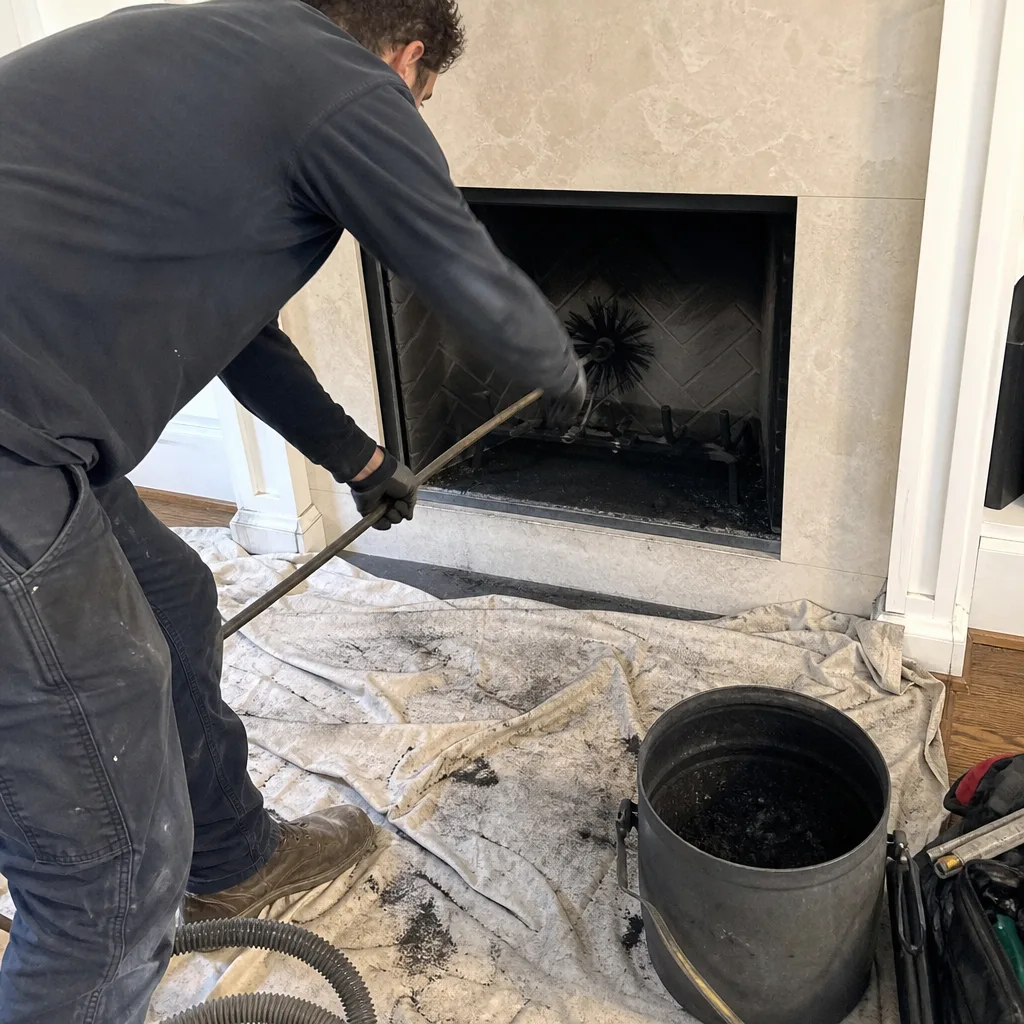
Chimney sweep logs do not sweep chimneys. They loosen some creosote - which then falls where a brush and vacuum still have to collect it.
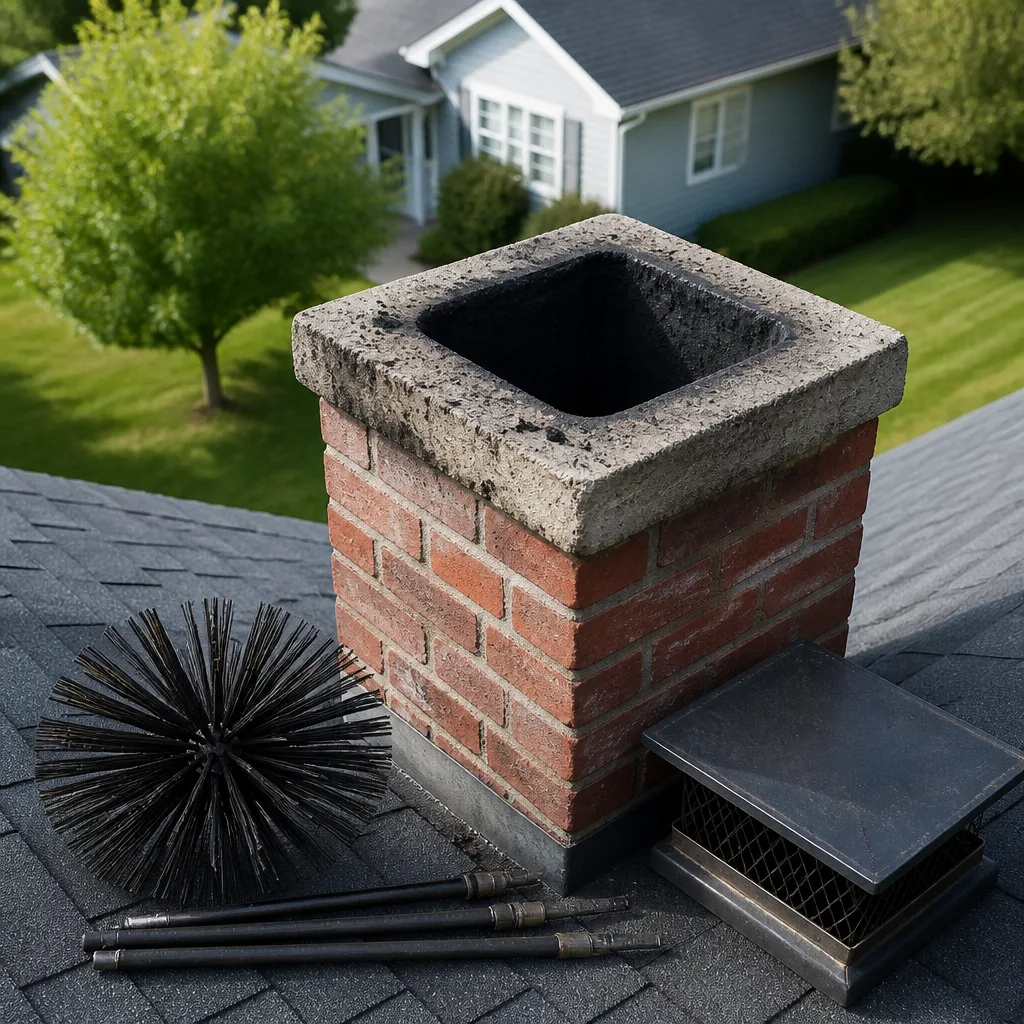
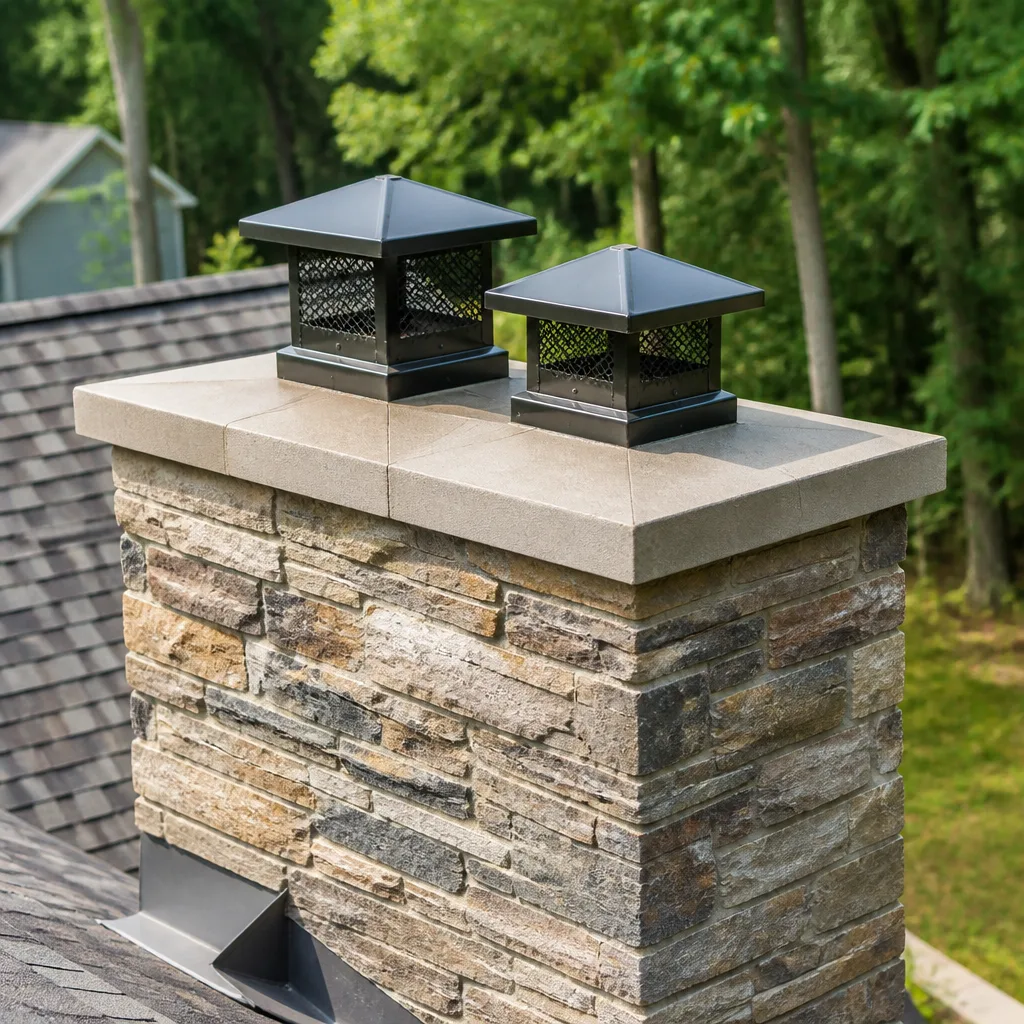
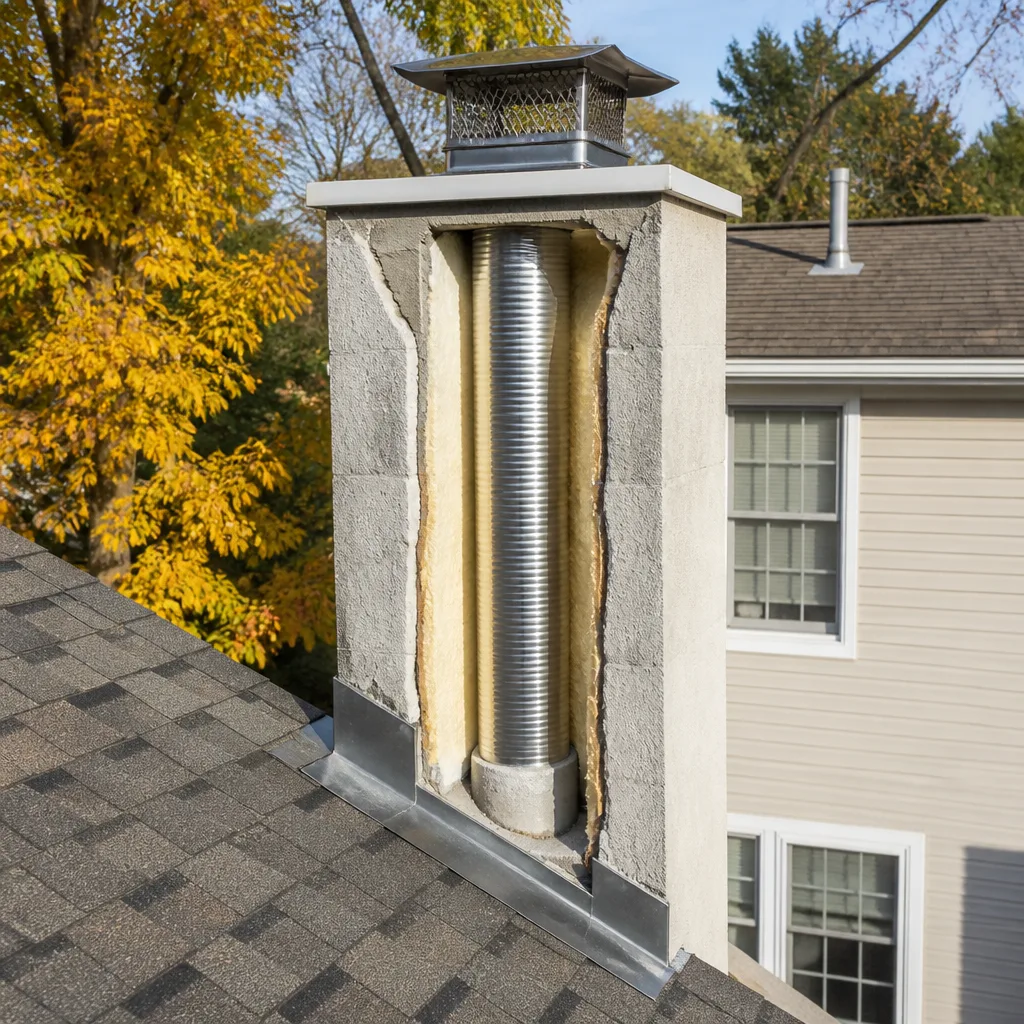
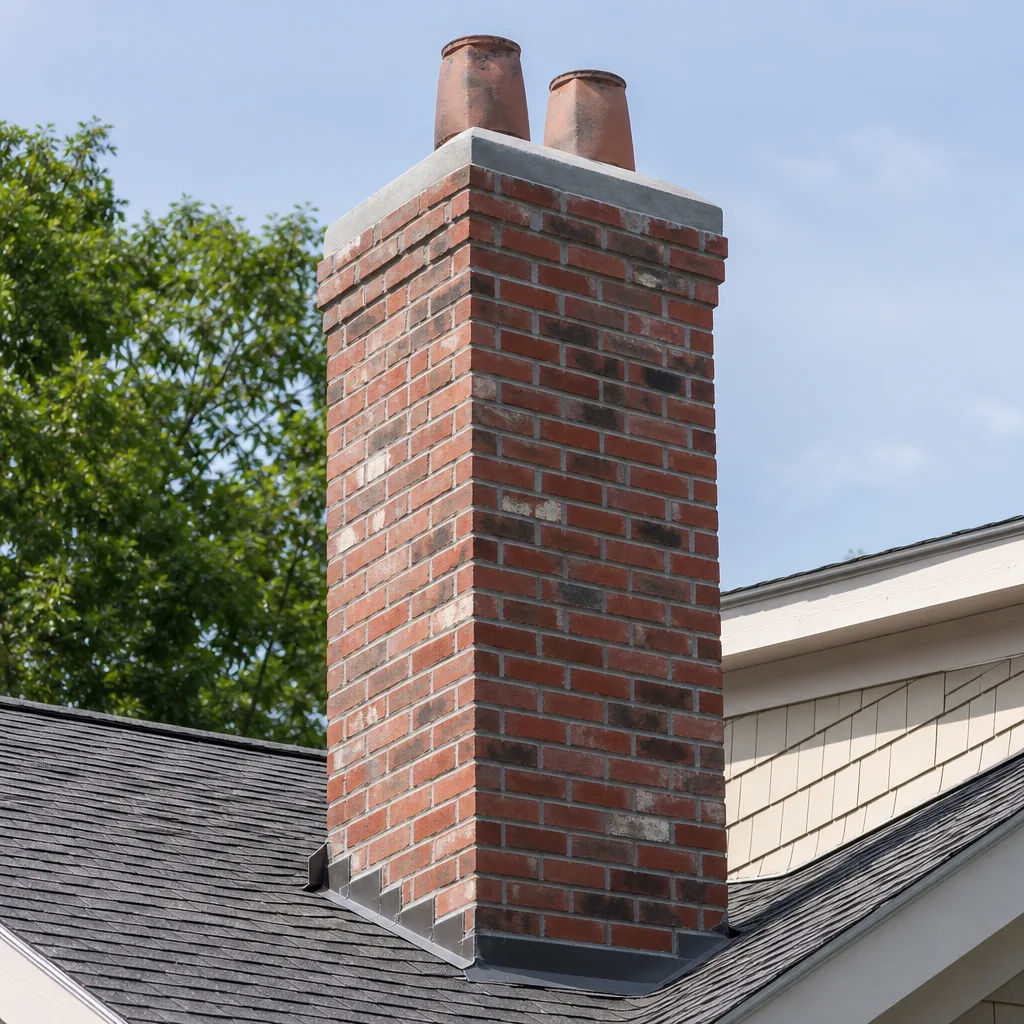
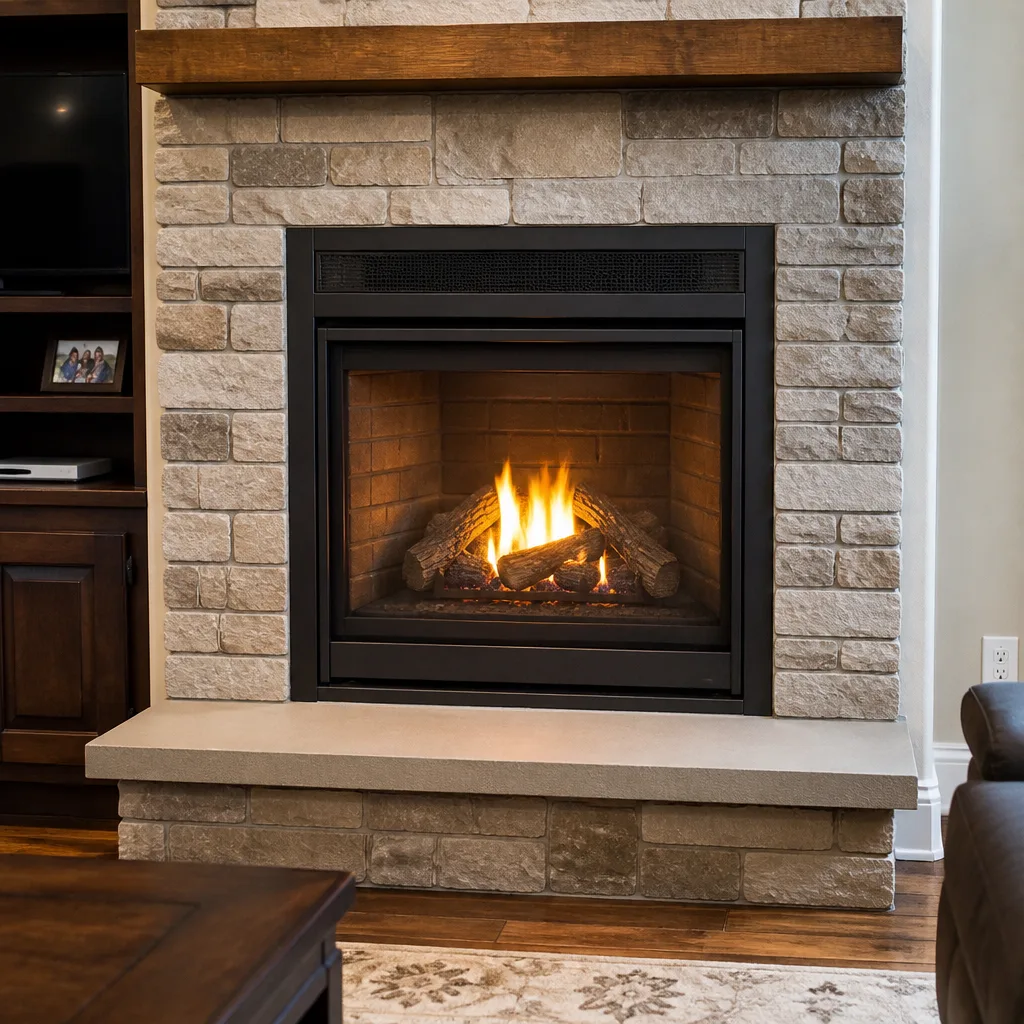
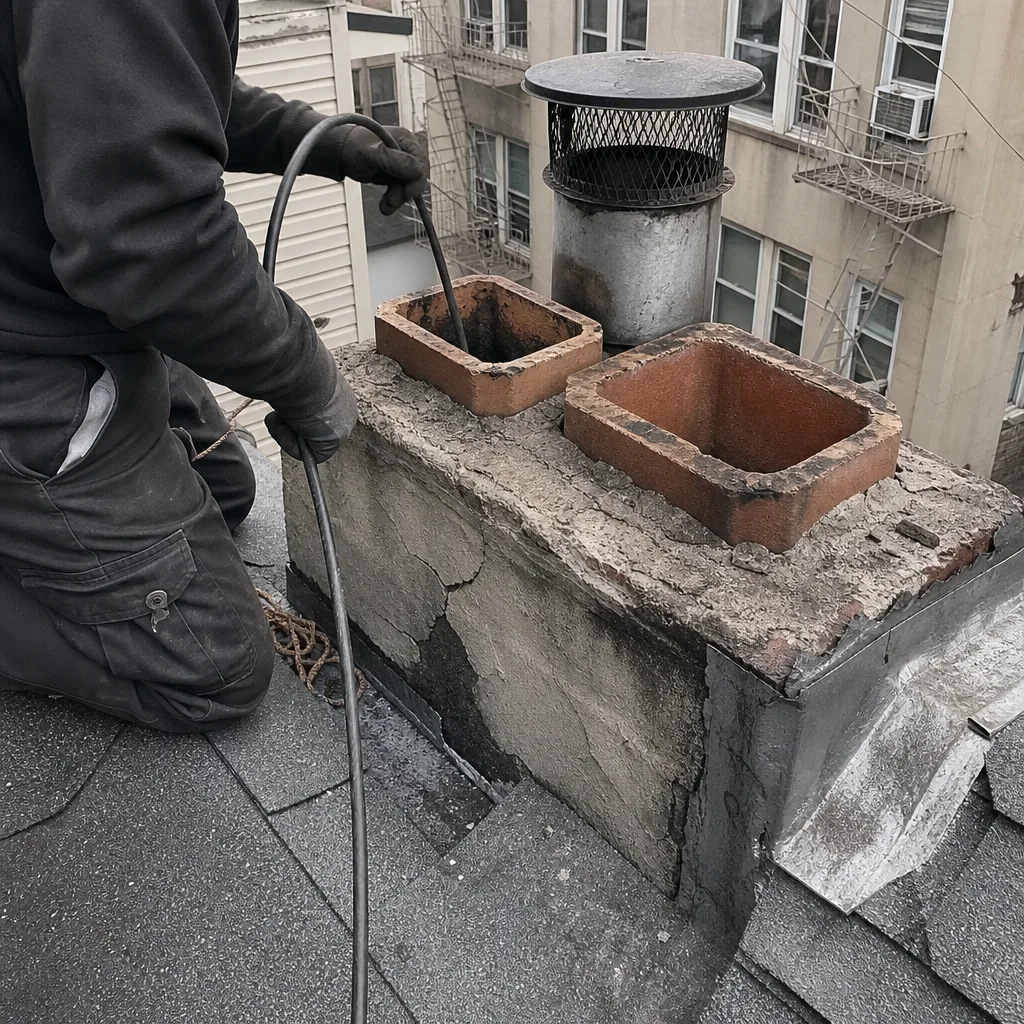 Before
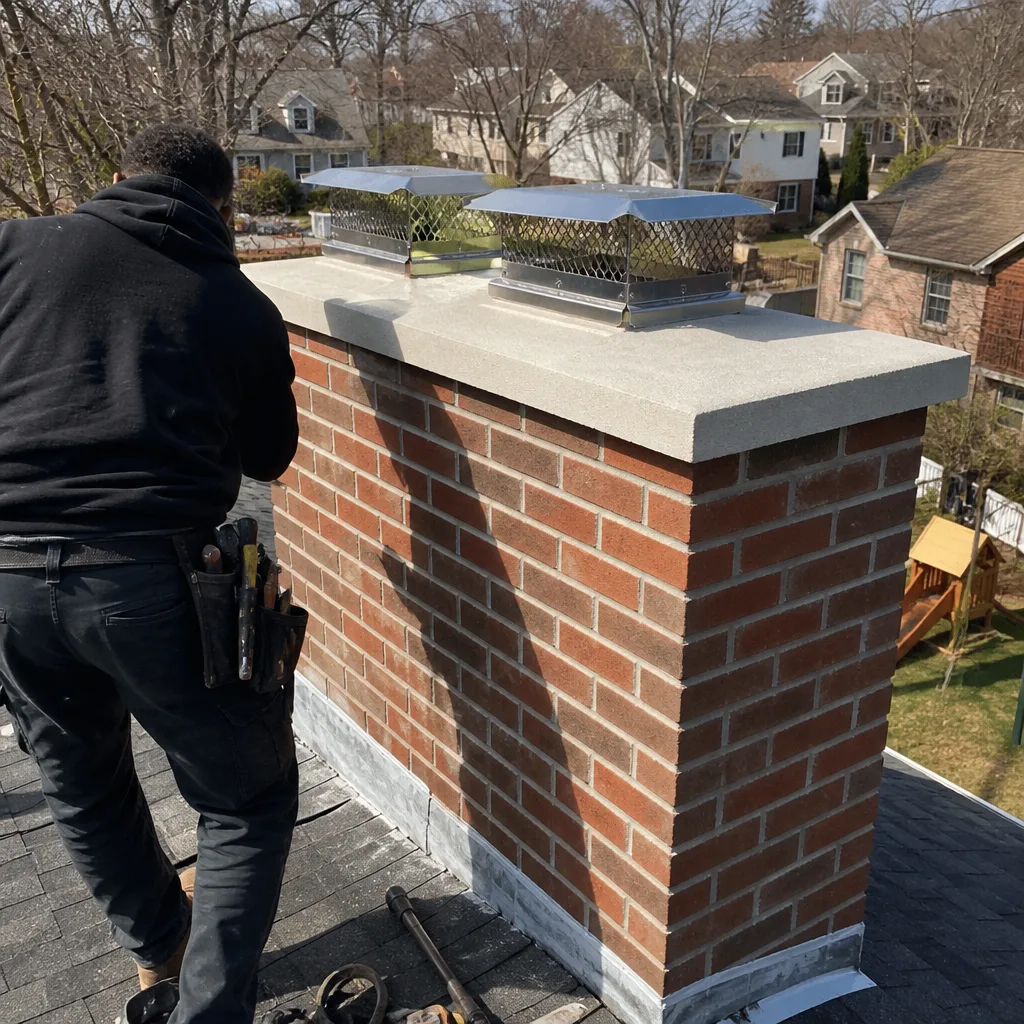 After
After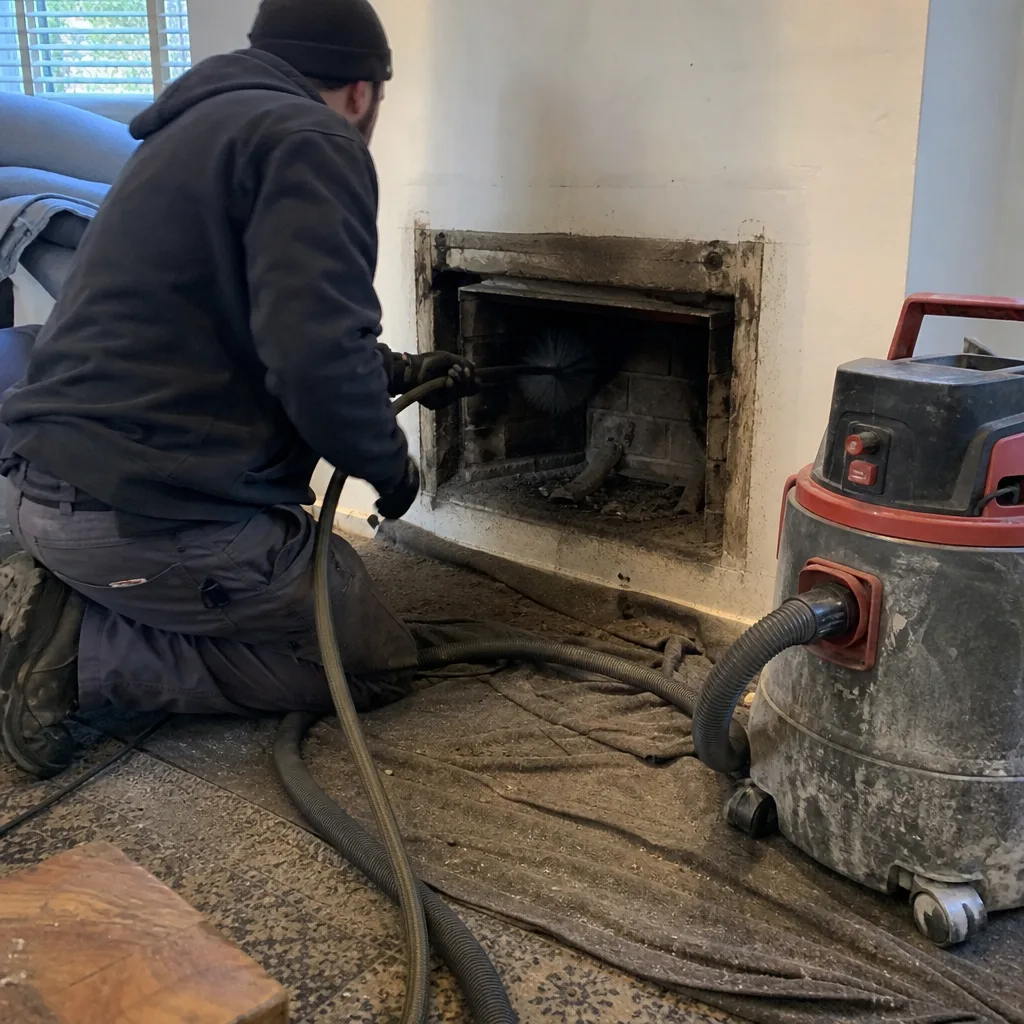 Before
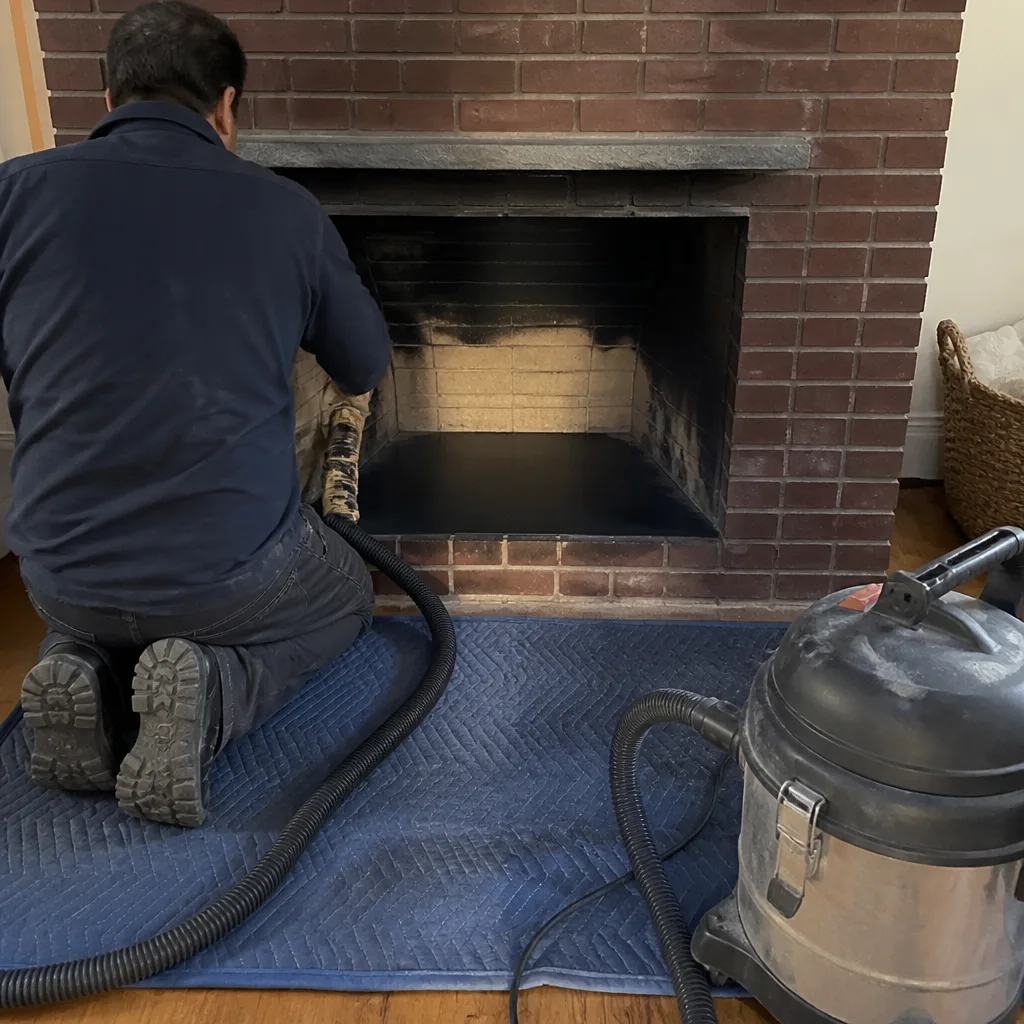 After
After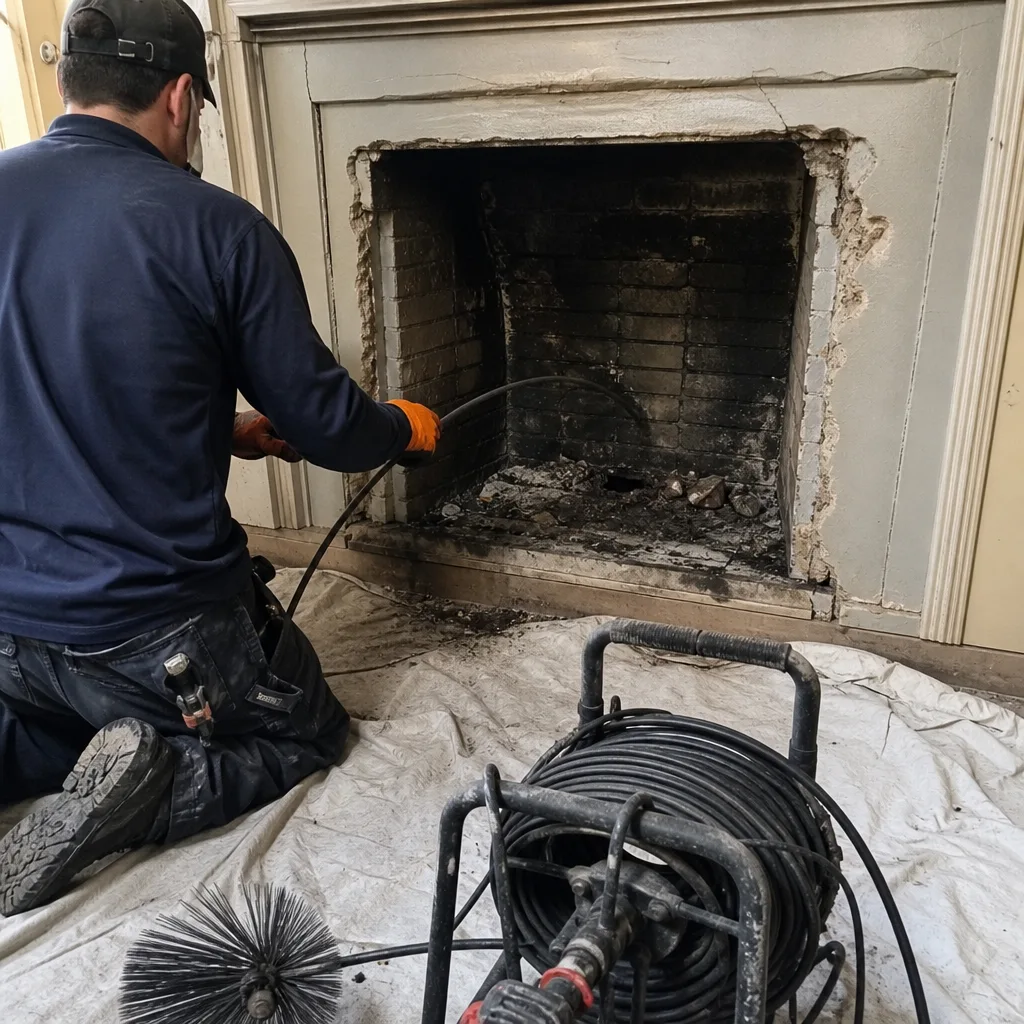 Before
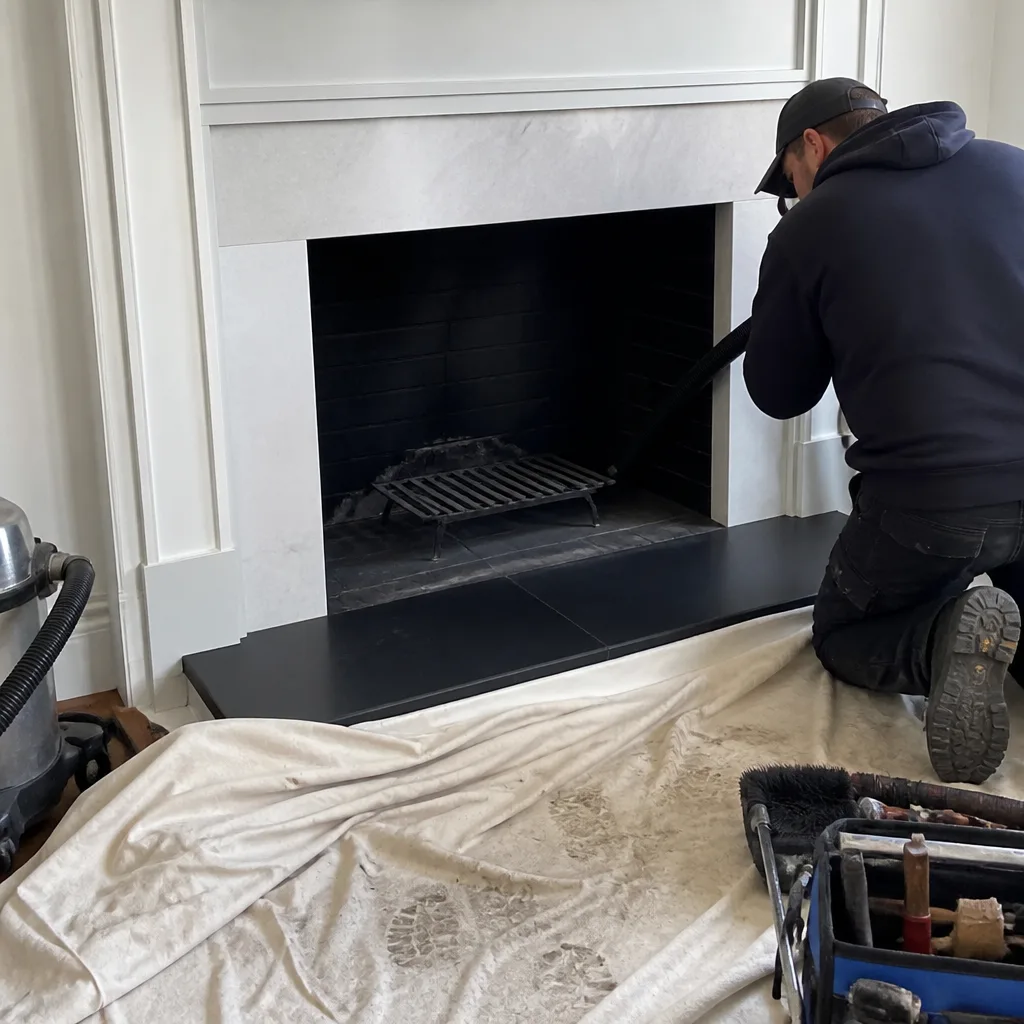 After
AfterFast, Reliable Chimney Cleaning & Sweep Across New York
A chimney sweep and Level 2 inspection in New York typically runs $249-$549 depending on flue count, creosote class, and whether the chase serves a fireplace, a boiler, or both. We book a written price before the truck rolls, and the camera goes down every flue on every visit. That’s the standard Corrine Halstead set when she founded Level Two Chimney Financial District, and it’s how we’ve handled more than 38,000 inspections and cleanings since 2009.
If you own one of the tens of thousands of pre-war rowhouses or brownstones across Brooklyn, Harlem, or the Bronx, the flues in your shared chimney stack have seen a century of fuel conversions: coal, then oil, then gas. Each conversion changed what those flues were sized for and what they were lined with. Most were never relined. Call (551) 213-4778 and we’ll show you, on camera, exactly what’s inside yours.
Why Level Two Chimney Financial District Is New York’s Preferred Chimney Cleaning & Sweep Company
Our Chimney Cleaning & Sweep team works in buildings where a single masonry stack carries four, five, sometimes six flues. A suburban sweep might see one flue per house. We see shared chases, abandoned coal flues, active gas boiler liners, and the occasional fireplace that hasn’t been cleaned since the Reagan administration. That’s not a quirk of the job. It’s the job in New York.
Every visit includes a documented photo record. You don’t take our word for what we found. You see the footage. Clause 4 of the Haven Standard requires it, and we’ve kept that archive running continuously since 2009. When we tell you a liner is spalling or an abandoned flue is uncapped, you’ll have the images to confirm it before you spend a dollar on repairs.
Corrine Halstead built the company around a simple rule: written price, written scope, written warranty, before work starts. No exceptions. If a competitor has quoted you in writing, bring it. We offer a free second opinion on any written estimate. That’s not a promotion. It’s how you know the number on our proposal is honest.
Our Chimney Cleaning & Sweep Services in New York
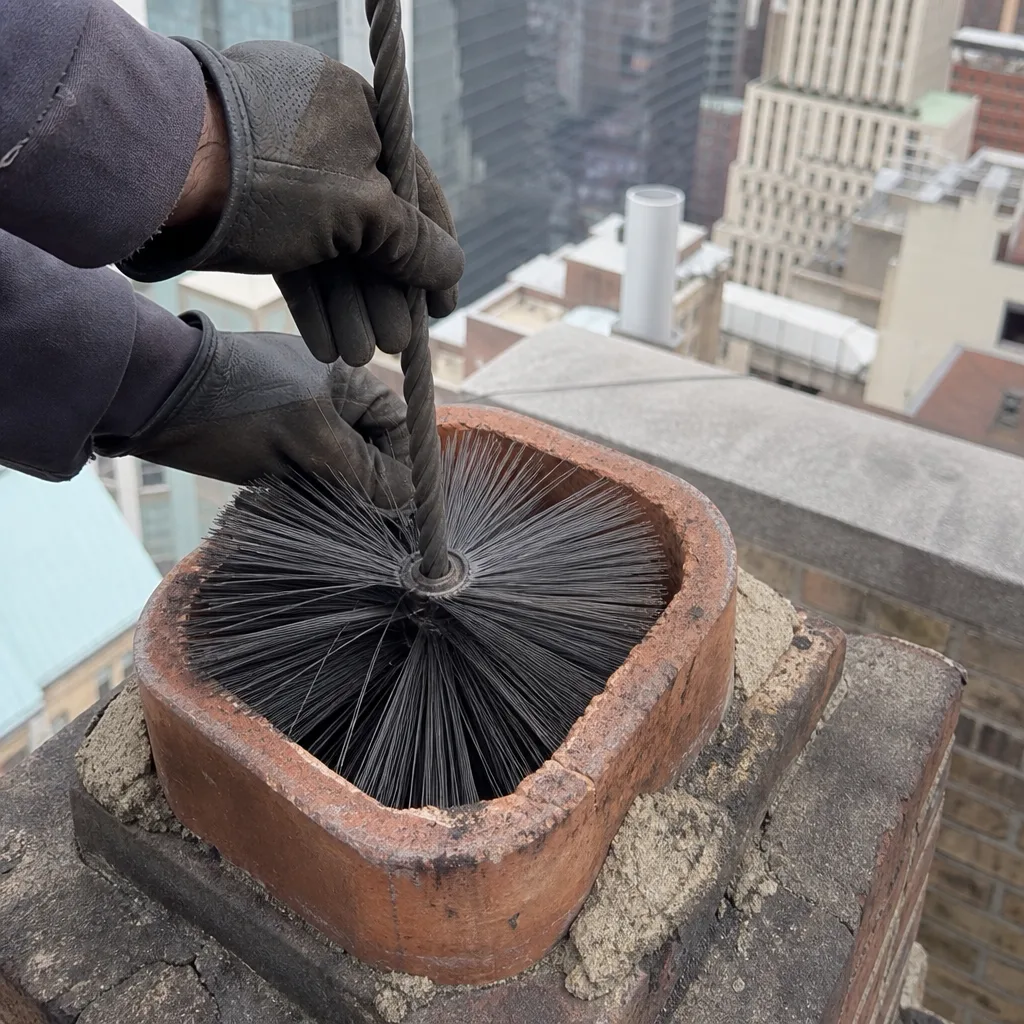
Level 2 Inspection
A Level 2 inspection is the standard we recommend for any New York rowhouse or brownstone where ownership has changed hands or where a fuel conversion happened at some point in the past century. Which is nearly all of them. We run a camera down every accessible flue, document the condition of the liner, check the smoke chamber, and look for breaches between adjacent flues inside a shared chase. In a four-flue brownstone stack, a breach in an abandoned coal flue can become a carbon monoxide pathway into an apartment two floors above. You need eyes on that. We bring them.
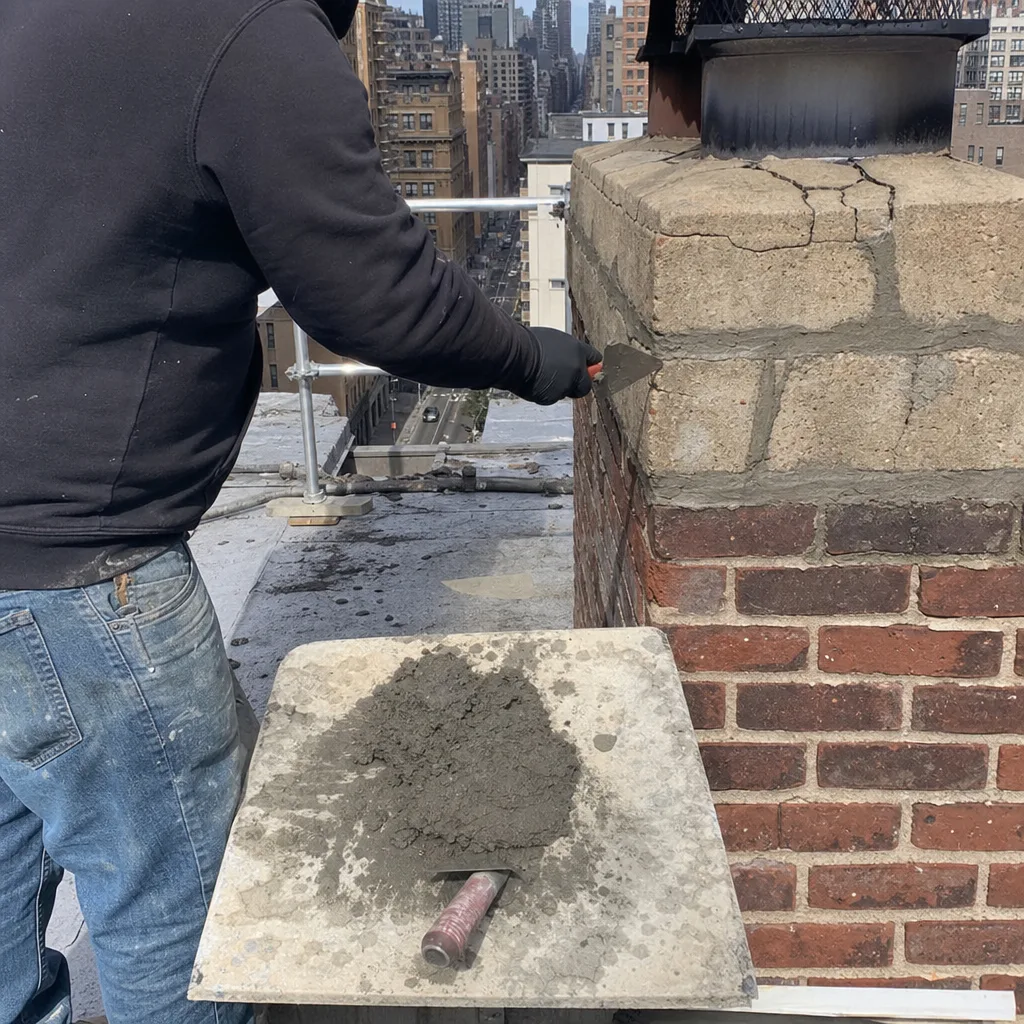
Creosote Removal
Creosote in a New York flue isn’t uniform. First-degree creosote is a light sooty film that brushes out. Third-degree creosote is a hard, glossy glaze that’s bonded to the flue wall and will not come off with a brush. We see third-degree glazing most often in flues that served oil burners for decades, where the residue is oily and dense. We classify what we find, then we quote removal accordingly. If the glaze can’t be safely removed without damaging the liner, we say so plainly.
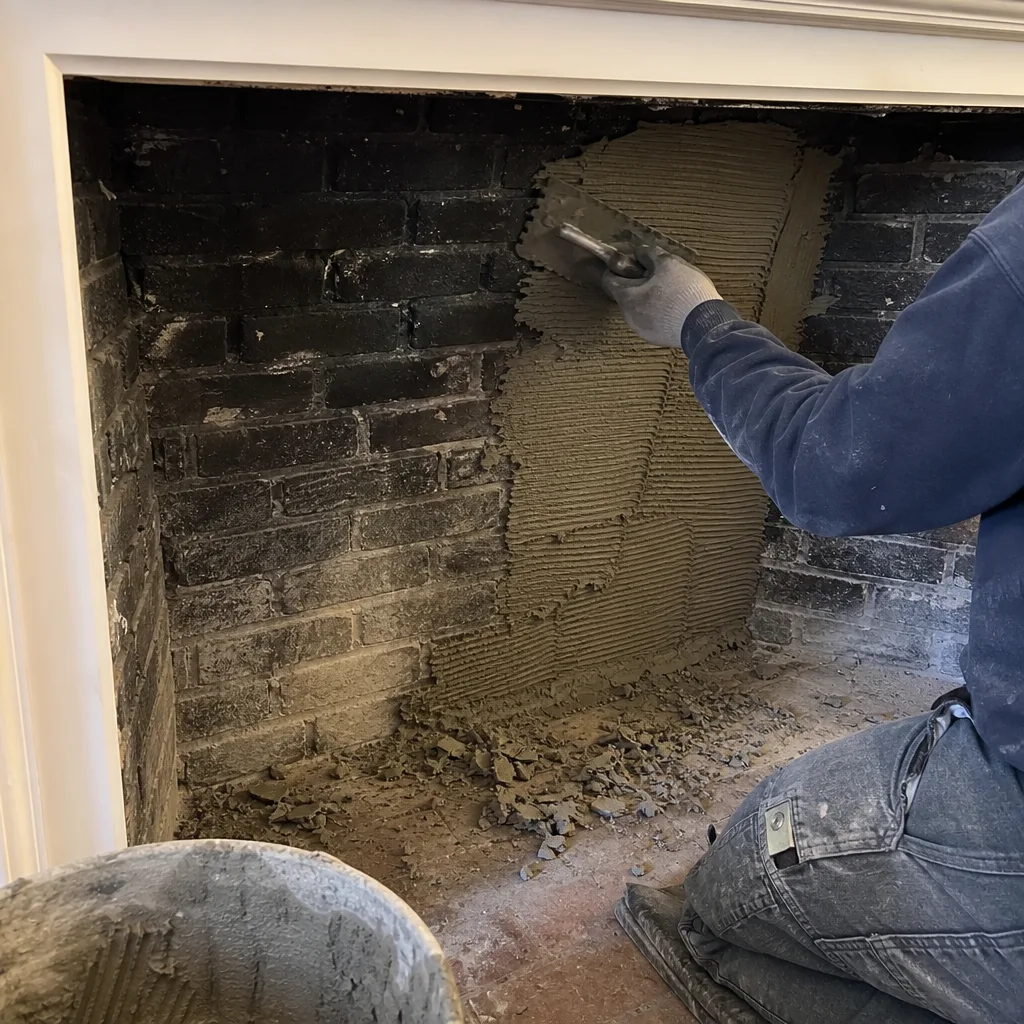
Soot Removal
Gas appliances in New York produce soot differently than wood fires. A gas boiler flue venting into an oversized, unlined brick flue cools too quickly, letting condensation and soot accumulate on the brick. We clean flues serving gas boilers and water heaters throughout Manhattan and the outer boroughs, and we check the connector pipe and draft while we’re at it. Soot is a draft problem first and a fire risk second. Both get addressed.
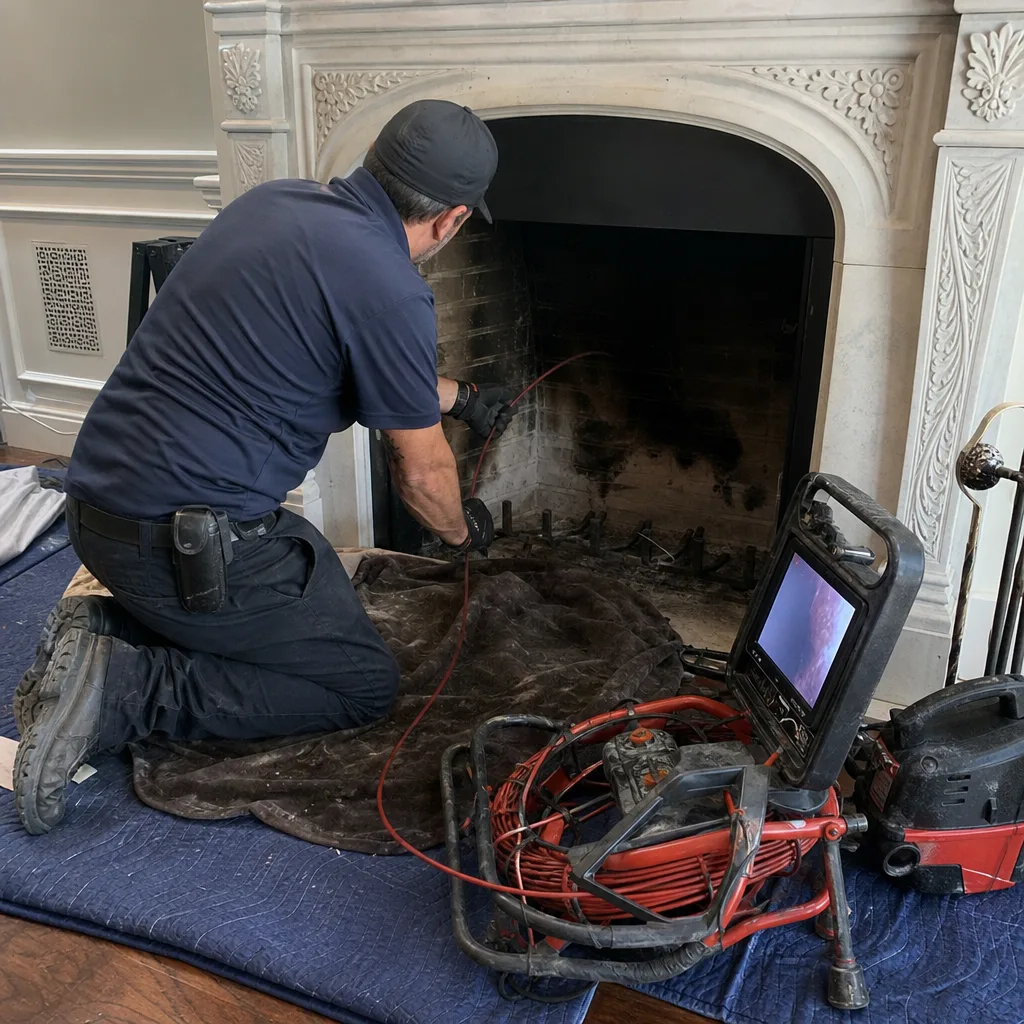
Annual Sweep
For fireplaces that actually get used, the National Fire Protection Association recommends an annual sweep when creosote reaches 1/8 inch. For flues that serve only gas appliances and see no wood use, the interval can be longer, but the inspection should still happen. We’ll tell you when cleaning can wait. There’s no upsell in telling a customer their flue is clean. The camera record is the evidence, either way.
What happens when you call
- 1
A real person answersNo phone trees - you reach a local pro.
- 2
You get an upfront price rangeHonest numbers before anyone is dispatched.
- 3
A background-checked tech heads outLicensed & insured, dispatched right away.
- 4
You approve before work beginsNothing starts until you say go.
BeforeAfterTrusted Brands We Service in New York
We install and service components from DuraFlex, HeatShield, and Copperfield because we’ve seen what holds up in New York’s coastal air and freeze-thaw winters. When a galvanized cap corrodes through in Red Hook within five years, we replace it with stainless, not another galvanized unit that’ll fail on the same schedule. We keep common New York parts in local inventory, which means most cap and crown repairs quote, schedule, and complete without a second visit. Materials are sourced through Haven’s buying network specifically to keep prices where they should be for New York homeowners.
Common Chimney Cleaning & Sweep Problems We See in New York Homes
- Uncapped abandoned flues in shared masonry chases. A brownstone in Harlem or Crown Heights often has two or three abandoned coal or oil flues sharing a chase with an active boiler flue. If those abandoned flues are uncapped and internally breached, carbon monoxide moves between units. This is a DOB compliance issue and a safety issue, and it’s fixable.
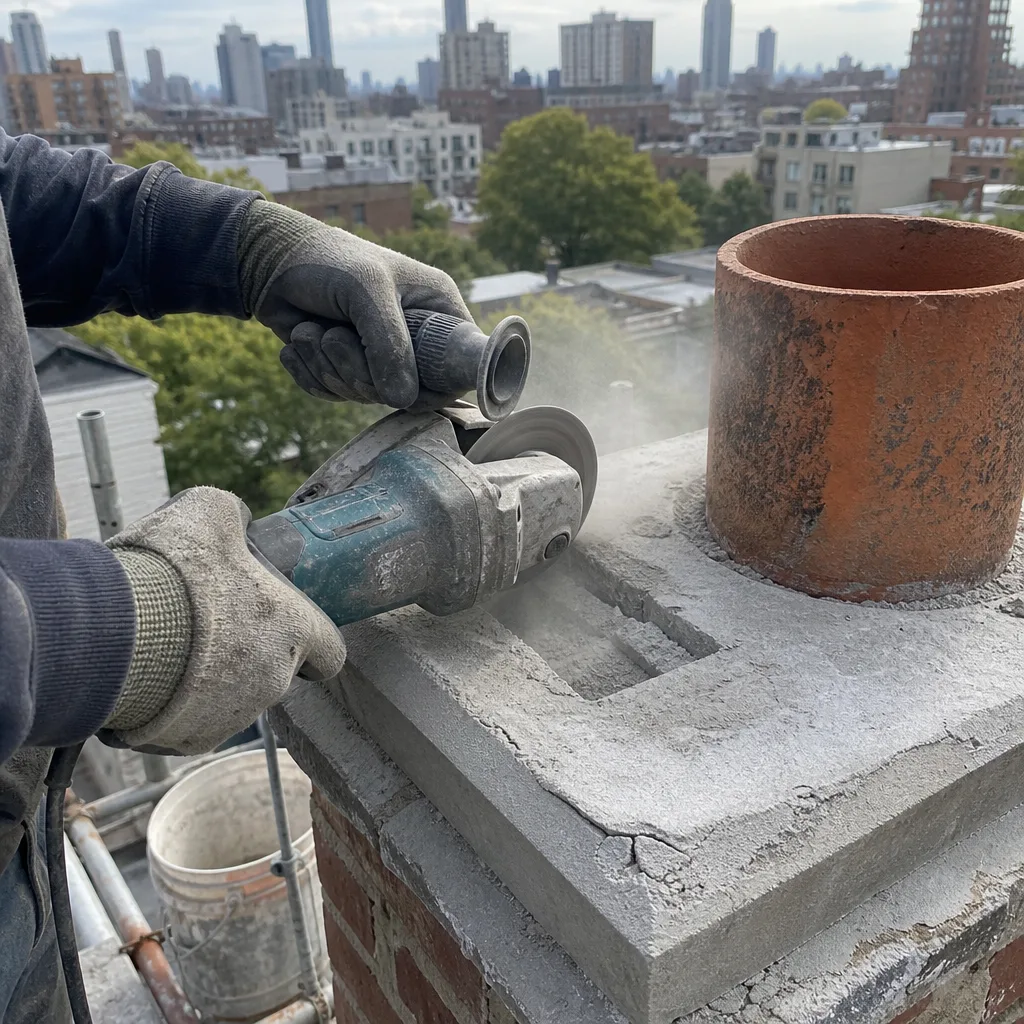
- Salt-air corrosion on caps and flashing. Red Hook, the Rockaways, and parts of Staten Island get coastal salt exposure that inland Brooklyn never sees. Galvanized caps pit and rust through in five to seven years. Flashing corrodes at the roofline and lets water into the masonry.
- Freeze-thaw crown and brick failure. New York’s winters cross 32°F dozens of times each season. Water gets into hairline cracks, freezes, expands, and spalls brick faces and crown mortar. On a shared four-flue stack, a cracked crown means water entering all four flues at once.
- Oversized, unlined brick flues from fuel conversions. The 1880-1940 rowhouse stock was built for coal. When gas boilers replaced oil burners, nobody relined the flues. Gas exhaust into a large, cold brick flue condenses, soots, and deteriorates the mortar. A properly sized liner fixes the draft and the deterioration together.
Pricing for Chimney Cleaning & Sweep in New York, NY
A straight chimney sweep on a single flue in New York runs $249-$349. Add a Level 2 camera inspection and you’re at $399-$549 for most single-family rowhouses. Brownstones with multiple flues in one stack run higher because each flue is cleaned and inspected separately; a four-flue brownstone sweep and inspection typically lands between $700 and $1,100. Creosote removal runs $150-$400 per flue depending on creosote class and flue length. HeatShield resurfacing for a breached clay liner starts around $1,800 per flue. Every quote is in writing before work starts, and every job includes the photo record. Call (551) 213-4778 for an exact number on your building.
We Also Serve Cities Near New York
Our crews cover Chimney Cleaning & Sweep in New York and the surrounding boroughs and neighborhoods, including Manhattan, Long Island City, Astoria, and Elmhurst. If you’re in a pre-war rowhouse in Queens or a converted factory loft in LIC, the flues are different but the standard is the same: camera down, written price, photo record.
Serving New York, NY - Our Local Coverage Area
We’re based in the New York area and know this community well. Use the map below to see our service coverage - if you’re nearby, we can almost certainly help.
FAQs - Chimney Cleaning & Sweep in New York
Every two years at minimum, even if the fireplace never gets lit. The flue serving your gas boiler or water heater is active regardless of fireplace use, and in a shared New York chase, abandoned flues can deteriorate and breach without anyone noticing. A Level 2 inspection documents it all. Call (551) 213-4778 to schedule.
Uncapped abandoned flues in shared masonry chases. NYC DOB requires multiple-dwelling chimneys to be inspected and signed off annually, and a breached, uncapped abandoned flue is a code violation that can trigger a Stop Work Order for the whole building. We fix these with proper caps and HeatShield sealing, and we document the repair for DOB records.
Salt air. Coastal salt spray accelerates galvanic corrosion on galvanized steel caps and flashing, pitting the metal within five to seven years. Inland neighborhoods like Park Slope or Bed-Stuy see half that rate. When a coastal New York cap fails, we replace it with stainless steel, which holds up far longer in salt exposure.
First-degree creosote is a loose, sooty film that brushes out with standard sweeping tools. Third-degree creosote is a hard, glossy glaze bonded to the flue wall, and it typically forms in New York flues that served oil burners for decades before gas conversion. Third-degree creosote won’t brush out. It requires chemical treatment or mechanical removal, and sometimes it’s evidence the liner itself needs replacing.
Yes, at Level Two Chimney Financial District it always does. A Level 2 inspection by definition includes camera scanning of the flue interior, and in a New York pre-war rowhouse that camera is the only way to see breaches between adjacent flues inside a shared chase. We’ve performed over 38,000 inspections with a camera down every flue, every time. The footage is yours to keep.
Written by Corrine Halstead, Owner at Level Two Chimney Financial District, serving New York since 2009.