
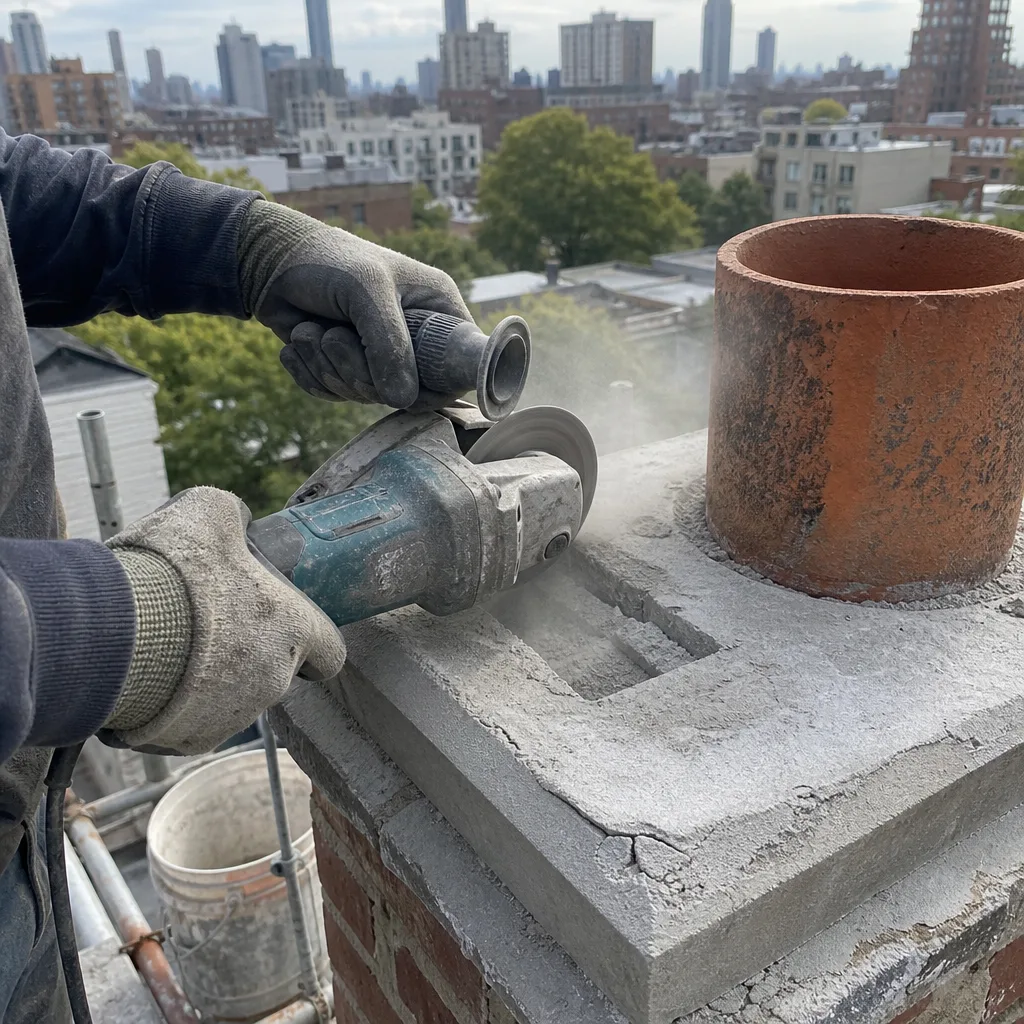
Level 1 sweep and inspection to the NFPA 211 annual standard - flue, crown, cap, and flashing checked and photographed
Chimney sweep logs do not sweep chimneys. They loosen some creosote - which then falls where a brush and vacuum still have to collect it.
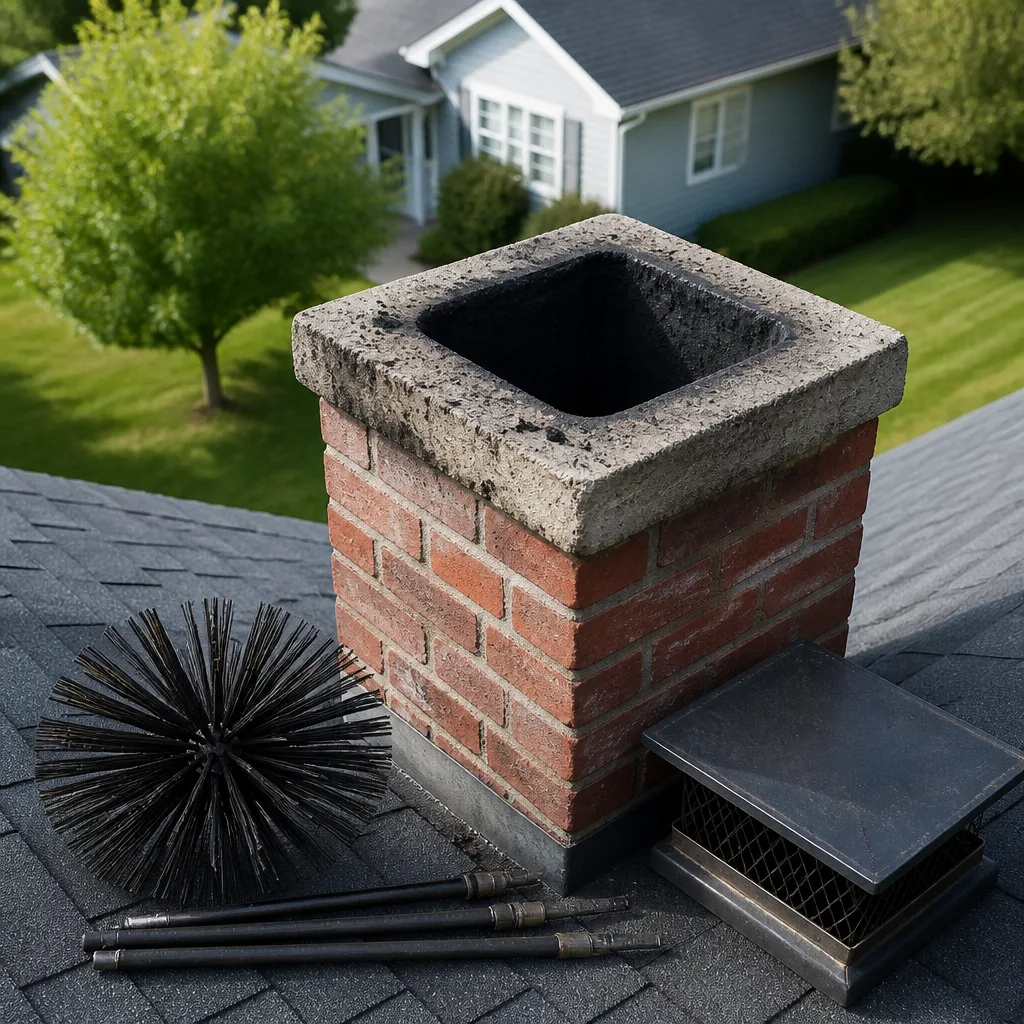
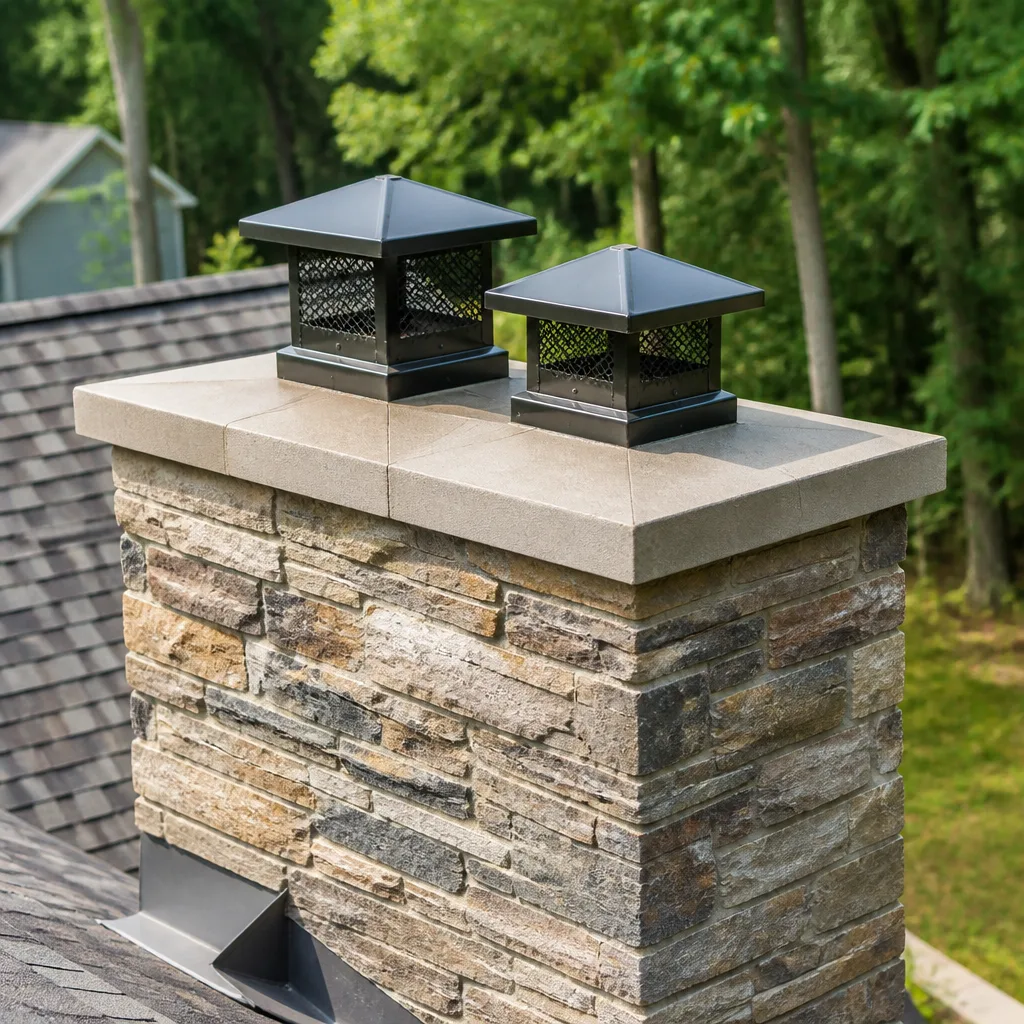
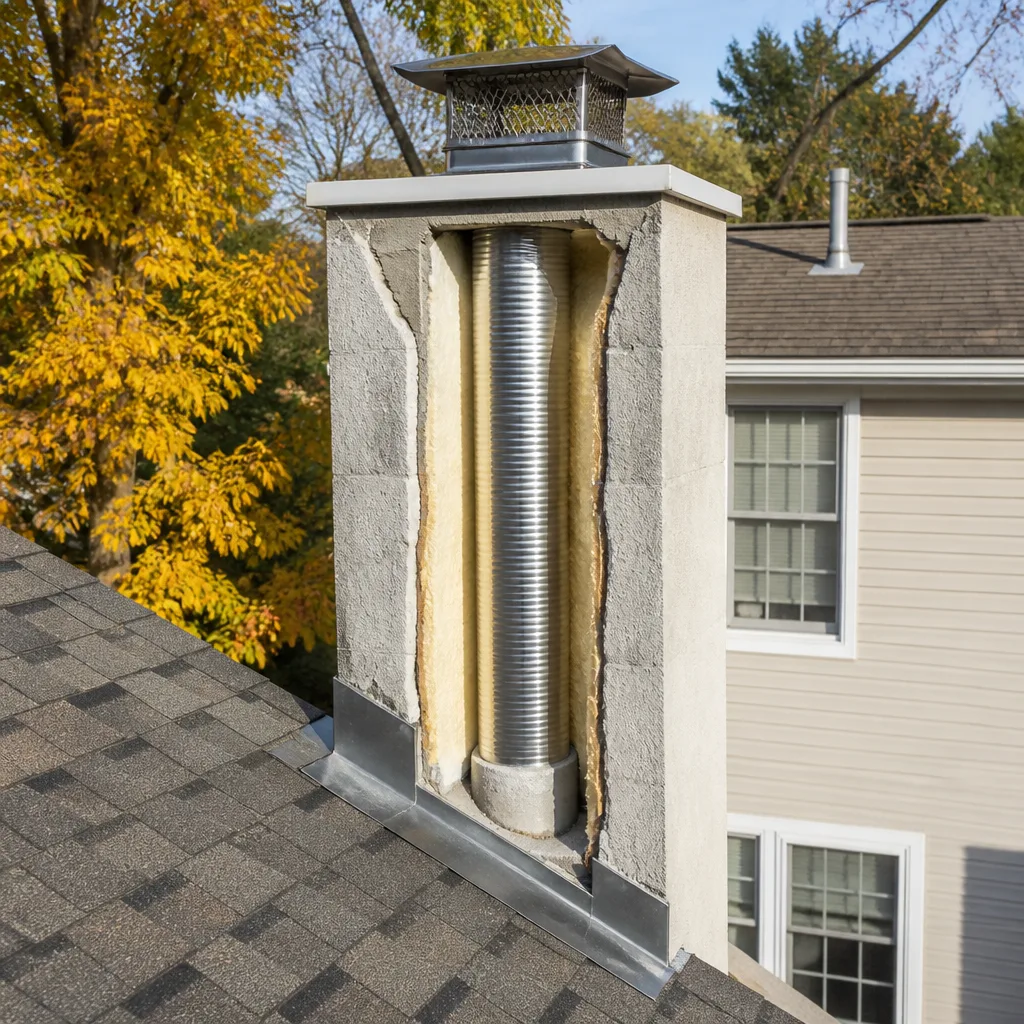
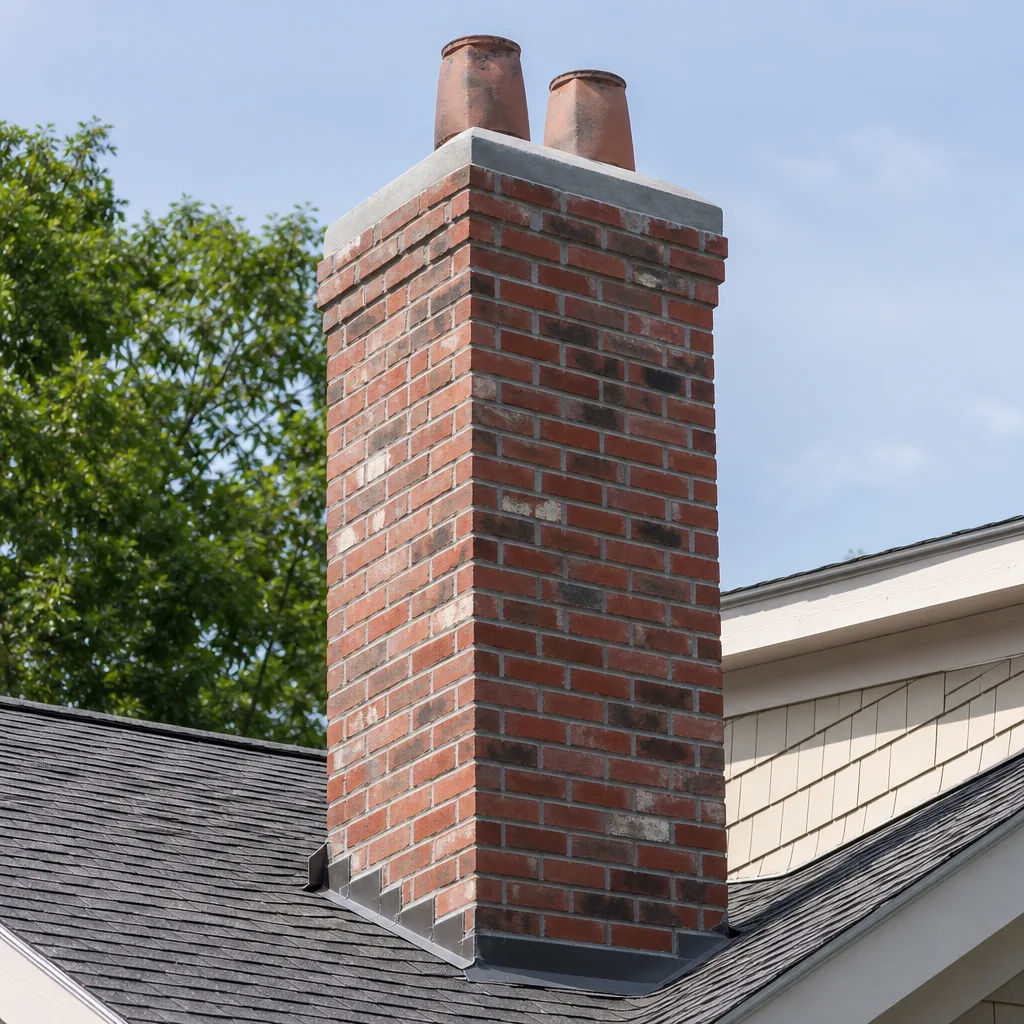
 Before
 After
After Before
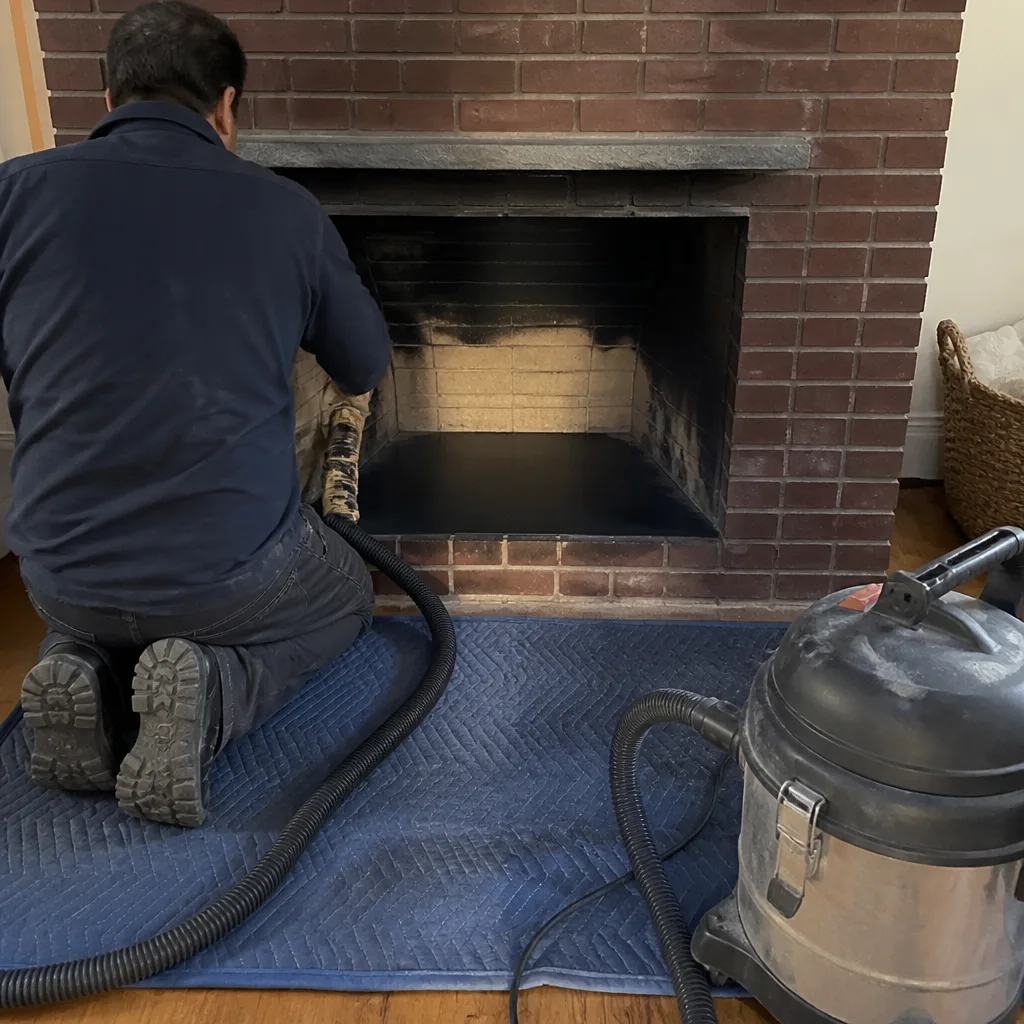 After
After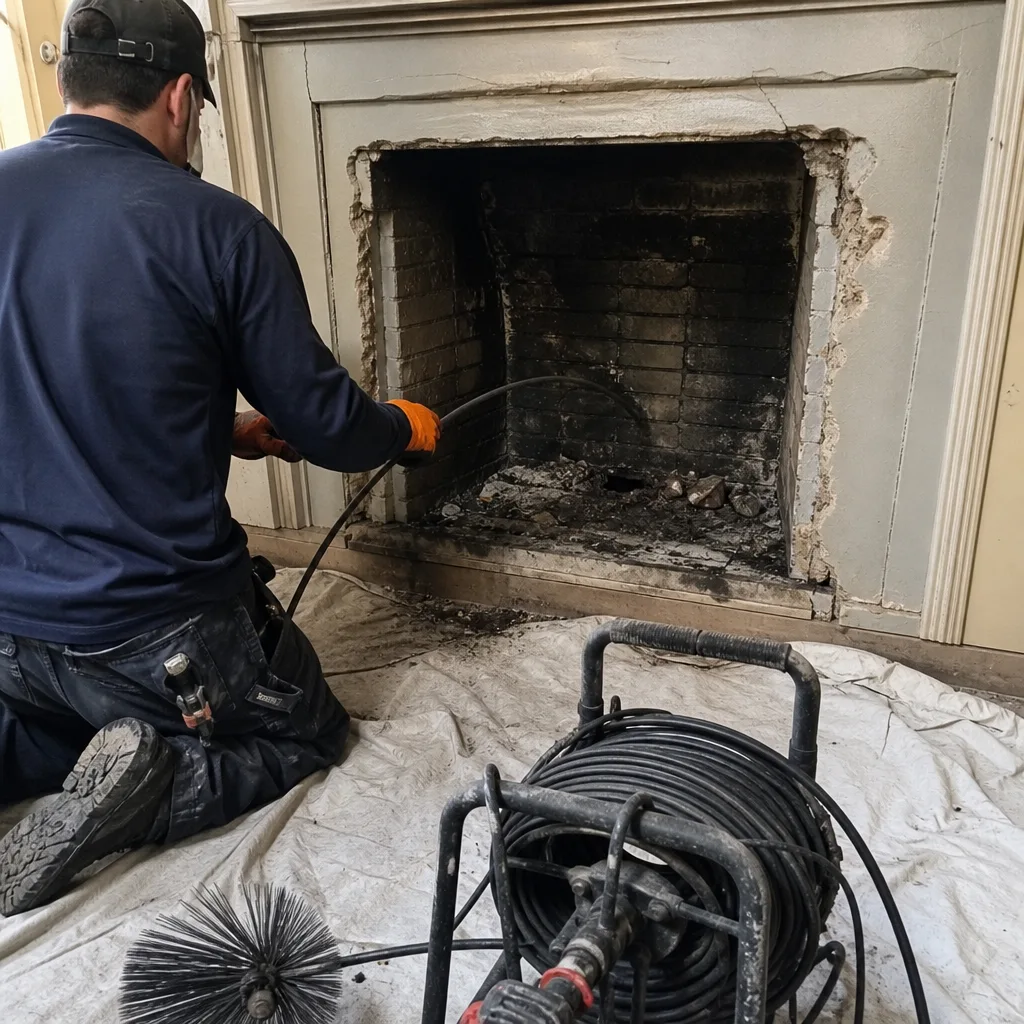 Before
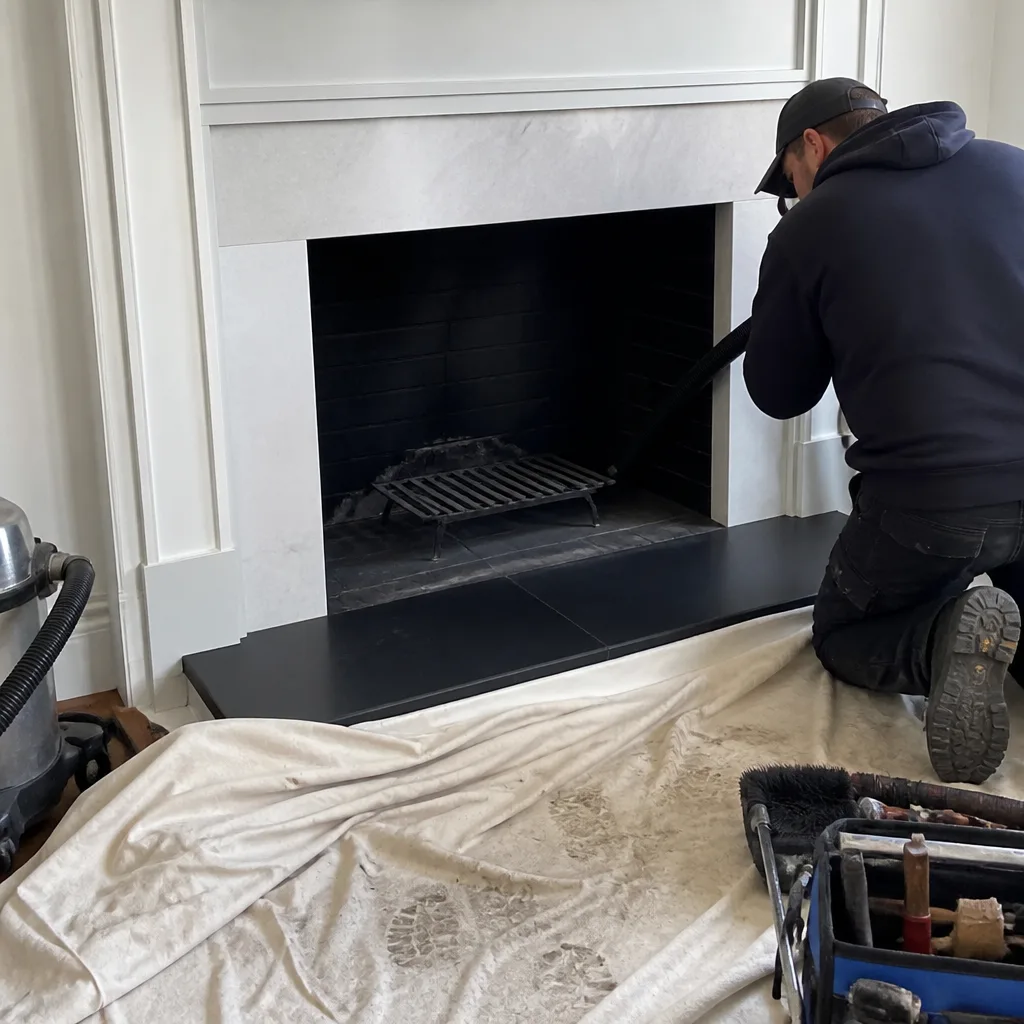 After
AfterCreosote Removal in Financial District, NY
Creosote removal in Financial District, NY typically costs between $180 and $650, depending on the class of buildup and how much linear flue footage needs to be treated. Most jobs are completed in a single visit, and every one starts with a Level 1 Inspection camera scan down the flue so you know exactly what you’re dealing with before any work begins.
If you use your fireplace regularly – even a couple of times a week during a New York winter – creosote is building up inside your flue liner right now, which is why Fireplace Cleaning matters. That’s not an exaggeration; it’s combustion chemistry. The byproducts of burning wood condense on cooler flue walls and harden into a tar-like coating that can ignite at temperatures exceeding 2,000°F. In the dense residential towers and converted commercial buildings of Financial District, a chimney fire isn’t just a home problem – it’s a building problem, and the liability that follows is real.
At Level Two Chimney Financial District, we’ve handled Chimney Cleaning & Sweep in Financial District since 2009, and creosote removal is the job that comes up more than any other. Corrine Halstead built this operation around one standard: you get a written price, a written scope, and a written warranty before anyone touches your chimney. Call us at (551) 213-4778 – a live person answers around the clock, every day of the year.
What Creosote Actually Is (and Why Class Matters)
Creosote forms in three distinct classes, and the class determines everything: what method we use, how long the job takes, and what it costs. Getting this wrong – or skipping the camera scan and guessing – is how other companies end up back at your door with a bigger bill and a worse outcome.
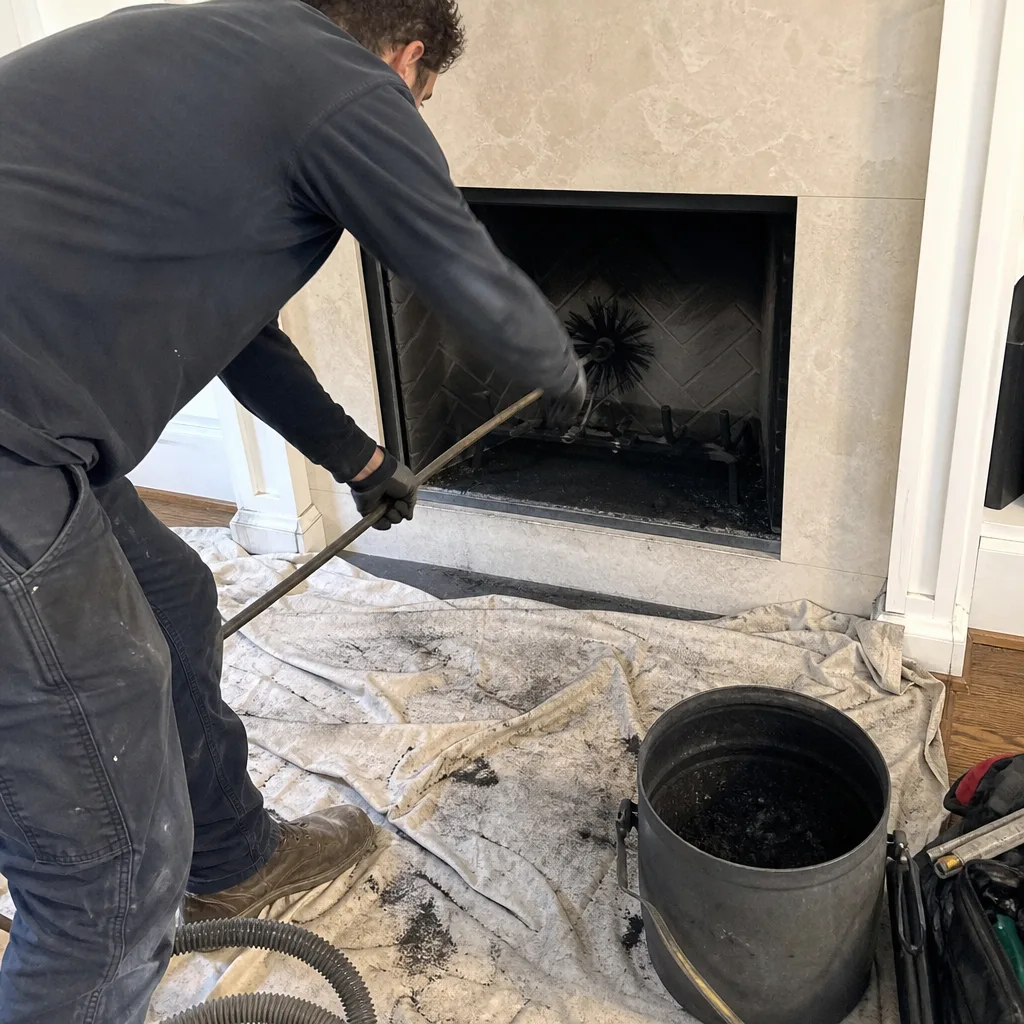
Class I creosote is the dusty, flaky gray-black soot that standard chimney brushes remove in a single pass. It’s what you get after a season of burning dry, seasoned hardwood in a well-drafted flue. Left alone, it progresses.
Class II creosote is denser – a tar-glazed layer that has started to harden against the liner wall. Brushes alone won’t cut it. We use a combination of mechanical brushing and a chemical conditioning agent (rotary loop systems where the geometry allows) to break the bond before sweeping it clear.
Class III creosote is the one that gets talked about in fire reports. It’s a shiny, concentrated tar that has baked onto the flue liner and can run or puff during combustion. Removing Class III requires a chemical treatment – typically a Poultice Creosote Remover (PCR) applied in stages over one or more visits – followed by a full camera inspection to confirm the liner surface is sound. We use HeatShield and Copperfield-sourced conditioning products for this work, because material quality at this stage isn’t where you want to cut corners.
When You Need Creosote Removal
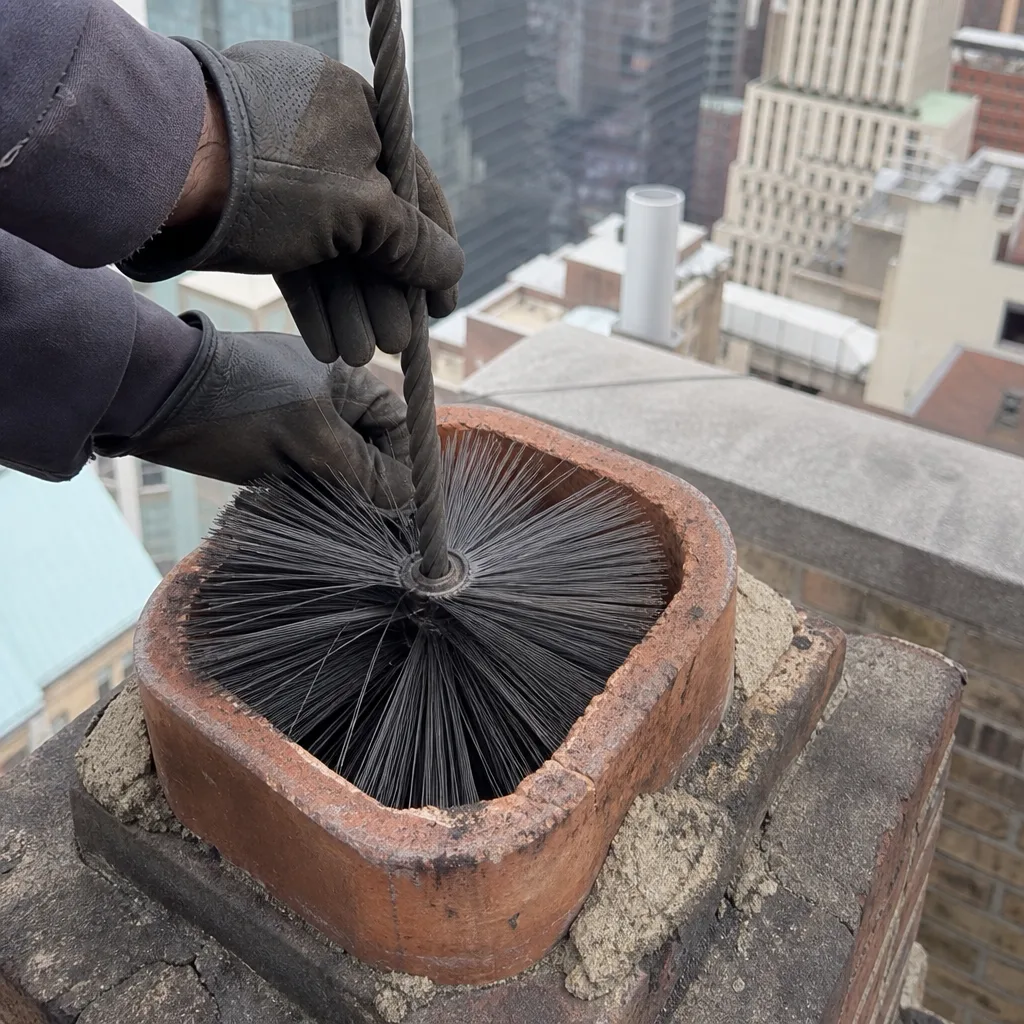
- You burned green or unseasoned wood this past season. Wet wood burns cooler, deposits more condensate, and accelerates creosote buildup by a factor most homeowners don’t expect. If your firewood came from a lot that couldn’t confirm moisture content below 20%, assume Class II or worse.
- Your last sweep was more than 12 months ago. NFPA 211 is explicit: chimneys used for solid-fuel burning should be inspected and cleaned at least once per year. In Financial District’s older brownstone and converted loft buildings, many flues haven’t been touched in several years.
- You smell a strong, acrid or oily odor near the fireplace – especially in summer. That smell is Class II or Class III creosote off-gassing in warm, humid air. It’s not a ventilation problem. It’s a creosote problem.
- You’ve noticed smoke backing up into the room during use. Restricted draft caused by heavy creosote buildup is a common culprit. A partially blocked flue liner forces smoke to find another path – into your living room.
- Your camera scan shows liner discoloration or surface cracking. Class III creosote doesn’t just sit on the liner; it can accelerate spalling (surface flaking of the liner wall) in older clay tile systems common throughout lower Manhattan’s pre-war construction stock.
- A previous sweep flagged it in writing but didn’t treat it. We see this often on second-opinion calls. Bring us any written estimate and we’ll give you a free second opinion – same camera scan, same written scope, no obligation.
BeforeAfterOur Creosote Removal Process
- Camera scan before anything else. We run a NFPA 211 Level 2 camera inspection down the full length of the flue before we pick up a brush. You see what we see: liner condition, creosote class, any cracks or separation in the tile, and the smoke chamber surface. This isn’t a flashlight pass – it’s a documented scan, and the photos are yours to keep under Haven Standard Clause 4.
- Written price delivered before work starts. Once we know the class and the linear footage, we give you a written quote – not a range, a number – along with a written scope and a written warranty. Haven Standard Clause 1 is the reason we do this: no work starts without your written approval. No after-the-fact surprises.
- Class-appropriate treatment. For Class I, standard rotary brushing clears the flue. For Class II, we use a chemical conditioning spray to soften the glaze, then mechanical brushing removes the loosened material. For Class III, we apply a Poultice Creosote Remover to the affected liner sections, allow dwell time per the product specification, and return to brush and vacuum the treated material. We do not rush PCR jobs; cutting the dwell time short means retreating the same section twice.
- Smoke chamber and firebox inspection. Creosote doesn’t stop at the flue. The smoke chamber – the corbelled or parged masonry section between your damper and the flue liner – collects its own buildup. We check and treat this zone as part of every creosote removal job, not as an optional add-on.
- Post-treatment camera confirmation. After clearing, we run the camera again. The liner surface should be visible and clean. If a section of Class III required PCR and there’s residual material, we note it in writing and schedule the follow-up treatment. You don’t find out about it at checkout.
- Documented photo record and written completion summary. Every visit closes with the same documentation package: before and after camera images, a written summary of what was found and what was done, and the 365-Day Done Right Promise stamped on the record. If something isn’t right within a year of our visit, we make it right.
A Note on Safety – Class III Creosote Is Not a DIY Job
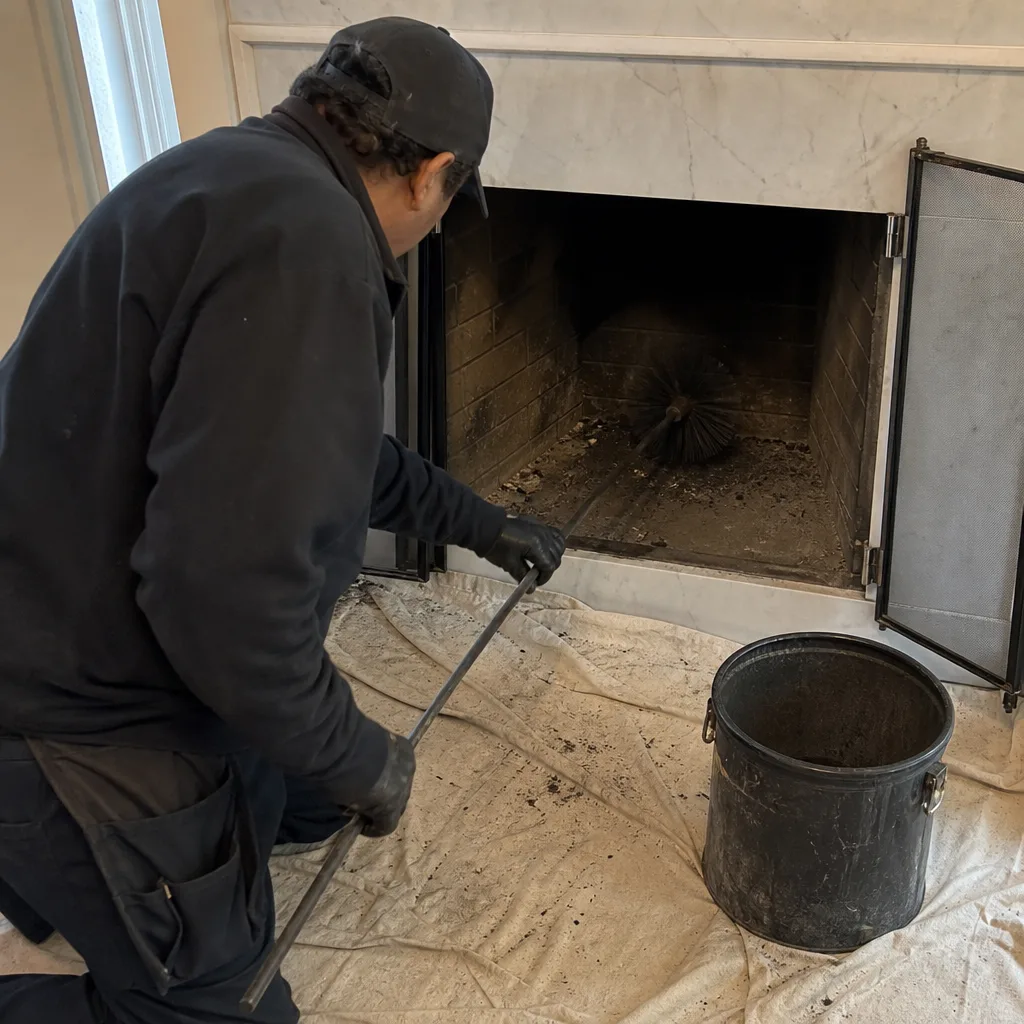
We mention this plainly because it matters. Class III creosote removal involves chemicals that require specific handling, ventilation procedures, and dwell-time management. More to the point, the flue liner condition underneath heavy Class III buildup is often compromised – cracked tile sections or voids that a homeowner has no way to see without a camera. Attempting to burn off creosote (some forums suggest this) creates a chimney fire. Chimney fires in high-density Financial District buildings spread risk well beyond your unit. This is work for a trained technician with the right equipment, full stop.
Creosote Removal Pricing in Financial District
Here are the ranges we work within. These are what you’ll see on a written quote – not ballpark figures designed to get us in the door.
| Service | Typical Range (Financial District) |
|---|---|
| Class I creosote removal (standard sweep) | $180 – $280 |
| Class II creosote removal (chemical conditioning + brush) | $280 – $420 |
| Class III creosote removal – PCR treatment, single visit | $420 – $650 |
| Class III – multi-visit PCR (severe buildup, extended liner footage) | $650 – $950+ |
| Camera scan (NFPA 211 Level 2) – included on every visit | $0 additional |
| Smoke chamber cleaning (standalone) | $120 – $220 |
What moves the number: flue length, liner material (clay tile vs. stainless flex liner), how many years since the last cleaning, and the class of creosote confirmed by the camera scan. Buildings in the Water Street and West Street corridors that use their fireplaces heavily through January and February tend to come in at Class II as a baseline – that’s the range we see most often in Financial District.
Call (551) 213-4778 for a written estimate. We’ll give you a number on the page before any work starts – always. If you have a written quote from another company, bring it: our free second opinion includes the same camera scan and a written scope at no charge.
FAQs – Creosote Removal
How much does creosote removal cost in Financial District, NY?
Creosote removal in Financial District runs $180 to $650 for most single-visit jobs, depending on whether the buildup is Class I (dusty, easily brushed), Class II (glazed, needs chemical conditioning), or Class III (hardened tar requiring Poultice Creosote Remover). Severe Class III cases spread across long flue runs can run higher – we’ll give you a written number after the camera scan, before any work starts. Call (551) 213-4778 for a free written estimate.
Can creosote removal be done in one visit?
Class I and Class II creosote removal are almost always finished in a single visit, typically two to three hours. Class III jobs may require a follow-up appointment to allow PCR dwell time and confirm the liner is clean on camera – we’ll tell you upfront if that’s the case and give you both visit costs in writing before we start. Same-day scheduling is available for most Financial District addresses when you call before noon.
How do I know what class of creosote I have?
You can’t know without a camera scan – and any company that quotes a creosote removal job without one is guessing. We run a NFPA 211 Level 2 Inspection on every visit as the first step. The images are yours: before and after, with written notes on class, liner condition, and anything else we find. That documentation is included under Haven Standard Clause 4, not an add-on.
Is creosote removal required every year in New York?
NFPA 211 – the national standard adopted by New York City fire codes – requires that chimneys used for solid-fuel burning be inspected and cleaned at least once per year. In practice, heavy users (more than two fires per week through winter) may need mid-season cleaning. Financial District buildings with original pre-war clay tile liners are especially prone to Class II buildup when used regularly, because older tile tends to run cooler than modern stainless liner systems. If you haven’t had a Chimney Cleaning & Sweep services visit in the last 12 months, schedule one before your next fire.
Why Level Two Chimney Financial District for Creosote Removal
Since 2009, we’ve completed more than 38,000 chimney inspections and cleanings. Every single one came with a written price before the work started and a documented photo record when it was done. That’s not a selling point we added later – it’s been the operating standard since Corrine Halstead built this company around it.
The Haven Standard that governs every Level Two job isn’t a marketing phrase. Clause 1 means a written price, written scope, and written warranty before anyone opens a drop cloth in your home. Clause 4 means camera-scan documentation on every visit – an archive practice we’ve run continuously since 2009, years before it became a regulatory recommendation. The 365-Day Done Right Promise means that if something isn’t right within a year of our work, we come back and make it right, no argument.
Our technicians are background-checked, uniformed, and assigned by name. You get a text when they’re on the way. License information is on every page. These aren’t things we do because we’re required to – they’re the conditions under which Level Two operates.
For creosote removal specifically: we source treatment materials through Haven’s buying network, which means Copperfield and HeatShield products at prices that don’t get padded onto your quote. What you see on the written estimate is what you pay.
The parent service page gives you the full picture of what a standard cleaning visit covers: see our Chimney Cleaning & Sweep in Financial District page for inspection scope, pricing, and documentation details.
Key Takeaways
- Creosote removal in Financial District costs $180-$650 for most jobs; written quote given after camera scan, before work starts.
- Three classes of creosote require three different treatment methods – a camera scan is the only way to confirm which you have.
- Class III creosote (hardened tar) requires Poultice Creosote Remover and is not a DIY task; in a dense building environment, the risk extends beyond your unit.
- Every Level Two visit includes a NFPA 211 Level 2 camera scan, before-and-after photo record, written scope, and the 365-Day Done Right Promise.
- Same-day scheduling is available for most Financial District addresses.
- Free second opinion on any written estimate from a competitor – same camera scan, no charge.
Schedule Creosote Removal in Financial District
If you’re seeing the signs – a heavy smell near the fireplace, smoke backing in, or simply a gap of more than a year since the last sweep – the right move is a camera scan before your next fire. We’ll show you exactly what’s in the flue, give you a written price, and complete the work in the same visit if the timeline allows.
Call (551) 213-4778 to schedule. Live phone support runs 24 hours a day, seven days a week – no voicemail, no web form, a person picks up. Estimates are free, written, and carry no obligation. If you have a competitor’s written quote, bring it and we’ll give you a free second opinion with a full camera scan included.
Written by Corrine Halstead, Owner at Level Two Chimney Financial District, serving Financial District.