
Last updated September 20, 2026
Level 1 sweep and inspection to the NFPA 211 annual standard - flue, crown, cap, and flashing checked and photographed
Chimney sweep logs do not sweep chimneys. They loosen some creosote - which then falls where a brush and vacuum still have to collect it.
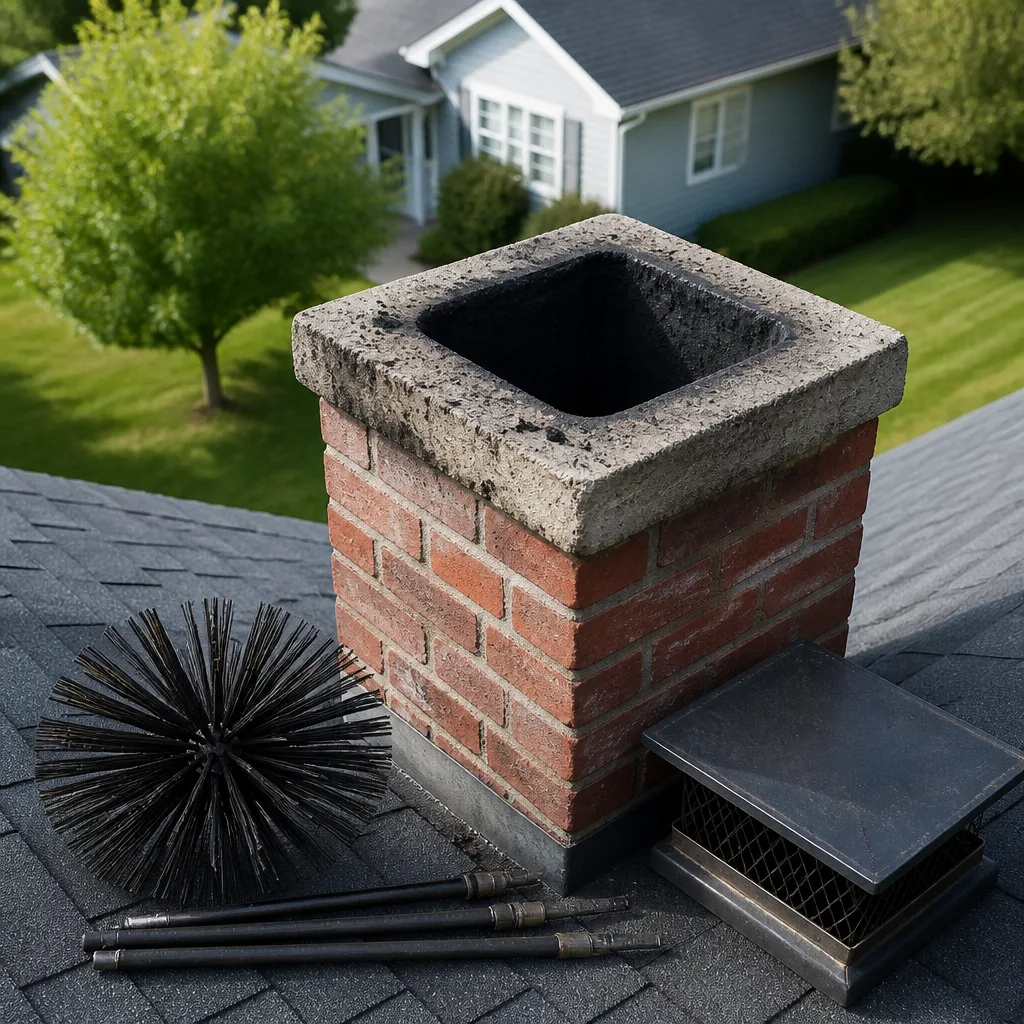
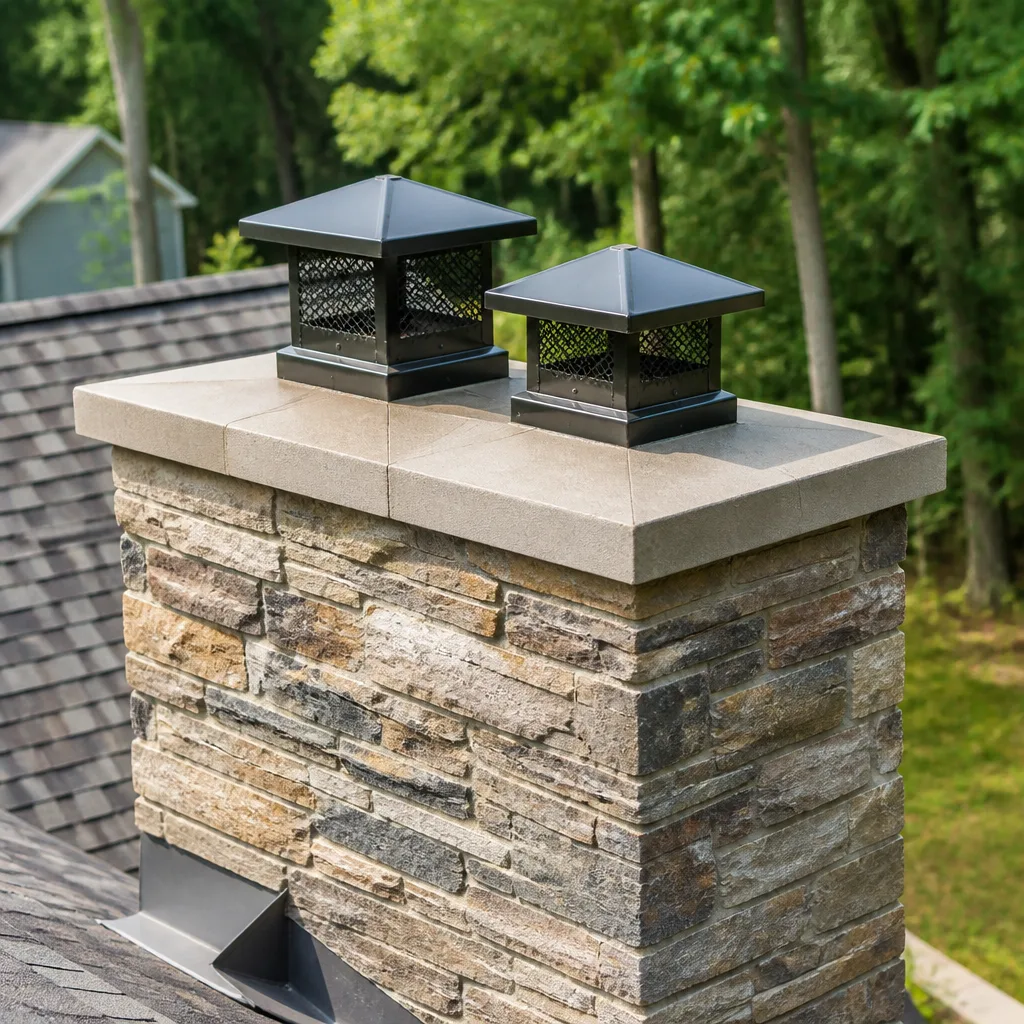
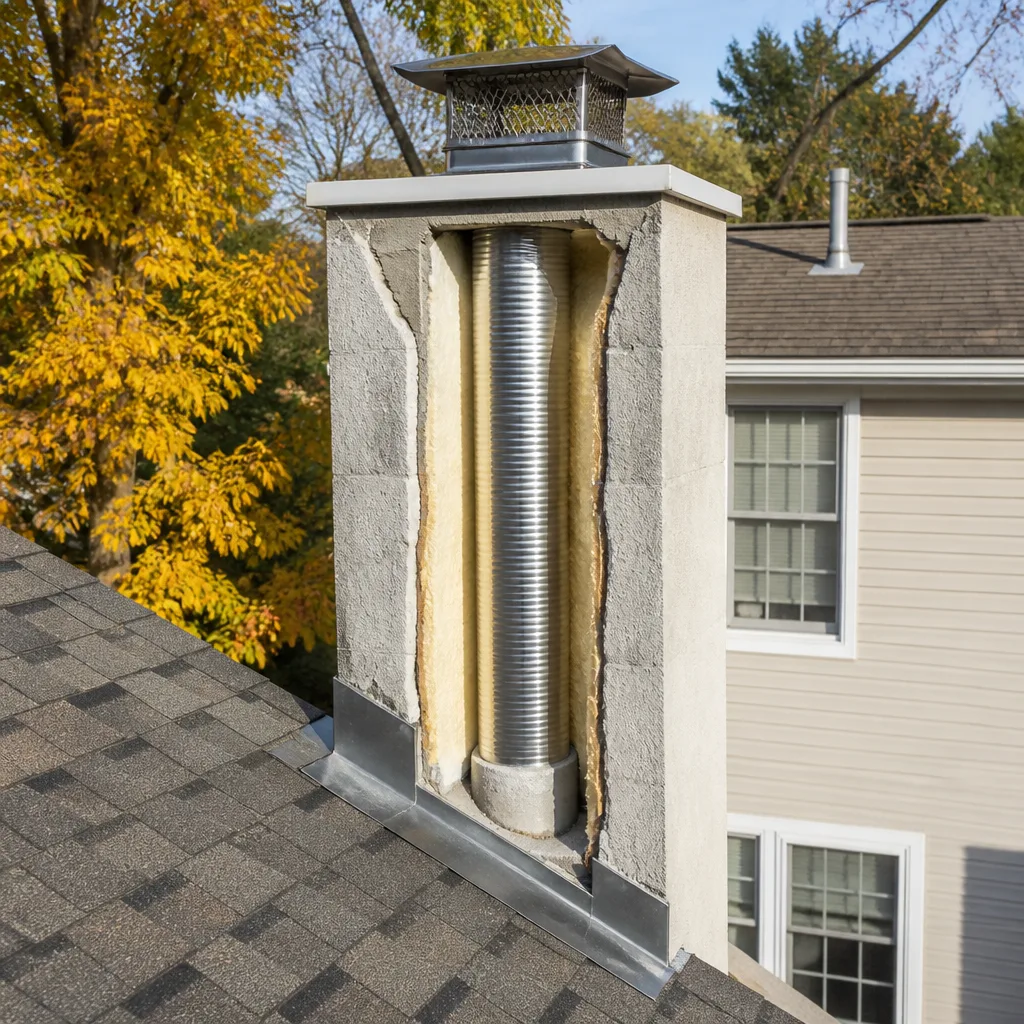
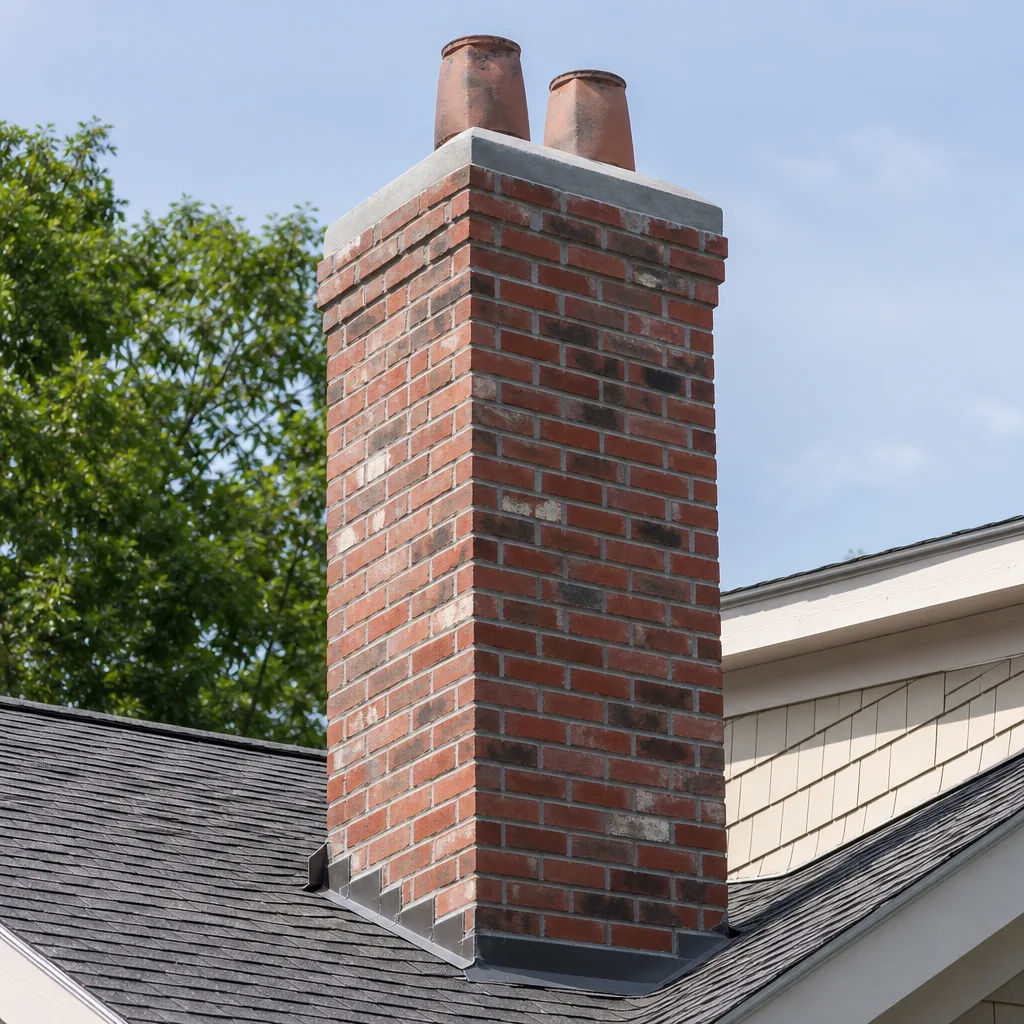
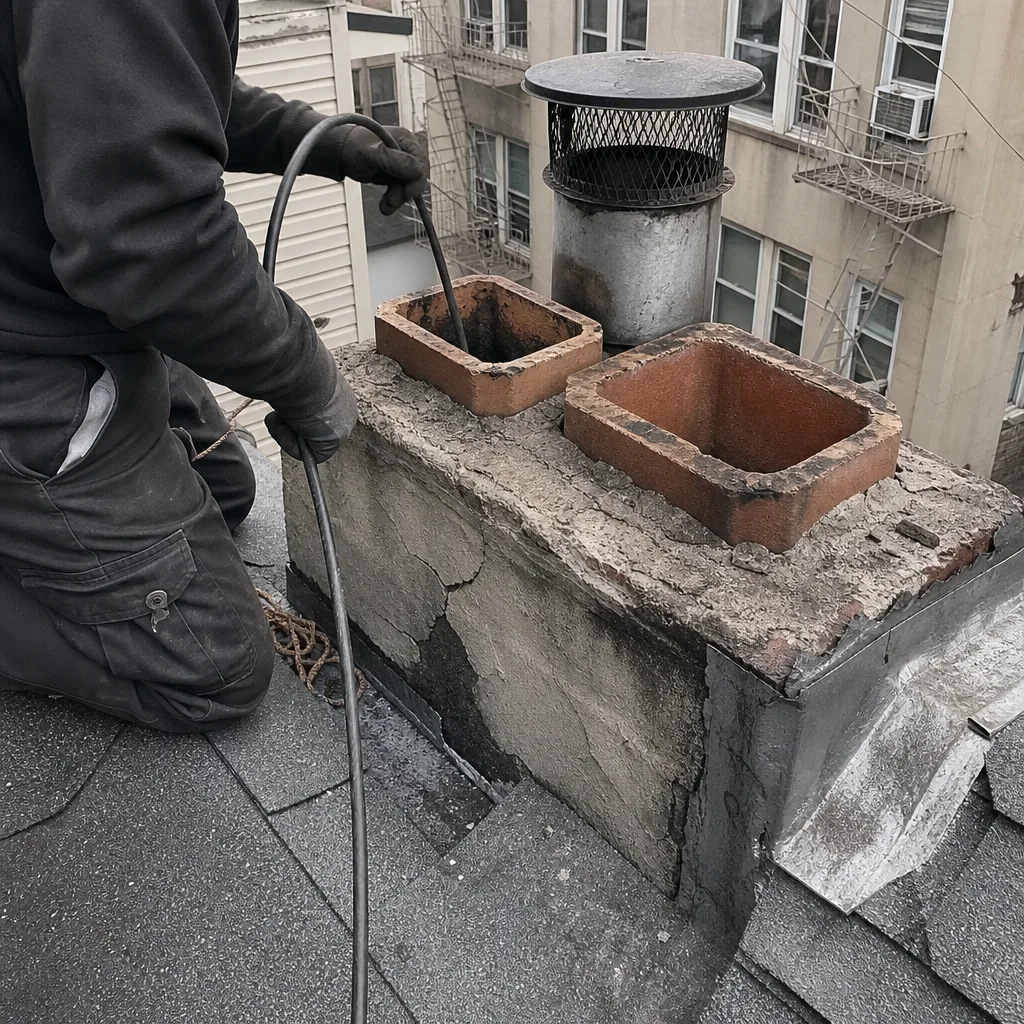 Before
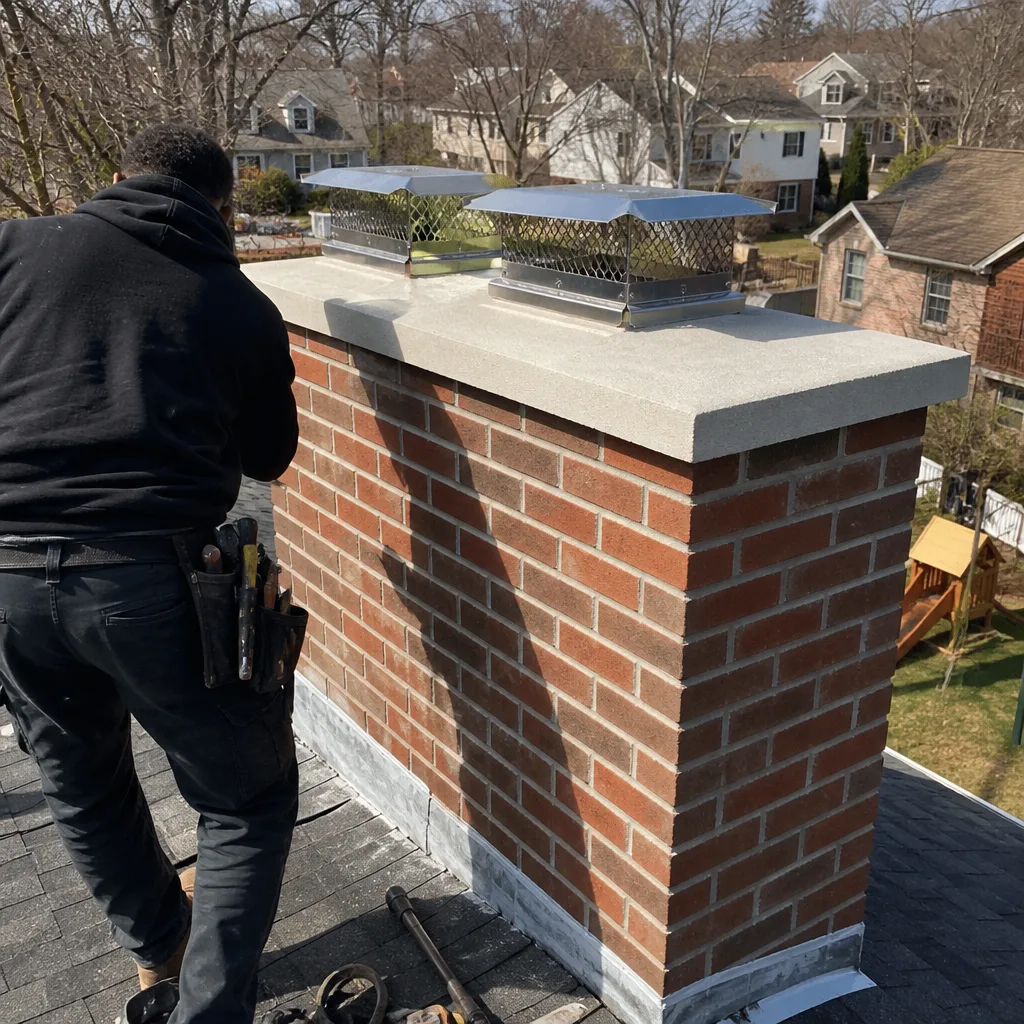 After
After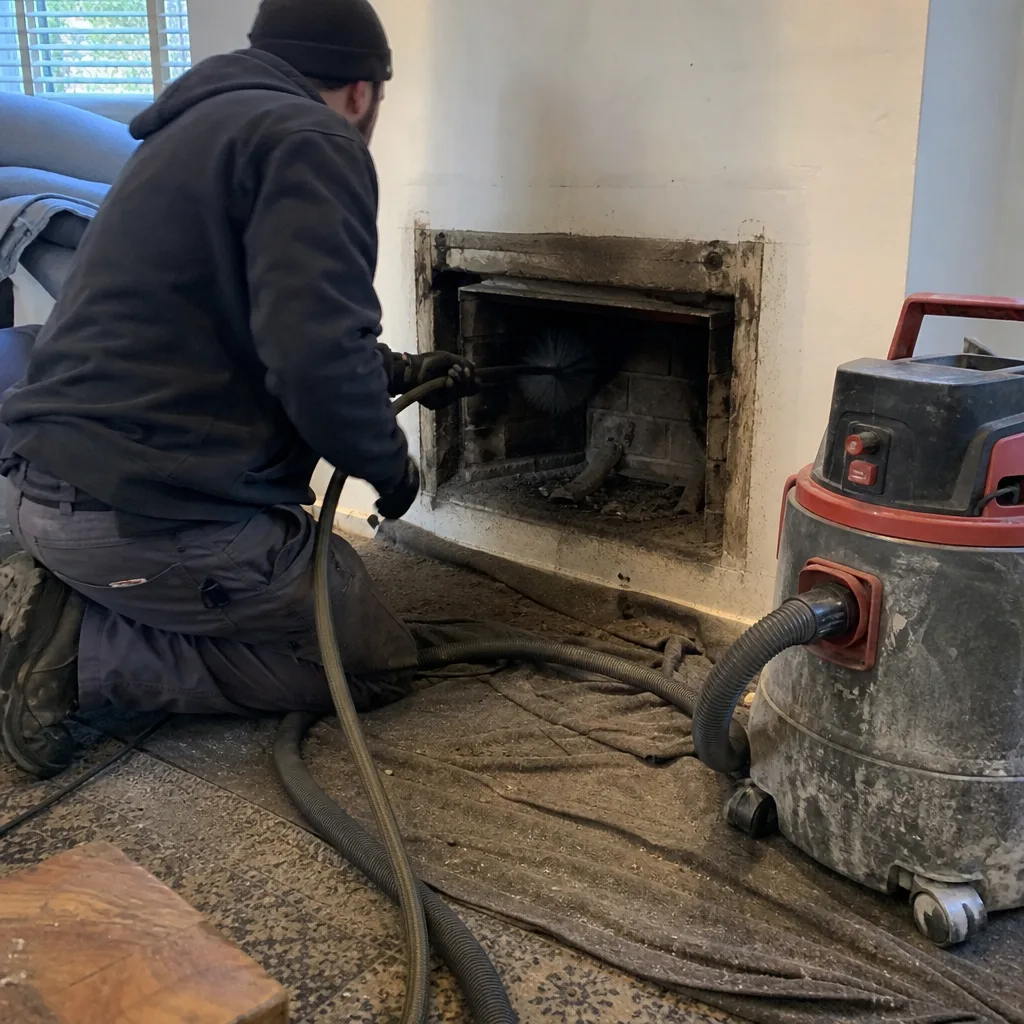 Before
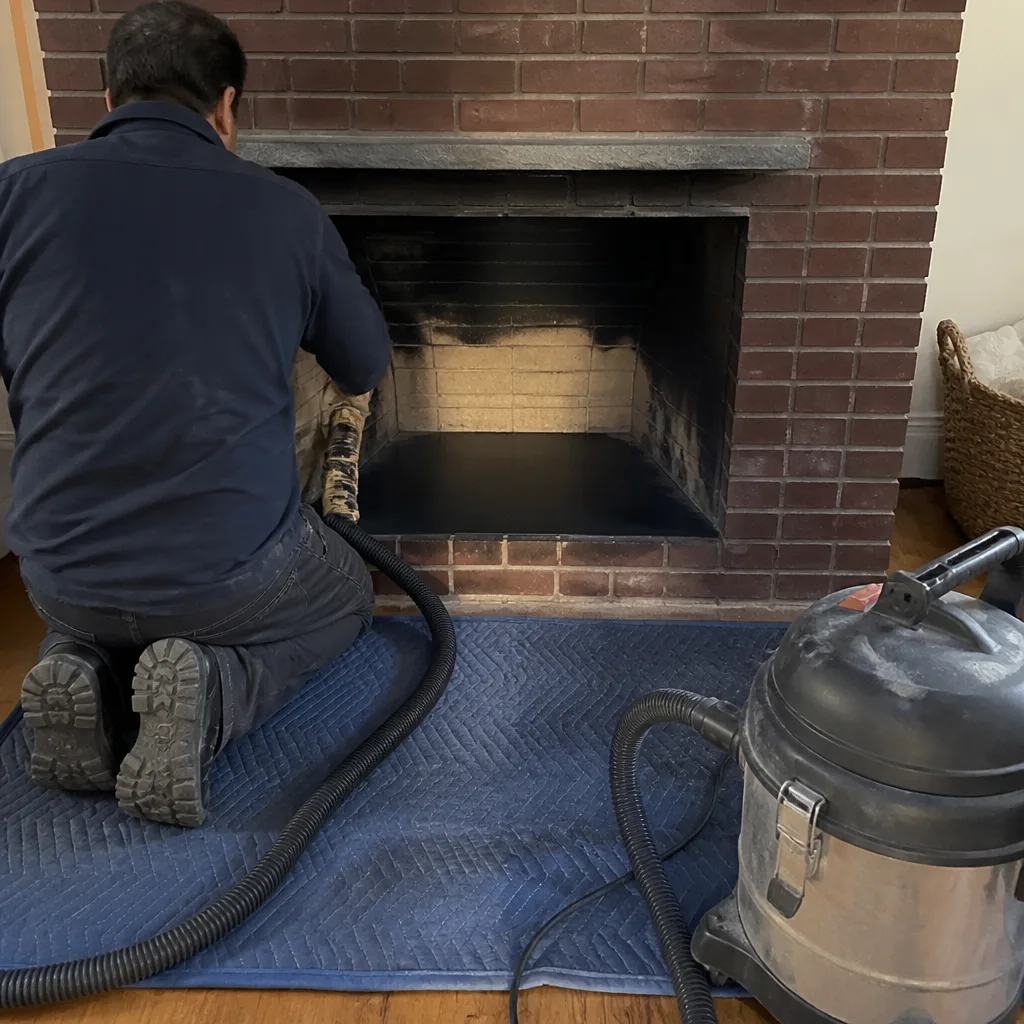 After
After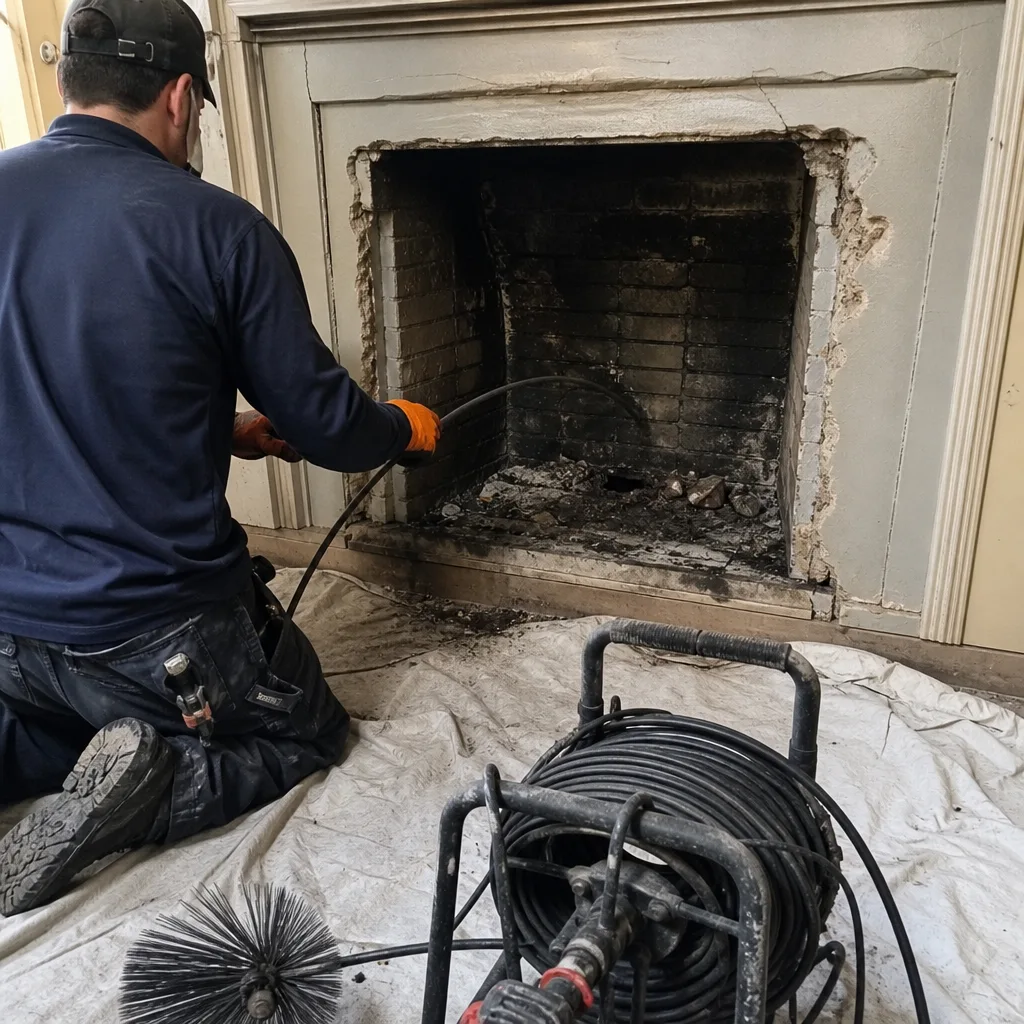 Before
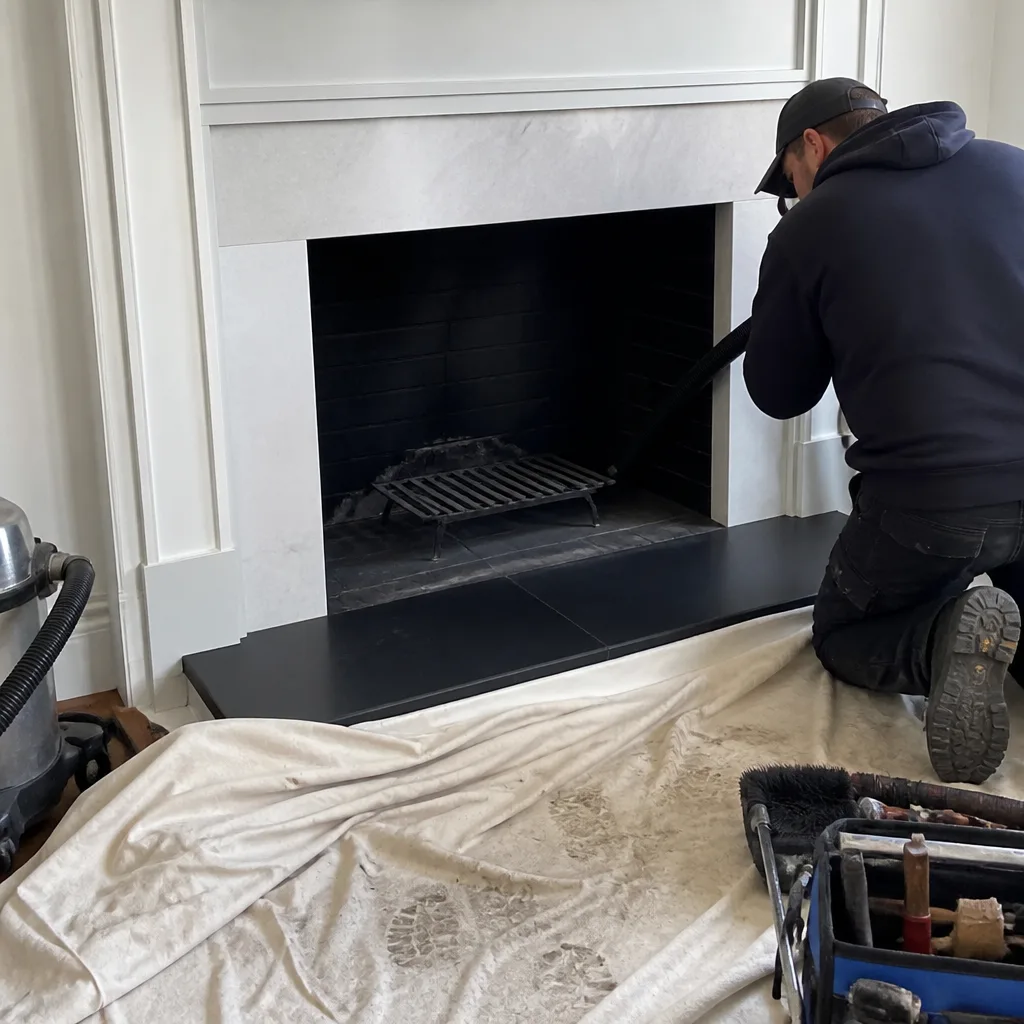 After
AfterDIY vs Professional Chimney Cleaning: The Financial District Homeowner’s Decision Guide
Here’s a counterintuitive fact about chimney fires: the most dangerous fireplace in a Financial District high-rise isn’t the one with the dirtiest flue. It’s the one with no paperwork. You can learn to brush a flue correctly in an afternoon, but a self-cleaned chimney in a Financial District co-op leaves you unable to answer the one question your board’s insurer will ask: who inspected it, and what did the camera show? This guide walks through the real economics of DIY versus professional sweeping in Financial District buildings, the documentation gap that changes the math entirely, and the specific things a homeowner can safely handle themselves.
Quick Answer
For most Financial District homeowners, professional chimney cleaning is the right call not because DIY is dangerous or complicated, but because a self-cleaned flue produces no inspection record. When a co-op board, insurer, or future buyer asks for proof the chimney was maintained, the only acceptable answer is a written report from a qualified sweep that includes camera documentation. DIY can supplement professional cleaning, but it cannot replace the record.
Table of Contents
- The Documentation Gap: What Your Building Actually Requires
- The Physical Constraints of DIY Work in Financial District Buildings
- What DIY Actually Costs vs. Professional Sweeping in Financial District
- What a Homeowner Can Legitimately Self-Assess
- How Insurance Treats Self-Certified Maintenance
- The One Scenario Where DIY Prep Adds Real Value
- The Tools and Technique Reality Check
- Common Mistakes to Avoid
- When to Call a Professional
- Frequently Asked Questions
- The Bottom Line
BeforeAfterThe Documentation Gap: What Your Building Actually Requires
In a private house, the decision to sweep your own chimney is between you and your flue. In a Financial District co-op or condo, it’s between you, your building’s insurance carrier, your board’s managing agent, and potentially a buyer’s attorney. That changes the question from “can I clean this?” to “can I prove it was cleaned?”
Most Financial District co-op and condo buildings require annual chimney maintenance as a condition of the master insurance policy. The key phrase in those policies is almost always “maintained by a qualified professional” or “inspected by a certified chimney sweep.” Not “cleaned.” Not “brushed.” Inspected, by a qualified professional, with a record. A homeowner who brushes their own flue has cleaned it, but they have not inspected it, and they have certainly not produced a document that satisfies the policy language.
Here’s what a defensible chimney record in Financial District typically needs to contain:
- The sweep’s license or certification number on the report itself. Insurance adjusters look for this. If it’s missing, the report is treated as a homeowner’s note, not a professional record.
- A date-stamped inspection finding. What was found, in what condition, using what method.
- Camera documentation of the flue interior. After 2009, when we made camera-scan documentation the default on every job, this became the industry standard. Insurers in dense urban buildings expect it. Clause 4 of the Haven Standard requires a photo record on every job, and that’s what we’ve delivered on 38,000+ inspections and cleanings since.
- A written scope of work. What was done, what was recommended, what was deferred and why.
- The name of the technician who performed the work. Not a company name. A person.
A homeowner with a brush, a flashlight, and good intentions cannot produce any of these. That’s the documentation gap, and it’s the reason DIY chimney cleaning in a Financial District building fails even when the flue comes out spotless. The cleaning itself is not the product. The record is.
The Physical Constraints of DIY Work in Financial District Buildings
Most DIY chimney cleaning guides assume you own a freestanding house with a ladder, a driveway, and roof access. That assumption excludes nearly every home in Financial District. Even if you have the knowledge and the tools, the building itself will typically stop you.
Roof access is not yours to take. In most Financial District high-rises and mid-rise co-ops, roof access is controlled by the building. Getting onto the roof requires permission from the super, a sign-in, sometimes a licensed and insured vendor certificate on file, and in some buildings, a union work rule. A homeowner who shows up with a chimney brush and a rope is not getting on that roof. And if they do, they’re now personally liable for any damage up there, from a cracked roof membrane to a fall.
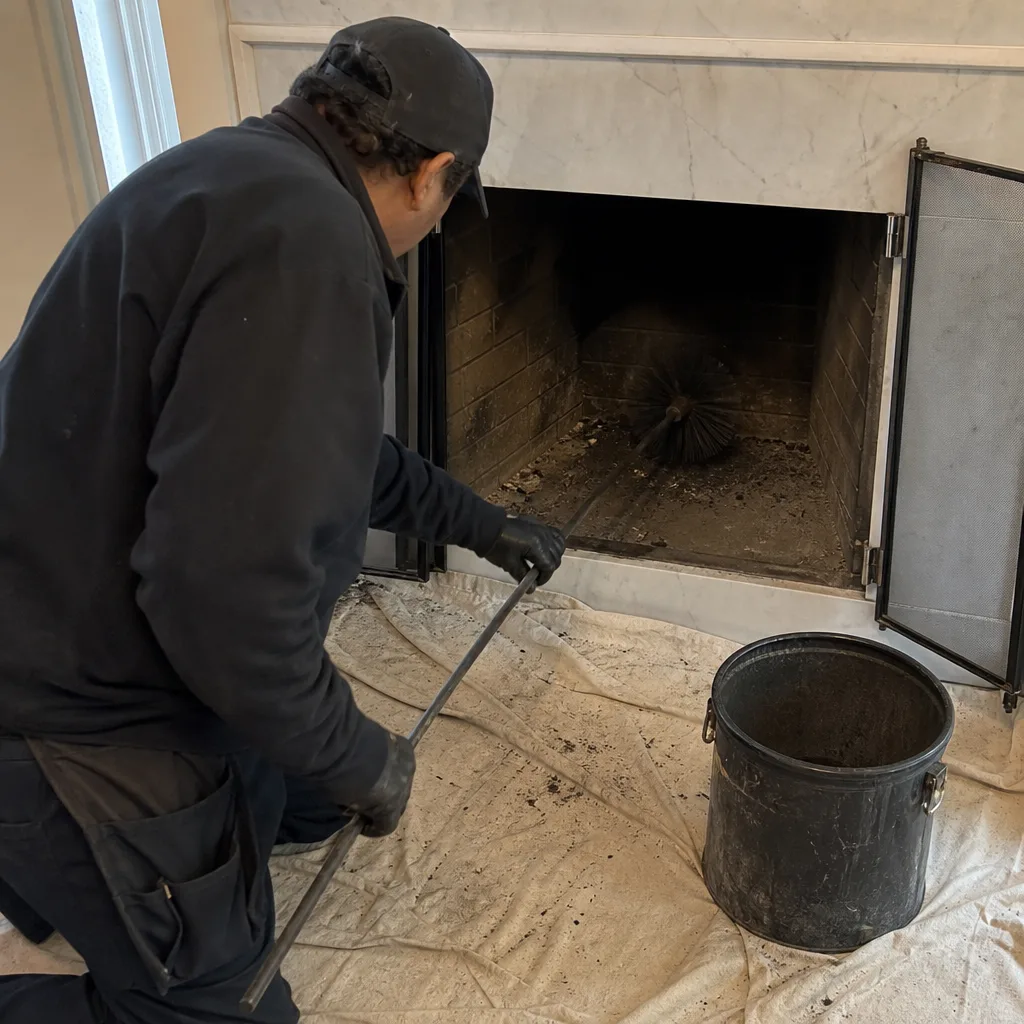
The vacuum problem. Proper chimney sweeping generates soot. A professional sweep runs a HEPA vacuum rated for fine particulate, and even then manages dust carefully. In a 700-square-foot Financial District one-bedroom, the same cleanup that takes a pro 20 minutes with commercial equipment can take a homeowner an entire afternoon, and the fine black dust that settles on white built-ins will be there for months.
Shared flues change everything. Some older Financial District buildings have multi-story flues serving more than one fireplace. If your flue connects to a neighbor’s unit, cleaning it is not a personal decision. It’s a building decision. A professional sweep can identify a shared flue quickly; a homeowner often cannot, and attempting to clean a shared flue without coordinating with the building creates a liability problem that survives long after the soot is gone.
You may not even have a real wood-burning fireplace. Many Financial District units have ventless gas fireplaces, which do not require chimney sweeping at all. Others have decorative fireplaces that were sealed decades ago. Before spending money on tools, a homeowner needs an actual chimney cleaning and sweep in Financial District assessment to determine if there’s even a flue to maintain. We’ve had calls from owners who inherited a fireplace that hasn’t been functional since the building’s last major renovation and didn’t know it.
What DIY Actually Costs vs. Professional Sweeping in Financial District
On paper, DIY looks cheap. A brush kit runs $40 to $80 at a hardware store. A basic inspection camera is $60 to $150. Add a shop vacuum and some drop cloths and you’re in for maybe $200 to $250. A professional sweep in Financial District typically costs between $180 and $350 for a standard cleaning with camera inspection, depending on the flue’s condition and the size of the system.
But the honest comparison includes costs the sticker price hides:
| Cost Factor | DIY | Professional in Financial District |
|---|---|---|
| Equipment (brushes, rods, camera, vacuum) | $150 - $250 upfront, plus storage in a small apartment | $0 - included in service |
| Labor time | 3-6 hours for a first-timer, including cleanup | 1.5-2.5 hours total visit |
| Documentation for board/insurer | None produced | Written report, camera photos, scope, warranty |
| Liability if damage occurs | 100% homeowner responsibility | Carried by the sweep’s insurance |
| Cleanup | Homeowner’s time, plus possible damage to finishes | Professional cleanup with HEPA equipment |
| Resale / insurance acceptance | Zero acceptance | Standard acceptance |
When you factor in that a professionally swept chimney produces a record your building will accept and your insurer will honor, the $180 to $350 price is often less than the effective cost of doing it yourself once you account for tools, time, risk, and the zero documentation value of a self-clean. If you’re in a co-op where the board requires annual professional inspection regardless, the DIY cost is entirely additional: you’re paying for tools and hours and still paying for a professional visit, because the board’s requirement doesn’t go away because you own a brush.
What a Homeowner Can Legitimately Self-Assess
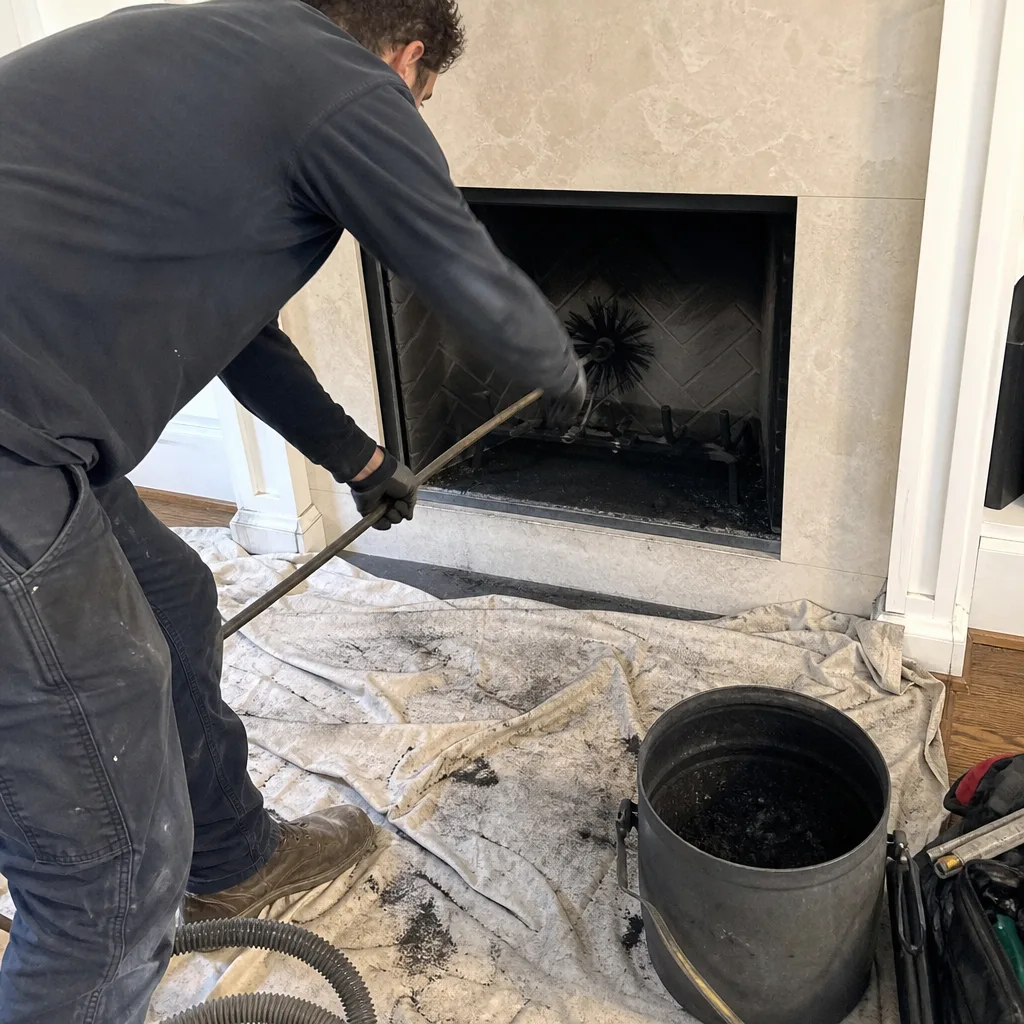
The honest line between owner-side maintenance and professional scope is clearer than most guides make it out to be. There are things a Financial District homeowner can and should do themselves, and things only a camera can do.
What you can self-assess from inside the apartment:
- Visible smoke backing up into the room. If smoke comes into the living space when the fireplace is lit, that’s an airflow or drafting problem. Write down when it happens and under what conditions.
- Unusual odor when the fireplace is not in use. A persistent smoky or musty smell usually means creosote build-up or a downdraft issue.
- Visible debris in the firebox. You can see what’s at the bottom of the firebox without any tools. Soot, broken brick, or animal nesting material are all things to note and photograph.
- Damper operation. You can test whether the damper opens and closes smoothly and whether it seals when closed.
- Water staining near the firebox or on the wall above it. Water intrusion at the flue or crown often shows inside before it’s visible from the roof.
What only a camera can tell you:
- The thickness and class of creosote inside the flue liner. Class I is light soot; Class III is a hardened glaze that looks like tar and is treated as a fire hazard. You cannot see this with a flashlight from the firebox.
- Liner cracks, spalling, or separation. A liner that is cracked but not yet collapsed can be invisible from the top and the bottom. The camera sees it.
- Smoke chamber condition and parging. The smoke chamber above the firebox is a common place for deterioration in older Financial District buildings.
- Animal nests or blockages mid-flue. Birds, squirrels, and debris often accumulate where you cannot see from either end.
- Liner size relative to the appliance. A liner that is too large for the fireplace it serves creates drafting problems. This is a measurement problem, not a cleanliness problem.
- Photograph the firebox before the technician arrives. Date-stamped photos of what the firebox looked like pre-cleaning become part of the homeowner’s own record and the tech can reference them when explaining what changed.
- Note any specific concerns in writing. “Smoke backed into the room twice in January” or “I smelled something funny after the last rain” gives the technician a targeted checklist instead of a blank slate.
- Clear a path to the fireplace. In a 700-square-foot Financial District unit, moving furniture and decor out of the work area before we arrive saves time and protects your belongings.
- Have board or building requirements ready. If your co-op has a specific inspection form or insurance certificate requirement, having that form printed or the requirements written down means the sweep can complete the paperwork the same day.
- Photograph the area around the fireplace after cleaning. A post-cleaning photo set, combined with the professional’s camera record, is the strongest possible documentation for future claims or sales.
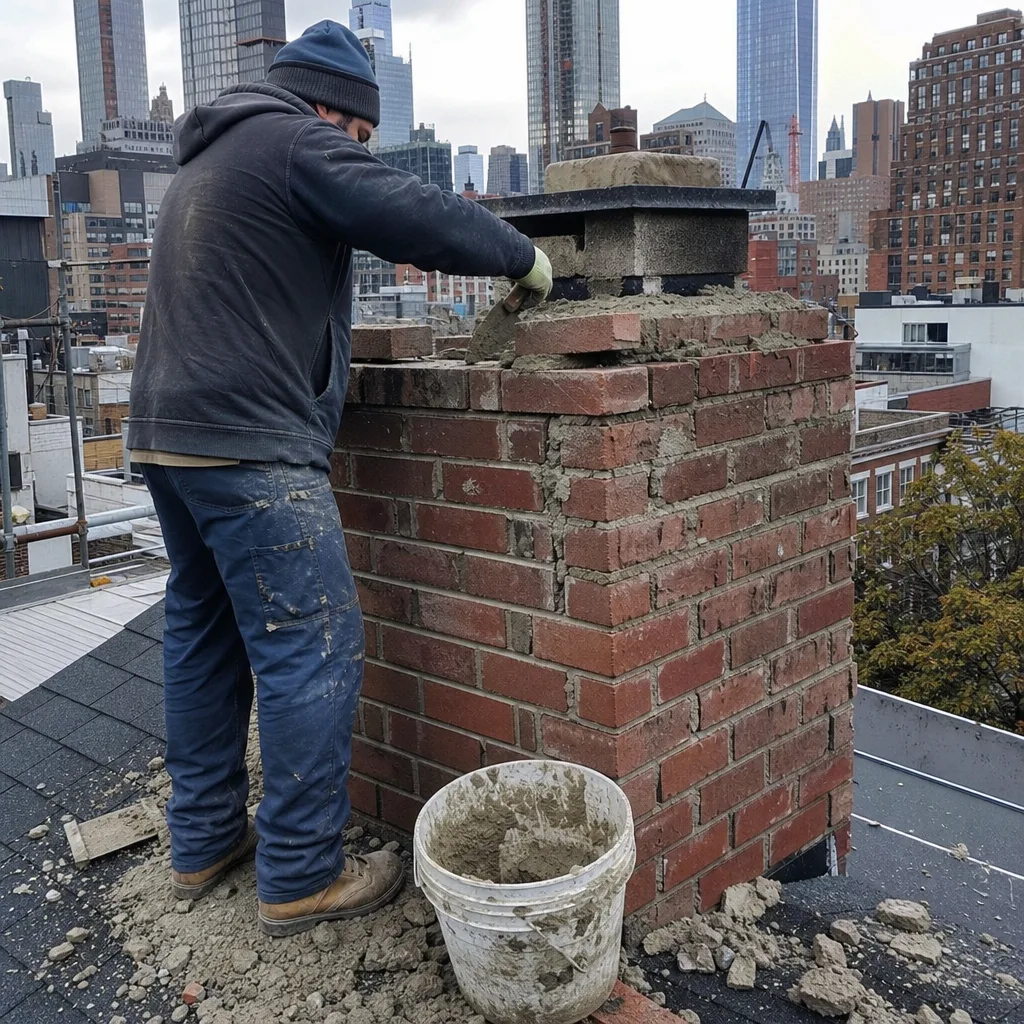
- Assuming roof access is automatic. In most Financial District buildings, roof access requires building permission, insurance certificates, and supervision. Attempting DIY without going through the building is a lease or bylaw violation before it’s a safety issue.
- Using a wire brush on a stainless liner. Stainless liners require a poly brush. A wire brush gouges the surface, and the corrosion points become failure points over time. The damage is invisible until the next professional camera scan.
- Treating “clean” as the same as “inspected.” A brushed flue can still have a cracked liner, deteriorated smoke chamber, or a mis-sized liner. Cleaning without inspection is half the job.
- Buying a cheap inspection camera and trusting it. Consumer-grade cameras produce images that look clear enough to a homeowner but miss hairline liner cracks and early spalling that a professional camera and trained eye will catch.
- Not documenting anything even if you do attempt DIY. Photos of the firebox before and after, date-stamped notes on what you did, and records of the tools used are still better than nothing. Most DIYers skip even this.
- Assuming the fireplace is wood-burning. Some Financial District units have gas fireplaces or decorative fireplaces that require different or no maintenance. Check before spending money on chimney tools.
- Relying on a building’s shared maintenance without checking. Some buildings sweep the main flues but not individual connections. Assume nothing; confirm what the building actually covers and what you’re responsible for.
This is why the camera matters. A professional inspection isn’t just cleaning. It’s the answer to the question “what’s actually inside the flue right now, documented and on record.” Clause 4 of the Haven Standard makes that camera record mandatory on every visit, and it has been our default since 2009, years before most insurers started asking for it.
How Insurance Treats Self-Certified Maintenance
This section is the one most DIY guides skip, and for a Financial District homeowner it’s the most important part of the decision.
Here’s how a typical claim works. A fireplace-related fire or water damage occurs in a Financial District co-op. The master insurance carrier opens a claim. The adjuster’s first question is about maintenance. If the building requires annual professional chimney inspection and the homeowner can produce a written report from a licensed sweep with camera documentation, the claim proceeds normally. If the homeowner says “I cleaned it myself,” the adjuster notes that maintenance was self-certified, and two things happen.
First, the burden of proof shifts. The homeowner must now prove the chimney was properly maintained to the standard the policy requires. Without a professional record, that proof does not exist. The claim is not necessarily denied, but it enters a gray zone where the insurer has solid grounds to push back, delay, or reduce the payout.
Second, liability can become personal. If the fire or damage affects other units, the building or neighboring owners may seek subrogation against the unit owner. A homeowner who performed their own chimney cleaning has no third-party documentation to show due diligence, and the absence of that record becomes a legal vulnerability.
None of this applies to a private single-family home with a standard homeowners policy as forcefully as it applies in a Financial District co-op or condo. Density changes liability. When your chimney is embedded in a building with 200 other units, the standard of care is higher, and the documentation expectation follows.
The One Scenario Where DIY Prep Adds Real Value
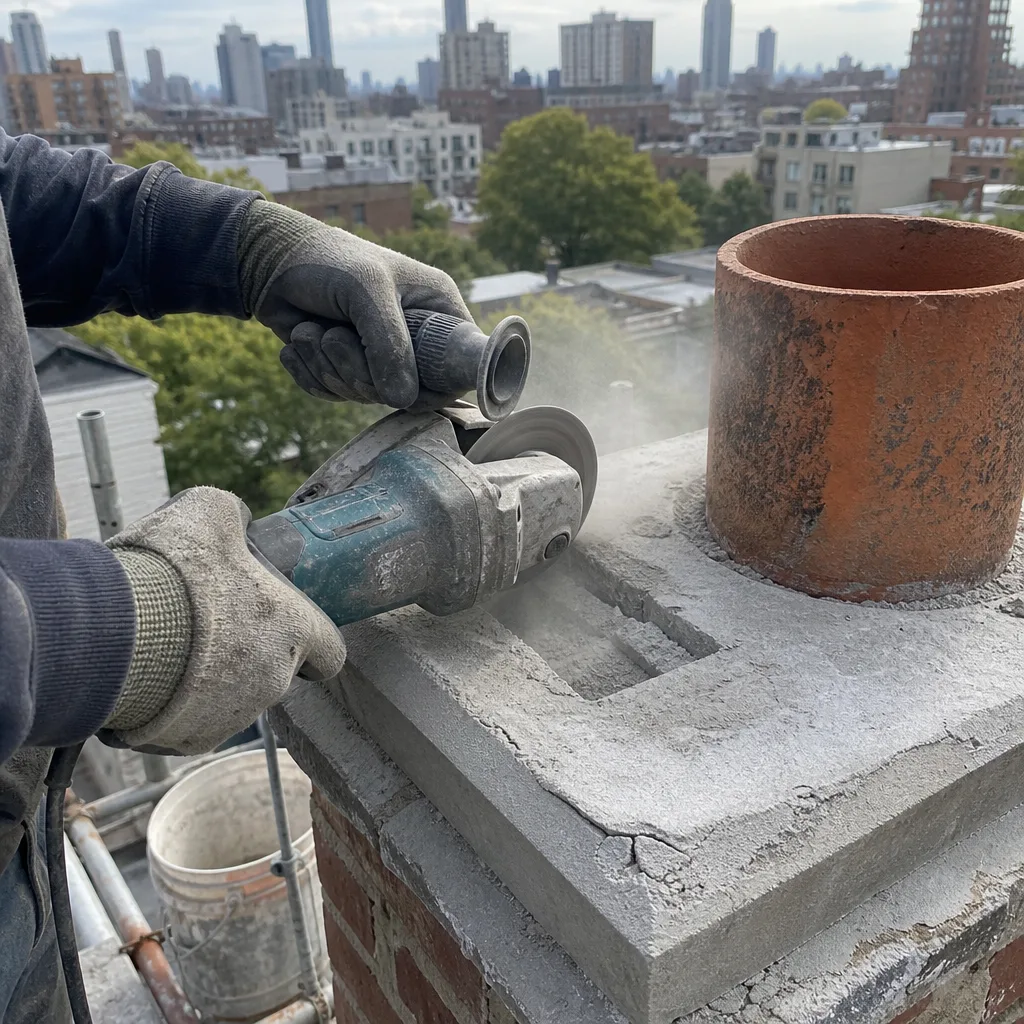
There is a place for homeowner effort in the professional cleaning process, and it’s not “brush the flue yourself.” It’s preparation that improves the sweep’s efficiency and the quality of the final record.
Before a professional chimney cleaning in Financial District, a homeowner can do several useful things:
This prep work does what DIY cleaning cannot: it strengthens the professional record instead of trying to replace it. You end up with a better inspection, a richer photo file, and the same defensible third-party documentation your board and insurer need.
The Tools and Technique Reality Check
If you’re still considering the DIY route, here’s what the actual process involves, honestly described.
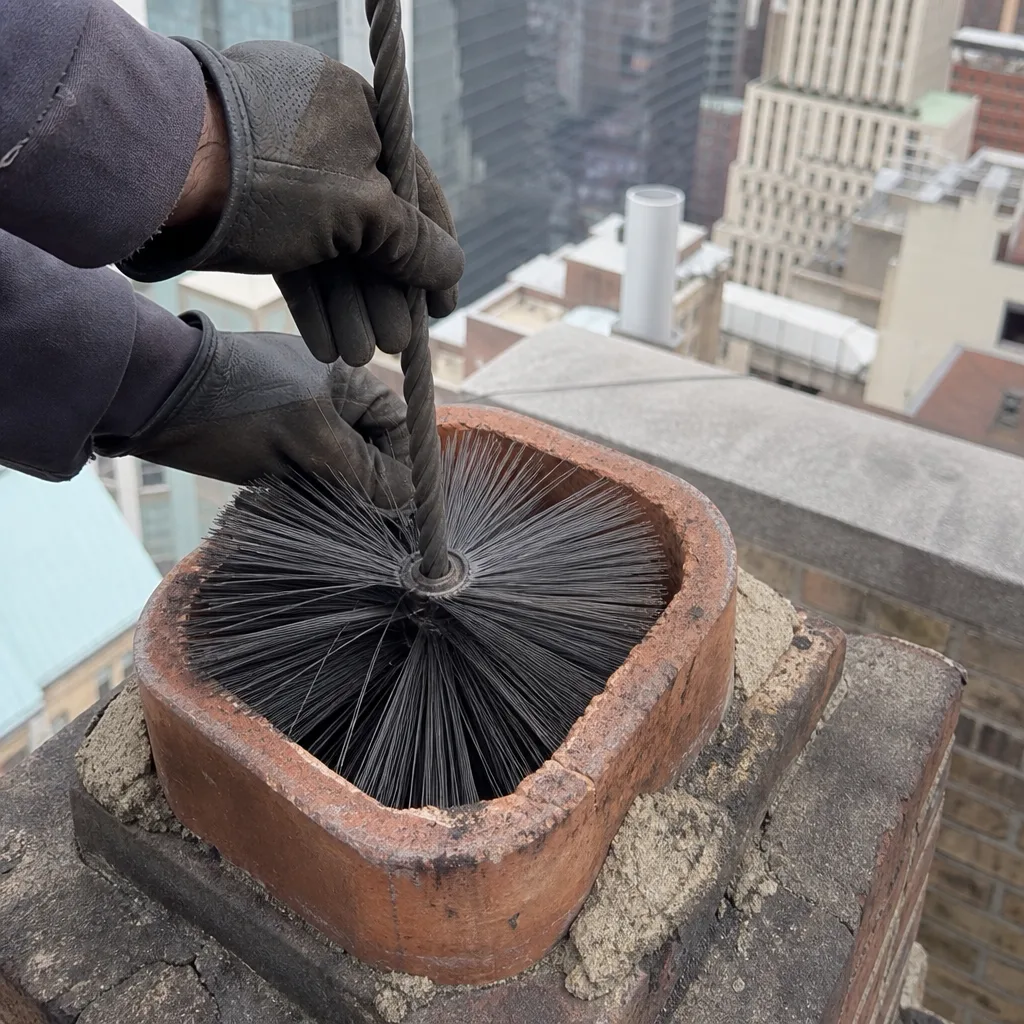
A proper chimney cleaning requires a brush matched to the flue’s dimensions. Wire brushes are for clay tile liners, and poly brushes are for stainless steel. Using a wire brush on a stainless liner scratches it and creates corrosion points. Most DIYers buy a universal brush kit, and a universal brush is the wrong brush for most flues in either direction. The result is either ineffective cleaning or liner damage, and the homeowner will not know which one happened because they cannot see the result.
Proper technique is not “run the brush up and down a few times.” It involves removing creosote from the smoke chamber, the smoke shelf, the damper area, the firebox, and the full length of the flue. It requires drop cloths, a HEPA vacuum, and careful containment. It requires knowing the difference between a flue that’s clean and one that looks clean from the firebox. And afterward, it requires an inspection that can see what the brush did and did not reach.
Name-brand replacement components, when needed, come from manufacturers like Gelco, Olympia Chimney, and Copperfield. These are not brands most homeowners know, but a defective liner or crown replacement from an unknown source becomes its own problem. If professional work is recommended, ask which manufacturers’ materials are being used and get it in writing. A written price should also include the material source, and most reputable Financial District sweeps will specify brands in the scope.
The honest real-world skill gap is not “can I physically brush this” but “do I know what I cannot see.” That gap is why professional camera inspection exists, and why in Financial District it has become the baseline expectation rather than a premium add-on.
Common Mistakes to Avoid
When to Call a Professional
Call a professional if any of these apply: you live in a co-op or condo that requires documented annual inspection; your fireplace has not been inspected in more than two years; you see smoke backing up, smell unusual odors, or notice water staining around the firebox; you’re buying or selling and need a record for the transaction; or you attempted DIY cleaning and now want to know what’s actually inside the flue. Level Two Chimney Financial District home inspections include camera documentation and a written record on every visit. We also handle chimney repair in Financial District when the camera finds something that needs action. For fireplace-specific issues, see our fireplace services in Financial District page. Level Two Chimney Financial District offers free estimates in Financial District. Call (551) 213-4778.
Frequently Asked Questions
A professional chimney sweep in Financial District typically costs between $180 and $350 for a standard cleaning with camera inspection, depending on flue size and condition. That price includes the written report and photo documentation your building and insurer need. If a liner, crown, or smoke chamber repair is identified during the sweep, the repair is quoted separately in writing before any work begins. Call (551) 213-4778 for an exact quote, and estimates are free.
You can physically brush your own flue if you have roof access and the right tools, but in a Financial District co-op that cleaning will not satisfy board or insurer documentation requirements. Co-op and condo policies typically require maintenance by a qualified professional with a written record. A self-clean produces no third-party documentation, which defeats the purpose of the maintenance in the first place. A professionally documented sweep starts at about $180, and the record it produces has real value for insurance and resale.
The National Fire Protection Association recommends an annual inspection with cleaning as needed, and most Financial District buildings adopt that as a bylaw requirement. If you burn more than two cords of wood a season, or you notice any odor or smoke backup, schedule earlier. The annual visit matters as much for the documentation as for the cleaning itself, because it keeps a continuous record current. Call (551) 213-4778 to book.
Not always, and you should not accept a liner replacement recommendation without camera evidence you can see for yourself. A legitimate sweep will show you the camera footage of the cracked or deteriorated liner and explain in plain terms what it means and whether it can safely wait. We never recommend a liner replacement without showing the homeowner the camera record first, and the written scope will specify exactly what condition was found and why the work is needed. Under our 365-Day Done Right Promise, if it’s not done right, we make it right. Call (551) 213-4778 to discuss a specific finding.
Creosote accumulates in the flue, and at Class III, it becomes a hardened glaze that is both a fire fuel and an airflow restriction. You may not notice any difference until a problem is advanced: smoke backup, persistent odor, or visible water staining. In Financial District buildings, skipping documented maintenance also breaks the chain of inspection records your insurer expects, which can complicate a future claim even if no fire occurs. An annual sweep costs between $180 and $350 and keeps both the flue and the record current.
Yes. In addition to chimney cleaning and sweeping, we handle liner installation, chimney cap and crown work, smoke chamber repair, and full rebuilds. Materials are sourced from manufacturers including Gelco, Olympia Chimney, and Copperfield through Haven’s buying network. Every job is quoted in writing before work begins, with a documented photo record when it’s done. The business has completed 38,000+ inspections and cleanings since 2009, all under the Haven Standard. Call (551) 213-4778 for a free estimate.
The Bottom Line
DIY chimney cleaning in a Financial District home is not primarily a safety decision. It’s a documentation decision. A homeowner with the right tools and careful technique can brush a flue, but they cannot produce the written inspection record, camera documentation, and third-party signature that co-op boards, insurers, and buyers expect. The cheapest path is usually the professional one: a $180 to $350 sweep that includes the cleaning, the inspection, and the record in one visit. Prep your photos, note your concerns, and let the professional produce the document. Written by Corrine Halstead, Owner at Level Two Chimney Financial District, serving Financial District since 2009. For more guides & resources, visit our blog.