
Last updated September 20, 2026
Level 1 sweep and inspection to the NFPA 211 annual standard - flue, crown, cap, and flashing checked and photographed
Chimney sweep logs do not sweep chimneys. They loosen some creosote - which then falls where a brush and vacuum still have to collect it.
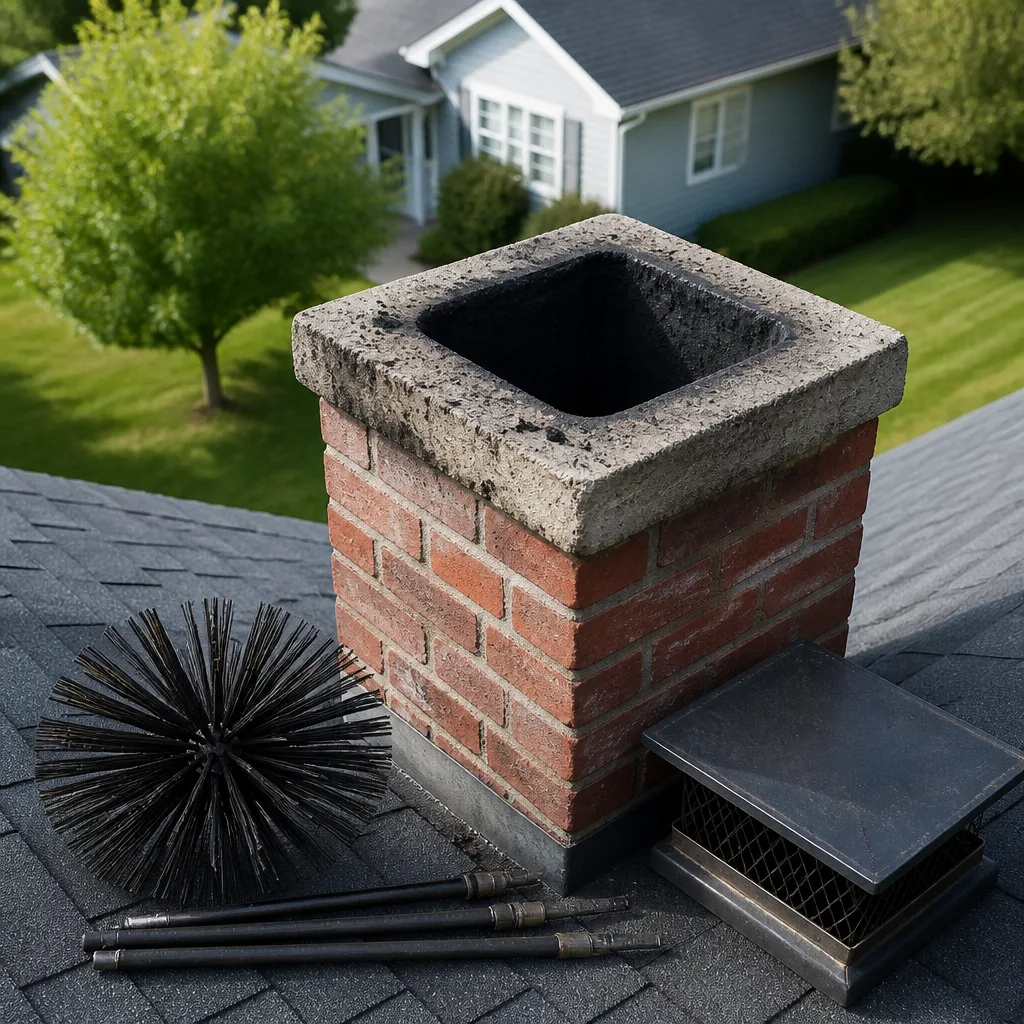
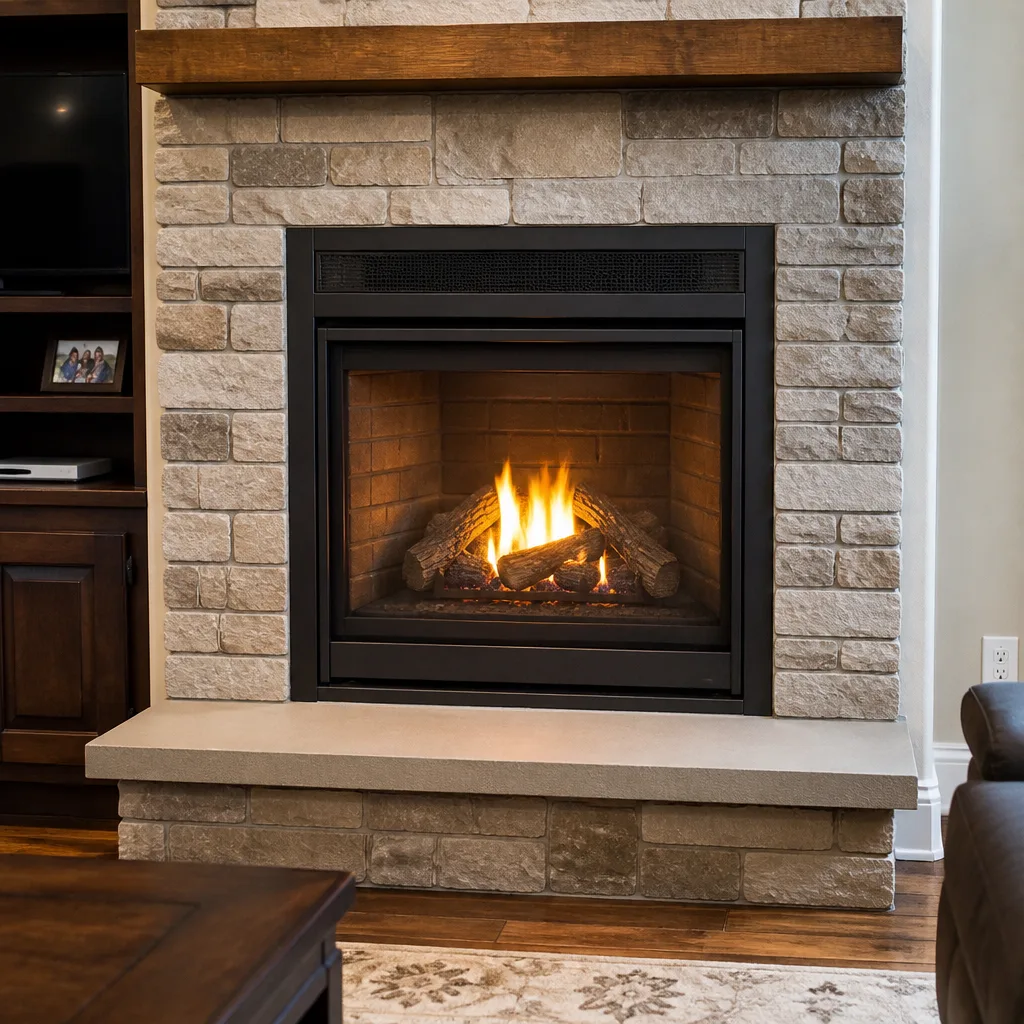
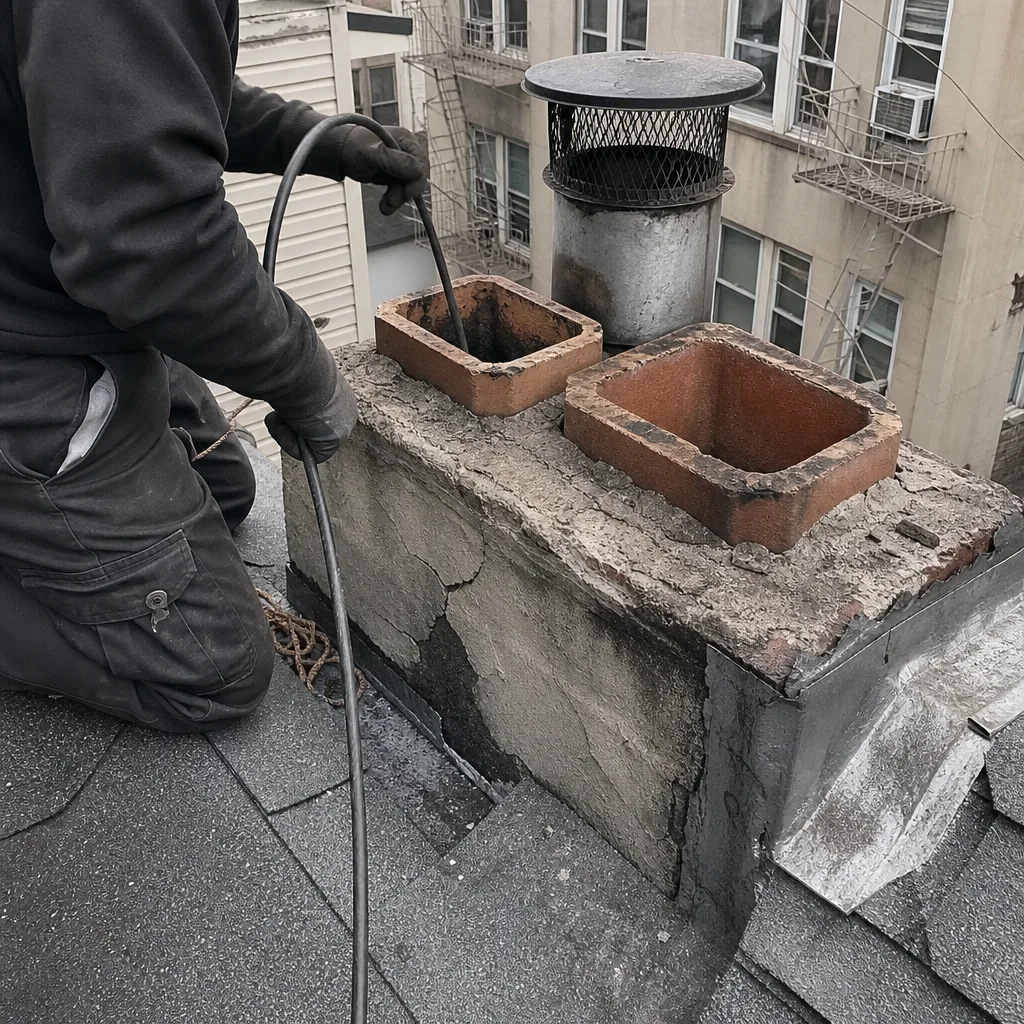 Before
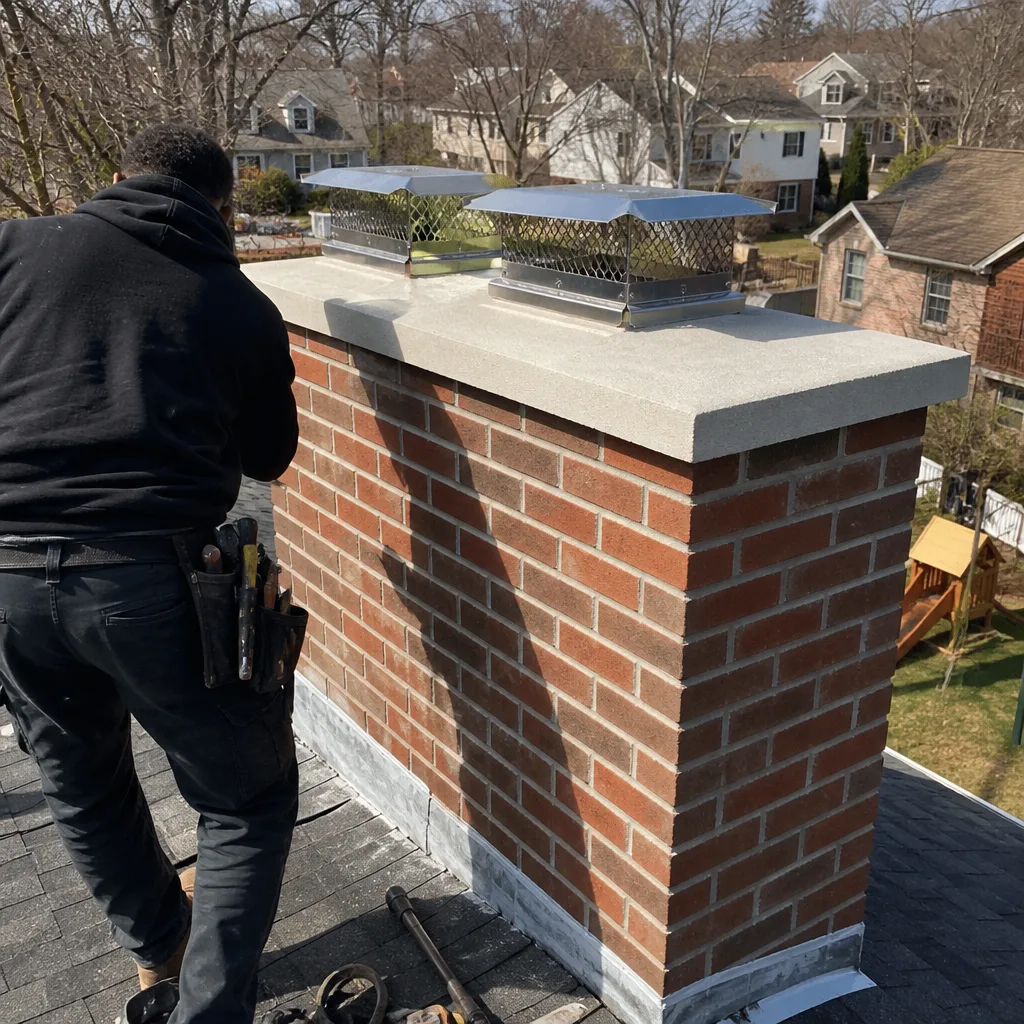 After
After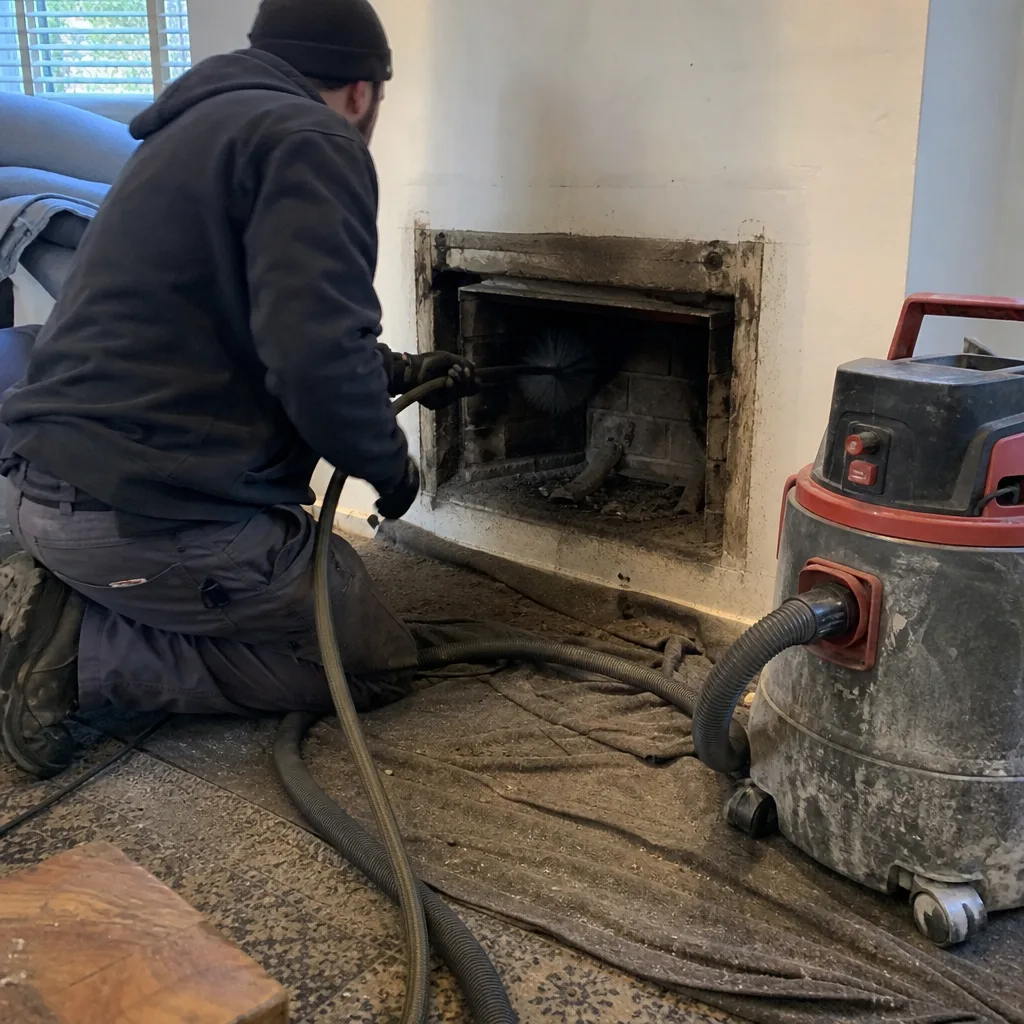 Before
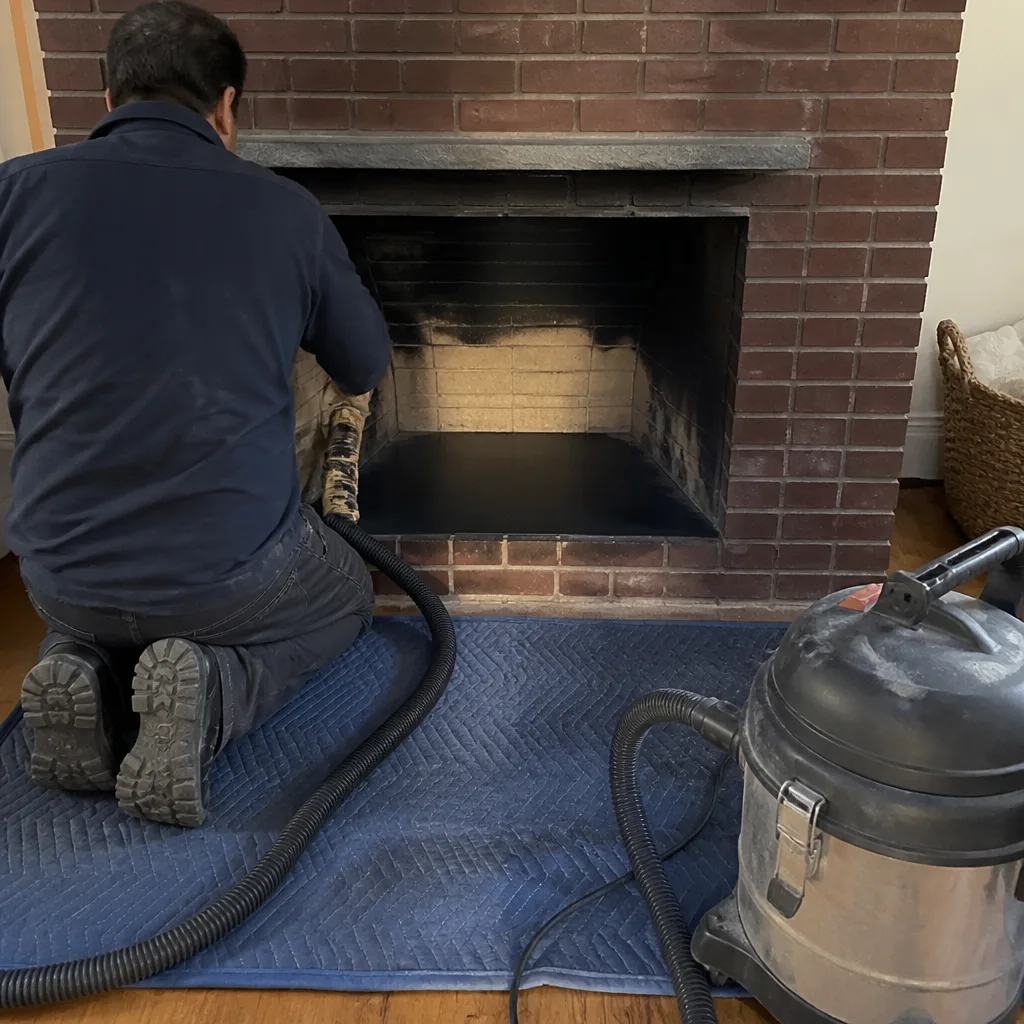 After
After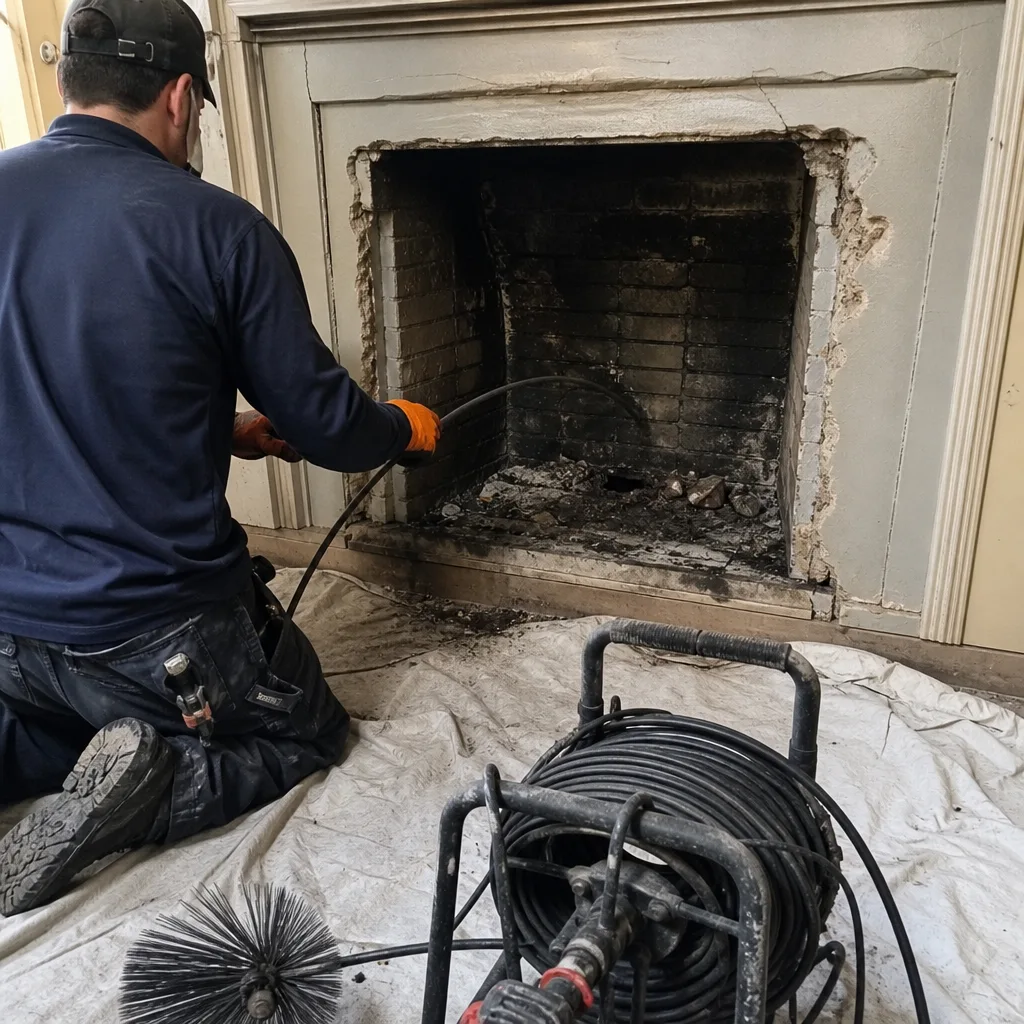 Before
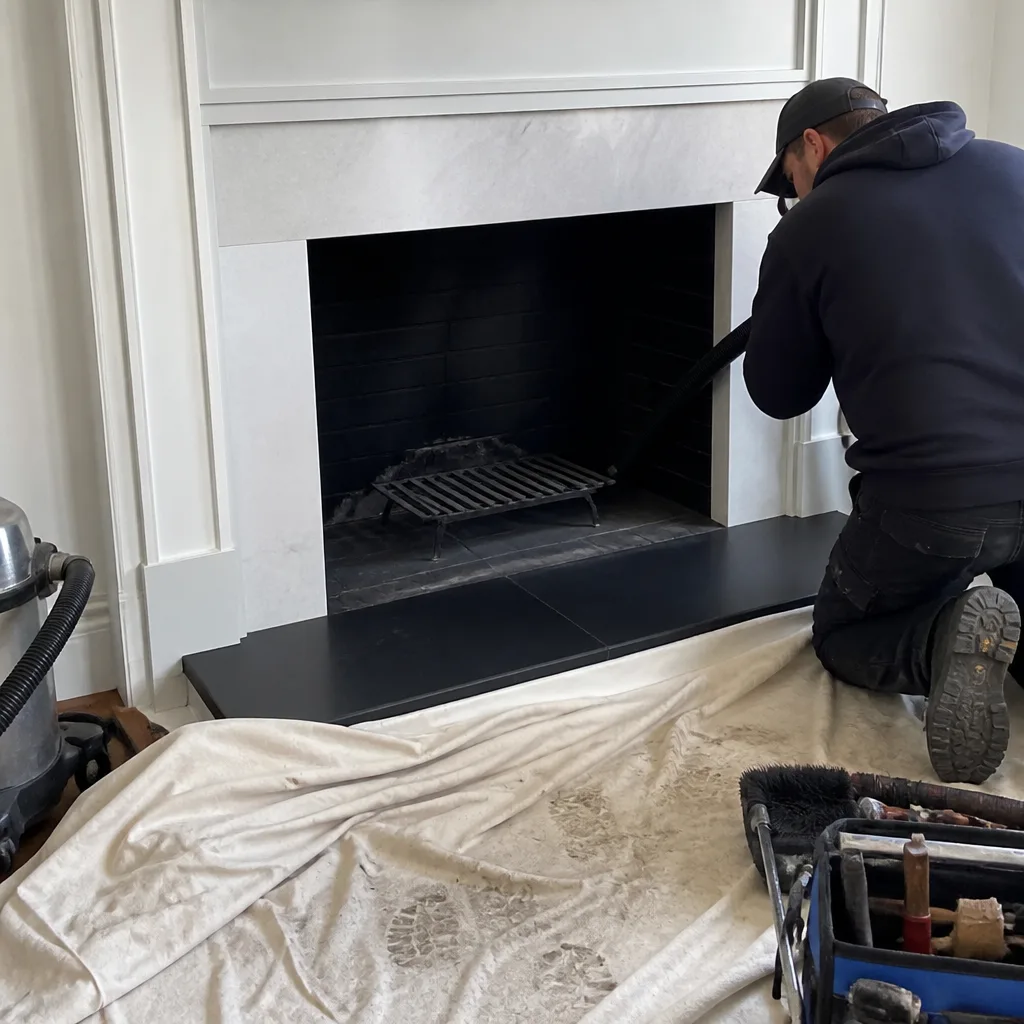 After
AfterChimney Cleaning & Sweep Maintenance Checklist for Financial District Homeowners
Most chimney maintenance checklists online were written for a house with its own roof, its own flue, and a ladder leaned against the gutter. That checklist tells you to check the cap, look for cracked bricks, and clean the flue. It skips the five items that actually matter in the Financial District, where your chimney may run through a shared masonry chase, exit through a roof you need board permission to access, and vent a fireplace that was converted from coal before your grandparents were born. This guide is a documentation-first maintenance sequence built for dense urban masonry. For more detail, see our Complete Guide to Chimney Cleaning in Financial District. You’ll learn what evidence to collect at each stage, what to verify before anyone shows up, and how to keep records that survive a building sale, an insurance audit, or a co-op board inspection.
Quick Answer
A Financial District chimney maintenance checklist should be organized around evidence, not tasks: a camera-scan inspection of the flue liner (NFPA 211 Level 2), a written creosote reading, photo documentation of the crown, cap, and damper, and a written price before any cleaning work begins. For wood-burning fireplaces, schedule our Chimney Cleaning & Sweep services annually; for gas inserts, every two years is usually sufficient unless you use it heavily. Keep every inspection record organized by date because co-op boards, insurers, and future buyers in Financial District buildings routinely ask for them.
Table of Contents
- Phase One: What to Verify Before the Sweep Arrives
- Phase Two: The Inspection Evidence Your Checklist Must Capture
- Phase Three: Cleaning and What “Clean” Actually Means
- Phase Four: FiDi-Specific Line Items Other Checklists Miss
- Annual vs. Biannual: Matching the Cycle to the Appliance
- How to Store and Organize Inspection Records
- Common Mistakes to Avoid
- When to Call a Professional
- Frequently Asked Questions
- The Bottom Line
BeforeAfterPhase One: What to Verify Before the Sweep Arrives
In a Financial District building, the work starts before the technician ever steps inside. Your building has a management office, possibly a board, and almost certainly a set of rules about contractor access. Skipping this phase can void a warranty, trigger a fine, or leave you with a canceled appointment and a technician standing on the sidewalk with nowhere to go. We’ve seen all three happen.
Here are the four items to check before booking anything:
- Roof access permission. In most Financial District co-ops and condos, the roof door is locked and maintained by building staff. Confirm in writing that the chimney company’s technician can access the roof on the scheduled day. Some boards require the super to be present.
- Board notification requirements. Many buildings require 48 to 72 hours’ notice before any contractor enters common areas. Ask your management office directly. Do not assume the chimney company handles this; you are the unit owner, and the relationship with the board is yours.
- Insurance certificate (COI). Most Financial District buildings require a certificate of insurance naming the building corporation as additionally insured. Request this from the chimney company and forward it to management at least three business days before the appointment.
- Flue designation confirmation. In a converted commercial building, your fireplace may share a chimney chase with other units but should have a dedicated flue. Verify this is documented. A Level 2 camera inspection confirms the flue path; you want that evidence on file anyway.
Getting these four items squared away does two things. It prevents the appointment from collapsing at the lobby door, and it gives you a paper trail that boards and insurers respect. A written record of roof access and COI submission is the first page of a maintenance file you’ll be glad to have later.
One more thing worth doing before the visit: check whether your damper operates. If it’s frozen, note that. The technician will confirm it during inspection and photograph it, but your own observation helps you understand the report when it arrives. In pre-war Financial District buildings, original damper hardware on the throat of the fireplace is often rusted or seized, and that’s a separate repair from the chimney cleaning itself. More on that below.
Phase Two: The Inspection Evidence Your Checklist Must Capture
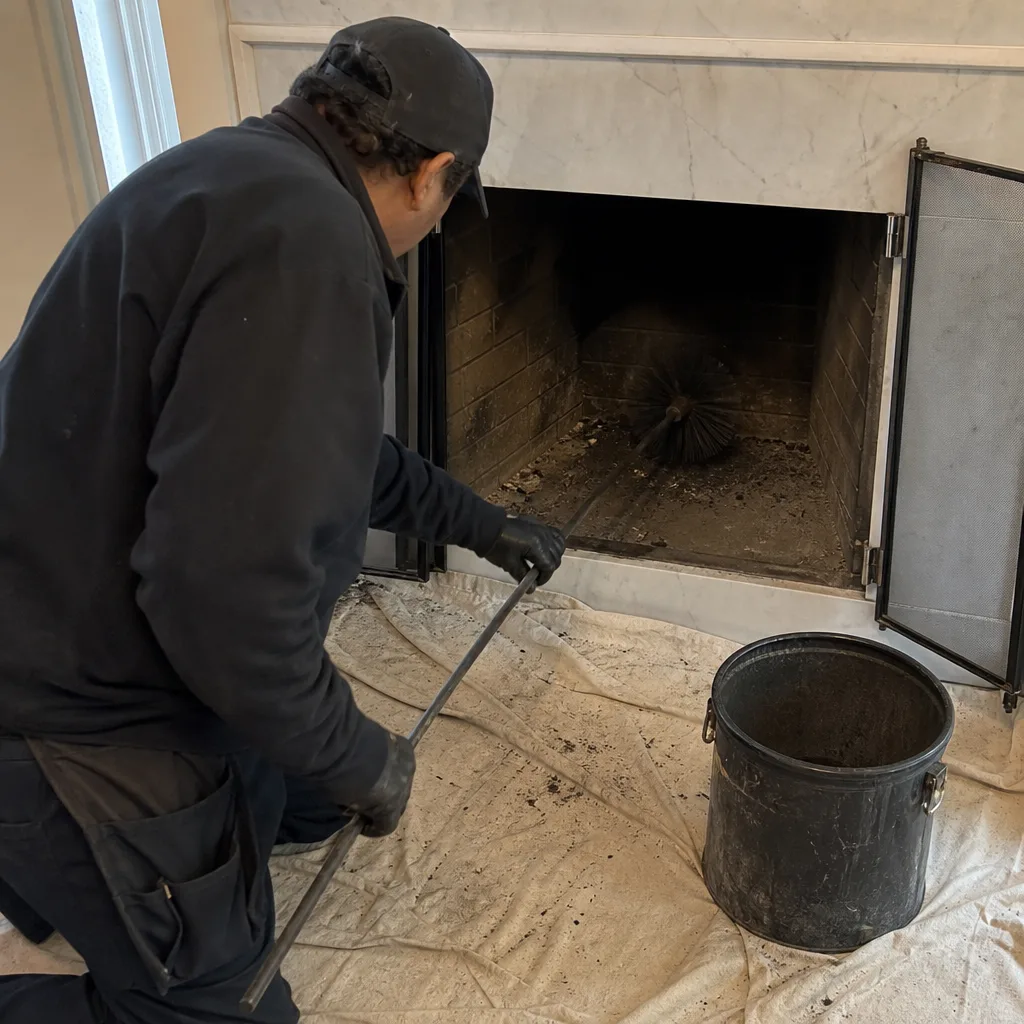
This is where the checklist most people download from the internet fails. It says “inspect the chimney.” It doesn’t say what evidence should exist after the inspection, and evidence is the only thing that protects you from being sold a repair you don’t need. When we perform a chimney cleaning and sweep in the Financial District, every inspection ends with a documented photo record. Clause 4 of the Haven Standard requires a photo record on every job, and we’ve operated that way since 2009, years before insurers or regulators asked for it.
Your checklist should require these five pieces of evidence after every inspection:
- Camera images of the full flue liner. Not a flashlight look from the roof. A camera pushes through the entire flue and records its condition. You should receive images showing the liner from top to bottom.
- Creosote thickness reading. Creosote is the flammable residue wood smoke leaves behind. Class I creosote is a light dusting; Class III creosote is a hard, glazed tar that requires mechanical removal. Knowing your reading tells you whether the fireplace is safe to use and how aggressively it needs cleaning.
- Written clearance. The sweep should tell you in writing whether the system is safe to operate, safe with specified repairs, or not safe. This is not a verbal comment. It’s a line item in a written report.
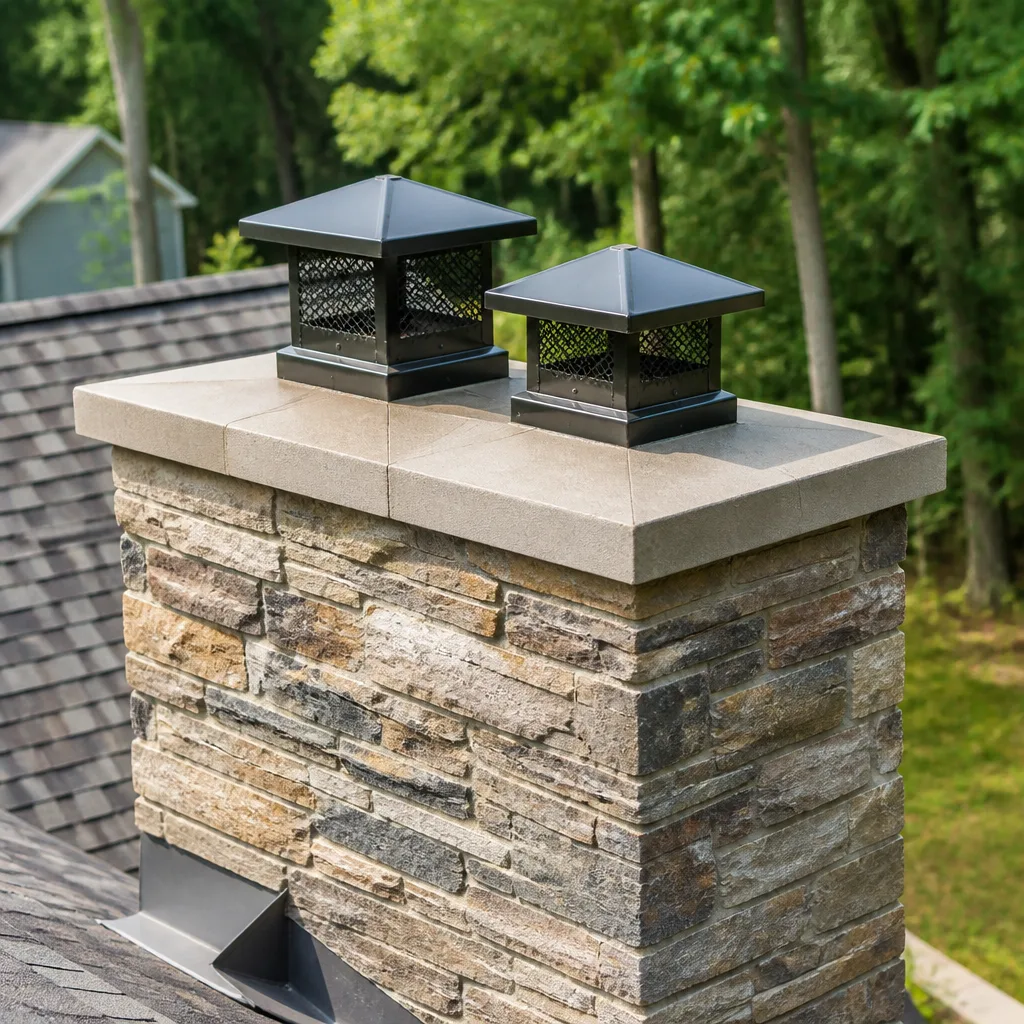
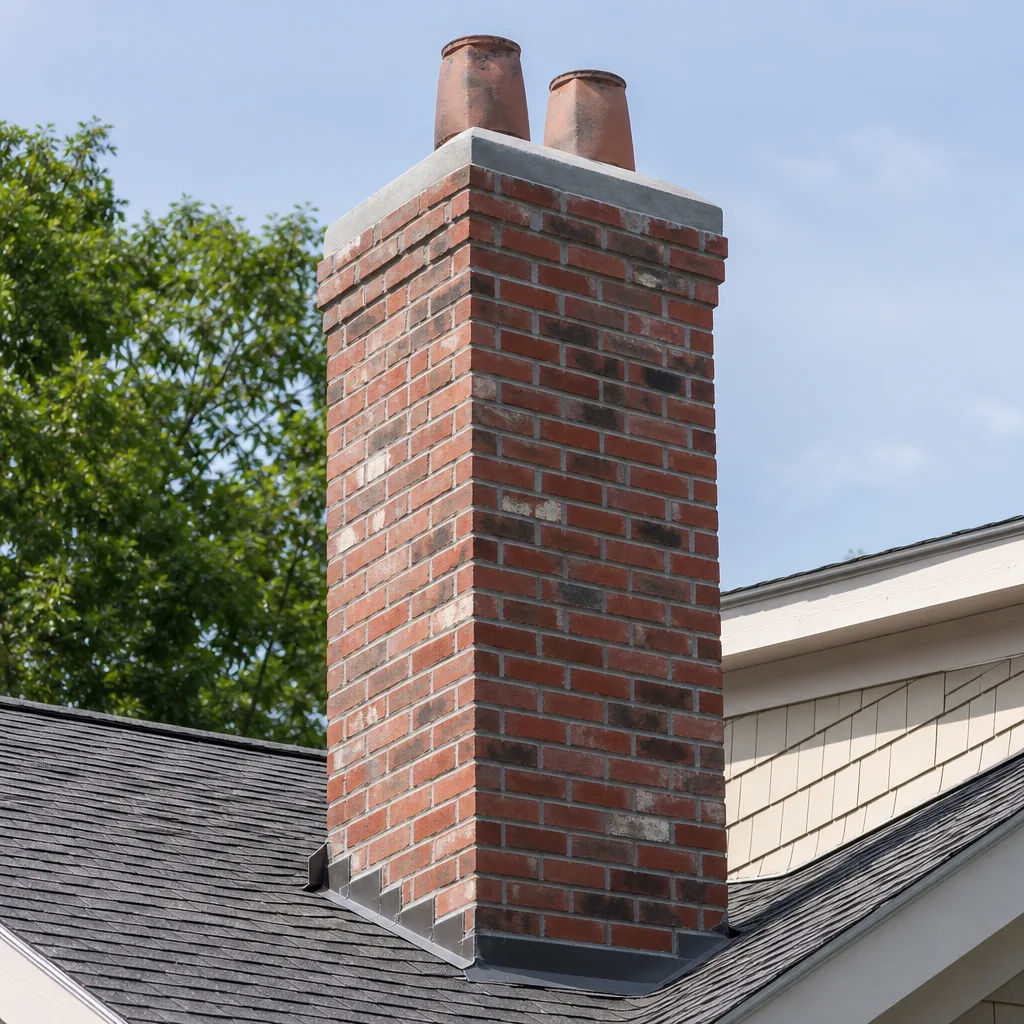
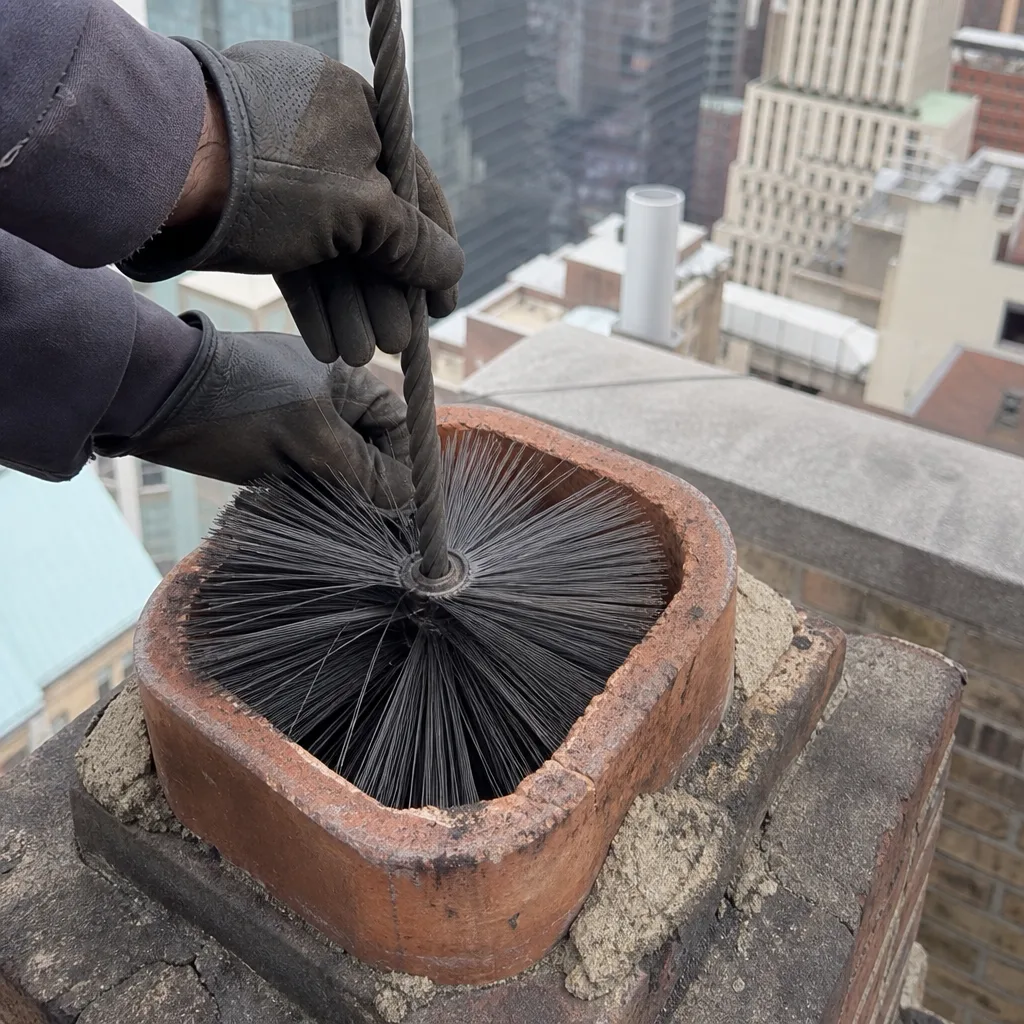
- Photo of the crown and cap. The crown is the concrete surface at the top of the chimney; the cap is the metal cover that keeps rain, animals, and debris out. Both fail in Financial District weather: freeze-thaw cycles crack crowns, and wind off the harbor loosens caps.
- Photo and written note on the damper. The damper is the metal plate inside the throat of the fireplace that you open and close. In pre-war units, it’s often rusted. You need to know its condition and get a written recommendation.
If a sweep company offers you an inspection and none of these five items appear in the deliverable, you haven’t been inspected. You’ve been looked at. The difference matters because every repair recommendation downstream depends on what the camera saw.
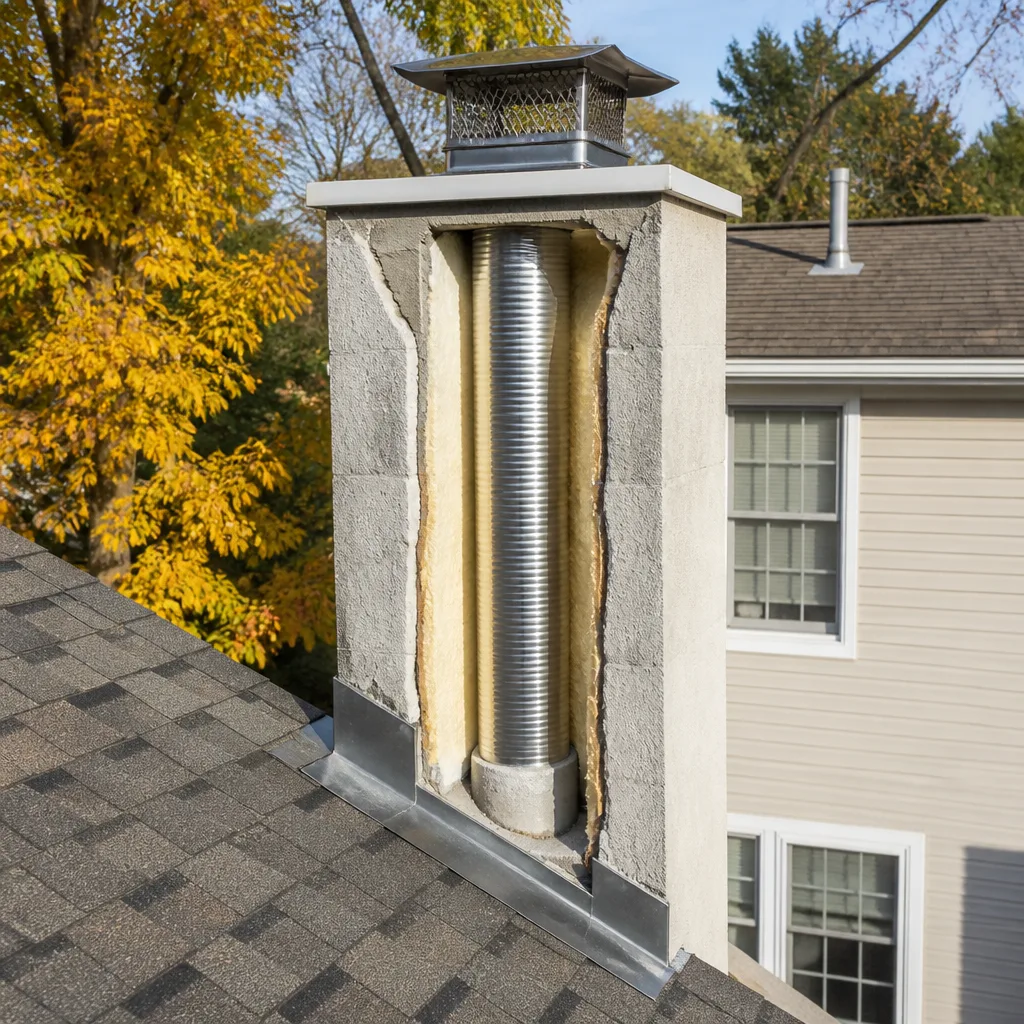
For Financial District homeowners specifically, the liner condition in converted commercial spaces deserves extra attention. Many of these buildings were offices or warehouses before they became residential towers. Chimneys built for commercial boilers were sometimes repurposed for residential fireplaces and gas inserts, and the liners were not always upgraded to match. A camera inspection reveals this immediately. If the liner is unlined terracotta in poor condition, you’ll see spalling (flaking) in the images. If the liner was added later from a manufacturer like Olympia Chimney or Copperfield, you’ll have a clear record of what’s actually in there. Either way, you now know something you didn’t know before, and you can act on it.
Phase Three: Cleaning and What “Clean” Actually Means
A chimney sweep is not a symbolic gesture. It’s a mechanical process that removes creosote, soot, and debris from the flue so that combustion gases vent properly and the risk of chimney fire drops. The question is what “clean” means in a measurable way, and that’s where your checklist should be strict.
After the cleaning, you should receive:
- Post-cleaning camera images. Not just a receipt. You should see the liner after the work is done. The difference between before and after should be visible. If the company doesn’t offer post-cleaning images, ask for them. This is standard practice for any shop that takes documentation seriously.
- A written note on residual creosote. If the flue had Class III creosote and only a portion could be removed in one visit, the report should say so. “Cleaned to acceptable residual levels” is a specific phrase in the industry, and it means the flue is safe to use but will need attention again.
- Debris removal confirmation. The soot and creosote removed from your flue has to go somewhere. Confirm the technician cleaned the smoke chamber and firebox area, and that any debris was bagged and removed, not left in the building’s shared trash area without permission.
In a Financial District building, debris disposal is not trivial. Your building may have specific rules about contractor waste. Check with management before the cleaning day. A five-gallon bucket of soot left next to the service elevator will not endear you to your neighbors.
Materials matter here too. When repairs are needed, we source from manufacturers like Famco and Copperfield, not because the name impresses anyone but because their products are consistent, and a consistent product is what makes a written warranty meaningful. If a competitor quotes you a repair with no manufacturer named, ask. A written scope with specific materials is a real document. A line that says “repair liner” is not.
Phase Four: FiDi-Specific Line Items Other Checklists Miss
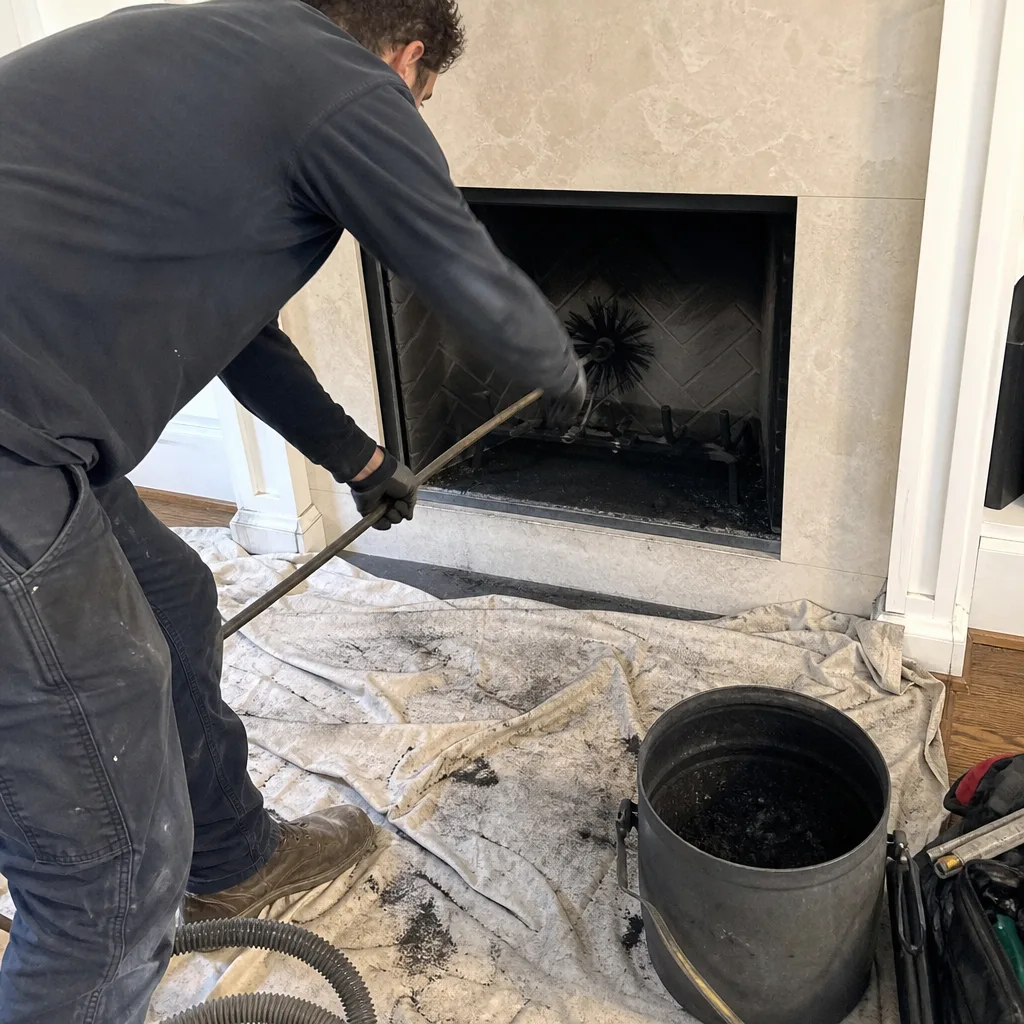
Here’s where the generic checklist breaks down completely. A freestanding colonial in Connecticut has an accessible roof, a single flue, and a homeowner who can walk around the chimney whenever they want. A Financial District brownstone or pre-war conversion has none of that. These are the five items that belong on a FiDi checklist and rarely appear on the standard version.
1. Documenting liner condition in converted commercial spaces. If your building was once a bank, a shipping office, or a warehouse, your chimney was not designed for residential use. The liner may be original, oversized, or partially collapsed. You can’t see any of that from the rooftop ledge. A camera inspection maps it, and the images go in your file. When the liner does need attention, products from manufacturers like Gelco are common in urban retrofit work because they’re designed for exactly this kind of conversion.
2. Checking damper hardware on original pre-war throats. The throat is the opening above the firebox where the damper sits. In many Financial District buildings, the damper is original to the 1920s or 1930s. The frame may be rusted through. The handle may be missing. The damper may be stuck open, which means warm air escapes up the flue all winter and your heating bill pays for it. This hardware is not a standard line item on a suburban checklist because suburban fireplaces from the 1990s have different damper designs entirely.
3. Shared masonry chase condition. If your chimney shares a structural chase with three other units, problems in one flue can affect the whole assembly. A crack in the shared masonry can admit water that damages all four liners. You can’t control what your neighbors do, but you can document the condition of the shared structure when your own flue is inspected. Those photos are yours.
4. Wind exposure from the harbor. The Financial District sits at the tip of Manhattan, and the wind off the harbor is relentless. Caps loosen. Crowns erode. Flashing lifts. An annual inspection catches these before water gets behind the masonry. A biannual inspection catches them faster. For wood-burning fireplaces near the waterfront, annual is the right call every time.
5. Building sale and board audit readiness. When you sell a Financial District unit, the buyer’s attorney may ask for maintenance records on the fireplace and chimney. When the board does a building-wide inspection, they may ask every unit owner to produce a recent chimney report. If your records are organized, you answer in ten minutes. If they’re not, you scramble. This item is not on the generic checklist at all, and it’s the one that costs people the most time later.
Annual vs. Biannual: Matching the Cycle to the Appliance
The rule is simple and specific. A wood-burning fireplace in the Financial District gets swept annually, before the burning season. A decorative gas insert gets swept every two years unless you run it heavily, in which case annual is safer. The distinction matters because gas inserts produce different deposits than wood smoke, and the failure mode is different.
A wood fire produces creosote, which builds up inside the flue and can ignite. That’s the classic chimney fire, and it’s why annual sweeping for wood-burning systems is non-negotiable. In a dense building like a Financial District co-op, a chimney fire is not just your problem. It’s a shared-wall problem. The annual sweep removes the creosote, and the camera inspection confirms there’s nothing else happening in the flue.
A gas insert produces water vapor and, over time, small amounts of soot. The soot accumulates more slowly, and the flue gases are cooler, which can create condensation inside the liner. A gas liner that isn’t checked for two or three years can develop corrosion that a camera inspection catches early. If you use the insert daily through a New York winter, treat it like a wood fireplace: annual inspection. If it’s decorative and runs a handful of times a season, biannual is adequate.
The cycle isn’t just about soot volume. It’s also about access. In a Financial District building, every visit requires roof access, board notification, and COI paperwork. A biannual visit is half the administrative overhead of an annual one, and for a lightly used gas insert, that’s the right trade-off. The key is to decide the cycle based on the appliance and usage, not on what a generic website tells you. Write the decision in your maintenance file, note the date, and revisit it if usage patterns change.
Our recommendation for most FiDi units with gas inserts: start with an annual inspection for the first year, see what the camera shows, and adjust. If the liner is clean and the burner is operating correctly, move to biannual. If there’s any corrosion or soot accumulation, stay annual. The evidence drives the schedule, not the other way around.
How to Store and Organize Inspection Records
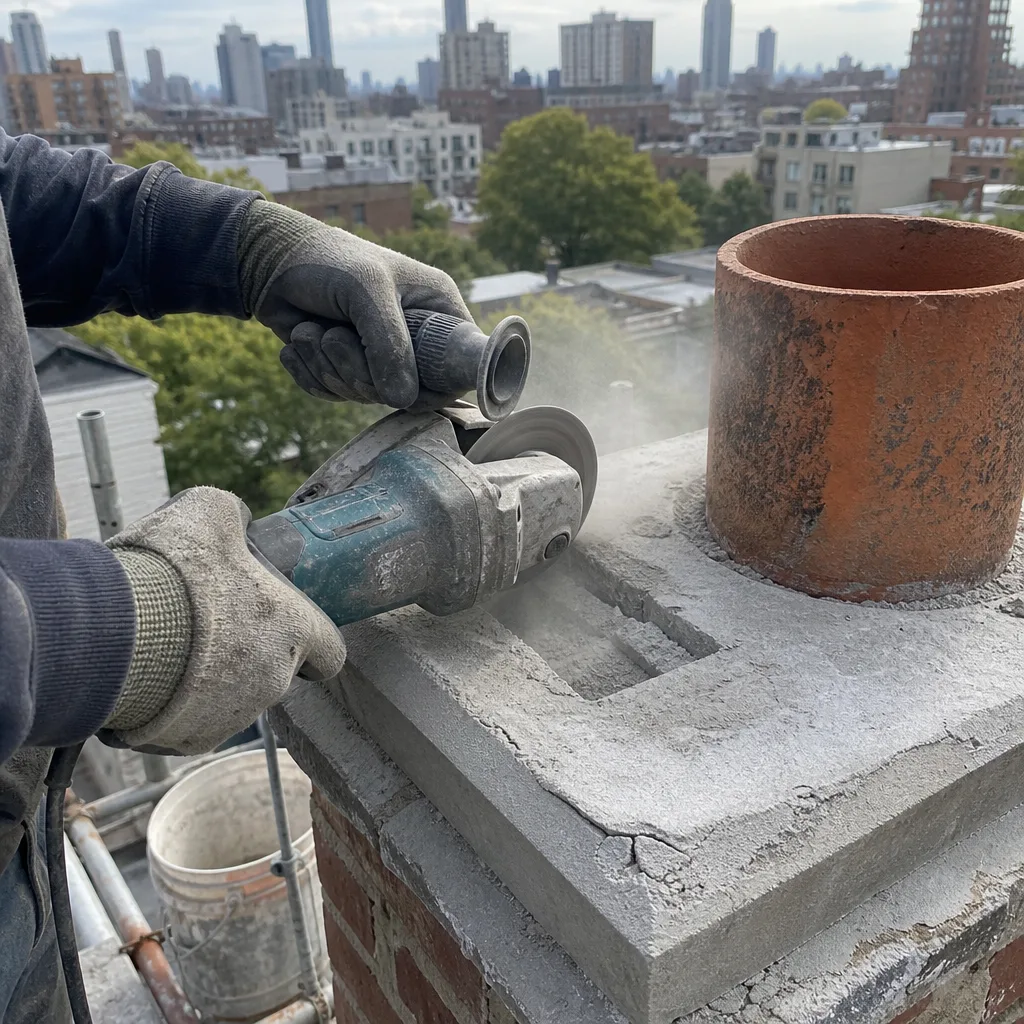
Records are the part of chimney maintenance nobody talks about, and in a Financial District building they’re the part that gets used most. A buyer’s attorney wants them. A board audit wants them. An insurance claim wants them. If you can’t find the report from two years ago, you’re starting from zero.
Here’s how to keep your chimney file in order:
- Save every document as a PDF. Paper fades, and paper gets lost. Ask your chimney company for digital copies of the inspection report, the photo record, the written quote, and the final invoice. If they don’t provide them, take photos and store those.
- Name files by date and address. “2025-11-03-Chimney-Inspection-FiDi.pdf” is a name you can search for. “Scan0001.pdf” is not.
- Keep a one-page summary sheet. After each visit, add three lines: date, work performed, next recommended action. This becomes the document you hand to a buyer’s attorney or a board rep without making them read five years of reports.
- Store in two places. Cloud storage and a local backup. If the building’s storage room floods, your digital copy still exists.
- Include the COI and roof access emails in the same folder. These prove you followed building protocol. When a board asks whether you notified them before the last visit, you have the email thread.
Corrine Halstead, who has led Level Two Chimney since 2009, put it plainly: the homeowner who can produce a clean, complete chimney file in ten minutes is the homeowner who never gets squeezed in a building sale. The file is leverage, but only if it exists before you need it.
For more on what a proper cleaning includes, see our page on Chimney Cleaning & Sweep in Financial District. If you’re dealing with damage rather than maintenance, start with Chimney Repair in Financial District. And if the fireplace itself is your focus, Fireplace Services in Financial District covers the appliance side. You can also visit our Level Two Chimney Financial District home page to see the full scope of what we do.
Common Mistakes to Avoid
- Booking a sweep without confirming roof access. In a Financial District co-op, the roof is not yours to access. The appointment falls apart at the lobby, and you’ve wasted a day off work. Confirm access in writing before booking.
- Accepting an inspection with no photo record. A flashlight look from the roof or the firebox is not an inspection. If there are no camera images of the flue liner, you have no evidence, and you will be sold repairs you can’t verify. Demand the photos.
- Assuming the board handles contractor paperwork. The board enforces rules; it doesn’t do your filing for you. The COI, the notification, the roof access request: those are your responsibility as the unit owner.
- Putting a wood-burning fireplace on a biannual schedule. Creosote accumulates with every fire, and one heavy season is enough to make a flue unsafe. Wood burns annually, full stop.
- Ignoring the damper because “the fireplace works.” A stuck-open damper costs you heat all winter, and a rusted damper frame is a repair that gets more expensive the longer it waits. It’s a line item on every inspection for a reason.
- Treating the chimney as disconnected from the building. Your flue runs through a shared chase in most Financial District buildings. Your maintenance affects your neighbors, and theirs affects you. Document the shared structure when you have access.
When to Call a Professional
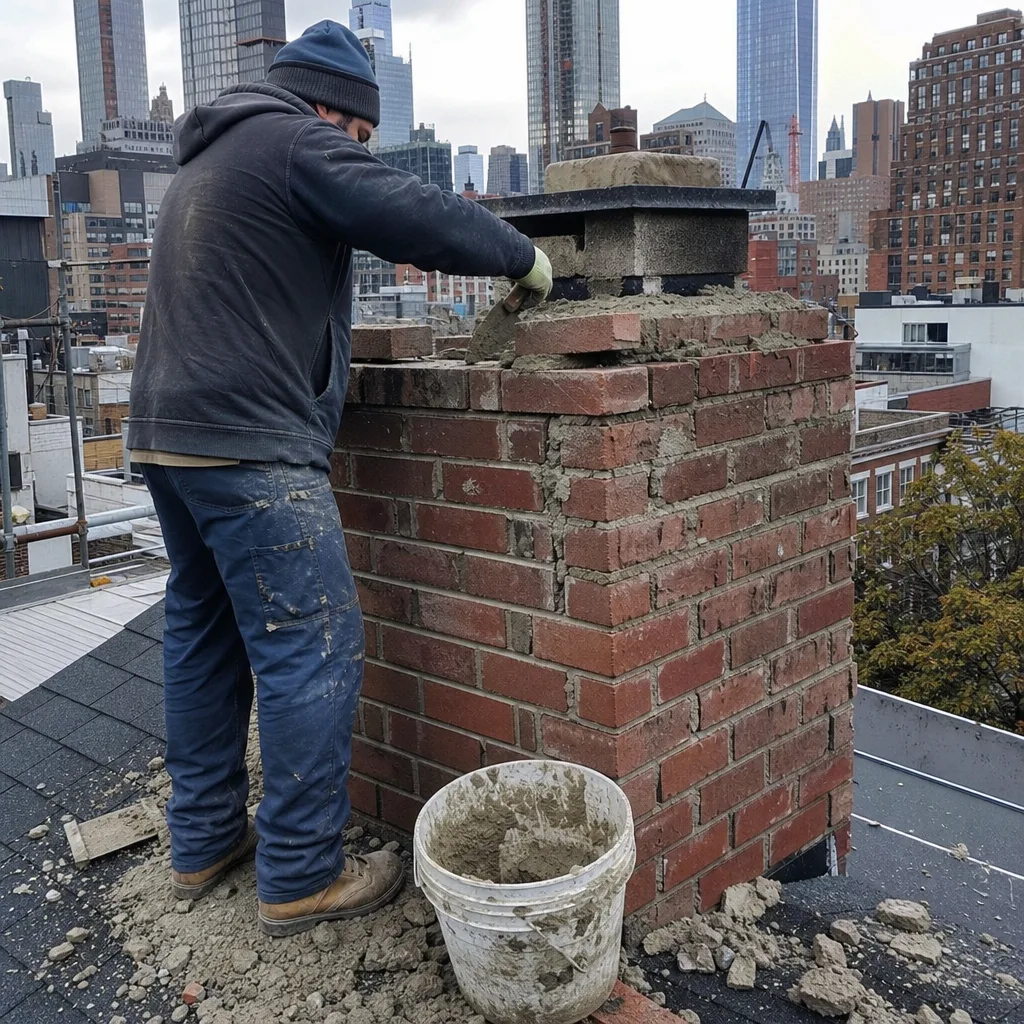
Some things you handle yourself: testing the damper, storing records, booking the appointment. Everything else is professional work. If you smell smoke in the apartment when the fireplace isn’t running, call immediately. If you see water stains on the ceiling near the chimney, call immediately. If you hear animals in the flue, call immediately. If the last inspection was more than two years ago and you use the fireplace regularly, call before the burning season starts. Level Two Chimney Financial District offers free estimates in Financial District, call (551) 213-4778.
Frequently Asked Questions
A standard chimney cleaning and Level 2 camera inspection in the Financial District typically runs $250 to $450, depending on flue height, access difficulty, and the condition of the system. A written price before any work starts is non-negotiable; never accept a quote that arrives after the technician is already in your home. Call (551) 213-4778 for an exact written estimate, free of charge.
A wood-burning fireplace in an apartment building should be swept annually, before the burning season; a decorative gas insert can be swept every two years unless it runs daily, in which case annual is safer. The schedule is set by the appliance type and usage, not by the building type, though building access rules in the Financial District mean you should book further in advance than a suburban homeowner would.
Not necessarily. A Level 2 camera inspection will show whether the liner has minor spalling (surface flaking), significant cracks, or actual gaps. Only a gap or severe deterioration that affects draft or safety requires immediate replacement. You should never accept a liner recommendation without seeing the camera images yourself. We provide the photo record on every visit, and we’re happy to show you exactly what the camera saw. Call (551) 213-4778 for a free second opinion on any written estimate.
Creosote accumulates, the liner deteriorates unseen, and the first sign of a problem may be a chimney fire or water damage behind the walls. In a shared Financial District chase, water coming through a cracked crown affects every unit in the stack, not just yours. The cost of a cleaning and inspection is a fraction of the cost of a liner replacement or masonry rebuild.
No. A fireplace converted to gas has a different flue sizing, different burner components, and often a different liner than a wood-burning system. Burning wood in a gas-converted fireplace risks fire and carbon monoxide exposure. If you want to convert back to wood, that’s a full inspection and likely a liner replacement, and it should be evaluated by a professional with a camera down the flue.
You should receive a written inspection report, camera images of the flue before and after cleaning, a creosote reading, a written note on damper and crown condition, and a written price for any recommended repairs. Anything less is incomplete. Clause 4 of the Haven Standard requires a documented photo record on every job, and we’ve included it as standard since 2009.
The Bottom Line
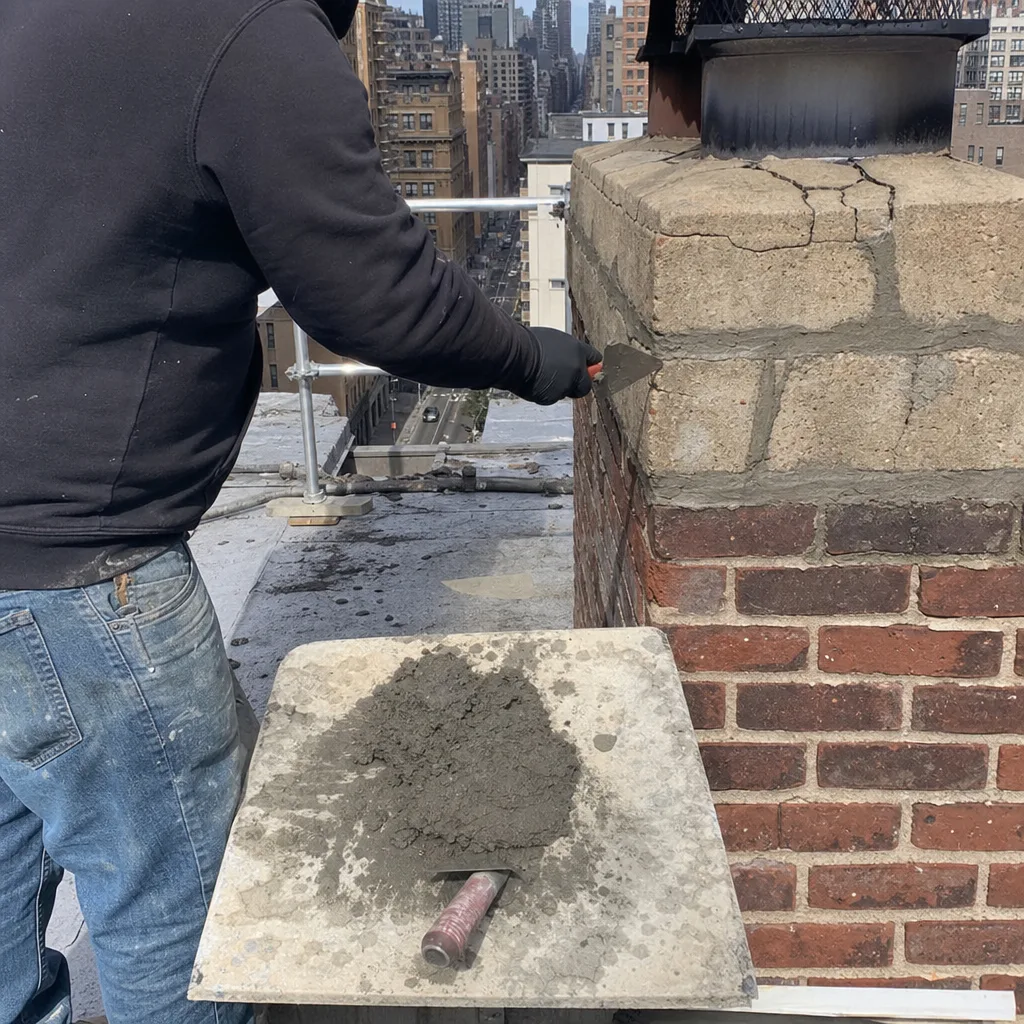
A Financial District chimney checklist isn’t a list of tasks. It’s a record of evidence. Roof access confirmed in writing, COI submitted to the board, camera images of the liner, a creosote reading, damper condition noted, written price before work, written warranty after. Keep the file organized, set the annual or biannual cycle based on what actually burns in your firebox, and never accept a repair recommendation you can’t verify with your own eyes. The chimney shares a wall with your neighbors and a chase with your building; the documentation is what separates a maintained system from a liability. Explore more guides & resources on keeping your system safe. Call (551) 213-4778 to book a sweep or a free estimate with Level Two Chimney Financial District.
Written by Corrine Halstead, Owner at Level Two Chimney Financial District, serving Financial District since 2009.