
Last updated September 20, 2026
Level 1 sweep and inspection to the NFPA 211 annual standard - flue, crown, cap, and flashing checked and photographed
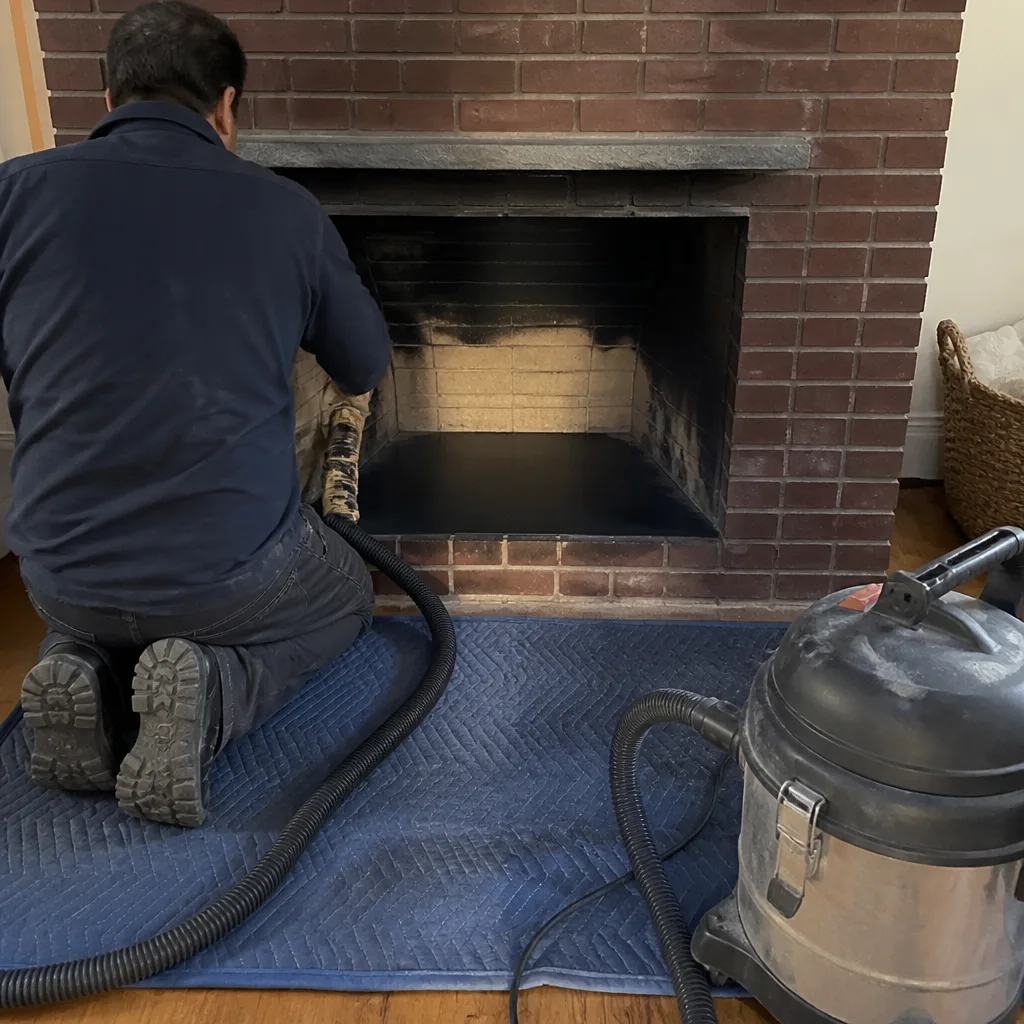
Chimney sweep logs do not sweep chimneys. They loosen some creosote - which then falls where a brush and vacuum still have to collect it.
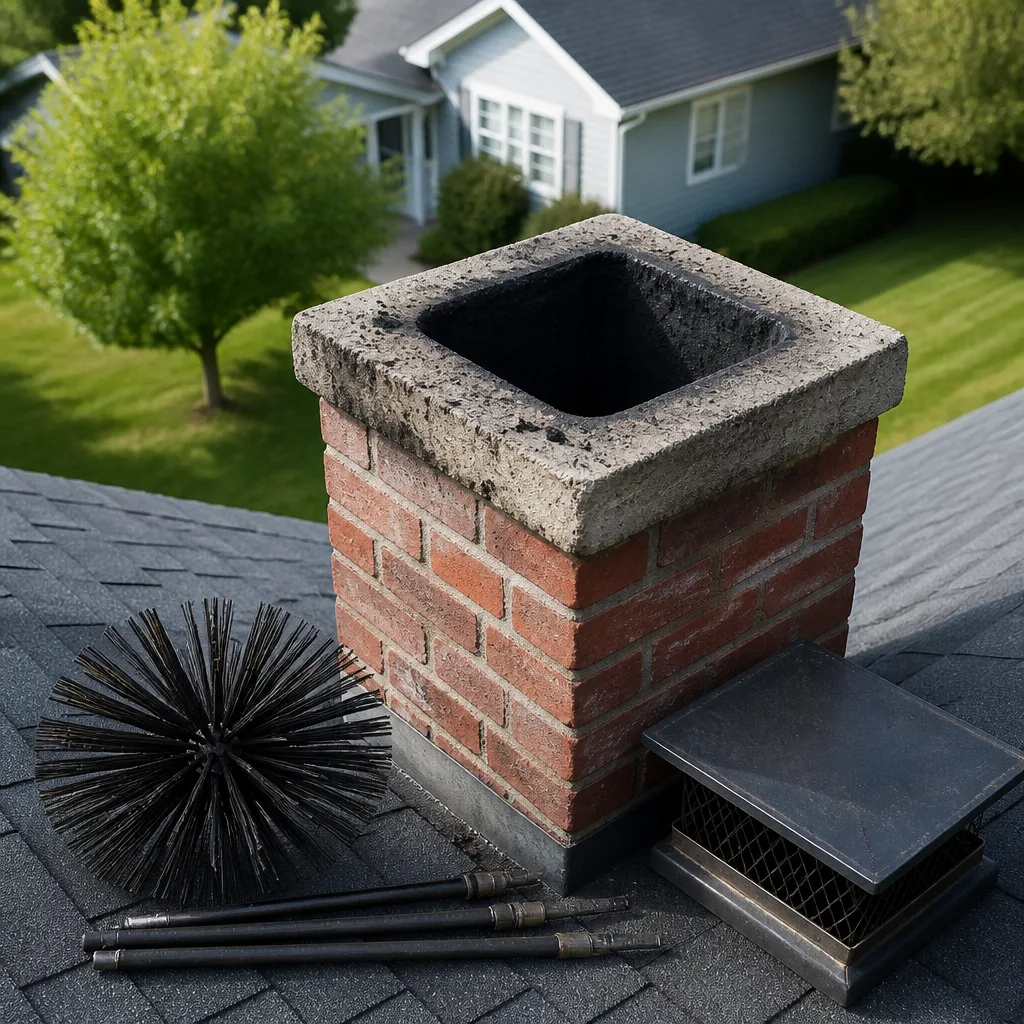
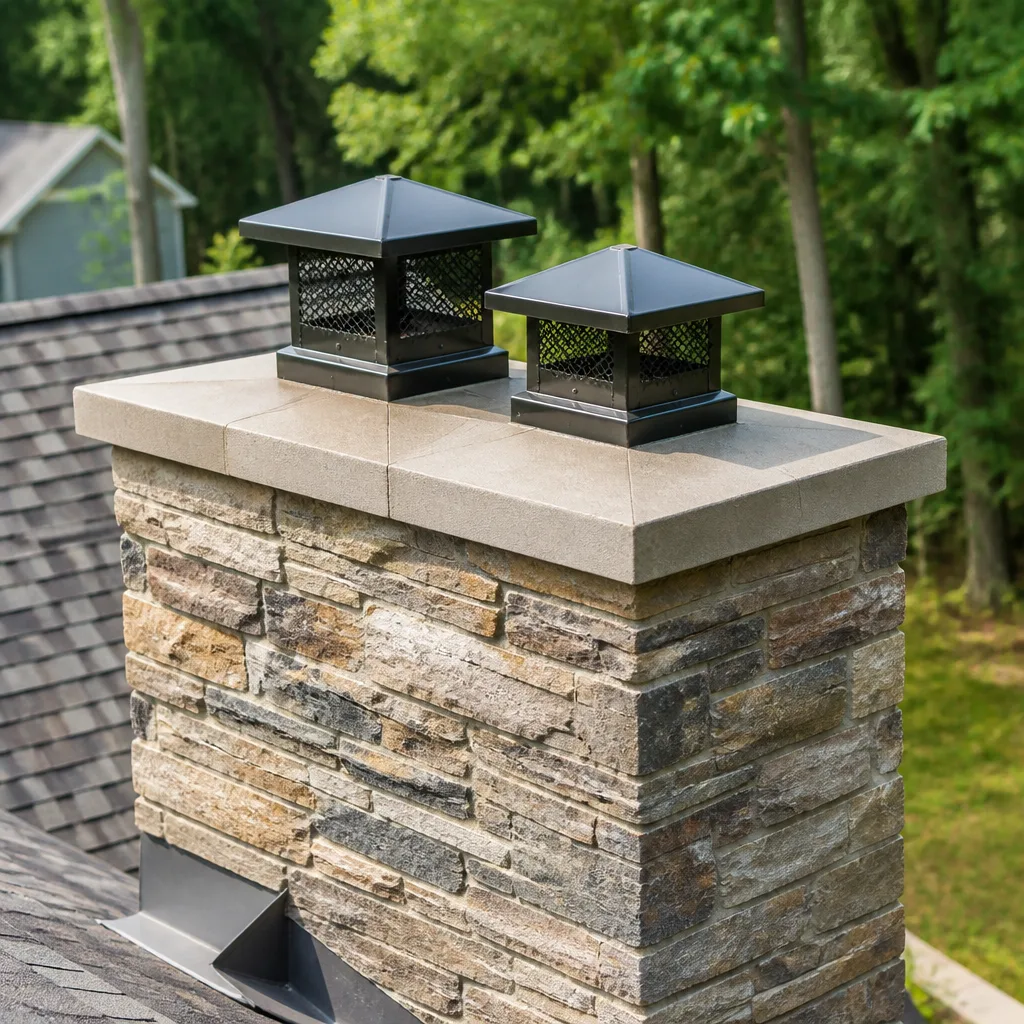
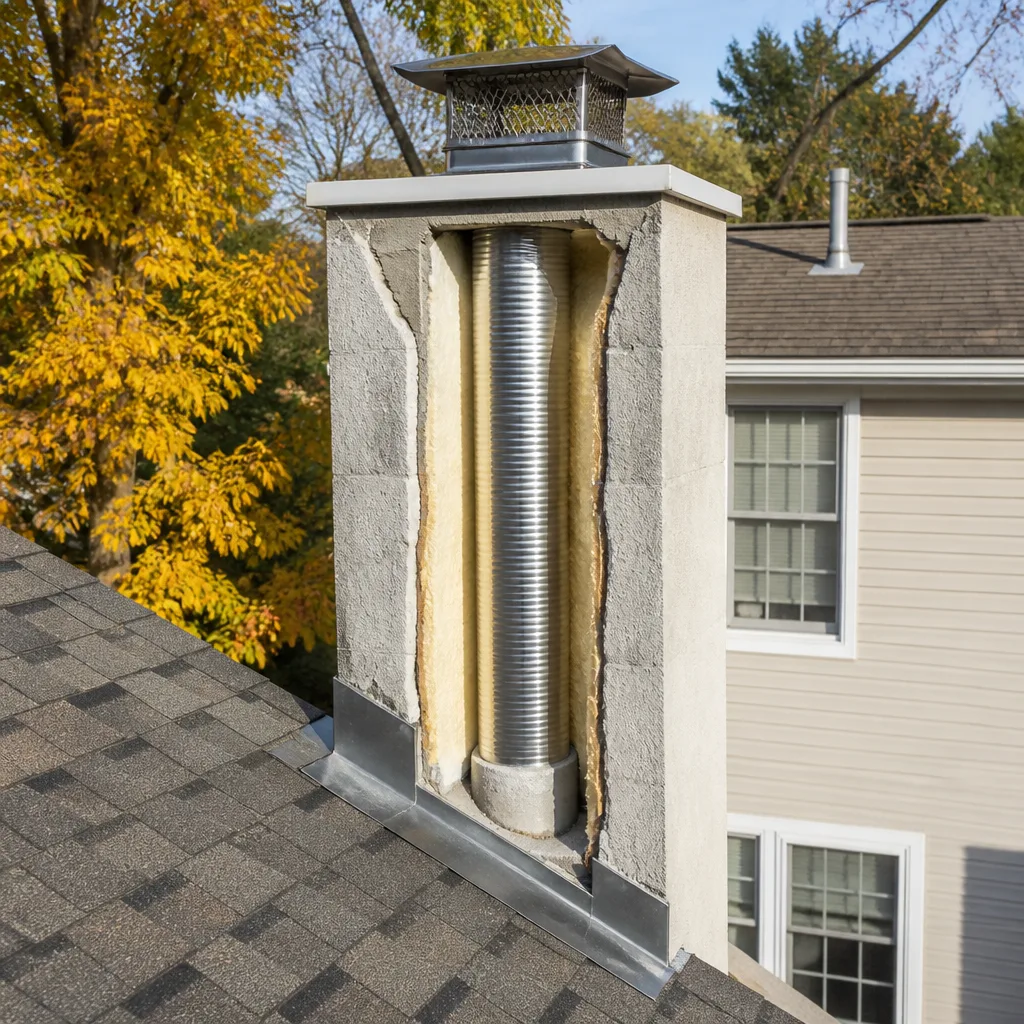
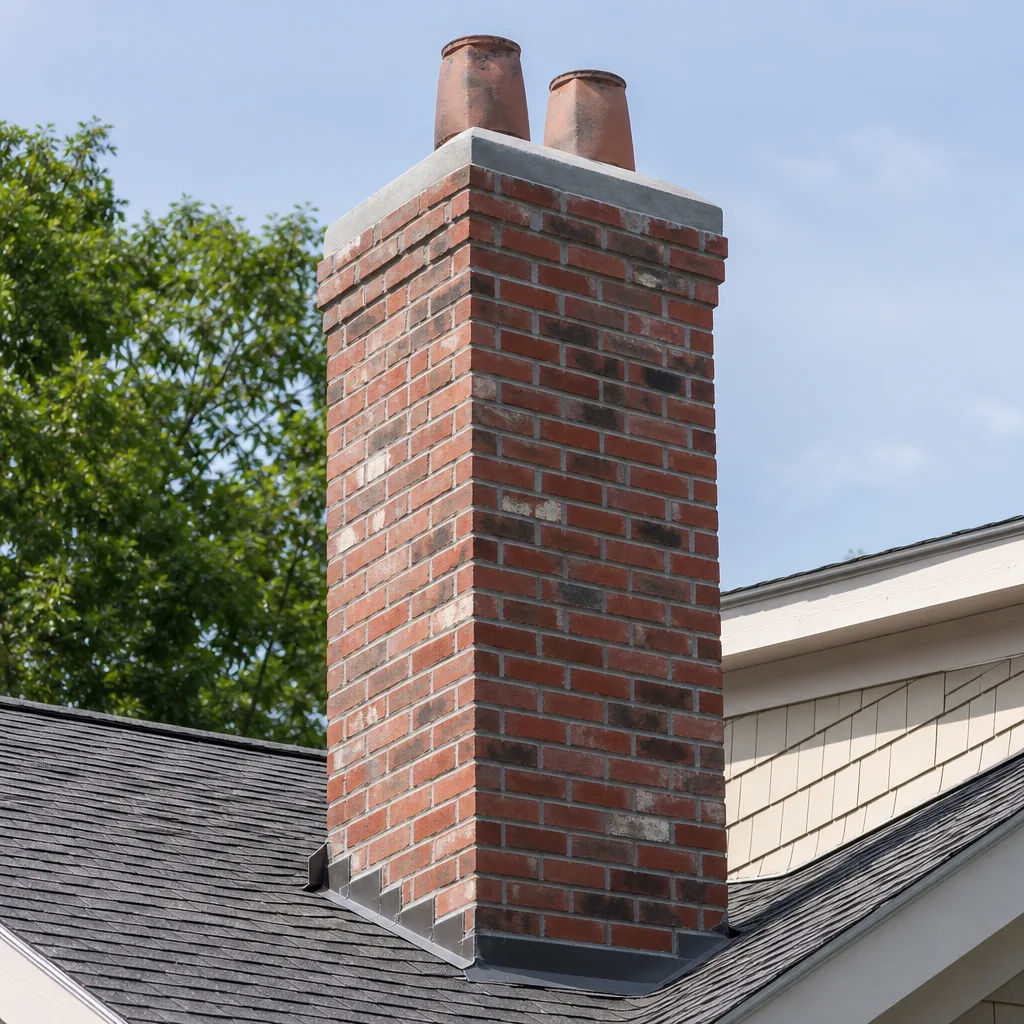
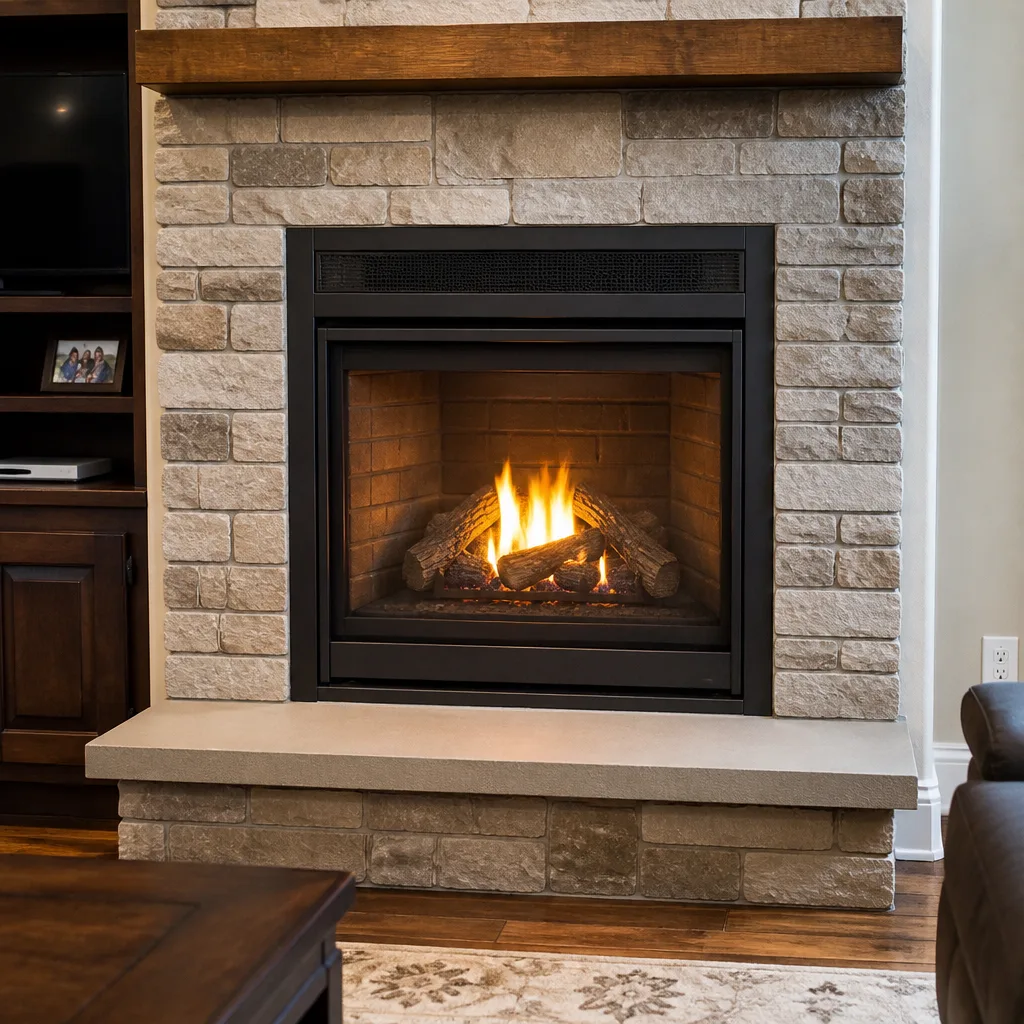
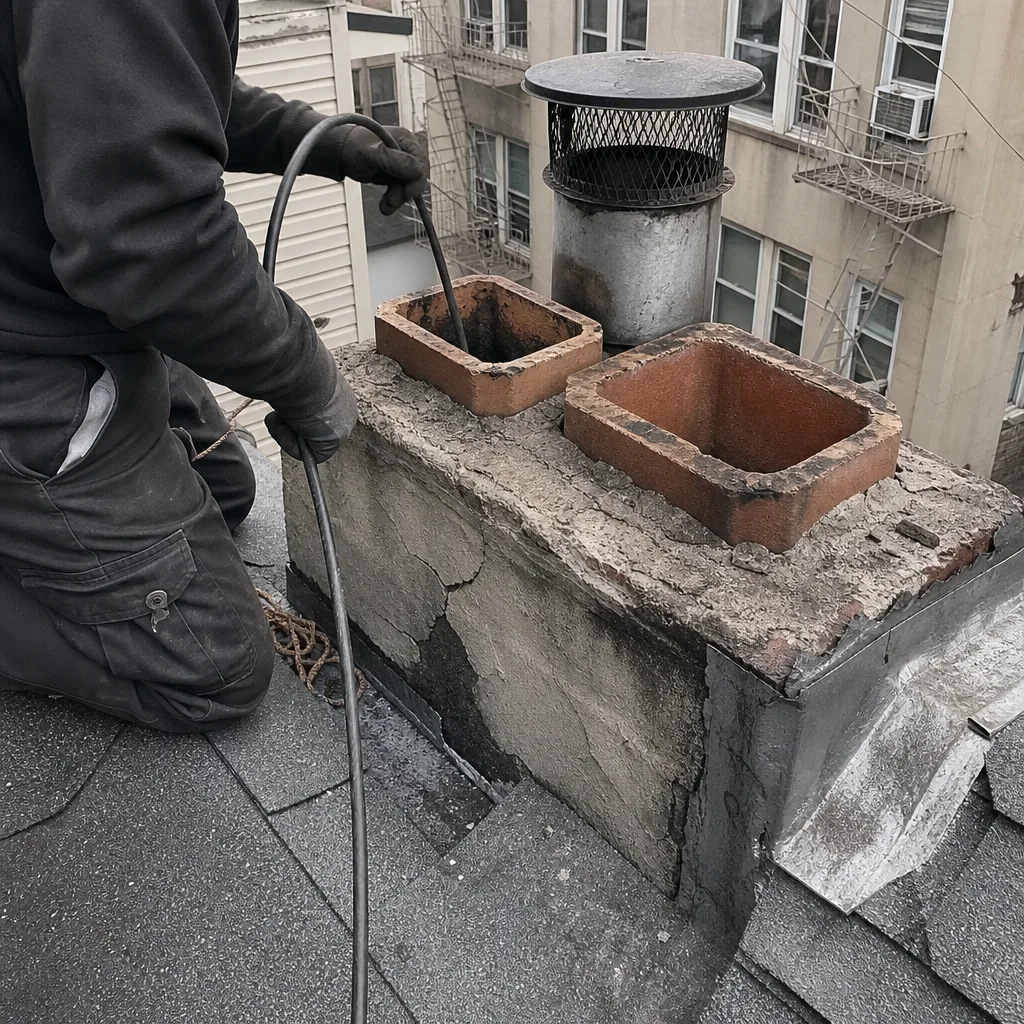 Before
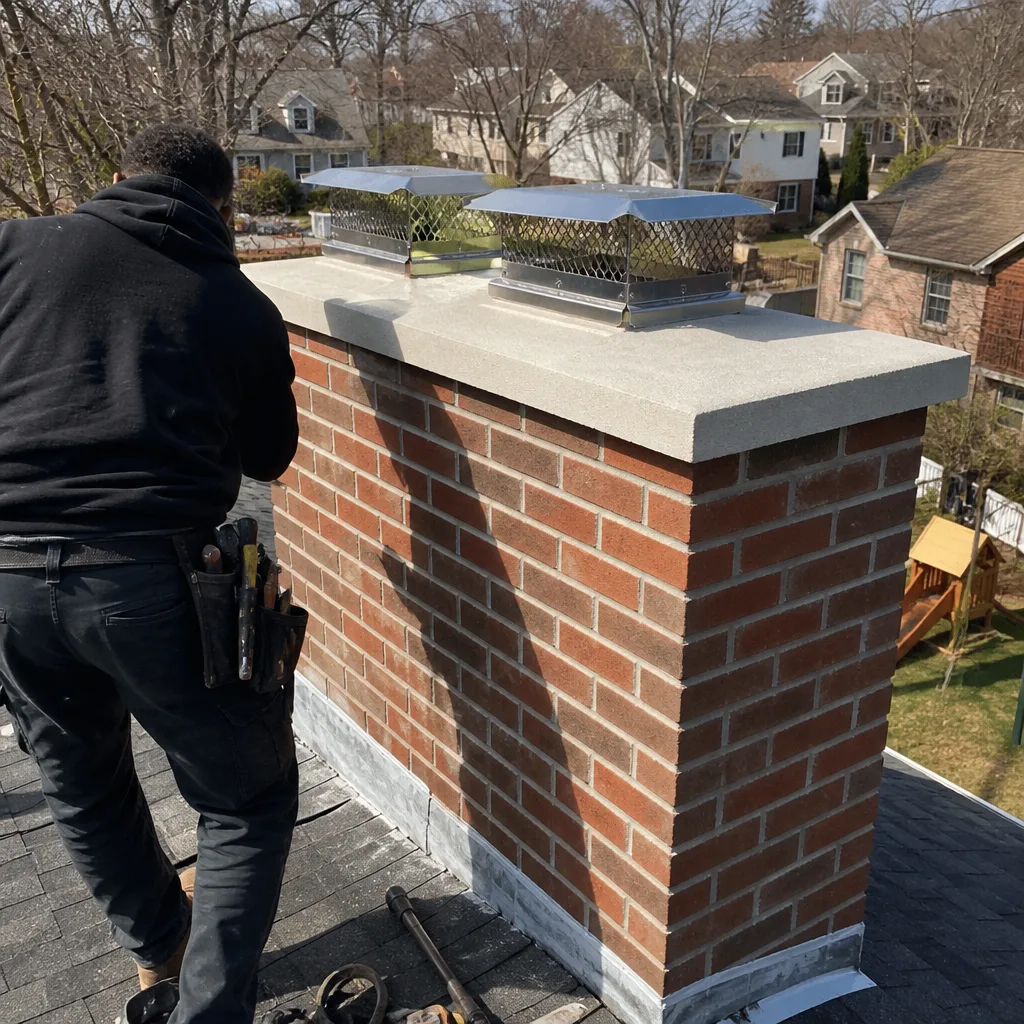 After
After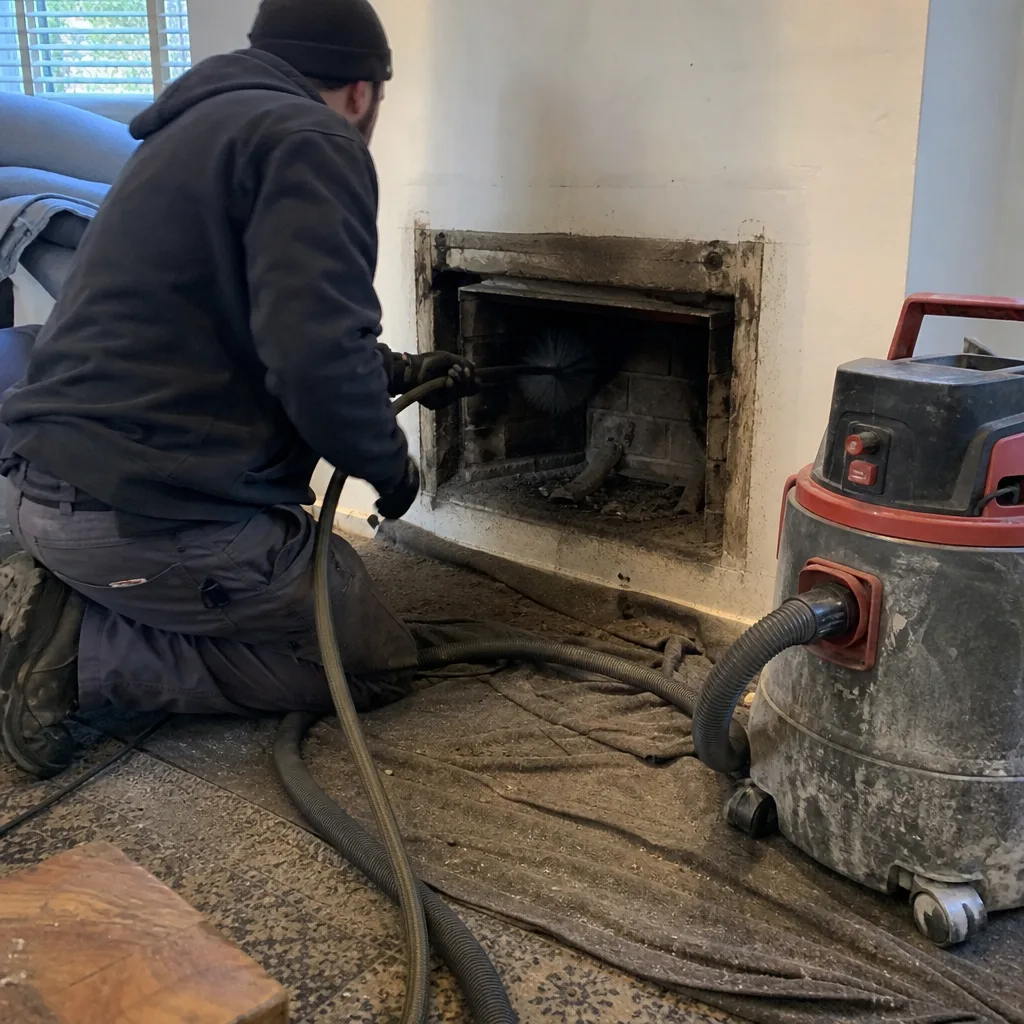 Before
 After
After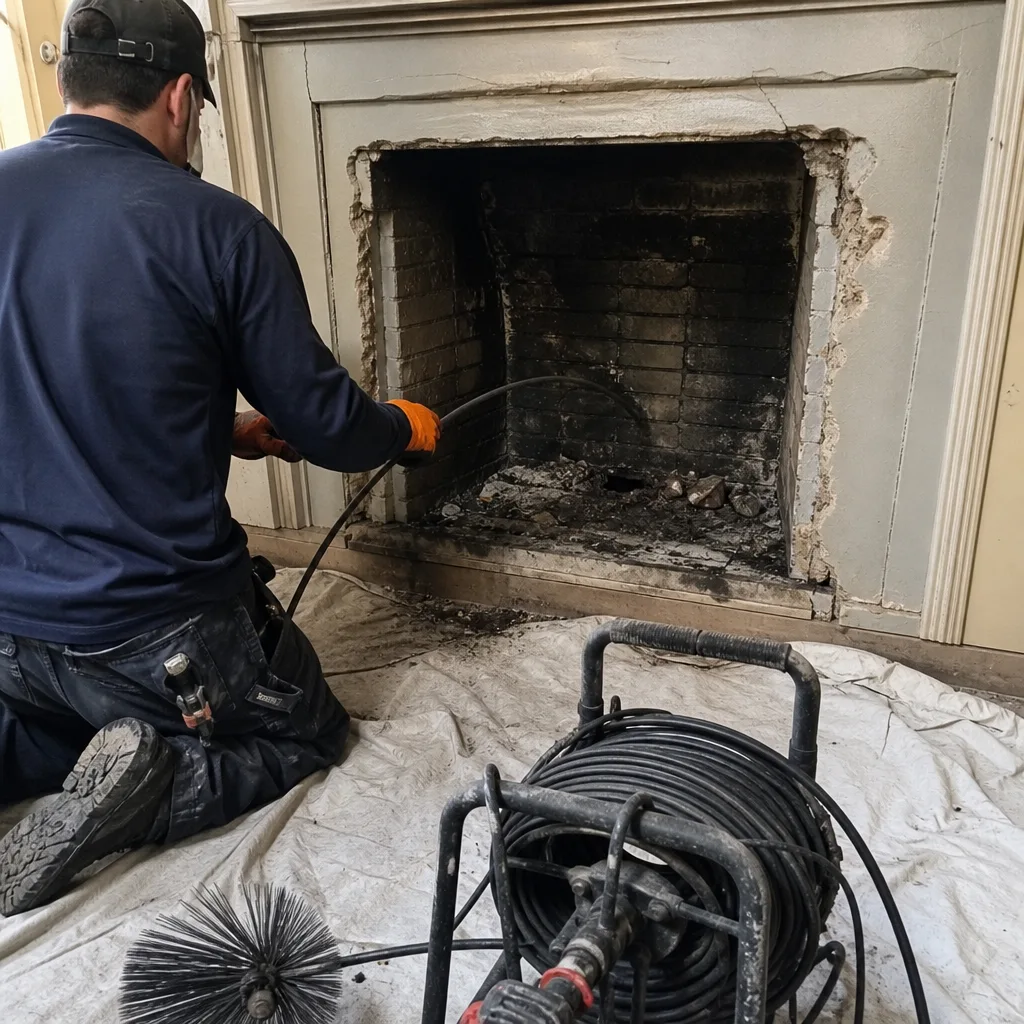 Before
 After
AfterThe Complete Guide to Chimney Cleaning in Financial District
Most Financial District fireplaces sit inside buildings that predate the National Fire Protection Association by decades, and the flue liners, if they exist at all, were designed for coal, not gas logs or wood. This guide maps what actually happens when a chimney in a converted commercial building, a pre-war co-op, or a landmarked tower needs to be cleaned and documented, and our more guides & resources cover related topics in depth. You’ll learn what a real inspection requires, what it costs in this specific market, and why the paperwork matters as much as the sweep itself in Financial District buildings.
Quick Answer
Chimney cleaning in the Financial District typically costs between $229 and $389 for a standard sweep with a camera-scan inspection, though pre-war buildings with converted commercial flues often require a Level 2 inspection that runs $349 to $549. Co-op and condo boards increasingly require a written report with photo documentation, not just a receipt, before they’ll approve fireplace use. The cleaning itself is only half the job; the documented record is what satisfies your building’s insurance rider.
Table of Contents
- Why Financial District Chimneys Are Different
- What NFPA 211 Level 2 Actually Requires
- How Much Chimney Cleaning Costs in the Financial District
- The Difference Between a Sweep Visit and a Documented Cleaning Cycle
- What Co-op and Condo Boards Require
- Shared Masonry Walls and Cross-Contamination Risk
- Step-by-Step: What a Proper Chimney Cleaning Looks Like
- Common Mistakes to Avoid
- Frequently Asked Questions
BeforeAfterWhy Financial District Chimneys Are Different
A chimney in a suburban house is a straight shot: cap on top, flue tile down the middle, firebox at the bottom. A chimney in the Financial District is often something else entirely. Many residential units in FiDi are carved out of buildings that were originally warehouses, trading houses, or office towers from the late 1800s and early 1900s. When those buildings converted to residential use, the original flues sometimes got repurposed rather than rebuilt. That means offsets, horizontal runs, and flue geometries that standard brush kits were never designed to handle.
We’ve pulled brushes out of flues in converted commercial buildings on Pearl Street and Water Street where the offset was nearly 45 degrees. A standard round brush will bind in that configuration. You need a camera down the flue first to see what you’re actually dealing with, because the shape of the flue determines what kind of cleaning is even possible.
The second thing that separates Financial District chimneys is age. A building constructed in 1890 predates NFPA 211 by almost a century. The original flue lining, if one was installed at all, was often terra cotta tile or nothing more than brick parging. Terra cotta cracks under thermal stress, and coal-burning flues from that era were sized for a different kind of heat than a modern gas log set or wood-burning fireplace produces. In our experience, a significant percentage of Financial District chimneys we inspect have either no liner or a liner that was never designed for the appliance now venting into it.
The third factor is the building envelope itself. Financial District towers and mid-rises sit close together. Wind loads at height behave differently than wind loads on a two-story house in the suburbs. A chimney on the 18th floor of a converted office building on Broadway faces pressure differentials that can cause drafting problems you simply don’t see in single-family construction. Cleaning and inspecting these systems requires understanding how the building itself affects the chimney’s performance.
What NFPA 211 Level 2 Actually Requires
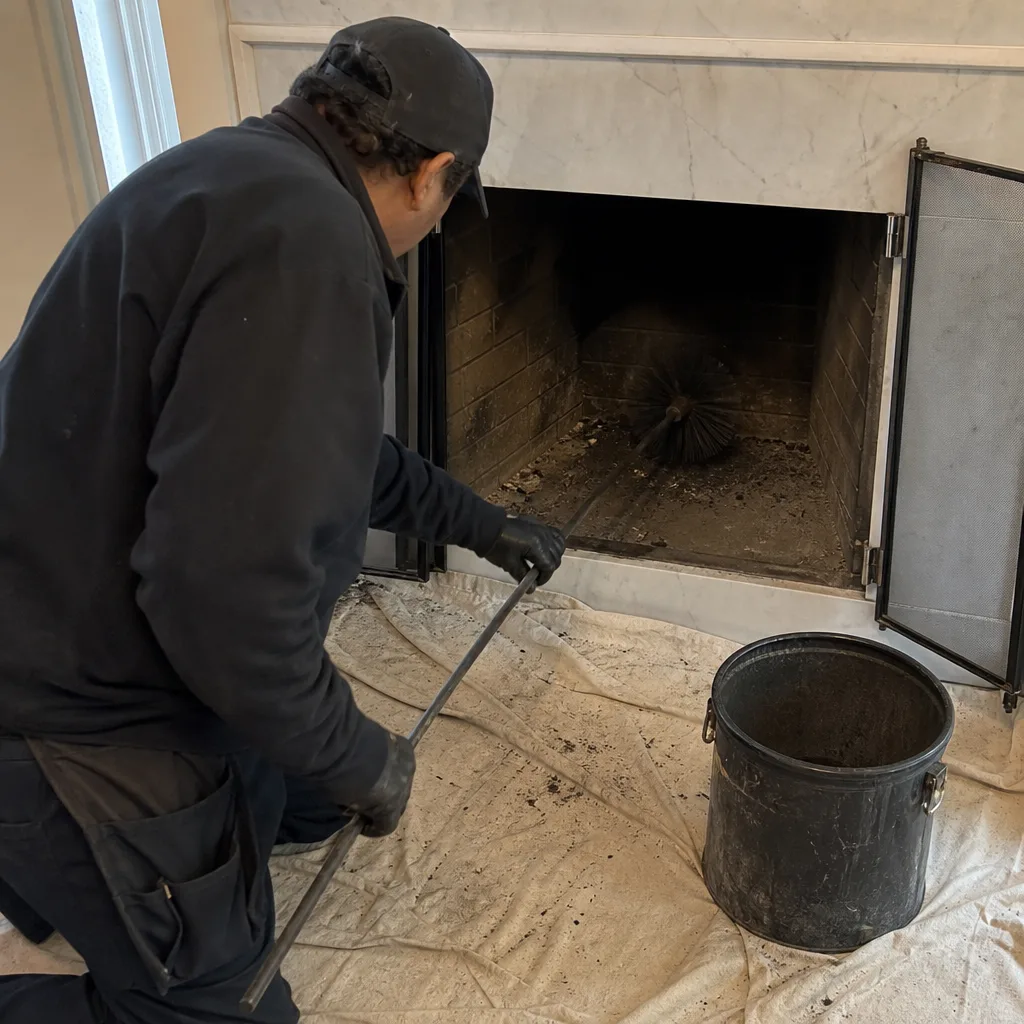
Here’s the most important thing to understand about chimney inspection standards in the Financial District: when a company calls what they do an “inspection,” the word means whatever they want it to mean unless they specify the standard. NFPA 211 defines three levels of inspection. A Level 1 is a visual check of accessible portions of the chimney. A flashlight look. A Level 2 is a completely different thing, and it’s what the standard requires when there’s been a change to the system, a change in fuel type, a property transfer, or a fire or weather event.
An NFPA 211 Level 2 inspection requires:
- Access to the roof, attic, and crawlspace to examine the exterior chimney structure
- Video scanning of the entire interior flue with a camera designed for the purpose
- Examination of the clearance to combustibles in accessible areas
- Verification of the flue liner’s condition, material, and sizing relative to the appliance
- A written report documenting what was found
Most companies in the Financial District market call a visual check with a mirror and a flashlight an “inspection” and charge for it. A real Level 2 inspection requires the camera down the flue, and it requires documentation. Clause 4 of the Haven Standard requires a photo record on every job, which means when we do a Level 2 inspection in Financial District, you walk away with images of your flue, not a verbal summary of what someone thinks they saw. The distinction matters because co-op boards and insurance companies have started asking for that documentation specifically.
How Much Chimney Cleaning Costs in the Financial District
In the Financial District market, a standard chimney sweep with a camera-scan inspection typically runs between $229 and $389, depending on flue length and accessibility. A Level 2 inspection as defined by NFPA 211 adds cost because it involves roof access, full video documentation, and the written report. That service generally runs $349 to $549 in FiDi, and in some landmarked buildings where roof access requires coordination with the building’s managing agent, the logistics can add to the visit time.
Here’s a breakdown of typical line items you’ll see on a written quote for chimney work in the Financial District:
| Service | Typical Range in FiDi |
|---|---|
| Standard sweep with camera-scan | $229 to $389 |
| NFPA 211 Level 2 inspection with video report | $349 to $549 |
| Chimney cap installation (basic galvanized or stainless) | $250 to $550 installed |
| Flue liner repair (resurfacing with HeatShield) | $2,500 to $5,000 depending on flue height |
| Full stainless liner replacement (DuraFlex or Olympia) | $4,500 to $9,500 depending on height and access |
| Crown repair or rebuild | $800 to $2,200 depending on condition |
These are written-price ranges, not estimates given over the phone and changed after the tech arrives. The Haven Standard requires a written price, written scope, and written warranty before anyone starts work, and that’s Clause 1: have it in writing. If a company won’t give you a written price before they arrive, that itself is information about how they operate. A Free Second Opinion on any written estimate is always available from us, and that’s worth remembering in a market where pricing varies wildly between providers.
For a detailed breakdown of what influences these numbers, see our Chimney Cleaning & Sweep in Financial District page, which covers the specific variables in this market.
The Difference Between a Sweep Visit and a Documented Cleaning Cycle
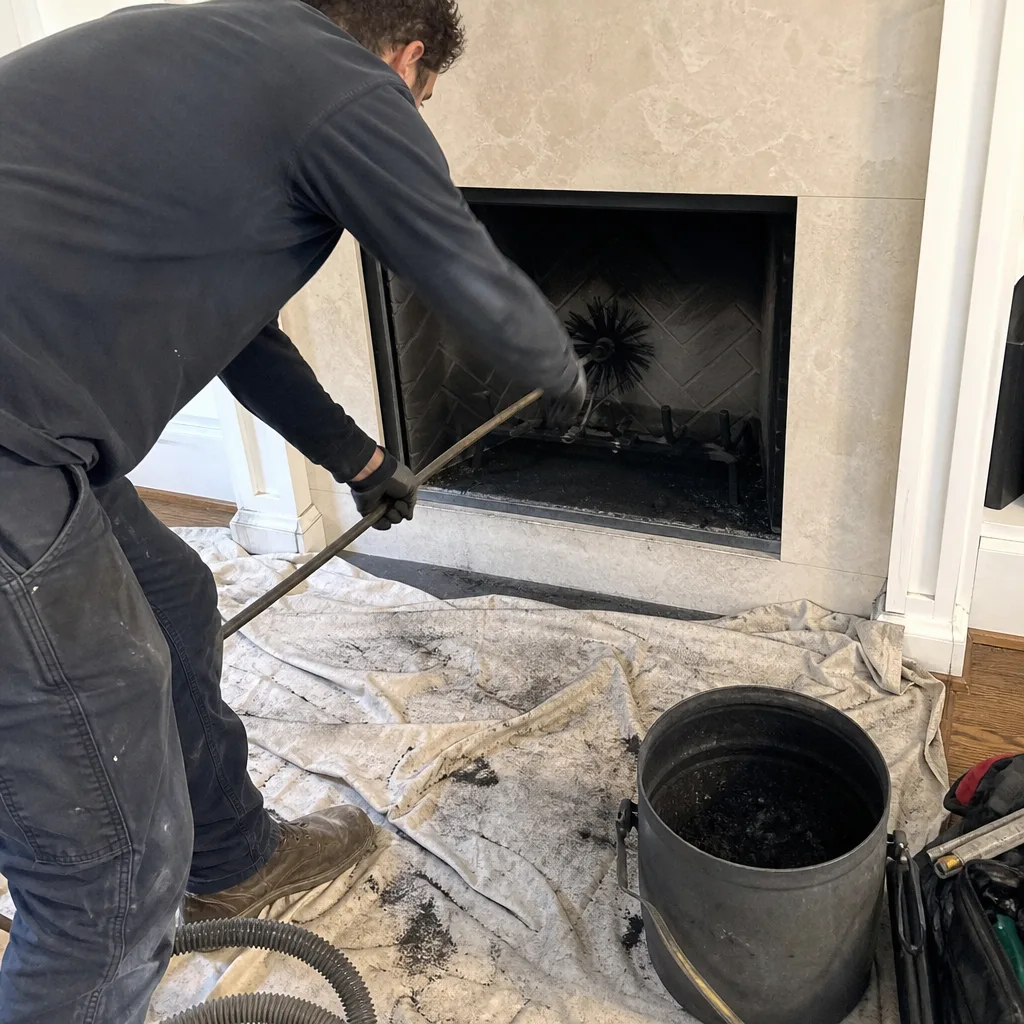
A “sweep visit” is what most FiDi companies sell: a technician shows up, runs brushes through the flue, tells you it’s clean, and leaves a receipt. A documented cleaning cycle is something else. It means you walk away with a record of what was found, what was done, and what the flue looked like before and after.
The written record from a proper chimney cleaning in a Financial District building should contain:
- A description of the flue’s condition before cleaning, including creosote class if applicable
- Photos or video stills from the camera scan showing the flue before and after
- A written statement of what was removed and from where
- Any observations about liner condition, crown integrity, or drafting issues
- The technician’s name and license information
- A written warranty covering the work performed
Why does this matter in the Financial District specifically? Because your co-op board’s insurance rider increasingly requires documentation that professional maintenance was performed, not a carbon-copy receipt that says “chimney swept.” When there’s a fire claim involving a chimney or fireplace, the insurance carrier asks for maintenance records. A receipt proves you paid someone. A documented cleaning cycle proves what was actually done. The difference can determine whether a claim gets paid.
Since 2009, we’ve completed more than 38,000 chimney inspections and cleanings, every one with a written price before work started and a documented record when it was done. That practice, the photo archive that became Clause 4 of the Haven Standard, wasn’t something regulators or insurers asked for when we started doing it. It’s now what boards in Financial District buildings have come to expect.
What Co-op and Condo Boards Require
If you own a condo in a Financial District tower or a co-op in a pre-war building on Exchange Place or Hanover Square, your fireplace isn’t entirely yours. Choosing the right professional matters, so we’ve published How to Hire a Chimney Cleaning Contractor in Financial District: A Step-by-Step Guide to help. It’s part of a shared chimney system, and your board has a legitimate interest in what happens inside it. What we’ve seen over the last five years is a steady shift: boards that used to accept a receipt now require a written Level 2 inspection report before they’ll approve fireplace use at all.
That’s not bureaucracy. It’s risk management. When one unit’s neglected flue liner fails, the consequences can extend beyond that unit. A liner failure in a shared chimney can damage adjacent units, trigger building-wide shutoffs, and put the board’s insurance policy at risk. The board isn’t asking for documentation because they enjoy paperwork; they’re asking because their carrier now conditions coverage on it.
A compliant report for a Financial District co-op or condo board should include:
- The inspection standard referenced (NFPA 211 Level 2)
- Camera scan findings with photo documentation
- Assessment of the flue liner’s condition and material
- Any clearance-to-combustibles issues noted
- The technician’s name and license information
- A written recommendation for any repairs, with a separate written price
We’ve worked with dozens of Financial District boards on this exact process. The reports that get approved without follow-up requests are the ones with photos, not the ones with checkboxes. That’s why we’ve made camera-scan documentation the default on every visit since 2009. If you need a report your board will accept, the camera footage is the thing they can’t argue with. You can learn more about other fireplace-related services, including what boards typically require for gas log installations, on our Fireplace Services in Financial District page.
Shared Masonry Walls and Cross-Contamination Risk
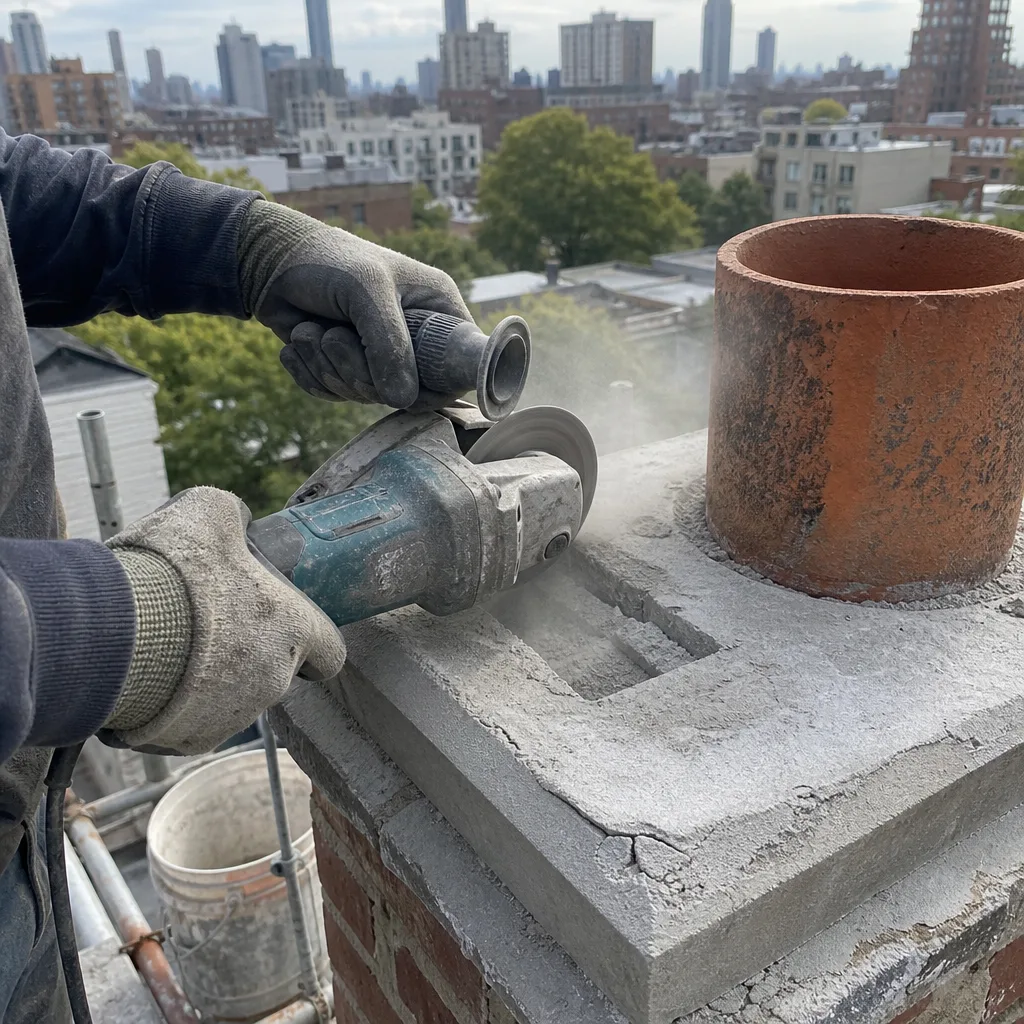
Financial District buildings share masonry in ways suburban homes don’t. In a converted commercial building, multiple flues often run parallel inside a single masonry chase. Sometimes those flues share a common wall. When one flue develops a crack or a failed mortar joint, the products of combustion don’t necessarily stay in that flue. They move into the adjacent flue, and then into someone else’s unit.
This is what we mean when we talk about cross-contamination risk, and it’s a problem a single-unit inspection cannot catch. If a company only looks at your flue and your firebox, they’re seeing half the picture. A proper inspection in a shared-masonry building involves examining the condition of the chase itself, looking for signs that adjacent flues are compromised, and checking whether mortar joints have failed in ways that create pathways between flues.
We’ve seen cases in Financial District buildings where a unit owner had their chimney inspected and cleaned, got a clean report, and months later had smoke entering their apartment from a neighbor’s fire. The neighbor’s flue had a crack in the shared wall, and the smoke was migrating laterally. No amount of cleaning of the first unit’s flue would have caught that. It required a camera scan that documented the shared wall’s condition and a report that flagged the cross-contamination risk to the board.
For unit owners in shared-masonry buildings, this is another reason the Level 2 standard matters. The standard requires examination of the accessible portions of the chimney structure, not just the flue interior. In a Financial District co-op, that means looking at what’s happening in the chase, not just inside your flue. If the company you hire doesn’t do that, they’re not delivering what NFPA 211 Level 2 requires, regardless of what they call their service.
Step-by-Step: What a Proper Chimney Cleaning Looks Like
A real chimney cleaning in a Financial District building follows a sequence. Here’s what it looks like when it’s done to the NFPA 211 standard with documentation:
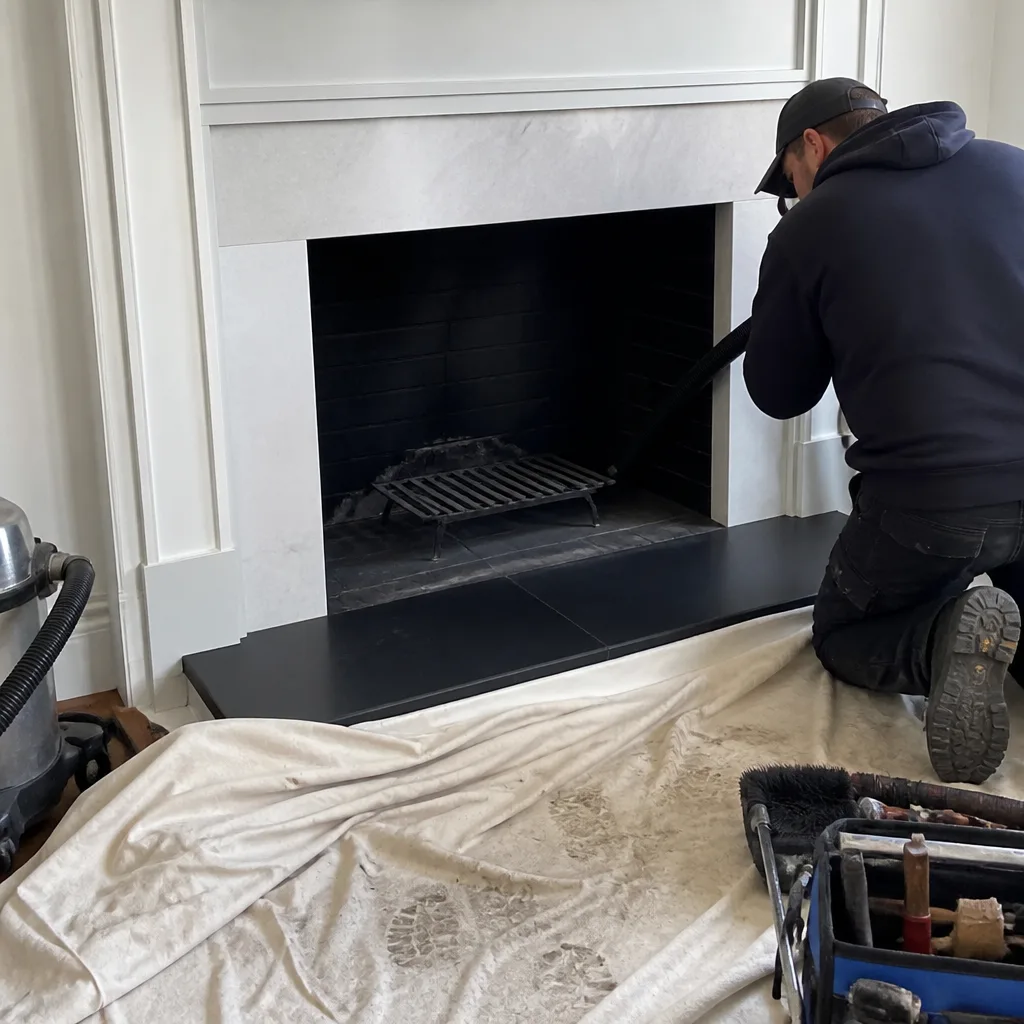
- Site preparation. The technician covers the hearth area, lays drop cloths from the entry to the fireplace, and confirms the appliance is cool and the gas is off if applicable.
- Initial visual assessment. Before any brushes come out, the technician looks at the firebox, damper, smoke chamber, and accessible exterior. This identifies obvious issues that might make cleaning unsafe or pointless until addressed.
- Camera scan of the flue interior. A specialized chimney camera goes down the flue from the top. The technician records the entire length, noting the liner condition, creosote class, any offsets, and any obstructions. This footage is your before-documentation.
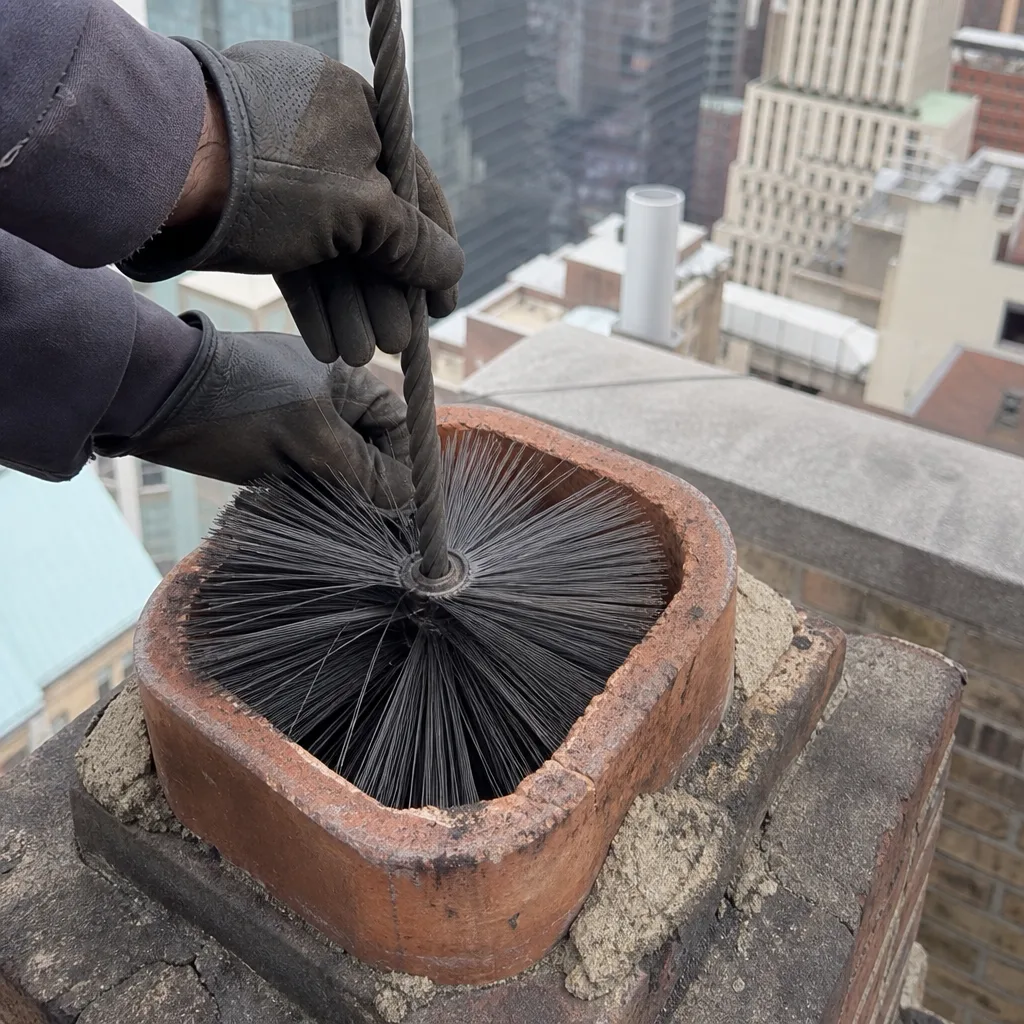
- Mechanical cleaning. Brushes sized to the flue’s actual dimensions run through the system. In Financial District buildings with offsets or unusual geometries, this may require specialized equipment rather than standard round brushes. The technician works top-down and bottom-up as needed to get complete coverage.
- Smoke chamber and damper cleaning. The area above the firebox and below the flue collects debris and creosote. This area is overlooked by a surprising number of companies, and it’s often where the most flammable deposits sit.
- Post-cleaning camera scan. The camera goes down again to verify the cleaning was complete and to document the after-condition. These photos are part of your record.
- Written report and photo documentation. You receive a written summary of what was found, what was done, and what the camera showed before and after. This is the document your board and insurance carrier will want.
- Recommendations with written pricing. If the inspection uncovered issues, you get a written description of what needs attention and a written price for the repair. No verbal estimates, no surprise bills.
This process typically takes 90 minutes to 2 hours in a Financial District building, longer if roof access requires coordinating with building staff or if the flue has significant deposits. If a company quotes you a 45-minute visit for a cleaning and inspection in a pre-war FiDi building, they’re skipping steps. You can’t camera-scan, clean, re-scan, and document a chimney in 45 minutes.
The materials we use when repairs are needed come from manufacturers that build to spec: Olympia Chimney for caps and dampers, DuraFlex for stainless liners, and HeatShield for resurfacing systems. These aren’t decisions we make to be brand-loyal; they’re decisions we make because the dimensions and tolerances in Financial District flues require materials that can be specified precisely, not whatever’s on the truck.
Common Mistakes to Avoid
- Hiring the cheapest sweep without asking what the price includes. A $99 chimney cleaning in the Financial District is almost always a loss-leader that gets the tech in the door to sell you something else. The written scope is what matters, not the advertised number.
- Accepting a receipt as proof of maintenance. Your co-op board and insurance carrier want documentation of what was done, not just proof that you paid someone. If your chimney company can’t show you photos of your flue, they can’t give you a compliant record.
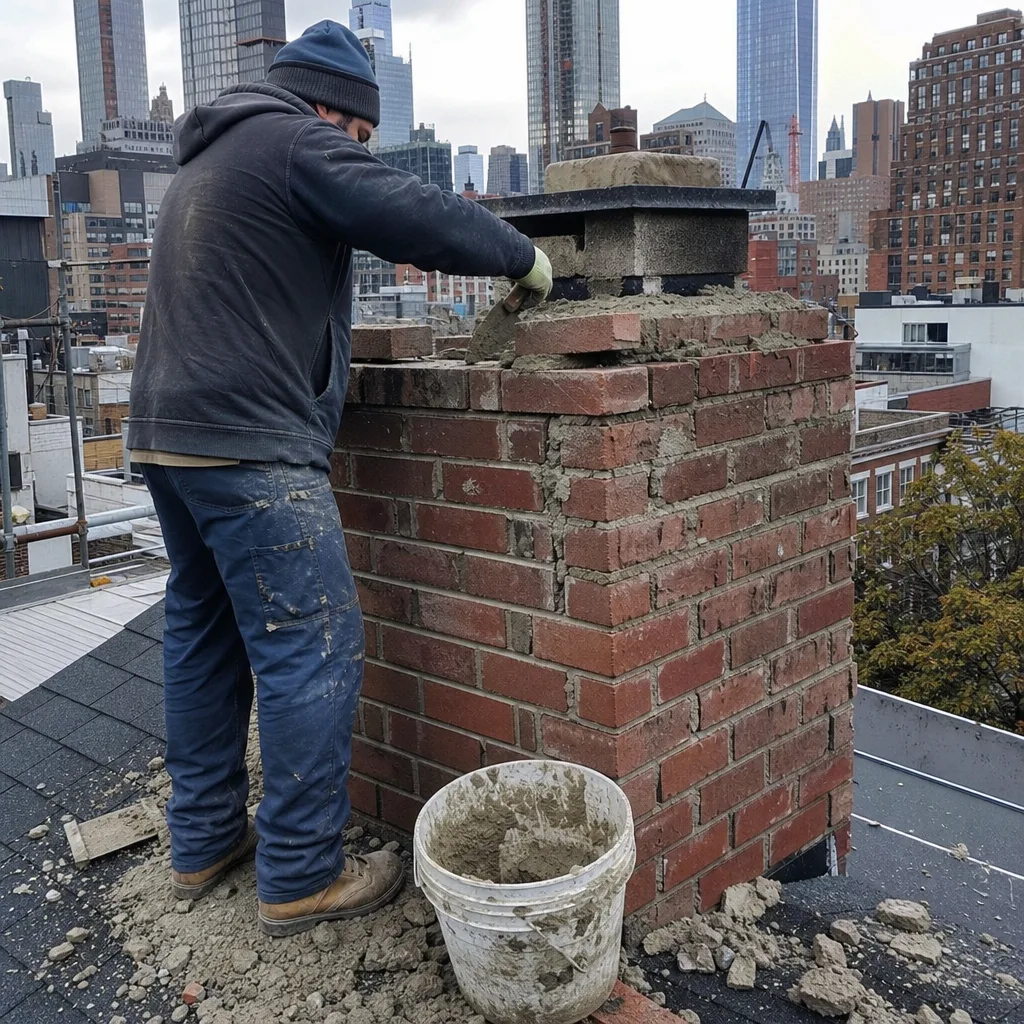
- Skipping the camera scan because the chimney “looks fine.” The dangerous conditions in a chimney are almost never visible from the firebox. Terra cotta cracks, failed mortar joints, and hidden blockages live inside the flue where a flashlight can’t reach.
- Burning wood in a flue that was converted for gas. If your Financial District building was built for coal fires and later converted to gas, the flue may not be rated for wood. Burning wood in an unlined or undersized flue is how chimney fires start. Get a Level 2 inspection before changing fuel types.
- Waiting until winter to schedule. Every chimney company in the Financial District gets slammed between November and February. Schedule your cleaning in the spring or summer when turnaround is faster and roof access is easier. You can find more on maintenance timing at the Level Two Chimney Financial District home page.
- Assuming the building’s maintenance covers your unit’s flue. In most Financial District co-ops and condos, the interior flue serving your unit is your responsibility, even if the exterior chase is the building’s. Check your proprietary lease or condo docs, but in our experience, the unit owner pays for flue maintenance.
When to Call a Professional
Some things in a home can wait. A chimney in a Financial District building that hasn’t been inspected in years shouldn’t be one of them. Call a professional if you smell smoke or gas odors when the fireplace isn’t in use, if you notice soot or debris falling into the firebox, if you see white staining on the exterior masonry, or if your co-op board has asked for an inspection report. Any of these signals warrants a camera scan, not a guess. If you’re buying or selling a unit with a fireplace, a Level 2 inspection is part of due diligence, not an optional extra. Level Two Chimney Financial District offers free estimates in Financial District, including written pricing before any work begins. Call (551) 213-4778 to schedule.
For issues beyond cleaning, like liner repair or crown work, see our Chimney Repair in Financial District page for specifics on what’s involved.
Frequently Asked Questions
A standard chimney sweep with camera-scan inspection in the Financial District typically costs $229 to $389, while a full NFPA 211 Level 2 inspection with video documentation runs $349 to $549. The variables that move the price are flue height, roof access logistics in your specific building, and the condition of the flue. We give written pricing before any work starts, so you’ll know your exact cost before we begin. Call (551) 213-4778 for a written quote specific to your building.
The NFPA 211 standard says chimneys should be inspected at least once a year and cleaned as needed based on what the inspection finds. In Financial District buildings, the answer depends on usage and season: if you burn wood regularly, you may need cleaning every year or more often; if you have a gas log set, you still need annual inspection but less frequent cleaning. For a month-by-month breakdown of what to watch for, see our Seasonal Chimney Cleaning Care for Financial District: Year-Round Homeowner’s Guide. The camera scan tells you what’s accumulating and whether cleaning is actually needed.
You need a new liner if the camera scan shows cracks, gaps, spalling, or missing sections in the existing liner, because those conditions allow heat and combustion products to reach combustible materials or adjacent units. That’s why we document everything with photos: you should be able to see exactly what we’re seeing. If a company recommends a liner replacement without showing you camera footage, get a second opinion. We offer a Free Second Opinion on any written estimate.
Creosote accumulates, and creosote is fuel. A thick enough creosote deposit, classified as Class III by the standard inspection vocabulary, can ignite and burn at temperatures that crack flue tiles and start structural fires. In a shared-masonry Financial District building, that fire can travel through the chase and affect adjacent units. Even without a fire, a blocked flue sends carbon monoxide into your unit, and that’s a risk you can’t see or smell. The cost of cleaning is modest; the cost of skipping it can be enormous.
Yes, increasingly they do. Financial District boards have learned that a receipt that says “chimney swept” tells them nothing about the condition of the shared chase or the flue serving your unit. A Level 2 report with camera documentation shows what’s actually there. We’ve seen boards deny fireplace use approvals because the unit owner submitted a receipt instead of a report. Check with your building’s management about their specific requirements, and if they need documentation, we’ll provide it in a format they can review.
Yes, and it requires coordination with your building’s management for roof access. The flues in high-rise and converted commercial buildings in the Financial District often have offsets and geometries that standard equipment can’t handle, which is why the camera scan comes first. We’ve been doing this work in FiDi buildings since 2009 and we schedule around your building’s access windows. Call (551) 213-4778 and we’ll walk you through what your building needs to provide.
The Bottom Line
Chimney cleaning in the Financial District is a different discipline than it is in the suburbs. The buildings are older, the flues are shared, the boards require documentation, and the standard of care that’s normal elsewhere doesn’t meet the bar here. A proper chimney cleaning in FiDi means a camera scan, a written report, and a photo record you can hand to your board or insurance carrier. It means written pricing before work starts. It means a technician who can explain what they found in plain terms and show you the images to prove it. That’s what Level Two Chimney Financial District has provided since 2009: documented, verifiable chimney care built around the NFPA 211 Level 2 standard, with the Haven Standard’s written-price and photo-record requirements on every single job. Call (551) 213-4778 and you’ll get a live person, a written quote, and an appointment that respects your time.
Written by Corrine Halstead, Owner at Level Two Chimney Financial District, serving Financial District since 2009.