
Last updated September 20, 2026
Level 1 sweep and inspection to the NFPA 211 annual standard - flue, crown, cap, and flashing checked and photographed
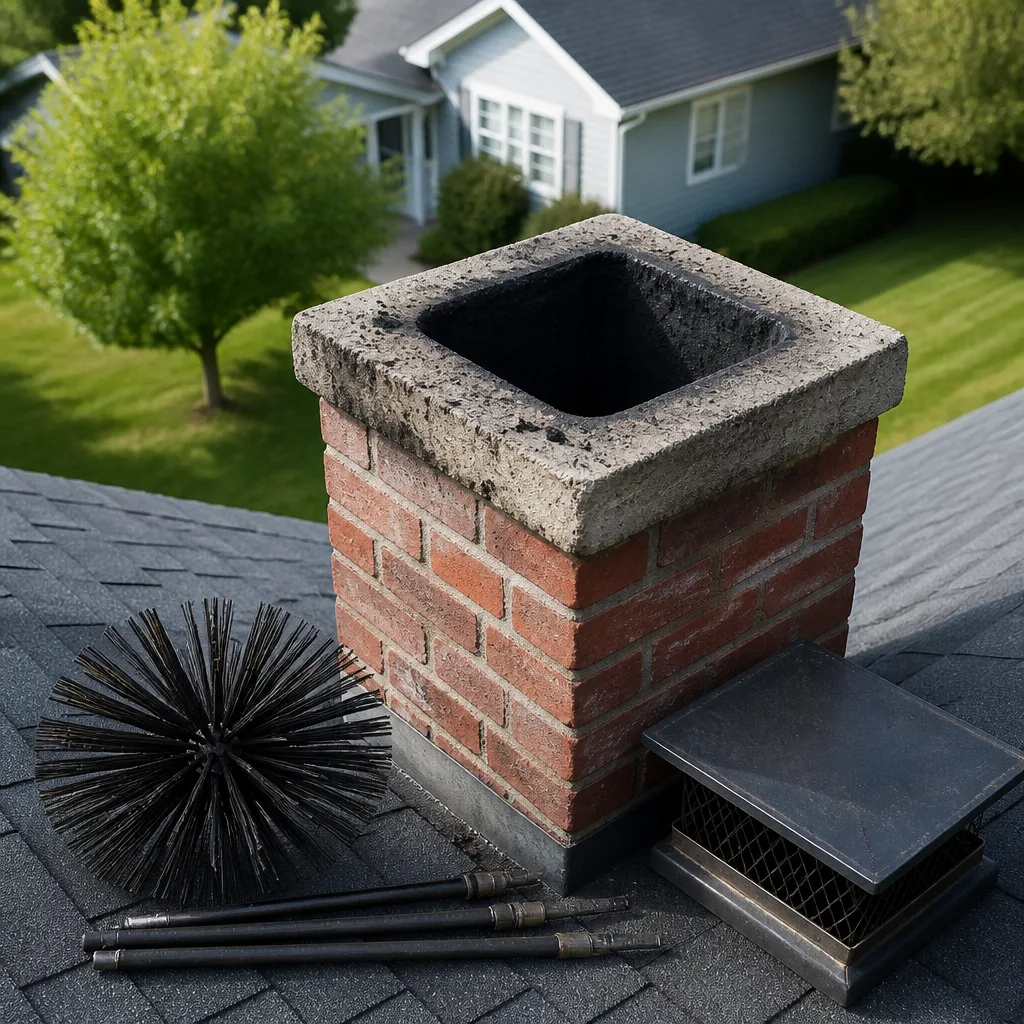
Chimney sweep logs do not sweep chimneys. They loosen some creosote - which then falls where a brush and vacuum still have to collect it.
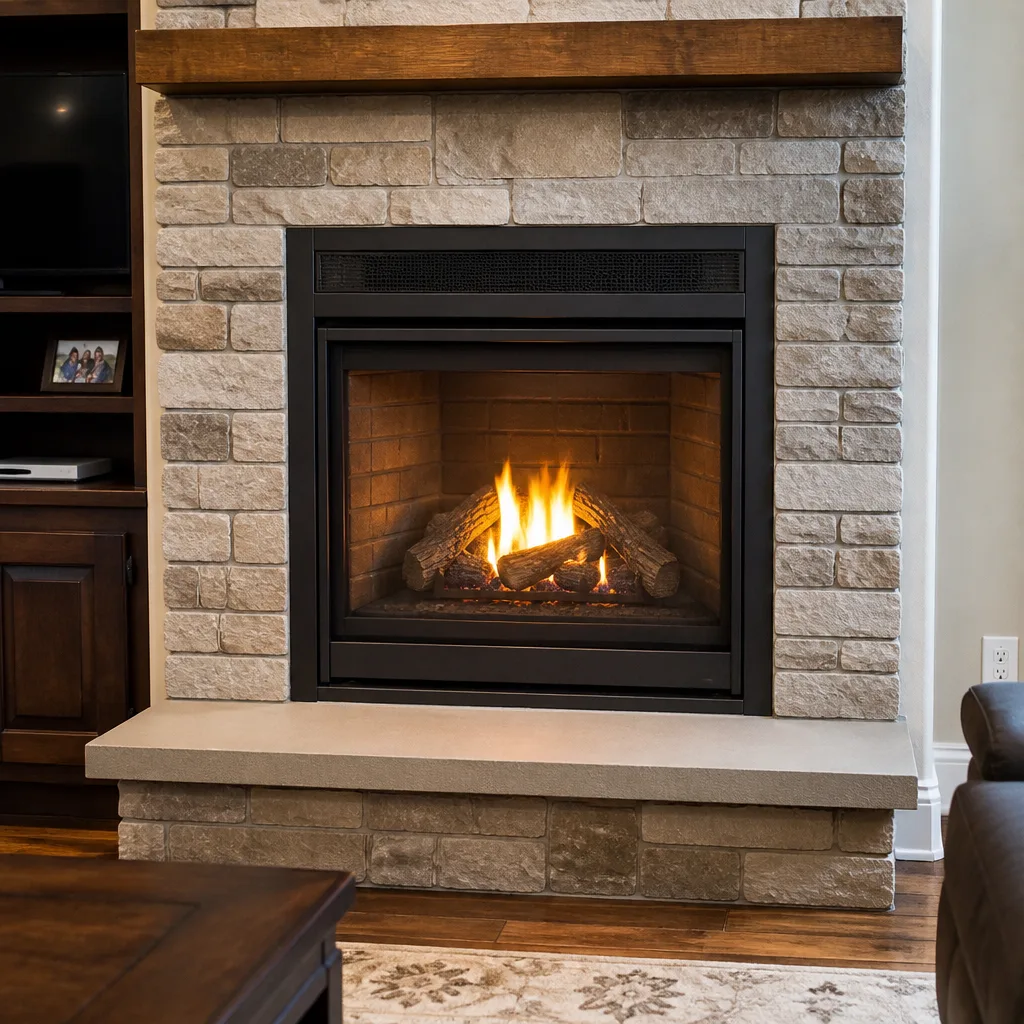
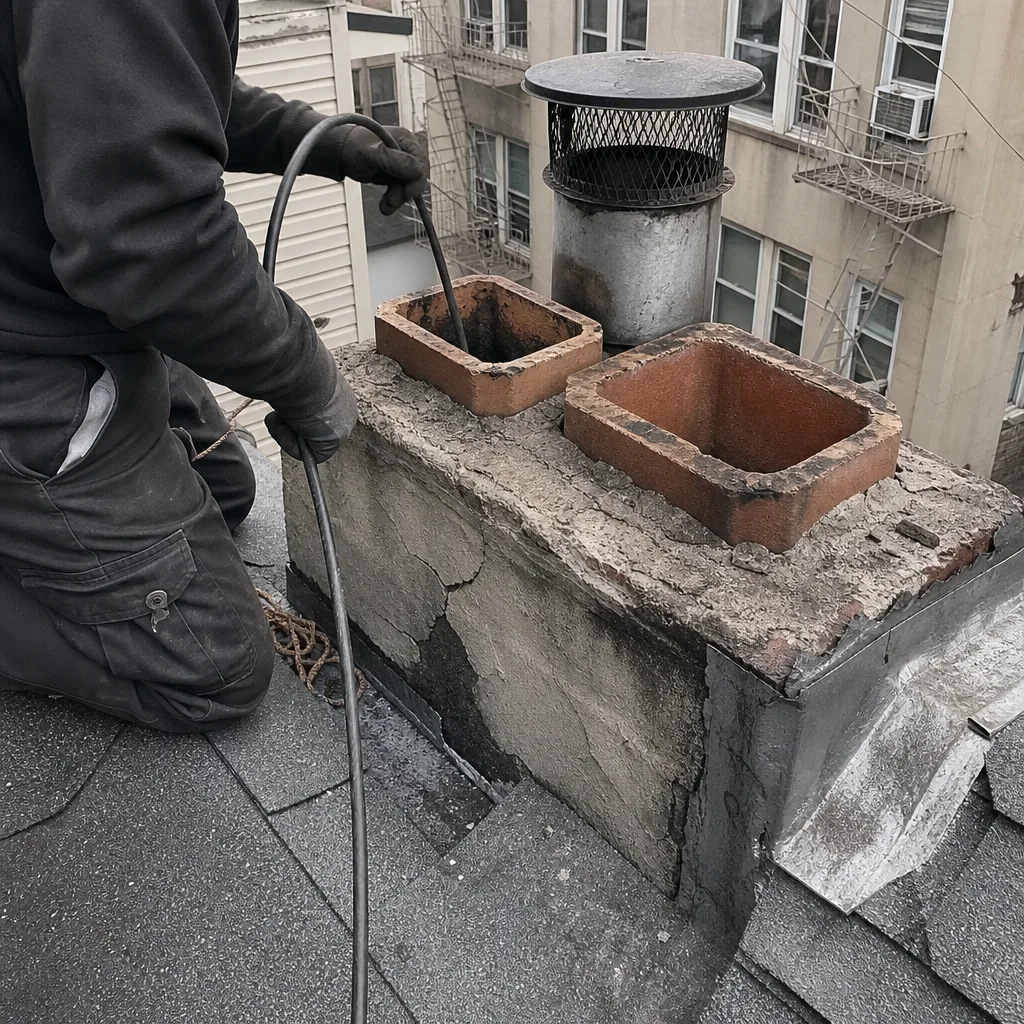 Before
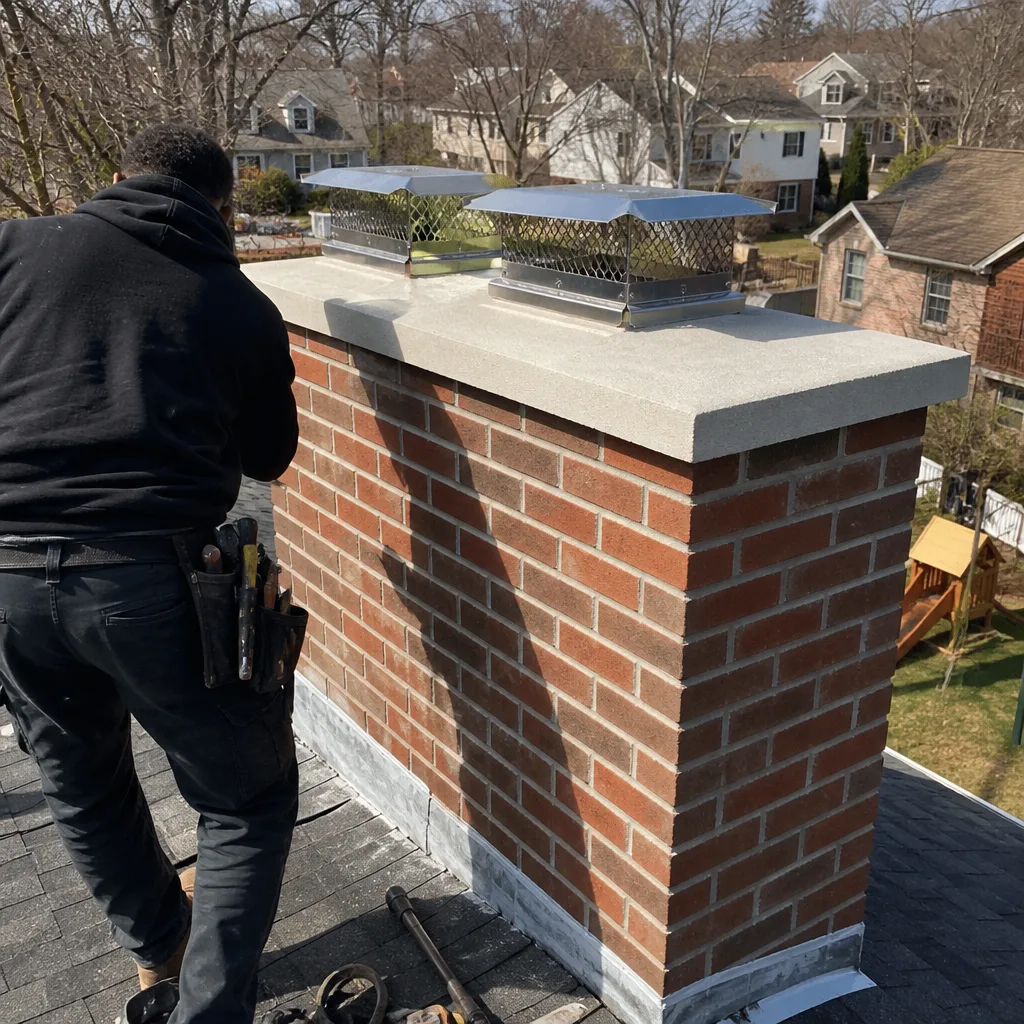 After
After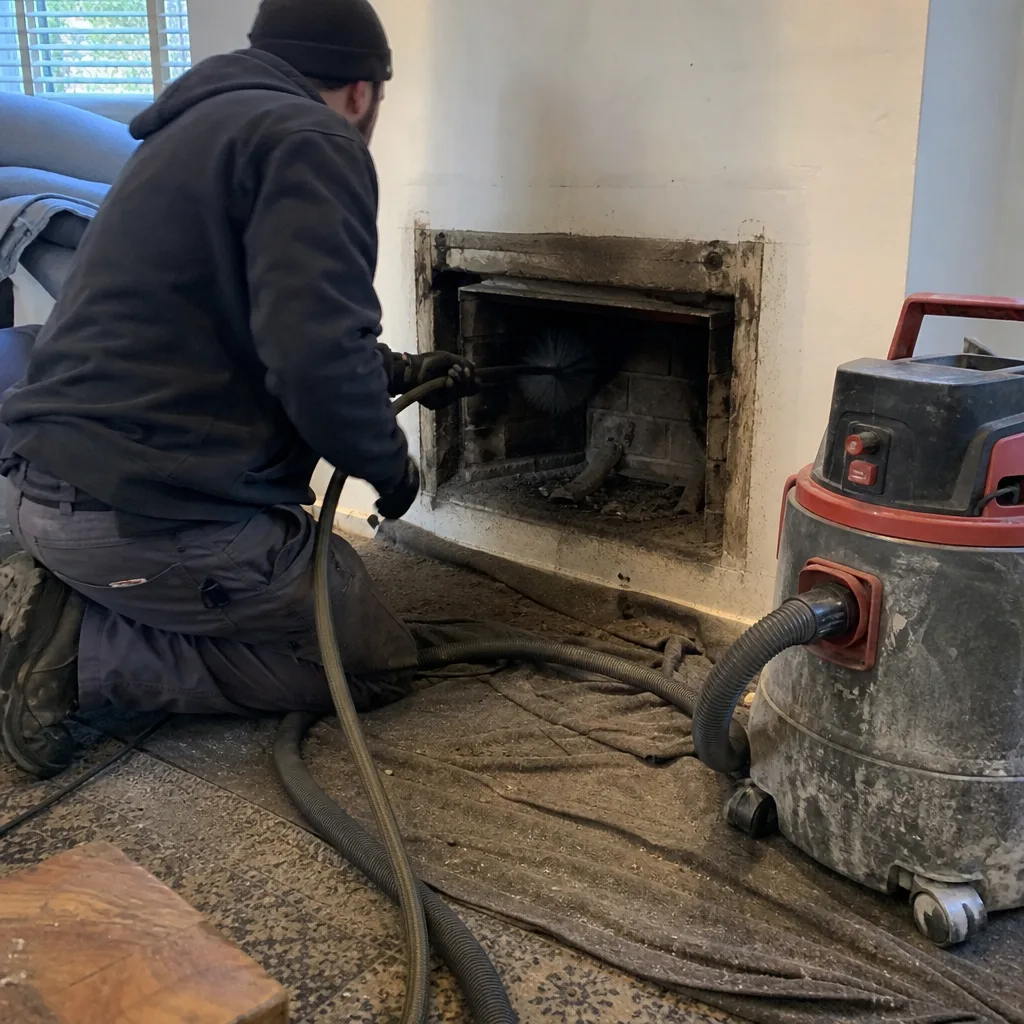 Before
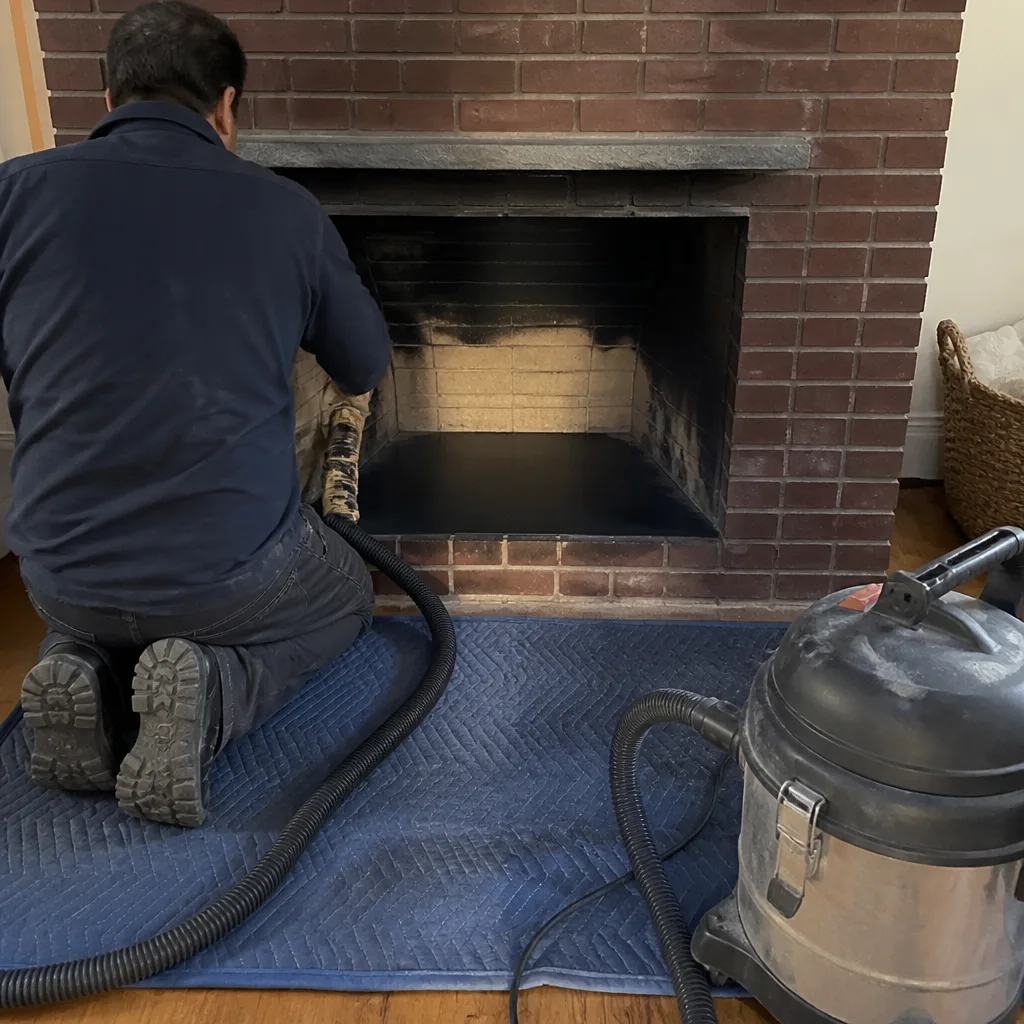 After
After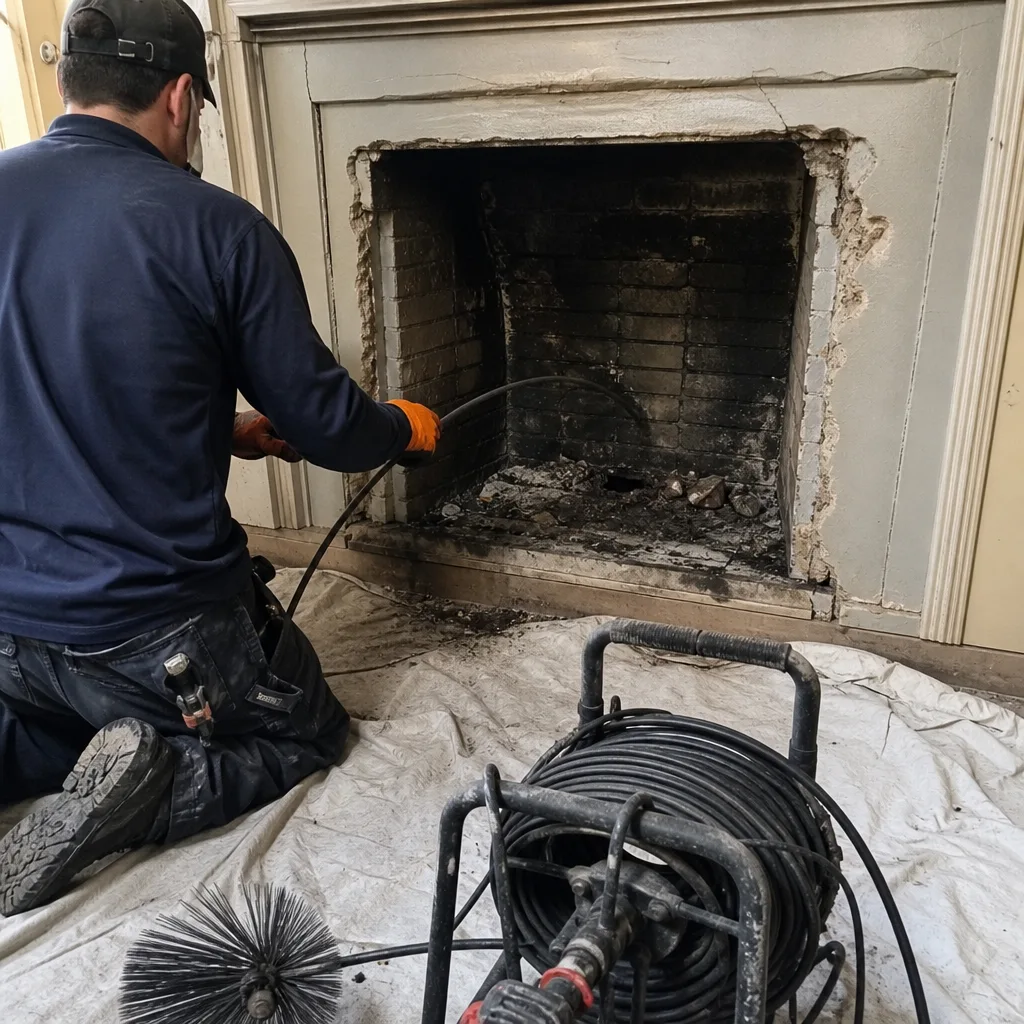 Before
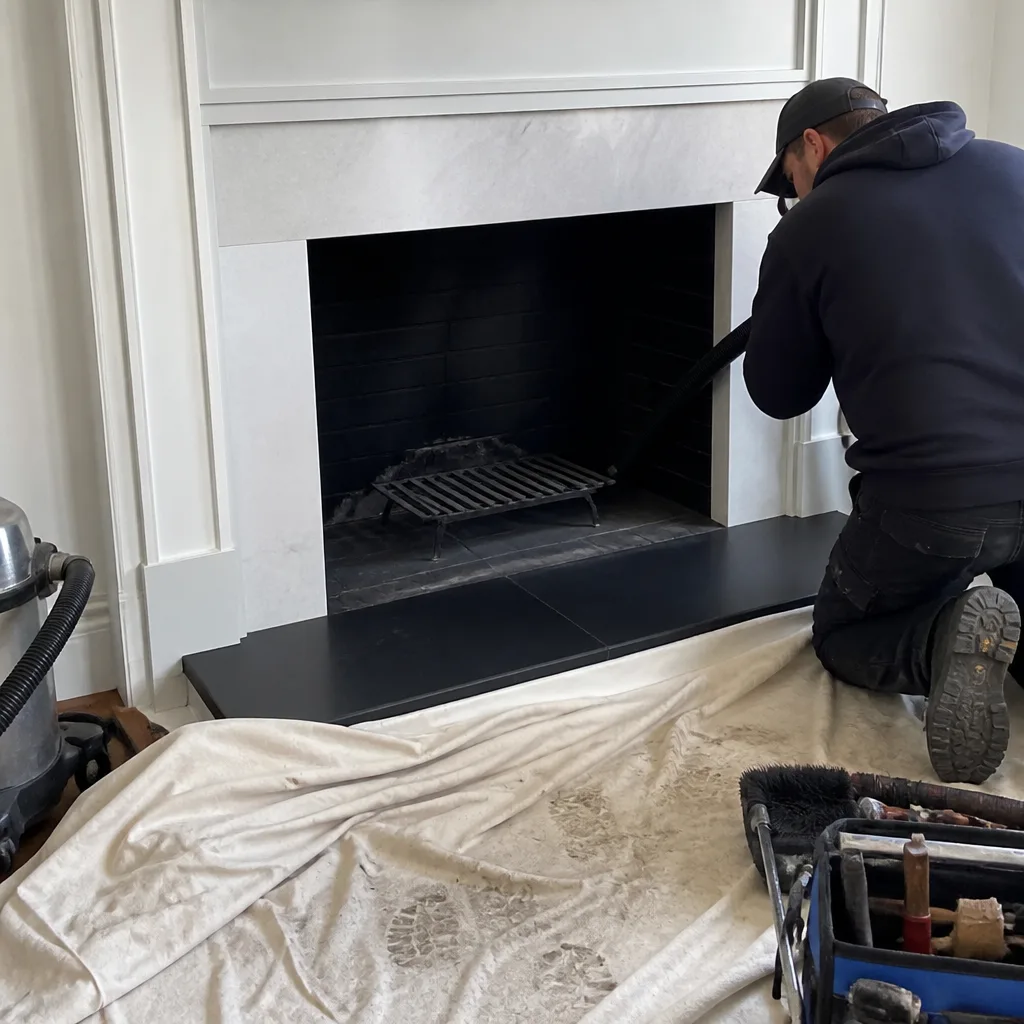 After
AfterSeasonal Chimney Cleaning Care for Financial District: Year-Round Homeowner’s Guide
The advice “get your chimney cleaned before winter” was written for homeowners who control their own roofs. In the Financial District, building roof access typically closes in October for safety compliance, which means your pre-season window is August and September. Miss it, and you’re negotiating with a co-op board, a building manager, and a weather forecast that won’t cooperate. This guide lays out a month-by-month schedule built around the actual constraints of owning a fireplace in a Financial District high-rise or converted loft: roof access windows, board approval cycles, mortar cure times, and the first-fire date you’re actually planning for.
Quick Answer
Seasonal chimney care in the Financial District breaks into three critical windows: a late-summer cleaning and camera inspection (August to September, before roof access closes), a spring post-season documentation check (April to May), and a summer corrosion assessment for gas-converted flues (June to July, when humidity peaks). A standard chimney cleaning and NFPA 211 Level 2 camera scan in Financial District runs $250 to $400-see our Chimney Cleaning Cost Breakdown: The Financial District Homeowner’s Reference for 2026 for full pricing context-and scheduling eight weeks before your first fire gives you time for board review and any repair work. Call (551) 213-4778 for a written quote before you book anything.
Table of Contents
- The Financial District Chimney Calendar: Why It Differs From the Suburbs
- Summer Humidity and Gas-Converted Flues: The Hidden Corrosion Window
- Working Backward From First-Fire Date: A Board-Approval Timeline
- What Changes in a Chimney Between Seasons, and What Only a Camera Shows
- The Spring Post-Season Check: Documenting Before the Complaint Arrives
- What Cleaning and Inspection Actually Cost in Financial District
- Month-by-Month Seasonal Maintenance Blocks
- Common Mistakes to Avoid
- When to Call a Professional
- Frequently Asked Questions
- The Bottom Line
BeforeAfterThe Financial District Chimney Calendar: Why It Differs From the Suburbs
In a single-family home, you walk out the back door, lean a ladder against the gutter, and you’re on the roof. In the Financial District, getting a technician onto the roof of a co-op or condo building means coordinating with a building manager, a maintenance crew, and often a board-mandated insurance certificate filed days in advance. That coordination window compresses the practical season for chimney work into three blocks: August and September for pre-season prep, April and May for post-season documentation, and June and July for structural and liner work that needs warm, dry weather to cure properly. For a step-by-step breakdown, see our Chimney Cleaning & Sweep Maintenance Checklist for Financial District Homeowners.
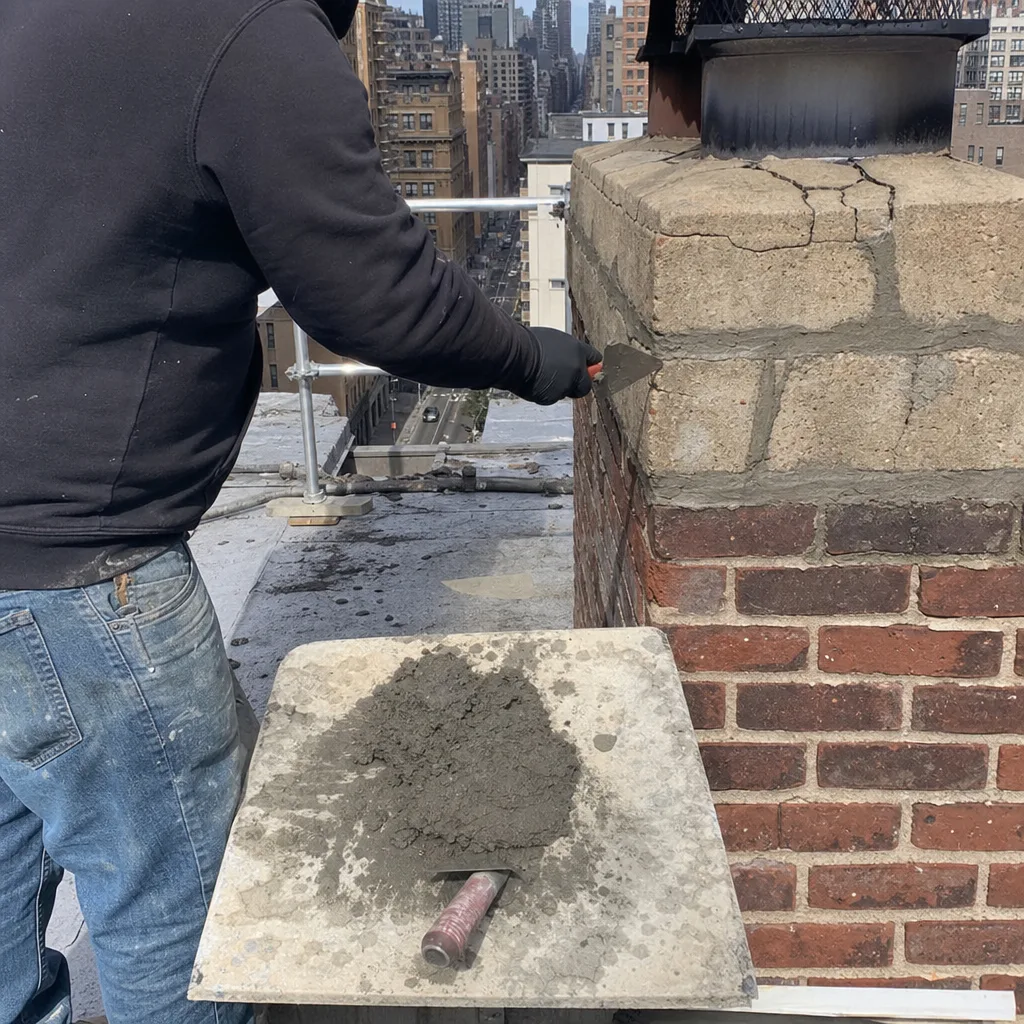
The Financial District also sits in a coastal microclimate. Salt-laden air off the Battery and the East River moves through flue systems differently than it does a mile inland. Brick exterior chimneys in FiDi’s older residential buildings, many of them prewar construction converted to residential use in the last twenty years, face accelerated spalling (the flaking of brick faces as trapped moisture expands and contracts) compared to the same vintage of brick in, say, Midtown East. A camera scan that shows hairline spalling in March might show significant surface loss by September. Timing the inspection matters because timing the repair matters, and mortar work done in November on a Financial District rooftop simply won’t cure correctly if temperatures drop below 40 degrees at night.
What we’ve seen at Chimney Cleaning & Sweep in Financial District over 16 years is that the homeowners who treat chimney care as a calendar problem rather than a chore problem are the ones who never face a surprise liner replacement in January. They book in August, get their documented photo record in hand, and walk into the board meeting with evidence instead of a verbal summary.
Summer Humidity and Gas-Converted Flues: The Hidden Corrosion Window
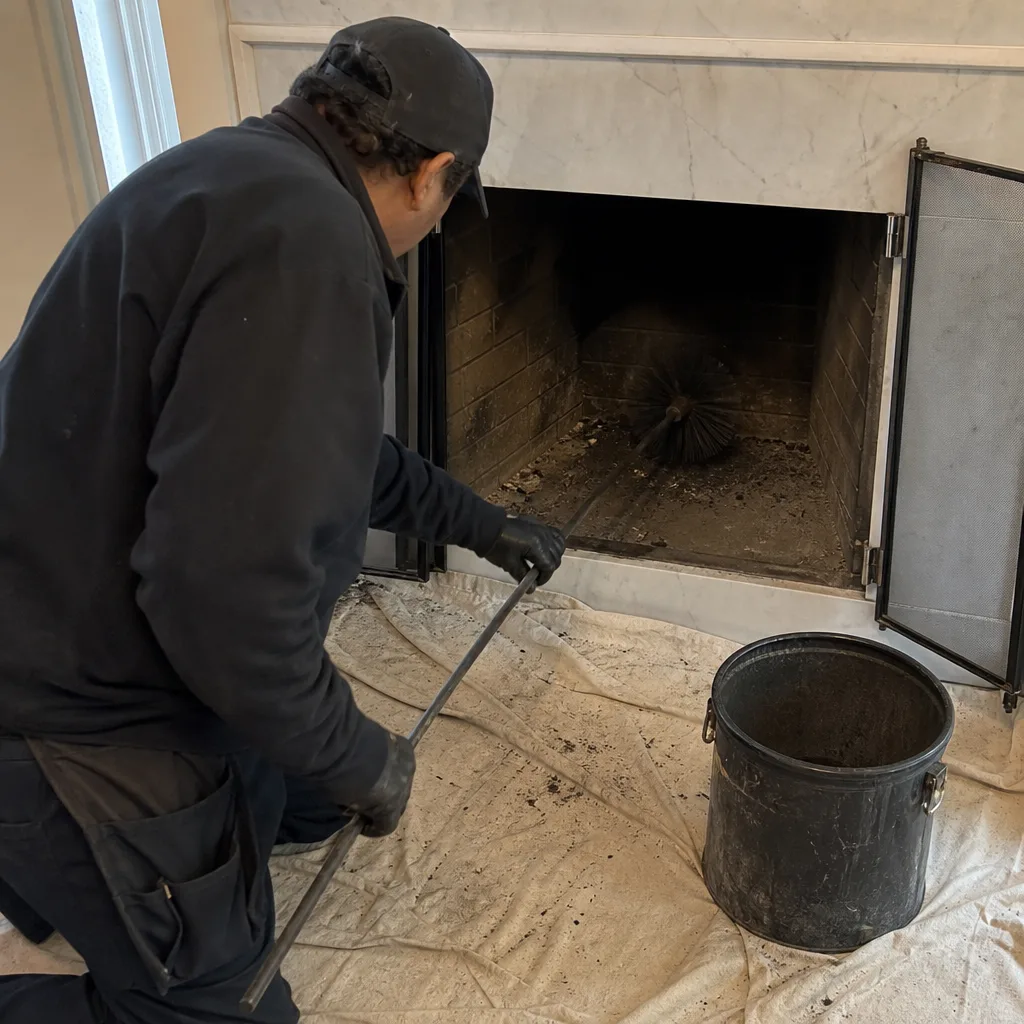
Here’s something most chimney guides won’t tell you about the Financial District specifically: summer is not the offseason. For the thousands of FiDi units that converted wood-burning fireplaces to gas logs or gas inserts between 2005 and 2020, summer humidity is the most damaging season of the year. A stainless flue liner in a gas-converted fireplace carries acidic combustion byproducts that condense on the liner walls when the flue is cool. In July and August, when outdoor humidity in lower Manhattan routinely sits above 70 percent, that condensation cycle runs almost continuously even with the fireplace off. The result is accelerated corrosion at the liner seams, particularly where the liner connects to the appliance collar and at the first elbow above the firebox.
This is not a visible problem from the firebox. The corrosion forms inside the flue, behind the damper, in the smoke chamber, in the offset sections where the liner changes direction. You can’t see it with a flashlight from the living room. You need a camera pushed through the full flue run with the technician watching the footage in real time, looking for pitting, seam separation, and the telltale orange streaking that indicates the early stages of chloride-driven corrosion. That’s what a Level 2 inspection under NFPA 211 is built to find, and it’s why Level Two Chimney Financial District home service records include the full camera footage from every visit, not just a summary line on an invoice.
The practical takeaway: if you own a gas-converted fireplace in the Financial District and haven’t had a camera scan in the last two years, June or July is the time to schedule it. Humidity peaks, corrosion evidence is most visible, and any necessary relining work can be completed while the building’s roof access is still open and the board is in session to approve the scope. A liner replacement using a DuraFlex or HeatShield system, both of which we work with regularly, typically runs $2,800 to $6,500 in Financial District depending on flue height and access difficulty. The camera tells you whether you need it at all. The written estimate tells you exactly what it costs before you commit.
Working Backward From First-Fire Date: A Board-Approval Timeline
Say you want your first fire of the season on November 15. Here’s the sequence that makes that happen in a Financial District co-op or condo without a rush job or a board waiver, written as a checklist you can put on your calendar:
- Week 1: Book the inspection. Call a sweep company and schedule an on-site cleaning and Level 2 camera scan. Do this in early August. In the Financial District, the good sweep slots for September fill by Labor Day.
- Week 2: Receive the written report. A proper company delivers a written scope of work with photos and a written price for any recommended repair, not a verbal “you might want to get this looked at.” Clause 1 of the Haven Standard requires a written price, written scope, and written warranty before any work begins; if a company won’t put it in writing, walk away.
- Week 3: Submit to the board or building manager. Most Financial District boards require a written estimate and a certificate of insurance before approving repair work on shared building systems like a chimney. Your sweep company should provide both on request, and a named technician assigned to the job, not a rotating crew.
- Week 4: Board review and approval. If your board meets monthly, you need the scope in their hands before the September meeting. Boards that only meet quarterly may need as much as eight weeks of lead time. Ask your building manager when the next meeting is before you schedule the inspection.
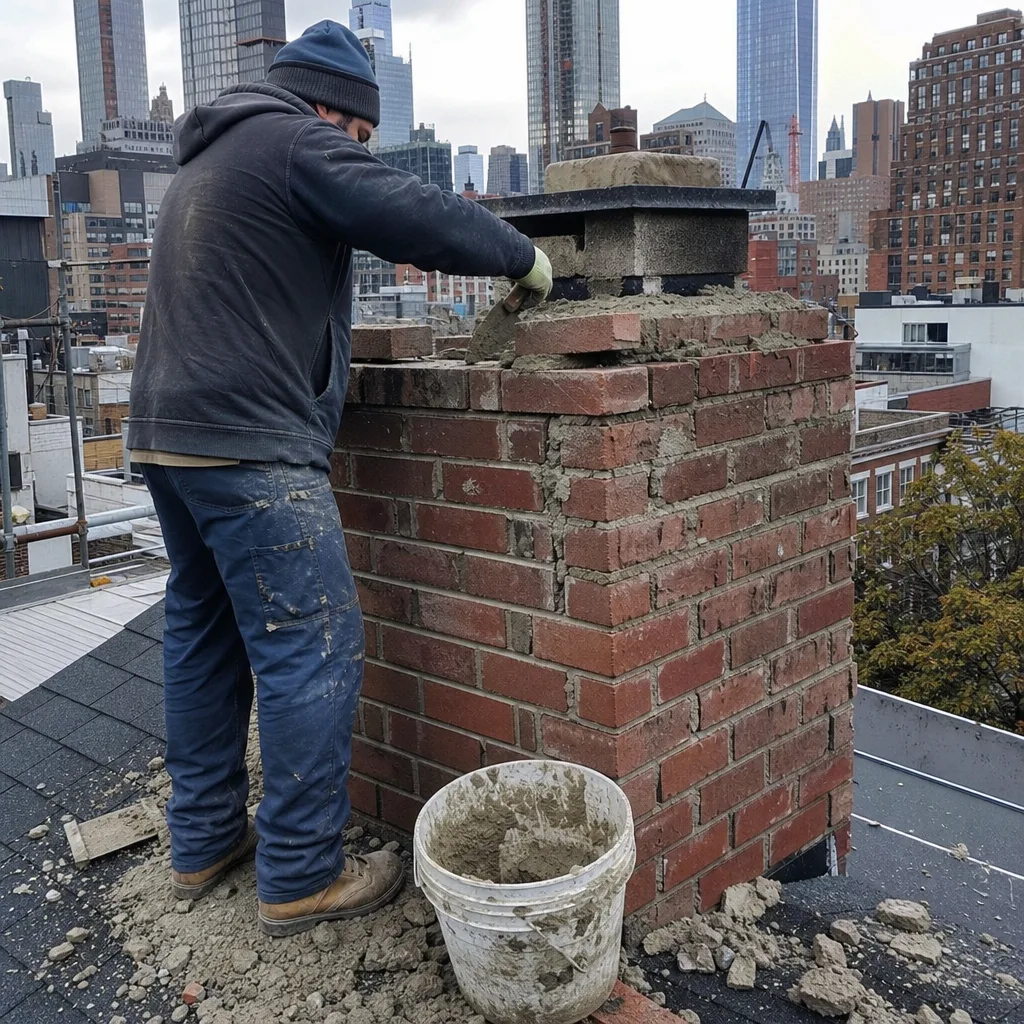
- Week 5: Complete any repair work. Masonry repair, crown replacement, and flue relining all have cure times. Mortar needs 48 to 72 hours at 40 degrees or above to set properly, which means in Financial District, repair work scheduled after November 1 is a weather gamble.
- Week 6: Post-repair camera scan and documentation. After repair work is done, the chimney needs a follow-up camera pass to confirm the repair is clean and the flue is clear. This is the documented record you give the board and keep for your own file.
- Week 7: First fire. November 15, no surprises. No board letter. No emergency call to a sweep at 9 p.m. on Thanksgiving Eve.
Total lead time: six to eight weeks from first phone call to first fire. In a Financial District building with quarterly board meetings and limited roof access, ten weeks is safer. The homeowners who get burned, so to speak, are the ones who call a sweep company on November 10 and expect the whole sequence to happen in five days.
What Changes in a Chimney Between Seasons, and What Only a Camera Shows
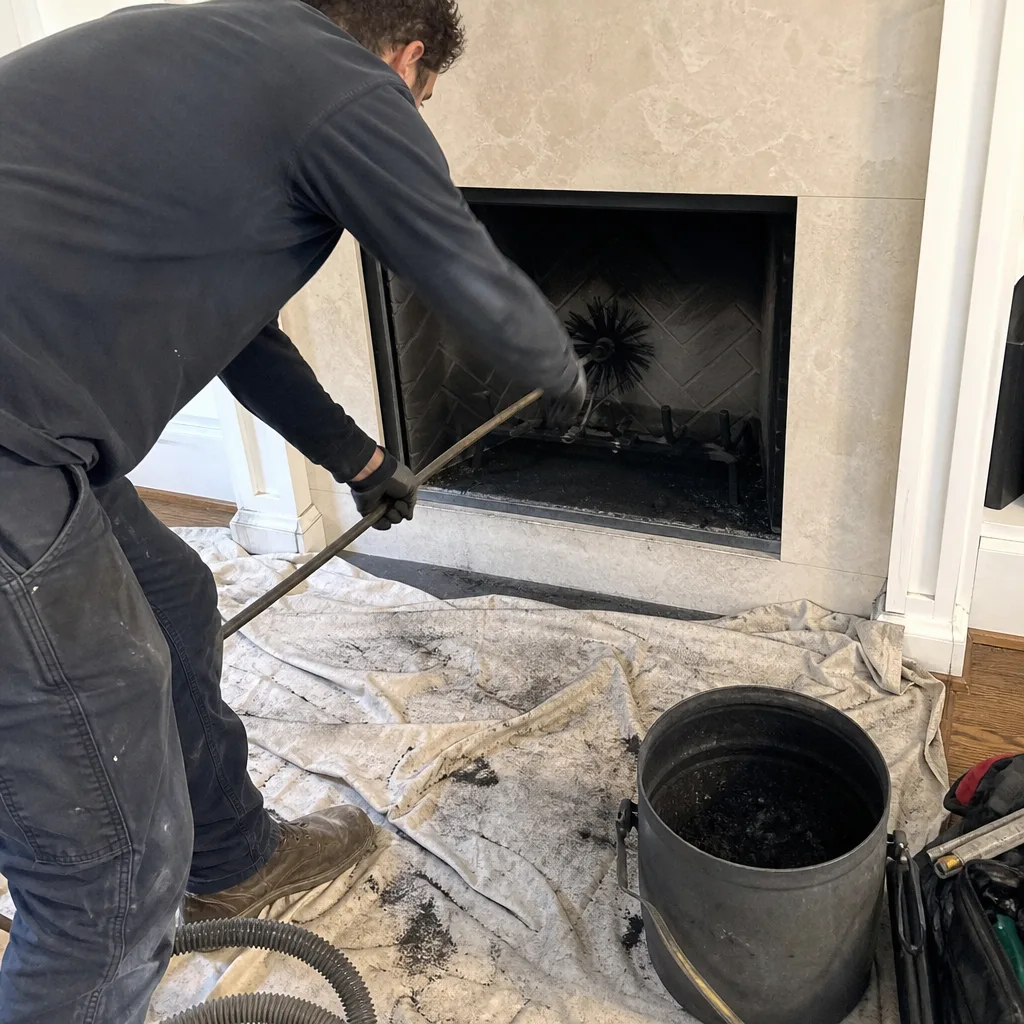
A chimney that was clean in March is not necessarily in the same condition in October. Here’s what actually happens inside a Financial District flue between the last fire of spring and the first fire of fall:
Creosote accumulation from partial burning. If you burned wood at all during the previous season, even a single cord, the tail end of the burn season tends to produce lower-temperature fires as the weather warms. Lower-temperature fires produce heavier creosote deposits, particularly in the upper third of the flue where the gases have cooled. By October, that creosote has had six months to harden into tar-like Stage II or glaze-like Stage III deposits, which are significantly harder to remove than the fluffy Stage I creosote a mid-season sweep would catch. Class III creosote, the glazed form, can require chemical treatment plus mechanical removal and sometimes a second visit. A camera scan after the last fire of the season documents what was there in March. A camera scan in September shows what it has become.
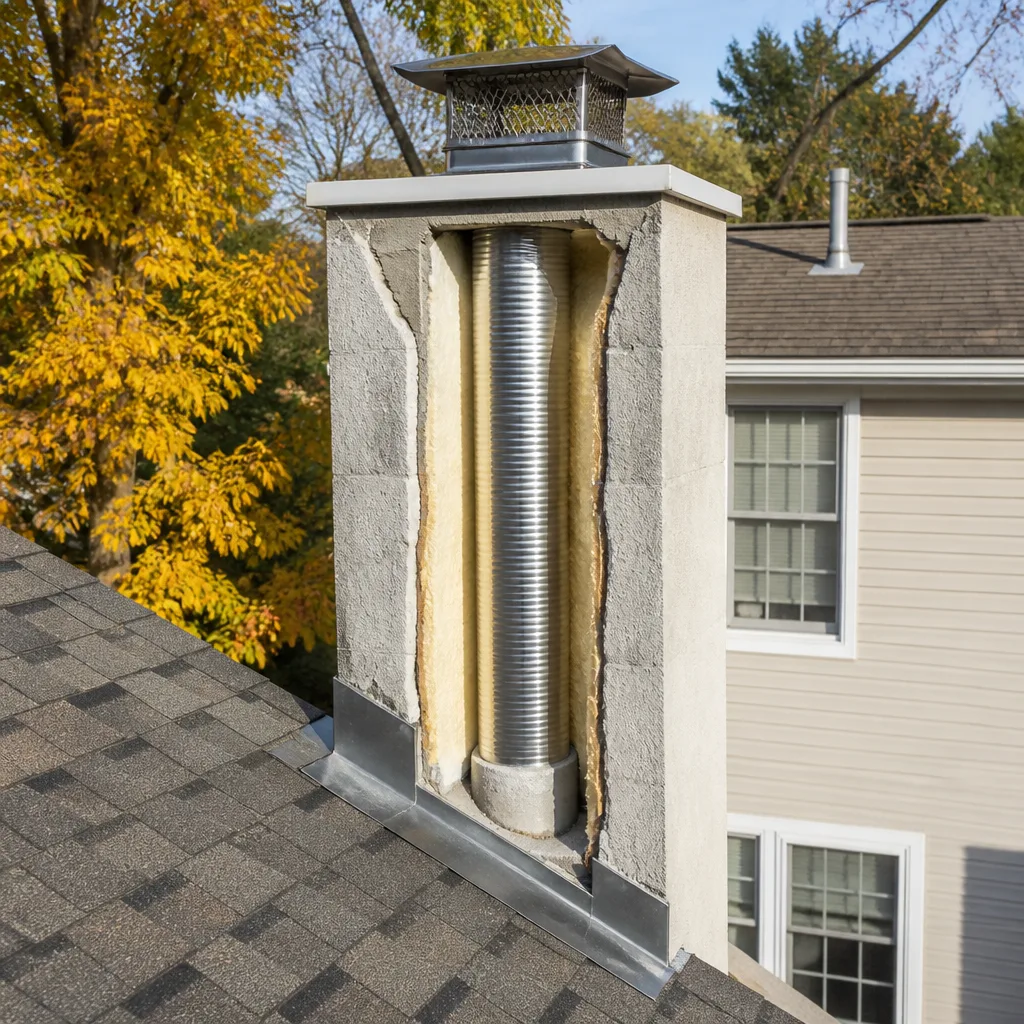
Smoke chamber coating degradation. The smoke chamber, the inverted funnel above the firebox that guides smoke into the flue, is often parged (coated) with a refractory mortar. Season after season of heating and cooling causes that coating to crack and delaminate. In a Financial District prewar building, where the fireplace has seen 80 or 90 years of use, smoke chamber degradation is the norm rather than the exception. A camera pulled down from the flue into the smoke chamber shows the cracking. From the firebox, you see nothing.
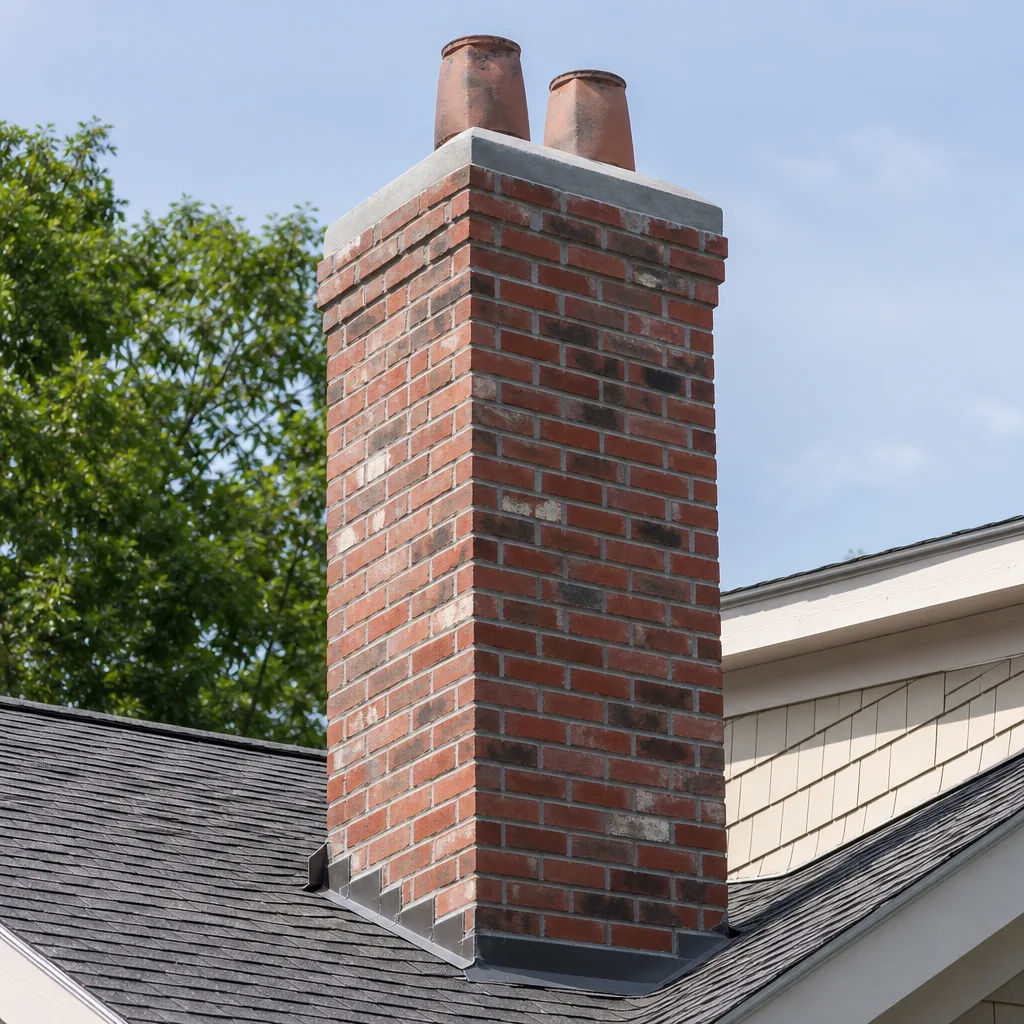
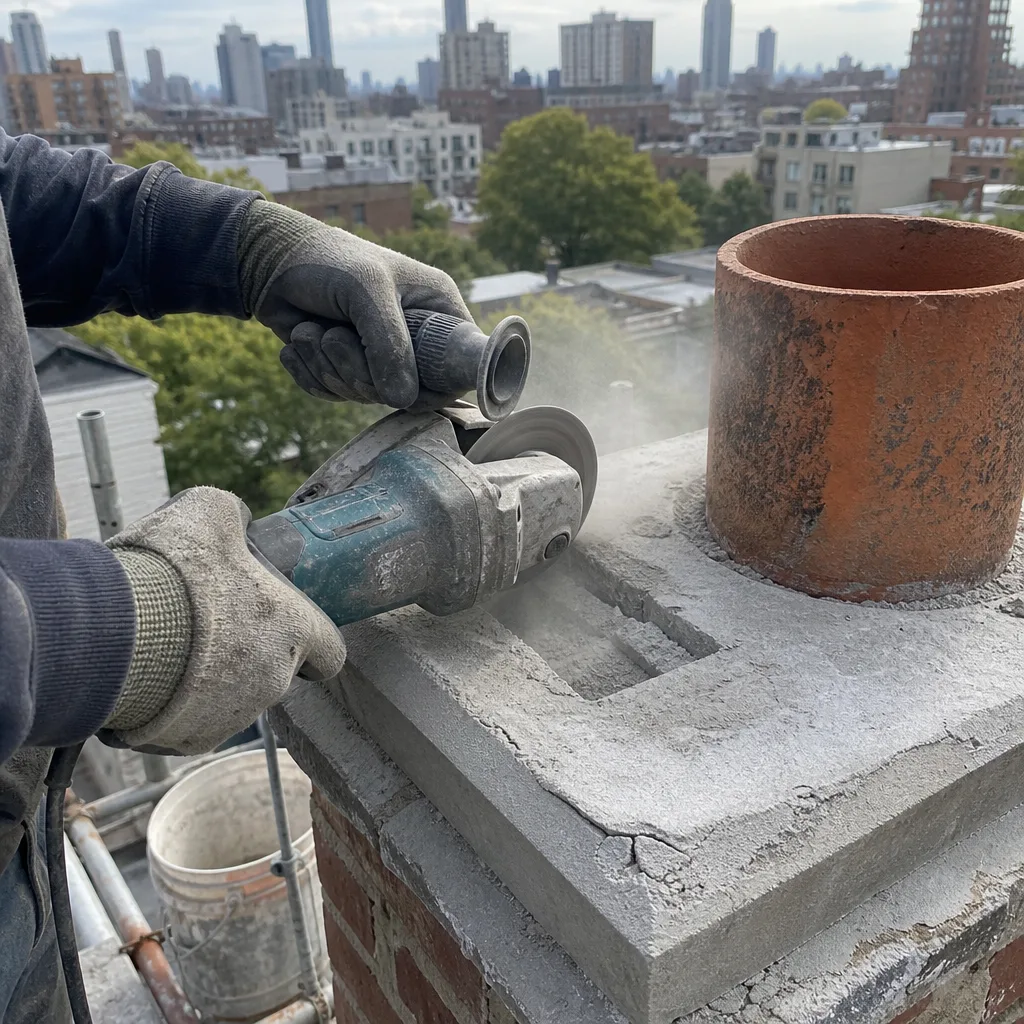
Moisture intrusion at the crown. The chimney crown, the concrete cap at the top of the masonry, takes the full brunt of Financial District weather: twenty inches of rain a year, snow, ice, salt air. Hairline cracks in the crown allow water into the masonry and the flue. That water accelerates spalling and liner corrosion. In August, a crown crack might be a cosmetic issue. By February, after a freeze-thaw cycle, it can be a structural one. The camera scan at the top of the flue, where the crown meets the liner, is the only way to see water staining and early masonry breakdown before the damage moves inward.
The Spring Post-Season Check: Documenting Before the Complaint Arrives
Here’s a Financial District scenario we’ve seen more than once: a homeowner burns their last fire in March, closes the damper, and forgets about the chimney until October. In early fall, a neighbor complains about smoke odor coming from the chimney or the building. The building manager asks for proof the chimney was cleaned and inspected. The homeowner has no documentation from the previous season. Now they’re on the back foot, negotiating a scope of work with a board that’s already annoyed.
The solution is a spring post-season check. Sometime in April or May, after the last fire and before the humid summer, have a sweep company do a light cleaning and camera scan of the flue. The purpose is not seasonal prep; it’s a documentation record. The camera footage shows the condition of the liner, the smoke chamber, and the crown as of that date. The written report states that the chimney was cleaned and inspected. If a neighbor files a complaint the following October, you have a documented record from six months earlier showing the chimney was in serviceable condition. You’re not arguing from memory; you’re producing evidence.
This is why we’ve made the documented photo record a non-negotiable part of every visit, not an optional add-on. Clause 4 of the Haven Standard, in place since 2009, requires a photo record on every job. We’ve completed more than 38,000 inspections and cleanings under that standard, and every single one included a written price before work started and a documented record when it was done. For a Financial District homeowner, that record is the difference between winning a dispute and funding a repair.
What Cleaning and Inspection Actually Cost in Financial District
We believe pricing belongs on the page, so here are the honest numbers for chimney work in the Financial District as of 2025:
- Standard chimney sweep and Level 1 inspection: $180 to $260. This is a mechanical brushing of the flue plus a visual check of the firebox, damper, and accessible flue sections. It’s the baseline.
- Chimney sweep with Level 2 camera scan (recommended every year in FiDi): $250 to $400. The camera scan adds the full-length flue inspection, smoke chamber evaluation, and crown assessment. In a Financial District building, where the flue may run 10 to 20 stories through the building, the camera pass is the only way to see what’s actually happening.
- Flue relining with a stainless system (DuraFlex or similar): $2,800 to $6,500 depending on flue height, diameter, and access conditions. A 15-story co-op with a single-flue fireplace run will be at the higher end.
- Smoke chamber repair or parging: $600 to $1,400. This typically follows a camera scan that shows delaminated coating; without the camera, you’d never know.
- Chimney crown repair or replacement: $500 to $1,800 depending on material and access. A precast concrete crown in a hard-to-access FiDi rooftop will run toward the top of that range.
- Gas log or fireplace insert inspection and cleaning: $150 to $250. Gas systems still need annual inspection for corrosion and combustion byproduct buildup, especially in humid coastal air.
These are our published ranges, not bait numbers. Your exact price depends on what the camera shows and what you decide to do about it. We also offer a Free Second Opinion on any written estimate from another company, which means you can always validate our numbers against a competitor’s written quote. Materials come from names we trust (DuraFlex, HeatShield, Gelco, Olympia Chimney) procured through our buying network specifically to keep customer prices honest.
Month-by-Month Seasonal Maintenance Blocks
Here’s the full Financial District year, mapped to what your chimney actually needs and when building logistics allow it:
January and February: Monitoring, not maintenance. During the heart of burn season, the chimney is in active use. You don’t schedule work; you schedule awareness. Watch for smoke backing into the room, unusual odors when the fire is out, or visible staining around the chimney breast. These are signs something has changed. Call a sweep company immediately; don’t wait for spring.
March: Post-season inspection. After the last fire of the season, schedule a Level 2 camera scan. The purpose is to document the flue condition before six months of weather and humidity take their toll. This record is your baseline for the fall and your defense if a neighbor raises an objection.
April and May: Repair window for non-urgent issues. Anything the March scan found (crown cracking, smoke chamber coating loss, liner pitting) should be fixed in April or May while the weather is mild and the board is in session. Mortar cures best in this window. In the Financial District, the average April high of 60 degrees and May high of 70 degrees are ideal for masonry work.
June and July: Gas-flue corrosion checks. If you have a gas-converted fireplace, this is the humidity peak. Stainless liner corrosion is most visible now, which means a camera scan gives you the clearest picture of whether your liner needs attention before the burn season. Relining work scheduled in July can be completed, inspected, and documented before Labor Day.
August: Book the pre-season sweep. This is the single most important phone call of the year for a Financial District fireplace owner. August is when you book the pre-season cleaning and camera scan that will take place in September. It is not too early. Roof access is open. Boards are back from summer recess. Sweep slots are still available. Book it.
September: Complete the pre-season cleaning and inspection. The sweep and camera scan happen now. Any minor repairs identified in the August or September inspection are completed before roof access closes. You receive your written report and documented photo record. You submit any repair scopes to the board. You are ready for the first fire.
October and November: First-fire preparation. Roof access is closed or closing. The board is the last obstacle. If you followed the August and September timeline, your chimney is clean, your report is filed, and you light your first fire on your own schedule. If you didn’t, you’re calling a sweep company in November and hoping for a cancellation. From our independent, owner-operated position since 2009, November is always the busiest month for emergency calls, and the hardest month to get roof access in a Financial District building.
December: Active burn season. Your chimney is in service. Burn seasoned hardwood if you burn wood. If you have gas logs, run the fireplace weekly through the cold months to keep the system moving and prevent condensation from pooling. The work is done for the year.
Common Mistakes to Avoid
- Assuming roof access is always available. In many Financial District buildings, roof access closes in October and reopens in April. Scheduling a November cleaning assumes the building will make an exception for you. It usually won’t.
- Treating a gas fireplace as zero-maintenance. Gas logs and inserts produce acidic combustion byproducts that corrode stainless liners, especially in humid coastal conditions. Annual camera inspection is just as necessary for gas as for wood.
- Skipping the spring documentation. The post-season camera scan costs $250 to $400 and gives you a dated record that protects you in disputes. It’s cheaper than an attorney.
- Waiting until the board asks. By the time a co-op board formally requests a chimney inspection, the unit owner has already lost control of the timeline. Proactively submit your inspection report before the board requests it.
- Choosing the cheapest sweep without a camera scan. A flashlight visual inspection is not a Level 2 inspection and will not reveal liner corrosion, smoke chamber damage, or crown cracks. In a Financial District flue, what you can’t see is what costs you money.
- Accepting a verbal repair recommendation. If a technician says you need a liner replacement but won’t show you the camera footage or provide a written scope, you haven’t received a diagnosis; you’ve received a sales pitch.
- Ignoring fall-back weather constraints. Mortar and sealant require minimum temperatures to cure. Scheduling masonry repair for November in the Financial District is asking for a failed repair.
When to Call a Professional
Call a chimney professional immediately if you notice smoke backing into the room during a fire, a persistent smoke odor when the fireplace is dormant, visible water staining on the ceiling or walls around the chimney, flaking brick or mortar on the exterior chimney face, or rust-colored staining inside the firebox or on the damper. These are signs of a flue blockage, a liner failure, or water intrusion, and none of them resolve themselves. If you’re a Financial District homeowner and it’s coming up on fall and you haven’t had a camera scan in the last 12 months, that’s also a good reason to call before the roof access window closes. Fireplace Services in Financial District covers everything from gas log inspection to full firebox rebuilds, and Chimney Repair in Financial District handles everything from crown replacement to full flue relining. Level Two Chimney Financial District offers written estimates before any work begins in Financial District. Call (551) 213-4778 for a free estimate and a documented photo record on every visit.
Frequently Asked Questions
A standard chimney sweep and Level 1 inspection in Financial District runs $180 to $260, while a sweep with a Level 2 camera scan runs $250 to $400. The camera scan is worth the additional cost in FiDi buildings because the flue length and access constraints make visual-only inspection nearly useless. Call (551) 213-4778 for an exact written quote before you book.
Annually is the correct answer for any actively used fireplace, and we recommend a camera scan with every annual cleaning in the Financial District because building access constraints mean you only get one good look per year. If you burn more than one cord of wood per season, consider a mid-season sweep in January.
The only way to know is to see the camera footage. A legitimate sweep company will show you the flue scan in real time and point out the specific defects: pitting, seam separation, chloride streaking, or perforations. If they won’t show you the footage, get a second opinion. We offer a Free Second Opinion on any written estimate from another company.
We don’t recommend it. A flue that went unmaintained through a full year may have developed creosote buildup, moisture damage, or liner corrosion that poses a chimney fire or carbon monoxide risk. A camera scan costs less than a chimney fire, and in a Financial District building, a chimney fire affects every unit on the line, not just yours.
Creosote builds up in layers, moisture intrusion accelerates masonry breakdown, and liner corrosion progresses invisibly. By the time symptoms appear (smoke backing up, odor, visible staining), the repair is typically more expensive than a decade of annual cleanings. In coastal Financial District air, liner corrosion progresses faster than in drier climates, so the damage curve is steeper. The camera tells you where you are on that curve.
Yes. In most Financial District co-op and condo buildings, the chimney flue is a shared building system, and the board has the legal authority to require inspection, cleaning, and repair at the unit owner’s expense. Proactively submitting an annual inspection report keeps you ahead of board mandates and avoids the rush to comply on the board’s timeline. Call (551) 213-4778 and we’ll help you build the documentation file.
The Bottom Line
Chimney care in the Financial District is a calendar problem, not a chore problem. The building’s roof access schedule, the board’s meeting cycle, and the coastal humidity combine to create three distinct maintenance windows: late summer for pre-season prep, spring for post-season documentation, and the humid June-to-July stretch for gas-flue corrosion checks. The homeowners who treat these windows as fixed and non-negotiable are the ones who light their first fire without drama. Browse more guides & resources for year-round chimney care. The ones who don’t are the ones calling a sweep company in November, hoping the roof is still open and the board is feeling generous. A Level 2 camera scan with a written report costs less than any repair it prevents, and in a Financial District pile, it’s the only way to actually see what’s happening inside your flue. Schedule your pre-season sweep in August. You’ll thank yourself in November.
Written by Corrine Halstead, Owner at Level Two Chimney Financial District, serving Financial District since 2009.