
Last updated September 20, 2026
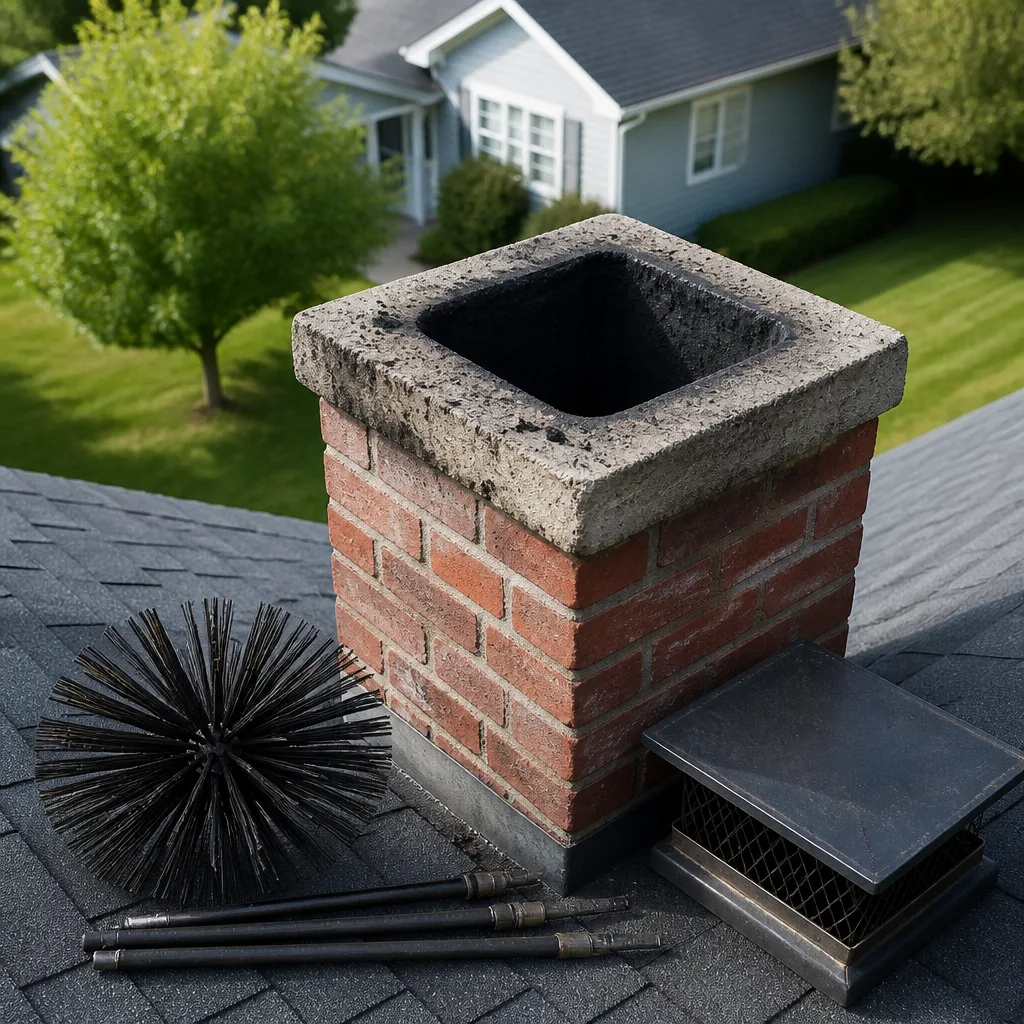
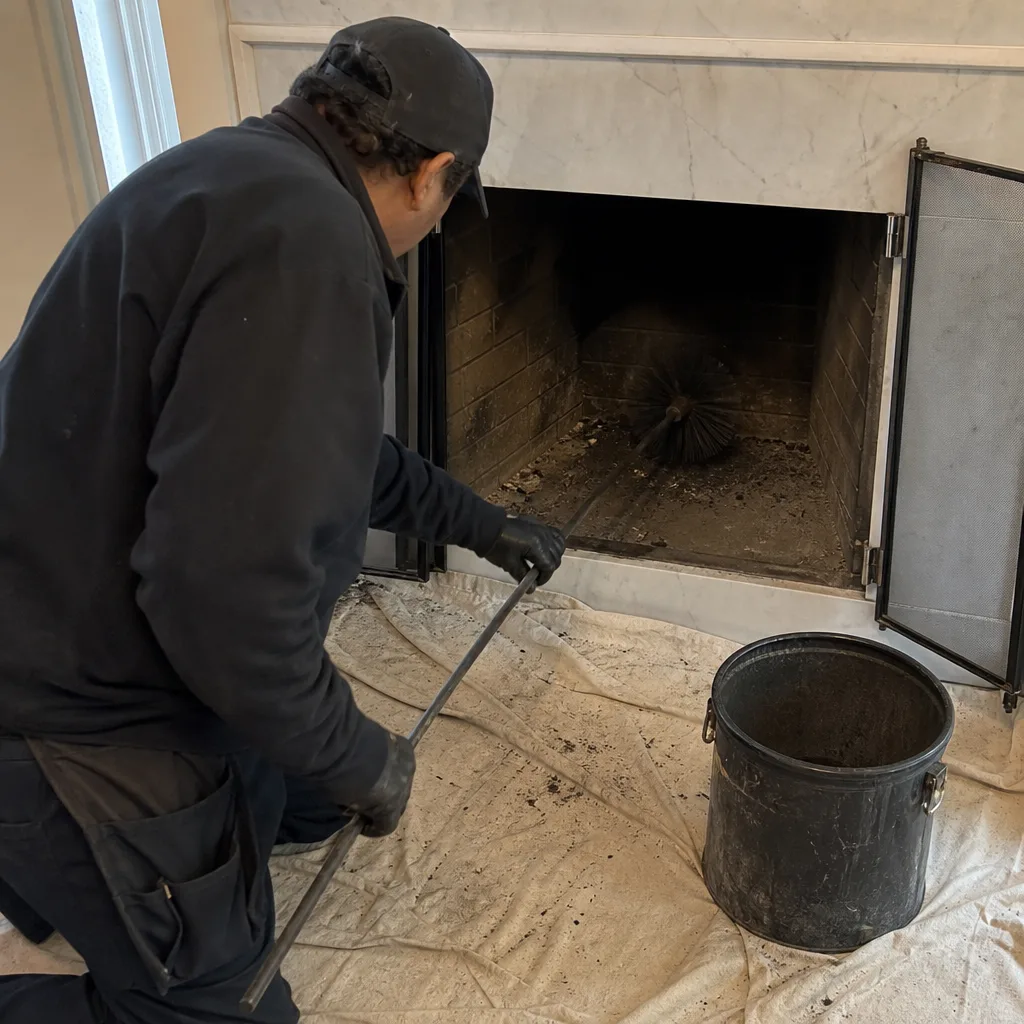
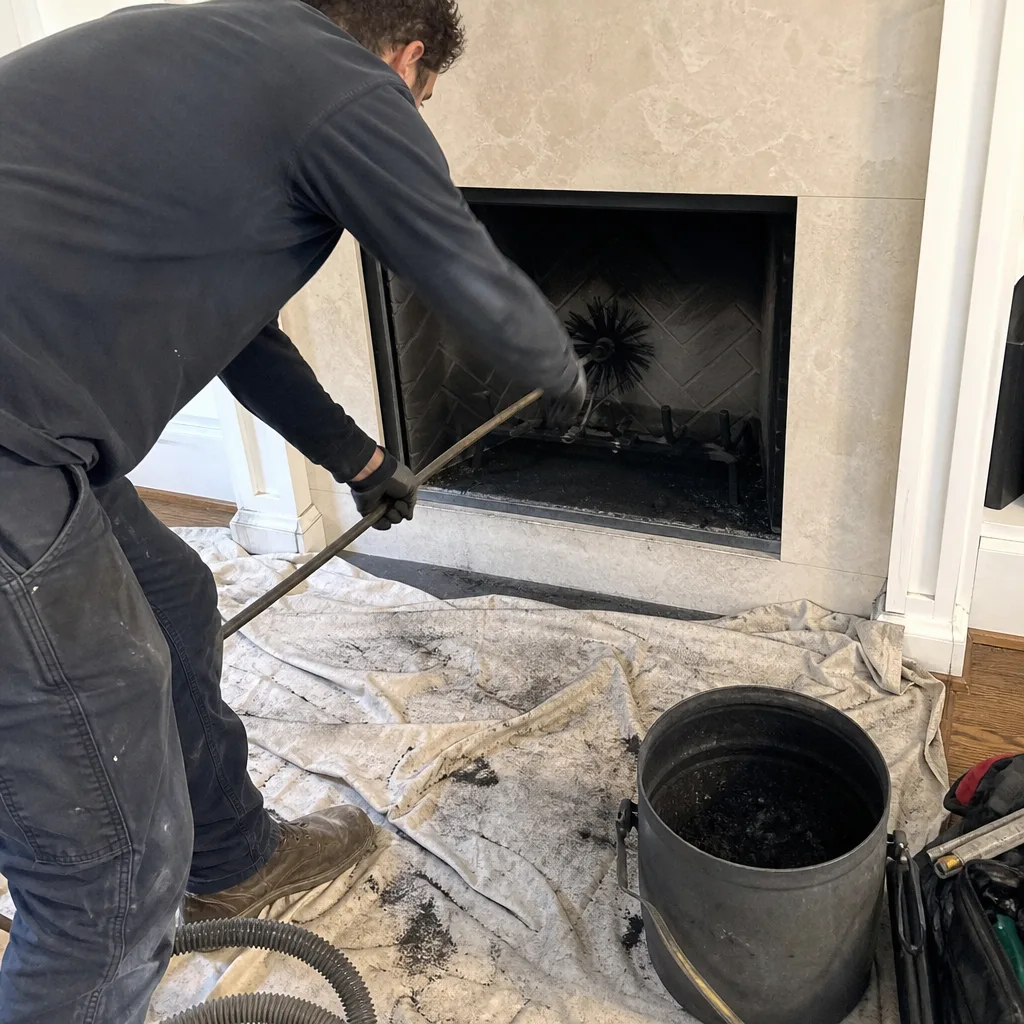
Level 1 sweep and inspection to the NFPA 211 annual standard - flue, crown, cap, and flashing checked and photographed
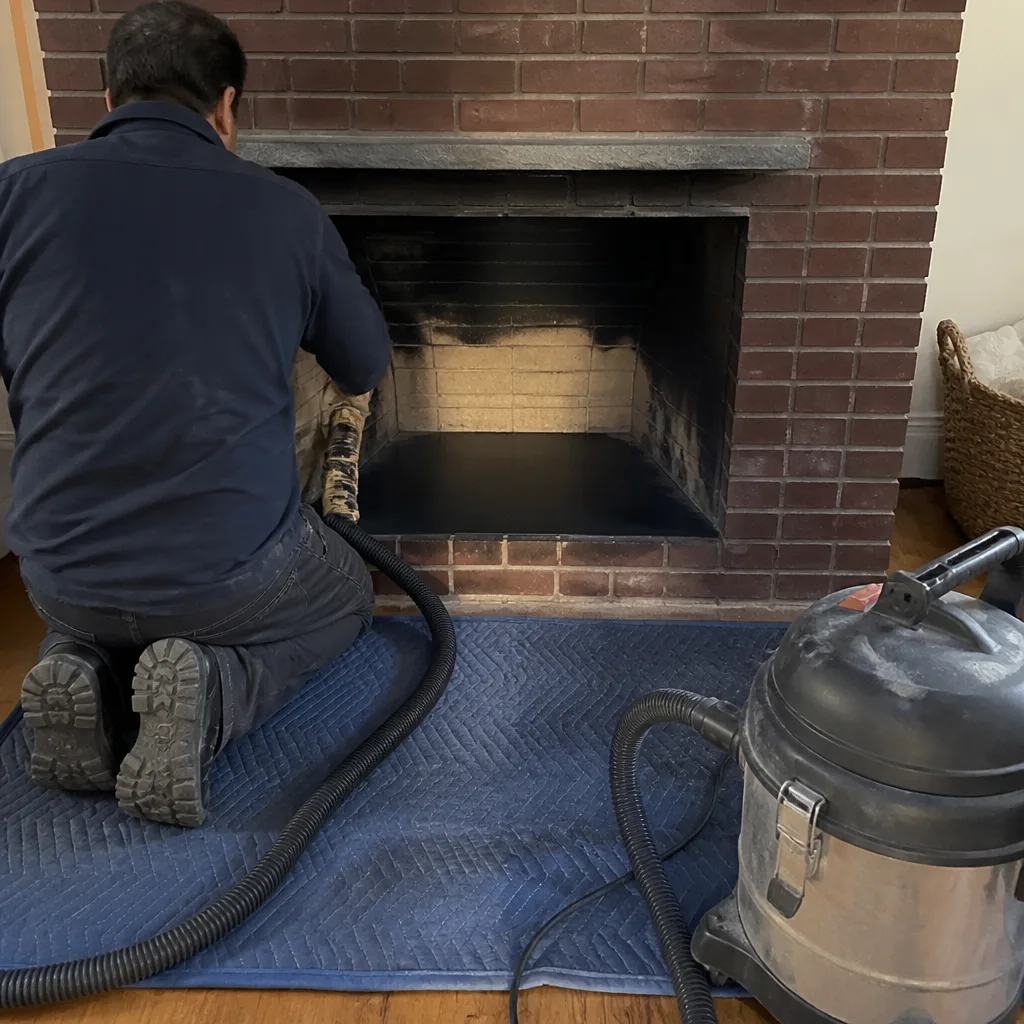
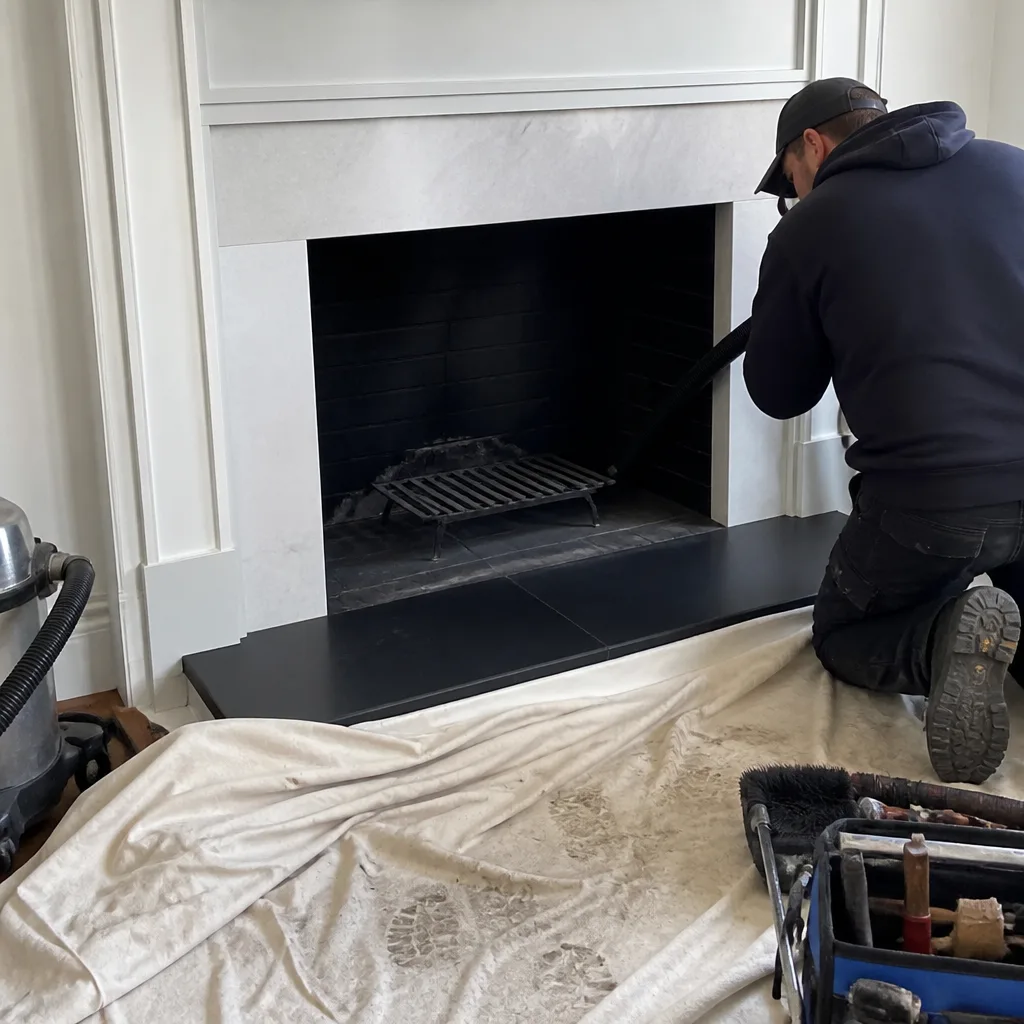
Chimney sweep logs do not sweep chimneys. They loosen some creosote - which then falls where a brush and vacuum still have to collect it.
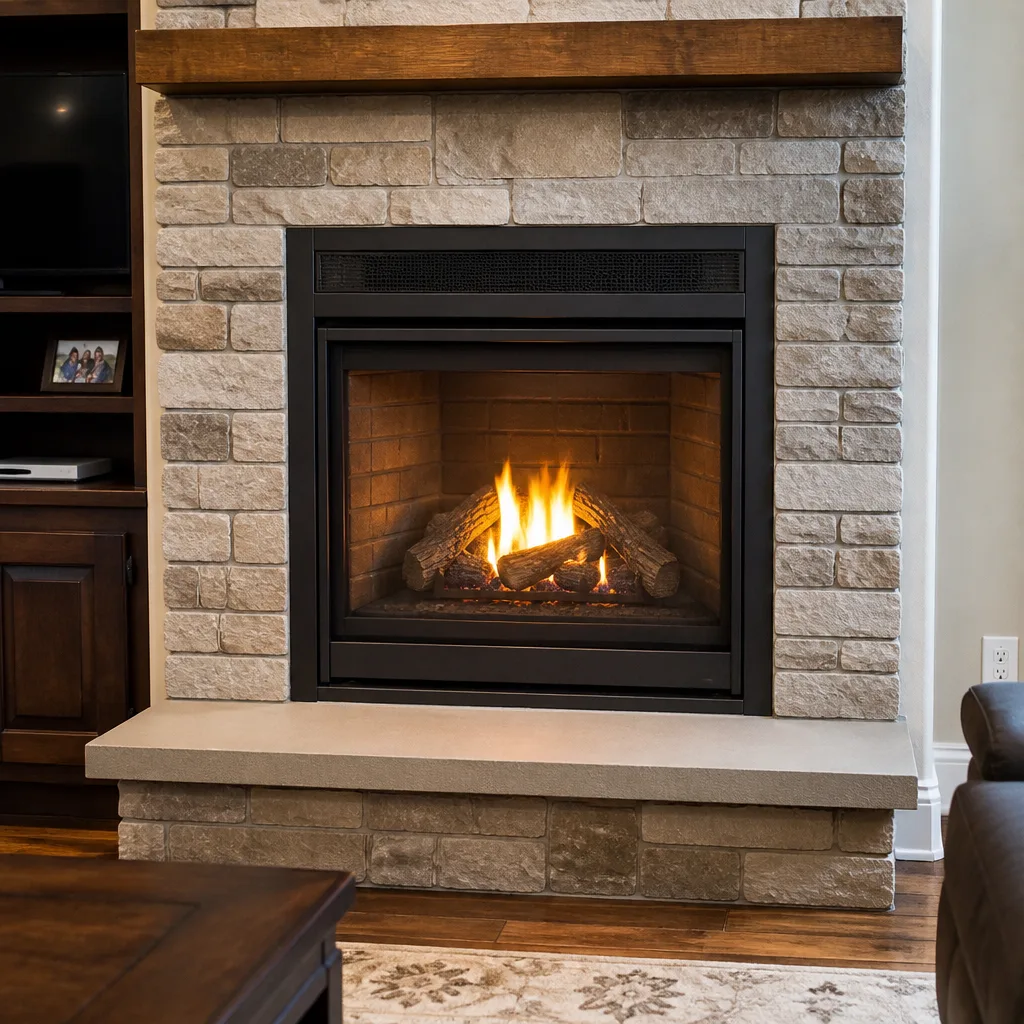
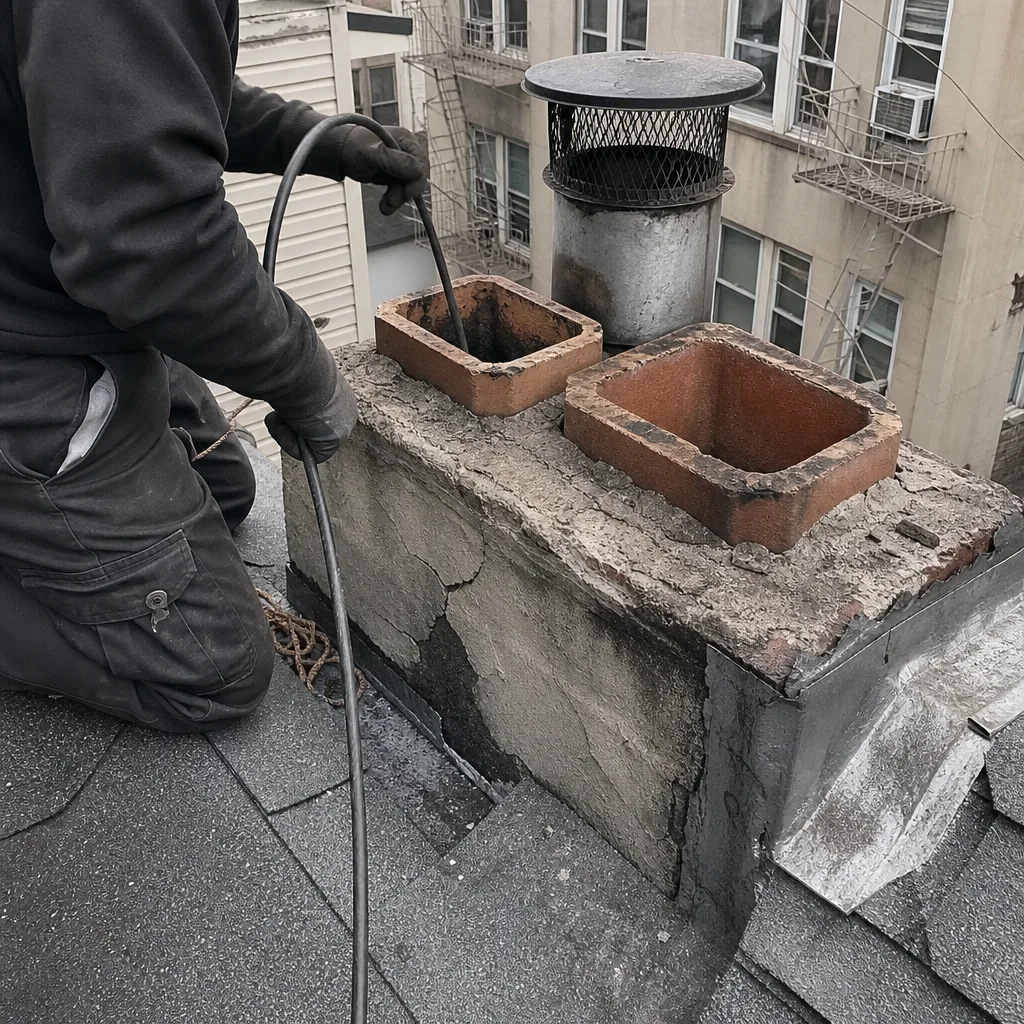 Before
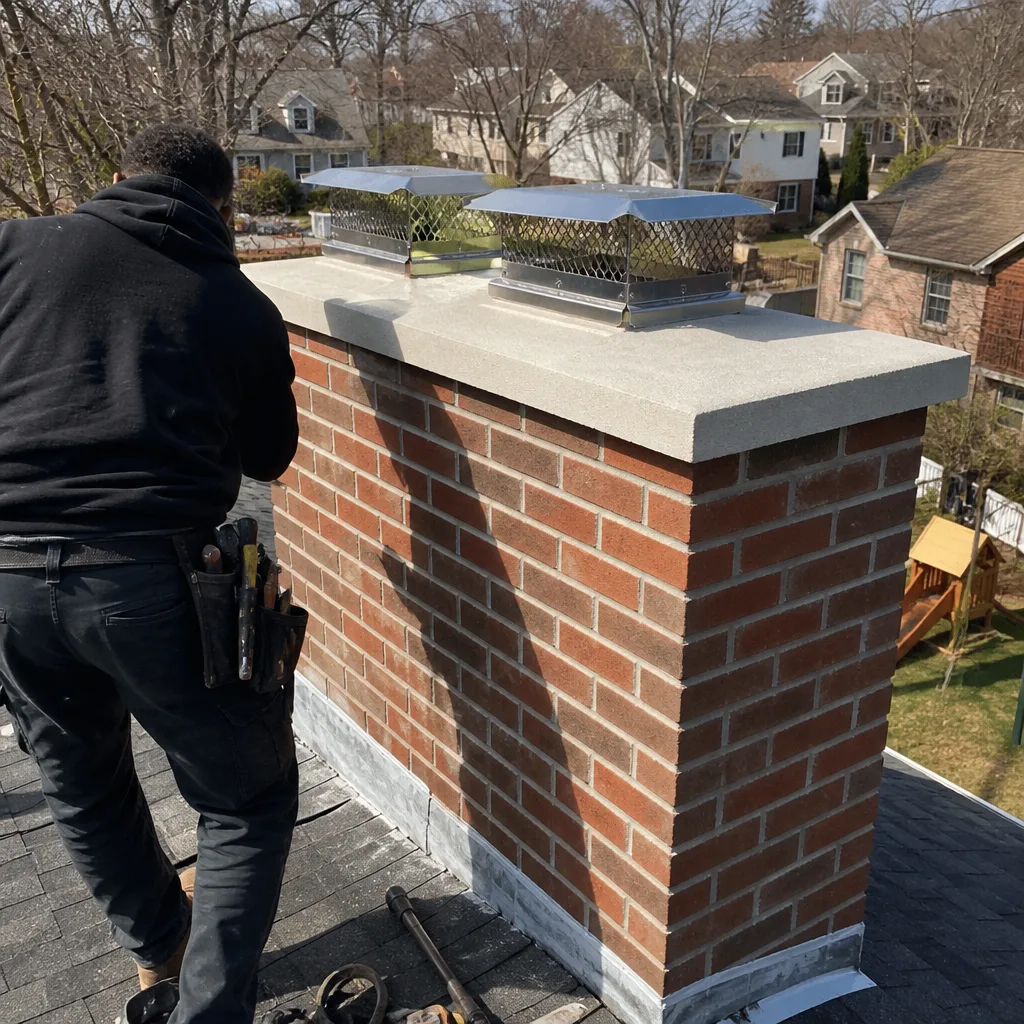 After
After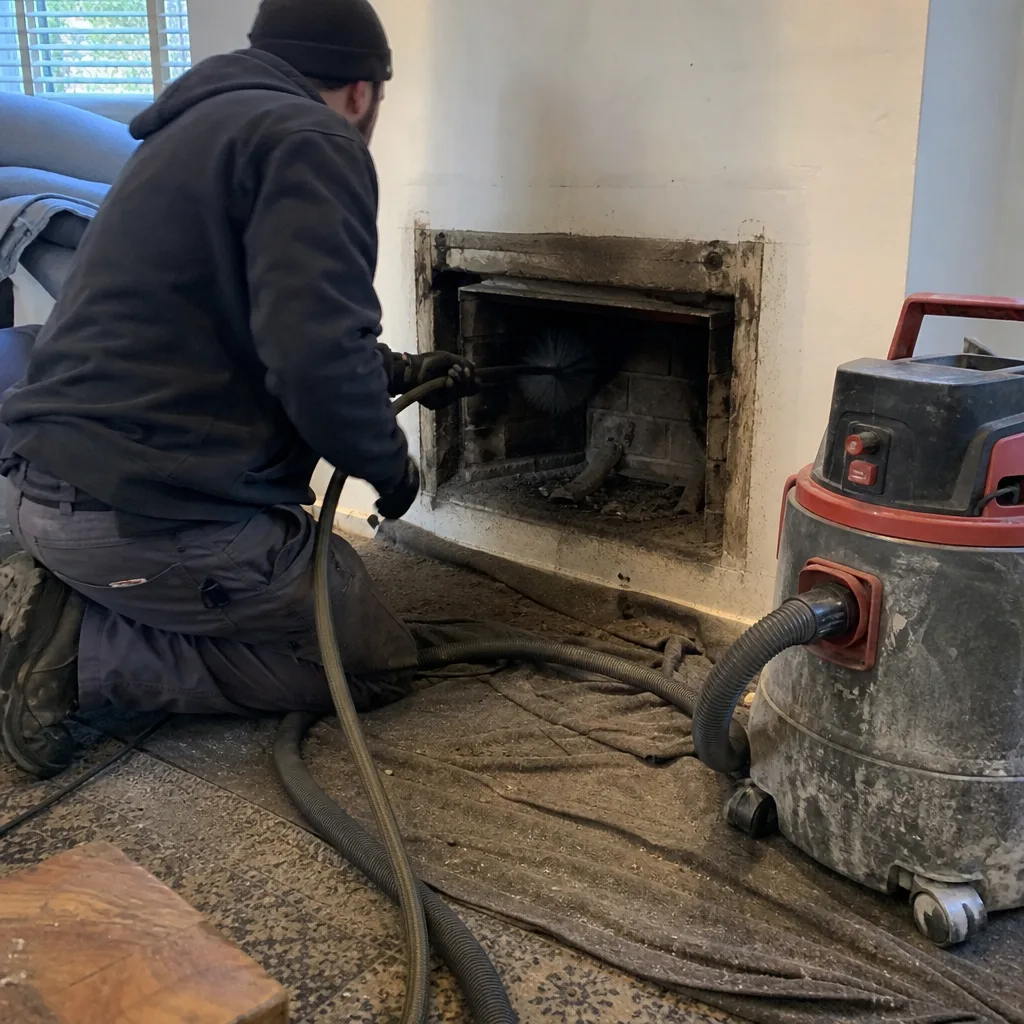 Before
 After
After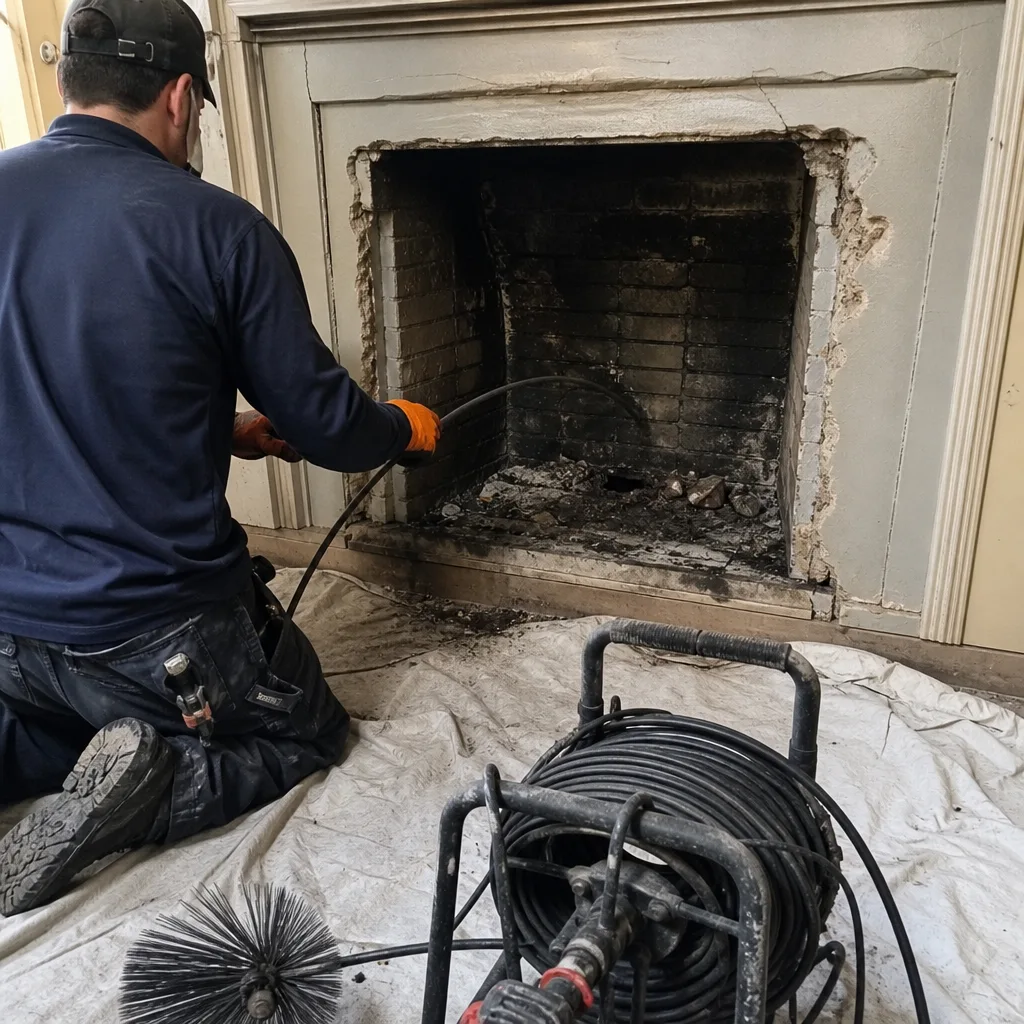 Before
 After
AfterChimney Cleaning Permits, Codes & Inspections in NY: What You Need to Know
New York City issues roughly 6,000 chimney-related work permits a year, yet fewer than 200 of those are for routine cleanings. That gap exists because the NYC Building Code draws a hard, often-misread line between “ordinary repair” and “alteration,” and most chimney work falls cleanly on one side or the other. In the Financial District, that line matters more than anywhere else in the city: nearly every residential building sits in a Landmarks Preservation Commission district, which means a second layer of approval can attach to work that DOB alone would wave through. This guide maps the exact permit triggers, the code chapters that govern them, the LPC overlay, and the paperwork a co-op board will want to see. For more guides & resources, see our blog.
Quick Answer
Routine chimney cleaning and Level 1 inspections in New York State require no permit, and under NYC Building Code they classify as ordinary repair. For a deeper look at what’s involved, see our Complete Guide to Chimney Cleaning in Financial District. What requires a permit is an alteration: liner replacement, chase rebuild, crown reconstruction, or any work touching a shared masonry wall. In the Financial District, if your building is in a historic district, LPC approval may be required before any permit application can even be filed.
Table of Contents
- Ordinary Repair vs. Alteration: The Code Line That Matters
- When a Permit Is Actually Required in New York
- LPC Rules in the Financial District: The Second Layer
- NFPA 211 vs. Local Law 11: Two Different Inspections
- Co-op and Condo Liability: Who Owns the Chimney?
- Checking a Contractor’s DOB History Before Work Starts
- What Documentation Should Look Like
- Common Mistakes to Avoid
- When to Call a Professional
- Frequently Asked Questions
- The Bottom Line
BeforeAfterOrdinary Repair vs. Alteration: The Code Line That Matters
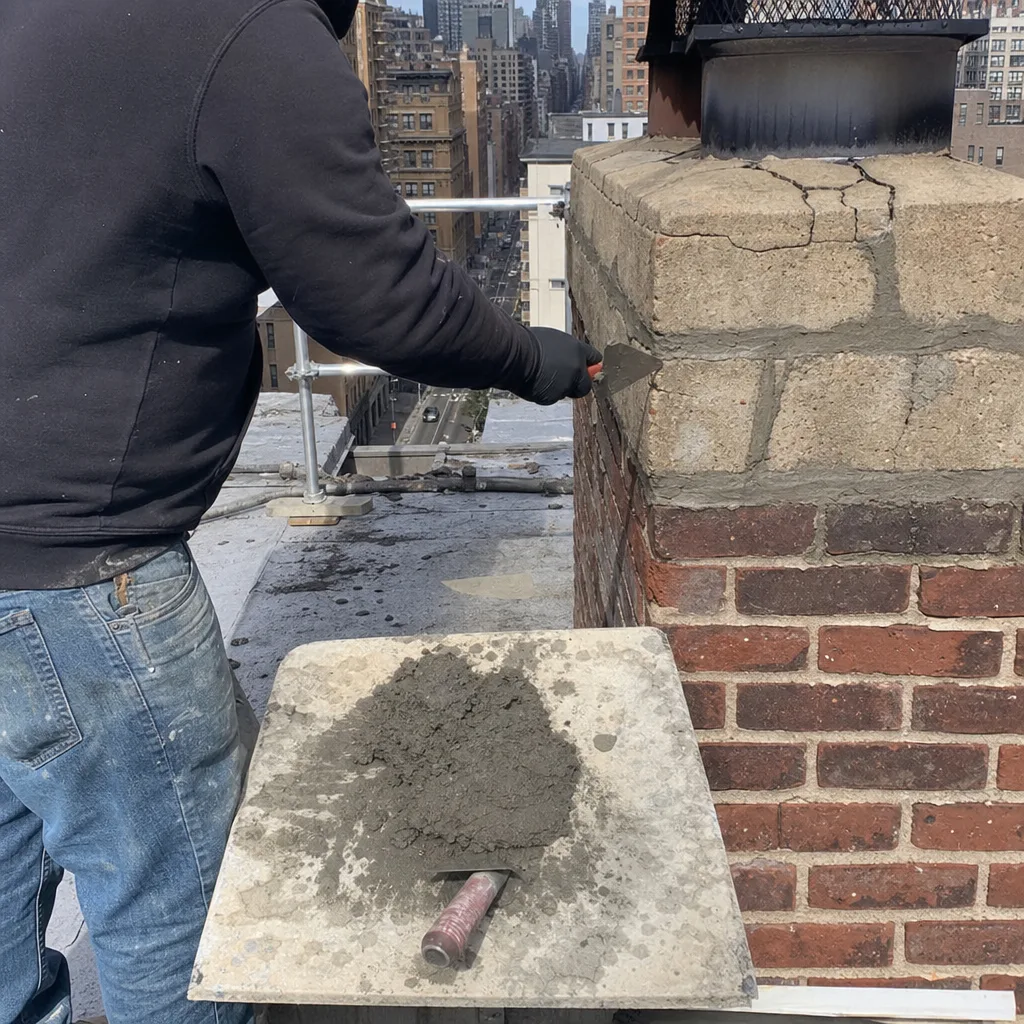
NYC Building Code Section 101.4.3 defines ordinary repair as work that “does not affect the structural integrity of the building or alter the use, egress, or occupancy.” A sweep, a Level 1 visual inspection, replacing a damper plate, repointing a few bricks at the chimney crown: all ordinary repair. No permit. No filing. No DOB sign-off needed.
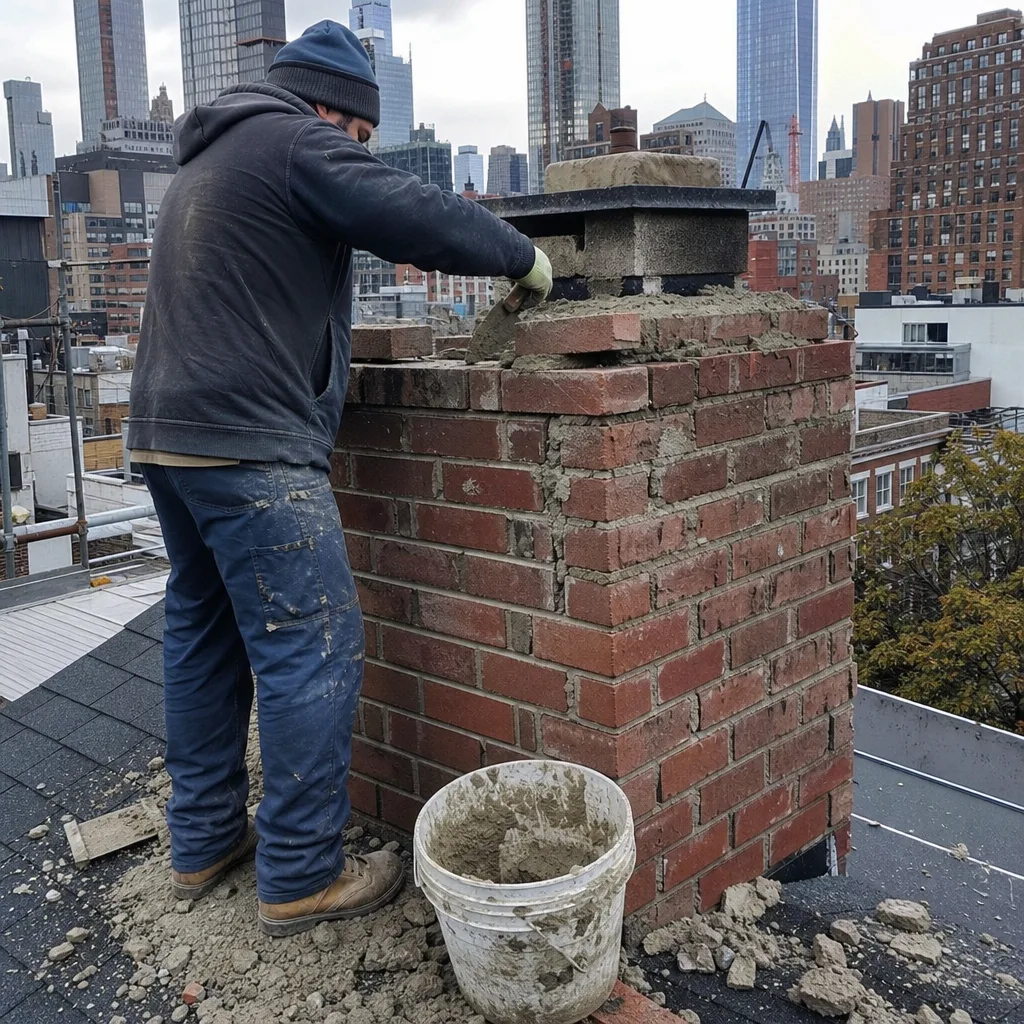
An alteration, by contrast, is defined in Section 101.4.2 as “any construction or renovation to an existing structure other than a repair or addition.” A flue liner replacement is an alteration. So is rebuilding a chase, reconstructing a smoke chamber, or extending a chimney above the roof line. In the Financial District, we’ve watched this distinction catch building owners off guard when a “simple repointing job” grows into crown reconstruction midway through. Once the scope crosses into alteration territory, the contractor cannot legally continue without a permit.
Here’s the line, exactly:
- No permit needed: chimney sweeping, Level 1 inspection, damper hardware replacement, cap replacement that fits the existing flue, minor crown patching.
- Permit required (Alteration Type 2 or Type 1): flue liner replacement, smoke chamber parging beyond minor repair, chase rebuild, structural crown reconstruction, adding height to the chimney, any work that changes the flue dimensions.
- Permit plus special inspections: work that involves structural steel or load-bearing masonry repair, which triggers Chapter 17 special inspection requirements.
What most people don’t realize: Level Two Chimney Financial District home inspections regularly find undocumented liner replacements from previous owners. The work may have been done competently, but without a DOB filing, a co-op board or insurance adjuster treats it as unpermitted. That’s a problem we’ll address later in this guide.
When a Permit Is Actually Required in New York
The DOB permit process for chimney work follows a predictable sequence. Knowing it before you call a contractor tells you immediately whether they understand the system.
- Determine the permit type. Most chimney alterations in NYC fall under Alteration Type 2, filed by a Registered Design Professional (a licensed architect or engineer). Liner replacement alone may qualify for an Alteration Type 3 filing, which has a simplified review process.
- File with DOB. The filing professional submits drawings and a work scope through the DOB NOW system. Fees for chimney work typically run between $100 and $1,400 depending on the scope and whether expedited review applies.
- LPC review (if applicable). In a historic district, DOB will route the application to Landmarks Preservation Commission for advisory review before any permit can issue. More on this below.
- Obtain the permit. Only after DOB approves the filing and LPC clears it can work begin. The permit is specific to the scope described. Expanding the scope mid-job requires an amended filing.
- Complete the work and close the filing. The filing professional submits a completed inspection report. If special inspections applied, the special inspector files reports as well.
In our experience across the Financial District, liner replacement jobs where the flue serves a single fireplace usually clear the process in two to three weeks. Jobs that involve the building’s shared masonry, or that require scaffolding on a landmarked facade, take longer. The answer to “how long” is never comfortable for a homeowner under a burning-season deadline, which is why we recommend scheduling liner work in late spring or summer.
LPC Rules in the Financial District: The Second Layer
The Financial District is almost entirely covered by at least one Landmarks Preservation Commission designation: individual landmarks, interior landmarks, and the historic districts of Stone Street, Front Street, and South Street Seaport. If your building predates 1940 and you live south of Chambers Street, assume LPC has jurisdiction until proven otherwise.
LPC’s rule is blunt: exterior work that changes the material, height, profile, or color of a visible feature requires approval. A chimney chase on a visible roof slope is a visible feature. Rebuilding it with modern brick that doesn’t match the original is the kind of violation LPC actively pursues, and fines can exceed $5,000 for work done without a permit.
What that means practically:
- Interior flue liner replacement: generally outside LPC’s gaze, as long as the chimney’s exterior appearance is unchanged.
- Chase rebuild or crown work visible from the street: LPC approval required before DOB will issue the permit.
- Cap replacement: if the building has a visible historic cap style, a matching replacement may be required. In our Financial District work, we regularly source caps through Copperfield to match existing profiles rather than switching to a generic stainless hood.
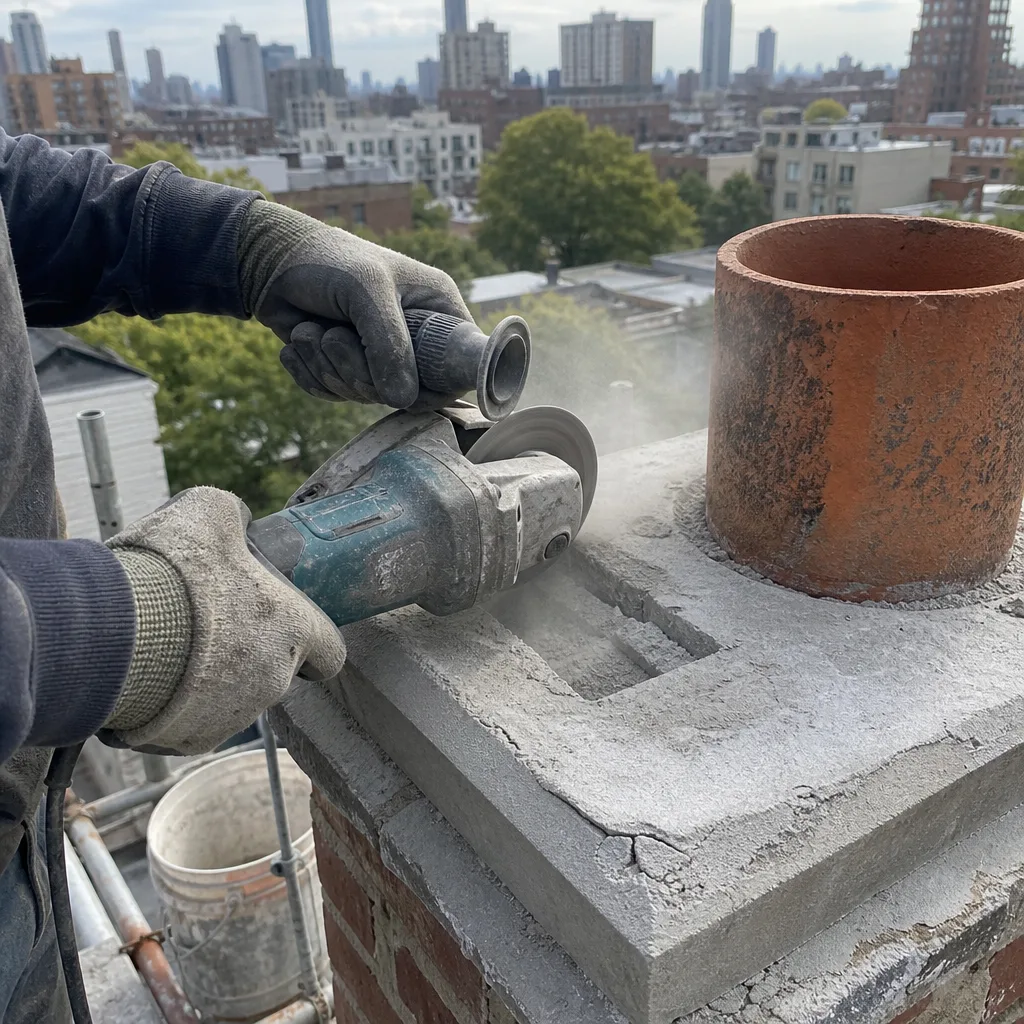
- Repointing or brick replacement: LPC requires a mortar type and brick match. This is where your contractor’s material sourcing matters. We work with materials from Gelco and Olympia Chimney to match historic profiles, because a modern machine-made brick on an 1890s chimney is exactly the kind of clue an LPC inspector is trained to spot.
The sequence matters: LPC first, then DOB. Filing DOB before LPC clears a visible alteration will stall the application and waste the filing fee window.
NFPA 211 vs. Local Law 11: Two Different Inspections
The confusion between these two inspection regimes is one of the most frequent questions we field from Financial District homeowners. They are not the same. They do not substitute for each other. Each covers a different failure mode.
NFPA 211 is the national fire safety standard for chimneys, fireplaces, and vents. It defines three inspection levels:
- Level 1: visual inspection of readily accessible areas. Performed during a routine Chimney Cleaning & Sweep in Financial District. No tools, no camera. Appropriate when the system is unchanged and performing normally.
- Level 2: adds interior flue inspection via camera or video scan. Required when the property is sold, after a chimney fire, after an earthquake or building event, or when a liner is being evaluated. This is the standard we’ve made default on every visit since 2009, because a flashlight under the damper plate sees less than 10 percent of what a camera sees.
- Level 3: invasive inspection that opens concealed areas. Used when a Level 2 scan suggests hidden damage in the smoke chamber or flue walls.
NFPA 211 says a chimney should be swept when soot accumulation reaches 1/8 inch, and that an annual inspection is the minimum for a system in active use. If you’re unsure whether yours is due, consult our Chimney Cleaning Warning Signs: A Financial District Homeowner’s Reference Guide. Insurance carriers writing co-op policies in New York increasingly ask for proof of annual inspection, and this is where documentation matters: an undated, unphotographed “cleaned” invoice is indistinguishable from no inspection at all.
Local Law 11 (now FISP, the Facade Inspection and Safety Program) is a New York City façade safety statute. It requires exterior wall inspections every five years for buildings over six stories, performed by a Qualified Exterior Wall Inspector and filed with DOB. The inspection covers exterior chimney masonry only: whether the chase is spalling, whether mortar joints have opened, whether the crown shows cracks.
What LL11 does NOT cover: the flue interior, the liner, the smoke chamber, the damper, the crown’s waterproofing at the flue pipe joint. A building can pass LL11 with flying colors and have a Class III creosote deposit (the heaviest tar-like accumulation, a fire waiting for an ignition source) lining the flue. We’ve documented that exact combination more times than we can count in Financial District prewar buildings.
The owner takeaway: your building’s LL11 filing does not substitute for a chimney inspection, and a chimney sweep invoice does not satisfy LL11. They are separate records, and a diligent co-op board keeps both.
Co-op and Condo Liability: Who Owns the Chimney?
In a Financial District co-op, the chimney is almost always a building system, owned by the corporation and accessed through the shareholder’s unit. That’s a distinction with real consequences.
If the chimney serves one apartment: the shareholder typically maintains the interior flue from the fireplace to the roof, including the damper and sometimes the liner. The corporation maintains the exterior masonry and the roof penetration. The exact split is in your proprietary lease, and co-op attorneys in New York have told us more than once that the language is rarely clear.
If the chimney is shared between units: the corporation owns nearly everything. This is common in prewar Financial District buildings where a single chimney ran multiple fireplaces stacked vertically. Liner replacement in a shared flue is a corporation project, not a shareholder project.
Here is where unpermitted work creates real exposure. If a shareholder or a prior owner had a liner installed without a DOB filing, and that liner later fails or a chimney fire occurs, the building’s master insurance policy may deny the claim on the grounds of unpermitted alteration. The unit owner, not the corporation, becomes personally responsible for the loss. In New York, that loss can run into the high six figures if it involves a neighbor’s unit.
The documentation a co-op board will want to see, every time:
- DOB permit and approved filing, or proof of ordinary repair classification
- Written scope of work with dated before/after camera documentation
- LPC approval letter if the building is in a historic district
- Warranty in writing for any installed materials (liner, caps, crown work)
- Inspection report noting creosote class, smoke chamber condition, and any deferred items
Corrine Halstead, who leads our Financial District team, built our documentation practice around a simple test: would an insurance adjuster accept this as proof of professional work? If not, it doesn’t leave our van.
Checking a Contractor’s DOB History Before Work Starts
Any contractor doing permitted work in New York City has a public DOB record. Pulling it takes ten minutes and tells you more than any review site. Here’s the sequence:
- Go to the DOB NOW public portal. Search by the contractor’s name or by the company’s filing representative. You’re looking for license type: Home Improvement Contractor license, issued by the Department of Consumer Affairs, for work under $25,000, or a DOB-licensed general contractor for larger scopes.
- Look at their permit history. A contractor who has filed chimney alterations should have those filings visible. No filings for chimney work is a red flag, not a neutral.
- Check for stop-work orders. DOB posts these publicly. A stop-work order means an inspector found work happening without a permit or outside the filed scope. One SWO in ten years is almost meaningless; three in two years is a pattern.
- Verify their insurance certificates. Ask for a certificate of insurance naming your building or co-op as additionally insured. Verify the policy’s effective dates. This is the single most-forged document in the trade, so call the carrier to confirm.
- Ask for the named licensed professional who will file the permit. The contractor’s relationship with a filing architect or engineer is what makes the permit possible at all. A contractor who says “we handle the permit ourselves” but has no in-house RDP is either misinformed or misinforming you.
We’re not telling you this to make the process sound adversarial. We’re telling you because in the Financial District, the unpermitted liner jobs we re-inspect are often discovered too late: at closing, at insurance renewal, or after a chimney fire when documentation becomes the only thing that matters.
What Documentation Should Look Like
A permit, by itself, proves nothing about the quality of the work. It proves the drawings were reviewed. What proves the work was done right is the record underneath the permit.
On any chimney job in New York, whether it’s a $300 cleaning or a $14,000 liner replacement, the customer should walk away with:
- Written price before work starts. Not a verbal estimate. Not “call for a quote.” A written scope with a dollar figure, signed by both parties. This is Haven Standard Clause 1, and no exceptions apply.
- Camera stills or video from the flue interior. NFPA 211 Level 2 requires a camera scan for any liner evaluation. If a contractor tells you a liner needs replacement and cannot show you a photo of the crack, the spalling, or the corrosion, you haven’t been shown evidence. You’ve been shown an opinion.
- Photo record of completion. Every job we perform in the Financial District concludes with a dated photo archive: before, during, and after. Clause 4 of the Haven Standard requires a photo record on every job, and we’ve been running that archive continuously since 2009, years before insurance carriers or co-op boards started asking for it.
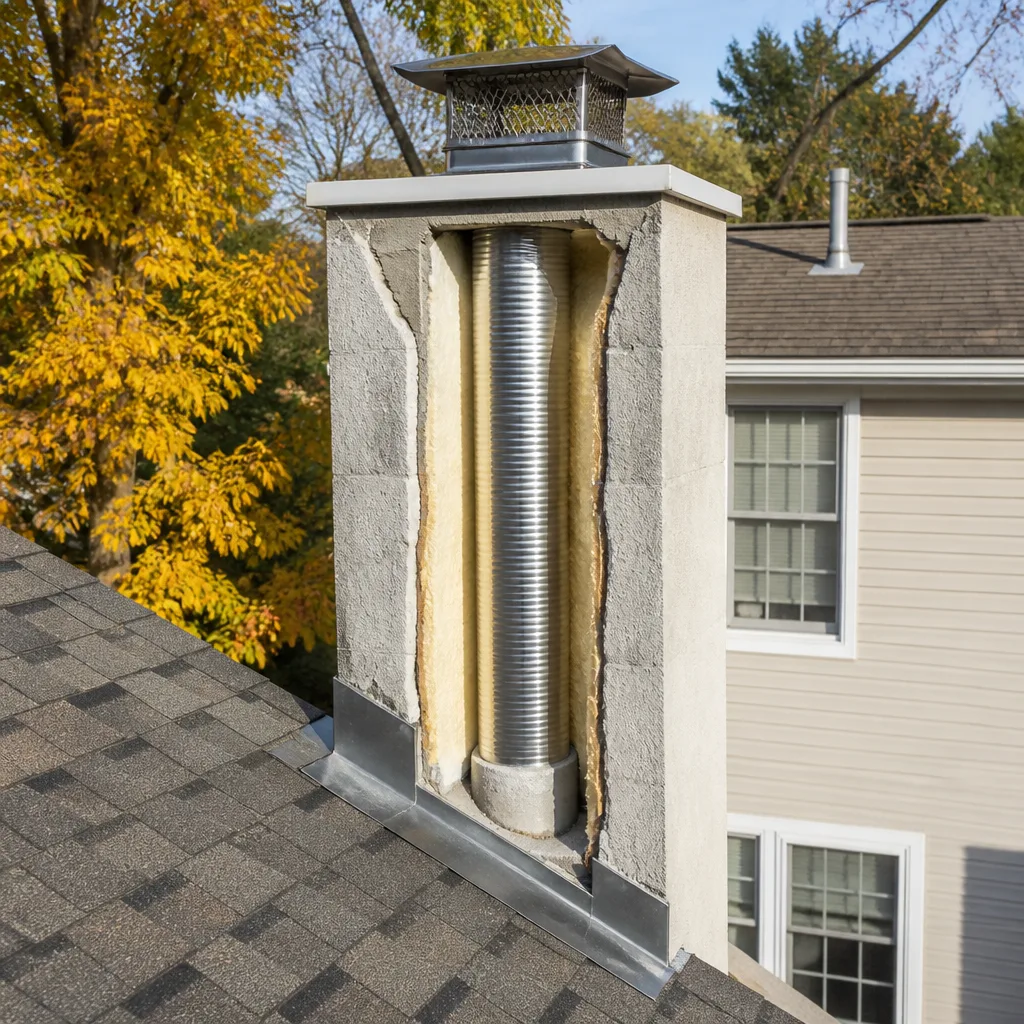
- Material documentation. If a liner goes in, the customer should know what it is. We use DuraFlex and HeatShield liners and Famco caps across most of our New York work because their spec sheets are available and their warranties are enforceable in writing. A contractor who says “it’s a liner, trust me” has not met the documentation standard.
- Written warranty. The scope, the warranty term, and the conditions should be in one document. The 365-Day Done Right Promise is our version of this: if it’s not done right, we make it right. It’s stamped on every job, and we’ve honored it more times than we can tell you without sounding self-congratulatory.
Common Mistakes to Avoid
- Treating every chimney job as “no permit needed.” Sweeps and Level 1 inspections are routine. Liner replacement, chase rebuild, and crown reconstruction are alterations. Misclassifying an alteration as repair is the fastest route to a stop-work order and DOB fine.
- Filing DOB before LPC clearance in a historic district. In the Financial District, the order of operations is LPC first, then DOB. Filing DOB first will stall the application and burn a portion of the filing fee.
- Using Local Law 11 filings as chimney inspection records. LL11 covers facade masonry. It says nothing about the flue interior, the liner, or the smoke chamber. Treating one as a substitute for the other leaves dangerous conditions undocumented.
- Accepting a “cleaned” invoice with no date, no photo, no creosote class. In a New York co-op, that invoice is documentation theater. It won’t survive an insurance adjuster or a closing attorney.
- Skipping the DOB history check on your contractor. Ten minutes on the DOB NOW portal reveals whether a contractor has ever filed a chimney alteration in New York. No filing history is a warning.
- Letting a prior owner’s unpermitted liner work slide. It’s not grandfathered. It’s unpermitted, and the liability sits with whoever owns the unit when it’s discovered.
- Waiting until October to address chimney safety. The burning season starts in late October, and the permit queue in New York is slowest in September and October. Liner work that should have been scheduled in June becomes a crisis in November. We see it in the Financial District every single year.
When to Call a Professional
Call a chimney professional when you see spalling brick on the visible chase, when water stains appear on interior walls adjacent to the chimney, when you smell campfire odor in the apartment when the fireplace hasn’t been used, when a camera scan shows a cracked liner or open mortar joints, or when you’re buying or selling a Financial District unit and the building’s chimney documentation is incomplete. Call immediately if you hear a dull, uneven thump when tapping the chimney crown, if the smoke chamber has visible gaps, or if anyone has described your chimney as “fine” without showing you a photo. Chimney Repair in Financial District involves masonry, liners, and structural work, and the expertise of a qualified sweep matters as much as the permit paperwork. Level Two Chimney Financial District offers free estimates in Financial District - call (551) 213-4778.
Frequently Asked Questions
No. Routine chimney cleaning is ordinary repair under NYC Building Code and requires no DOB permit or filing. What requires a permit is an alteration: liner replacement, chase rebuild, smoke chamber reconstruction, or any masonry work that affects structural integrity. If your cleaning uncovers damage that requires any of those scopes, the repair work itself will need a filing.
A flue liner replacement in the Financial District typically runs $4,500 to $11,000 depending on the flue length, liner material (stainless vs. thermo-ceramic), roof access logistics, and whether a permit and LPC review apply. On top of the liner itself, factor $800 to $2,500 for the DOB filing and professional fees when the work requires a permit. Call (551) 213-4778 for an exact quote - estimates are free, in writing, and include the permit assessment.
Yes. In nearly every New York City co-op and condo, chimney work that touches the exterior masonry, the roof penetration, or a shared flue is governed by the alteration agreement in your proprietary lease or bylaws. The board’s approval process will typically require a DOB filing, proof of LPC clearance if applicable, and a written scope. Interior work on a single-unit, single-flue system may fall under your unit autonomy, but you should confirm that in writing with the managing agent before work starts.
The NFPA 211 standard recommends a Level 1 inspection annually for any system in active use. The Financial District’s older masonry, often paired with salty harbor air and freeze-thaw cycles that accelerate spalling, argues for no less. If you burn more than two cords of wood a year, or if the previous owner’s usage history is unknown, a Level 2 camera scan should be your baseline.
A Level 2 camera scan sees the flue interior from the firebox to the termination at the roof: micro-cracks in a clay tile liner, open mortar joints, creosote class, water intrusion points, and deterioration hidden behind the smoke chamber. A visual check from the firebox or the roof sees perhaps 10 percent of that. This is why Clause 4 of the Haven Standard requires a photo record on every job, and why we’ve kept that archive running continuously since 2009.
Yes, strongly. If your building is in an LPC historic district and the chimney is visible from the street, LPC clearance is required before any permit can be filed for exterior masonry work or a visible chase rebuild. A contractor who dismisses LPC requirements is either unfamiliar with Financial District rules or hoping to avoid the filing cost. Either way, unpermitted work in a landmarked building becomes your liability, not the contractor’s convenience. Fireplace Services in Financial District require correct documentation from the start.
The Bottom Line
In New York, the chimney permit question resolves to a single distinction: whether the job is ordinary repair or an alteration. Routine cleaning and Level 1 inspection fall on the repair side, no permit needed. Liner replacement, chase rebuild, crown reconstruction, and any work touching a shared masonry wall fall on the alteration side, and in the Financial District, LPC review layers on top of DOB requirements for any visible change. Documentation is the other half of the equation, and it’s the half that survives a sale, an insurance claim, or a stop-work order. The most expensive chimney in New York isn’t the one with a permit problem. It’s the one where no one kept a record.
Written by Corrine Halstead, Owner at Level Two Chimney Financial District, serving Financial District since 2009.